
Are you tired of dealing with the discomfort and pain caused by hemorrhoids? Look no further! In this article, we will explore the risk factors associated with hemorrhoids and discuss the precautions you need to take for a natural cure. Whether you have just started experiencing symptoms or have been battling with hemorrhoids for a while, this article will provide you with valuable information and tips to help you find relief. So, if you’re ready to say goodbye to hemorrhoid discomfort, keep reading!
Risk Factors for Hemorrhoids
Hemorrhoids are a common condition that can cause discomfort and pain. While they can affect anyone, certain factors may increase your risk of developing hemorrhoids. By understanding these risk factors, you can take preventive measures to reduce your chances of experiencing this condition.
Sedentary Lifestyle
Leading a sedentary lifestyle is a significant risk factor for developing hemorrhoids. Prolonged periods of sitting or standing without movement can put pressure on the veins in the rectal area, leading to the development of hemorrhoids. If your daily routine involves sitting for long hours, such as in an office job, it is important to incorporate regular breaks and physical activity into your day to reduce the risk of developing hemorrhoids.
Obesity
Obesity is another risk factor for hemorrhoids. Excessive body weight can put additional strain on the veins in the rectal area, making them more susceptible to swelling and inflammation. Maintaining a healthy weight through a balanced diet and regular exercise can help reduce the risk of hemorrhoid development.
Pregnancy
Pregnancy is a common risk factor for hemorrhoids. The increased pressure on the pelvic area during pregnancy can cause the veins in the rectal area to become swollen and lead to the development of hemorrhoids. Pregnant women can reduce the risk of hemorrhoids by maintaining a healthy weight, avoiding straining during bowel movements, and practicing good hygiene.
Chronic Constipation
Chronic constipation can contribute to the development of hemorrhoids. Straining during bowel movements, which is common in individuals with constipation, puts pressure on the veins in the rectal area and can lead to the development of hemorrhoids. Consuming a high-fiber diet, drinking plenty of water, and staying physically active can help prevent chronic constipation and reduce the risk of hemorrhoids.
Straining during Bowel Movements
Straining during bowel movements is a risk factor for hemorrhoids. Putting excessive strain on the rectal area can cause the blood vessels in that region to swell and form hemorrhoids. To prevent straining, it is important to maintain a healthy diet, avoid dehydration, and practice good bathroom habits. Sitting on the toilet for extended periods and forcing bowel movements can increase the risk of developing hemorrhoids.
Poor Diet
A poor diet lacking in fiber increases the risk of hemorrhoids. Fiber helps soften the stool and prevents constipation, which can contribute to the development of hemorrhoids. Including plenty of fruits, vegetables, whole grains, and legumes in your diet can provide the necessary fiber to keep your bowels regular and reduce the risk of hemorrhoids.
Advanced Age
Advanced age is a risk factor for hemorrhoids. As you age, the tissues and blood vessels in the rectal area may become weaker and more prone to swelling. Additionally, other age-related factors, such as a sedentary lifestyle and chronic health conditions, can contribute to the development of hemorrhoids. Staying physically active, maintaining a healthy diet, and practicing good bathroom habits can help reduce the risk of hemorrhoids as you age.
Genetics
Genetics can play a role in the development of hemorrhoids. If you have a family history of hemorrhoids, you may be more likely to develop them yourself. While you cannot change your genetics, you can take preventive measures to reduce the risk of hemorrhoids by adopting a healthy lifestyle, maintaining a healthy weight, and avoiding the risk factors associated with their development.
Chronic Diarrhea
Chronic diarrhea is a risk factor for hemorrhoids. Frequent loose bowel movements can irritate the rectal area and lead to the development of hemorrhoids. Managing the underlying cause of chronic diarrhea, such as through medications or dietary changes, can help prevent the development of hemorrhoids.
Heavy Lifting or Straining
Engaging in heavy lifting or straining can increase the risk of hemorrhoids. The pressure exerted on the rectal veins during these activities can cause them to swell and bulge, leading to the formation of hemorrhoids. It is important to use proper lifting techniques, avoid straining, and take breaks during heavy lifting to reduce the risk of hemorrhoids.
Precautions to Prevent Hemorrhoids
While certain risk factors may increase your chances of developing hemorrhoids, there are precautions you can take to reduce the likelihood of experiencing this condition.
Practice Good Hygiene
Maintaining good hygiene is essential for preventing hemorrhoids. After each bowel movement, gently clean the anal area with plain water or unscented, alcohol-free wipes. Avoid using harsh soaps or perfumed products, as these can irritate the sensitive skin around the anus.
Maintain a Healthy Weight
Maintaining a healthy weight is crucial for preventing hemorrhoids. Excess weight puts added pressure on the veins in the rectal area, increasing the risk of hemorrhoid development. Adhering to a balanced diet, incorporating regular exercise into your routine, and managing your weight can help reduce the risk of hemorrhoids.
Stay Physically Active
Regular physical activity is important for preventing hemorrhoids. Exercise helps promote healthy bowel movements and improves blood flow, reducing the risk of hemorrhoid development. Engage in activities such as walking, swimming, or yoga to stay active and promote overall bowel health.
Eat a Fiber-rich Diet
A fiber-rich diet is essential for preventing hemorrhoids. Fiber adds bulk to the stool, making it easier to pass without straining. Include plenty of fruits, vegetables, whole grains, and legumes in your diet to ensure an adequate fiber intake and reduce the risk of hemorrhoids.
Stay Hydrated
Staying hydrated is crucial for preventing hemorrhoids. Drinking enough water helps keep the stool soft and prevents constipation, which can contribute to the development of hemorrhoids. Aim to drink at least 8 glasses of water per day and limit your intake of caffeinated and alcoholic beverages.
Avoid Straining during Bowel Movements
Straining during bowel movements increases the risk of hemorrhoids. To avoid straining, make sure to respond to the urge to have a bowel movement promptly. If needed, increase fiber intake through diet or fiber supplements and drink plenty of water to soften the stool.
Manage Chronic Constipation
Chronic constipation can lead to the development of hemorrhoids. To prevent constipation, consume a high-fiber diet, drink enough water, and engage in regular physical activity. If necessary, over-the-counter fiber supplements or stool softeners can be used to manage chronic constipation under the guidance of a healthcare professional.
Avoid Prolonged Sitting or Standing
Avoiding prolonged sitting or standing is crucial for preventing hemorrhoids. When you stay in one position for long periods, it can put pressure on the veins in the rectal area, leading to the development of hemorrhoids. If your job requires extended periods of sitting or standing, make sure to take breaks and move around to promote healthy blood flow.
Take Breaks during Heavy Lifting
Taking breaks during heavy lifting is important for preventing hemorrhoids. Heavy lifting or straining can put excessive pressure on the rectal veins, leading to the formation of hemorrhoids. When engaging in heavy lifting tasks, make sure to take frequent breaks and use proper lifting techniques to minimize the risk of developing hemorrhoids.
Avoid Excessive Use of Over-the-counter Medications
Excessive use of over-the-counter medications, such as laxatives or hemorrhoid creams, can irritate the rectal area and potentially worsen hemorrhoids. It is important to follow the recommended guidelines and consult with a healthcare professional before using any over-the-counter medication for hemorrhoid relief.
Natural Remedies for Hemorrhoids
In addition to preventive measures, natural remedies can help alleviate the symptoms associated with hemorrhoids. These remedies can be used alongside medical treatments or as stand-alone options for mild cases. It is important to consult with a healthcare professional before trying any new treatment.
Sitz Baths
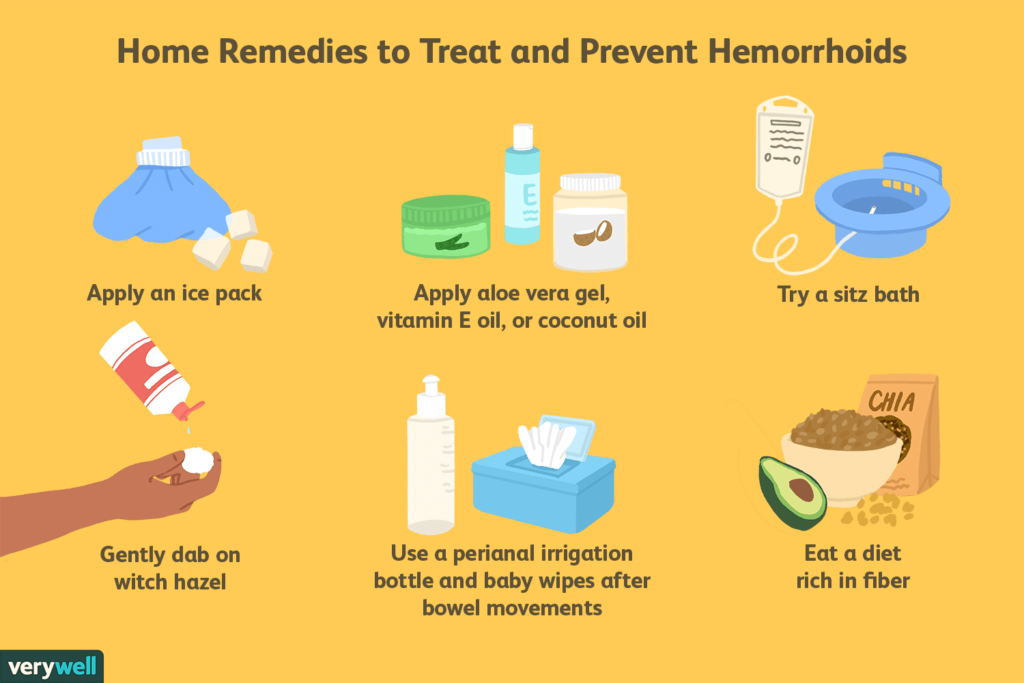
Sitz baths are a popular natural remedy for hemorrhoids. They involve sitting in warm water to soothe the affected area and promote blood flow. To take a sitz bath, fill a bathtub or basin with warm water and soak your anal area for 10 to 15 minutes. Repeat this several times a day to relieve pain and reduce swelling.
Dietary Changes
Dietary changes can play a significant role in managing hemorrhoids naturally. Incorporating more fiber-rich foods into your diet, such as fruits, vegetables, whole grains, and legumes, can help soften the stool and promote regular bowel movements. Avoiding spicy foods, caffeine, and alcohol can also help reduce irritation in the rectal area.
Increase Water Intake
Increasing water intake is crucial for managing hemorrhoids naturally. Drinking enough water helps soften the stool and prevent constipation, which can worsen hemorrhoid symptoms. Aim to drink at least 8 glasses of water per day, and consider increasing your intake when experiencing hemorrhoid flare-ups.
Warm Compresses
Applying warm compresses to the affected area can help relieve pain and reduce swelling associated with hemorrhoids. Soak a clean cloth in warm water, gently wring it out, and apply it to the anal area for 10 to 15 minutes. Repeat this several times a day to alleviate discomfort.
Aloe Vera
Aloe vera has soothing properties that can help relieve hemorrhoid symptoms. Apply a small amount of pure aloe vera gel to the affected area to reduce pain, itching, and inflammation. Make sure to choose a product specifically designed for external use on hemorrhoids.
Witch Hazel
Witch hazel is a natural astringent that can help reduce swelling and relieve itching associated with hemorrhoids. Soak a cotton ball or pad with witch hazel and apply it to the affected area for a few minutes. Repeat this several times a day for relief.
Coconut Oil
Coconut oil has anti-inflammatory and soothing properties that can alleviate hemorrhoid symptoms. Apply a small amount of virgin coconut oil to the affected area to reduce pain, itching, and inflammation. Make sure to choose unrefined coconut oil for the best results.
Apple Cider Vinegar
Apple cider vinegar can help reduce itching and inflammation associated with hemorrhoids. Mix equal parts of apple cider vinegar and water, soak a cotton ball or pad in the mixture, and apply it to the affected area for a few minutes. Repeat this several times a day to relieve symptoms.
Essential Oils
Certain essential oils, such as tea tree oil and lavender oil, have anti-inflammatory and soothing properties that can provide relief from hemorrhoid symptoms. Mix a few drops of the desired essential oil with a carrier oil, such as coconut oil or almond oil, and apply it to the affected area. Make sure to do a patch test before applying the oil to the entire area to check for any allergies or irritations.
Topical Creams or Ointments
Over-the-counter topical creams or ointments containing ingredients such as hydrocortisone, lidocaine, or witch hazel can help relieve pain, itching, and inflammation associated with hemorrhoids. Follow the instructions provided on the packaging and consult with a healthcare professional if symptoms persist or worsen.
Medical Treatments for Hemorrhoids
In some cases, medical treatments may be necessary to manage hemorrhoids. These treatments are typically recommended for more severe or persistent cases of hemorrhoids that do not respond to natural remedies or lifestyle modifications. It is important to consult with a healthcare professional to determine the most appropriate treatment option for your specific condition.
Over-the-counter Medications
Over-the-counter medications, such as creams, ointments, or suppositories, can provide temporary relief from hemorrhoid symptoms. These medications often contain ingredients that reduce pain, itching, and inflammation. Follow the instructions on the packaging and consult with a healthcare professional if symptoms persist.
Prescription Medications
In cases where over-the-counter medications are not effective, prescription medications may be prescribed. These medications can include prescription-strength creams or ointments containing hydrocortisone, as well as medications that help improve bowel regularity. It is important to follow the instructions provided by your healthcare professional and report any side effects or concerns.
Infrared Coagulation
Infrared coagulation is a non-surgical procedure commonly used to treat internal hemorrhoids. It involves the use of infrared light to coagulate the blood vessels, causing the hemorrhoids to shrink and eventually disappear. This procedure is generally well-tolerated and does not require anesthesia.
Rubber Band Ligation
Rubber band ligation is a common procedure used to treat internal hemorrhoids. In this procedure, a small rubber band is placed at the base of the hemorrhoid, cutting off its blood supply and causing it to shrink and fall off after a few days. Rubber band ligation is typically performed in a healthcare professional’s office and may require multiple sessions for complete relief.
Sclerotherapy
Sclerotherapy involves the injection of a chemical solution into the hemorrhoid to shrink and harden it. The injected solution causes the blood vessels within the hemorrhoid to close off, leading to its eventual shrinkage and disappearance. Sclerotherapy is typically performed in a healthcare professional’s office and may require multiple sessions for optimal results.
Hemorrhoidectomy
Hemorrhoidectomy is a surgical procedure used to remove hemorrhoids, especially for more severe or recurrent cases. During a hemorrhoidectomy, the hemorrhoids are cut out, and the surrounding tissues are sutured together. This procedure is typically performed under anesthesia and may require a period of recovery.
Hemorrhoid Stapling
Hemorrhoid stapling, also known as stapled hemorrhoidopexy, is a surgical procedure used to treat internal hemorrhoids. During this procedure, a special stapling device is used to reposition and secure the hemorrhoid back into its original position within the anal canal. Hemorrhoid stapling is generally less painful than traditional hemorrhoidectomy and may have a shorter recovery time.
When to See a Doctor
While many cases of hemorrhoids can be managed with preventive measures and natural remedies, there are situations where medical attention is necessary. It is important to consult with a healthcare professional if you experience any of the following:
Severe Pain or Bleeding
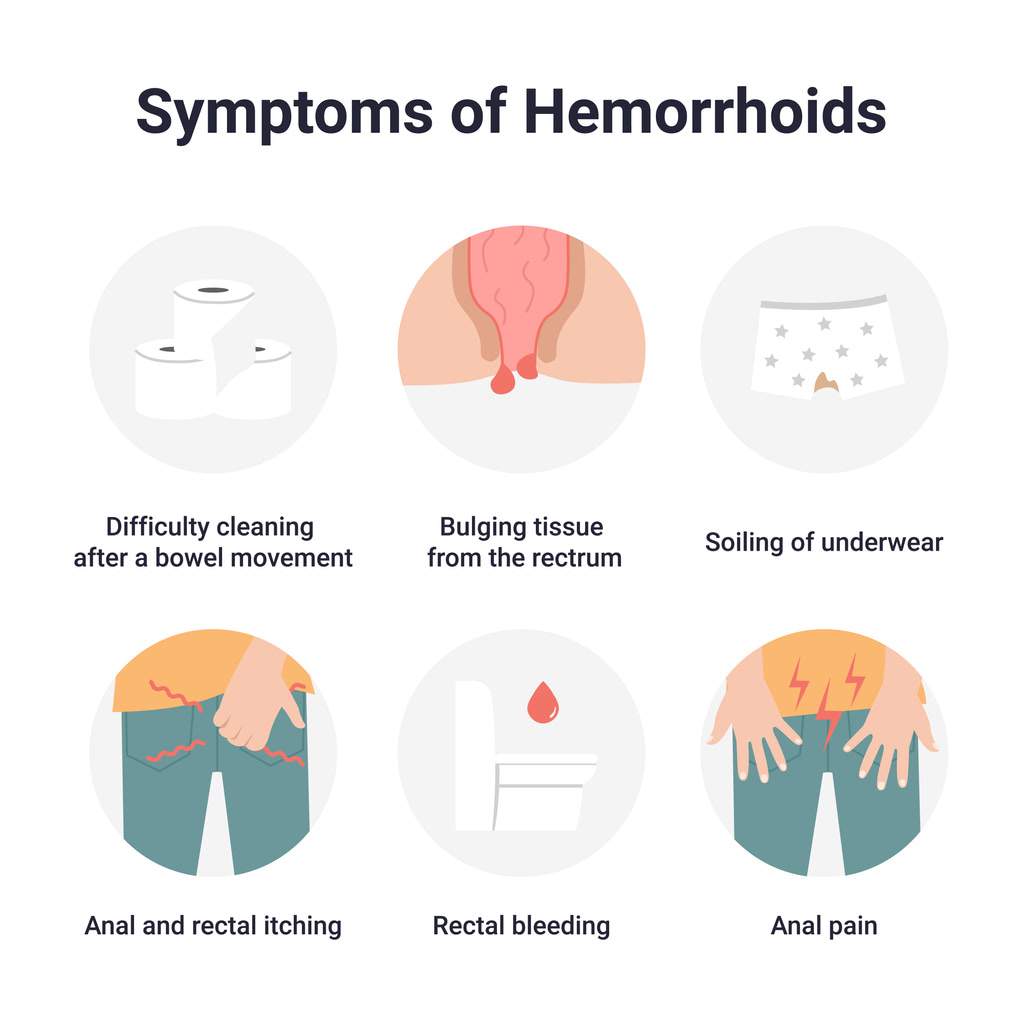
If you experience severe pain or bleeding from your hemorrhoids, it is important to seek medical attention. While minor bleeding and discomfort are common with hemorrhoids, excessive bleeding or persistent pain may indicate a more serious issue that requires evaluation.
Prolapsed Hemorrhoids
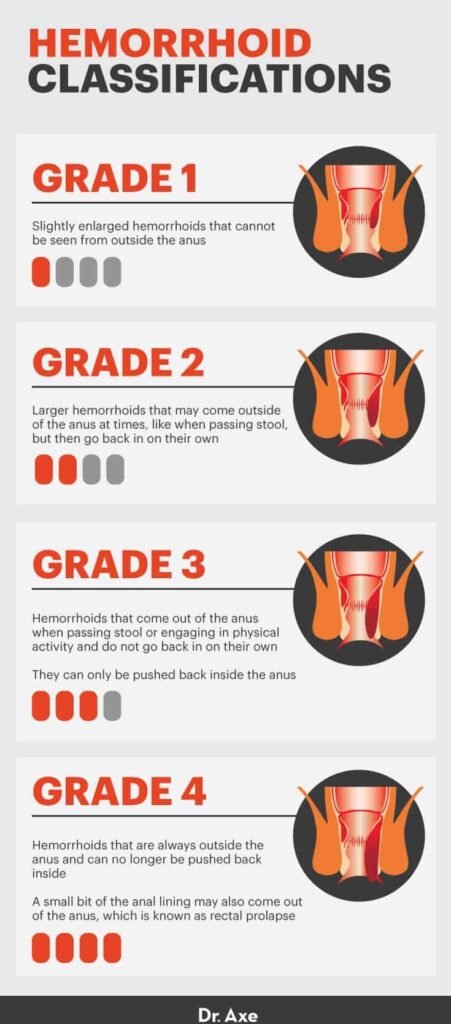
If your hemorrhoids protrude outside the anal canal or cannot be pushed back in, it is important to see a doctor. Prolapsed hemorrhoids may require medical intervention to resolve the problem and alleviate symptoms.
Presence of Blood in Stool
If you notice blood in your stool or on the toilet paper after wiping, it is important to seek medical evaluation. Blood in the stool can be a sign of various gastrointestinal conditions, including hemorrhoids, and requires further examination by a healthcare professional.
Recurrent Hemorrhoids
If you experience frequent episodes of hemorrhoids or if they do not improve with self-care measures, it is advisable to consult with a healthcare professional. Recurrent or persistent hemorrhoids may require medical treatment or further evaluation.
Persistent Symptoms
If your hemorrhoid symptoms persist despite implementing lifestyle modifications and natural remedies, it is important to seek medical advice. A healthcare professional can assess your condition and recommend appropriate treatment options.
Family History of Colorectal Cancer
If you have a family history of colorectal cancer or other gastrointestinal conditions, it is crucial to discuss your hemorrhoid symptoms with a healthcare professional. They can help determine if further evaluation or screening is necessary.
Unintentional Weight Loss
If you experience unintentional weight loss along with your hemorrhoid symptoms, it is important to see a healthcare professional. Unexplained weight loss can be a sign of underlying health issues that require evaluation and treatment.
Lifestyle Modifications to Manage Hemorrhoids
In addition to preventive measures and natural remedies, lifestyle modifications can play a crucial role in managing hemorrhoids and preventing recurrence. By implementing the following lifestyle changes, you can improve your overall bowel health and reduce the risk of hemorrhoid flare-ups.
Avoid Straining During Bowel Movements
Avoiding straining during bowel movements is essential for managing hemorrhoids. Respond promptly to the urge to have a bowel movement and avoid prolonging the process. Straining can put unnecessary pressure on the rectal veins and worsen hemorrhoid symptoms.
Use Soft Toilet Paper or Wet Wipes
Using soft toilet paper or wet wipes can help prevent irritation and trauma to the anal area. Rough or scented toilet paper may aggravate hemorrhoid symptoms and lead to further discomfort. Opt for gentle, unscented options to maintain good anal hygiene.
Keep the Anal Area Clean and Dry
Keeping the anal area clean and dry is important for managing hemorrhoids. After each bowel movement, gently clean the area with plain water or unscented, alcohol-free wipes. Avoid using harsh soaps or perfumed products, as these can irritate the sensitive skin around the anus. Pat the area dry with a clean towel or allow it to air dry.
Apply Cold Packs or Ice Packs
Applying cold packs or ice packs to the affected area can provide temporary relief from pain and reduce swelling associated with hemorrhoids. Wrap a cold pack or ice pack in a clean cloth and apply it to the anal area for 10 to 15 minutes. Repeat this several times a day or as needed.
Wear Loose and Breathable Clothing
Wearing loose and breathable clothing can help promote healthy blood flow and prevent irritation in the anal area. Avoid tight-fitting undergarments or pants that can constrict the anal region. Opt for loose-fitting, cotton-based clothing to allow air circulation and minimize friction.
Avoid Sitting or Standing for Prolonged Periods
Avoiding prolonged periods of sitting or standing can help prevent the development and worsening of hemorrhoids. If your job requires extended periods of sitting or standing, make sure to take regular breaks and move around to promote healthy blood flow. Consider using a cushion or a standing desk to reduce pressure on the rectal veins.
Engage in Regular Physical Activity
Engaging in regular physical activity is crucial for maintaining healthy bowel movements and preventing hemorrhoid flare-ups. Exercise helps stimulate the digestive system and promotes regular bowel movements. Aim for at least 30 minutes of moderate-intensity exercise, such as brisk walking or swimming, on most days of the week.
Manage Stress Levels
Managing stress levels is important for preventing and managing hemorrhoids. Stress can affect bowel function and contribute to constipation or diarrhea, which can worsen hemorrhoid symptoms. Incorporate stress-reduction techniques, such as deep breathing exercises, meditation, or yoga, into your daily routine to promote overall well-being.
Avoid Heavy Lifting
Avoiding heavy lifting is crucial for preventing the development or worsening of hemorrhoids. Heavy lifting can put excessive strain on the rectal veins and contribute to the formation of hemorrhoids. When lifting heavy objects, use proper lifting techniques and avoid holding your breath or straining.
Follow a High-fiber Diet
Following a high-fiber diet is essential for maintaining healthy bowel movements and preventing hemorrhoids. Include plenty of fruits, vegetables, whole grains, and legumes in your diet to ensure an adequate fiber intake. Fiber adds bulk to the stool and promotes regular bowel movements, reducing the risk of hemorrhoids.

Preventing Hemorrhoid Complications
While hemorrhoids can often be managed with lifestyle modifications and natural remedies, it is important to take preventive measures to avoid potential complications. By addressing the following factors, you can reduce the risk of complications associated with hemorrhoids.
Avoiding Constipation
Avoiding constipation is crucial for preventing hemorrhoid complications. Constipation can lead to straining during bowel movements, which can exacerbate hemorrhoid symptoms and increase the risk of complications. Maintain a high-fiber diet, drink enough water, exercise regularly, and respond promptly to the urge to have a bowel movement to prevent constipation.
Preventing Diarrhea
Preventing diarrhea is important for managing hemorrhoids and reducing the risk of complications. Diarrhea can cause irritation and inflammation in the rectal area, worsening hemorrhoid symptoms. If you are prone to diarrhea, identify and manage the underlying cause with the help of a healthcare professional.
Properly Treating Hemorrhoids
Properly treating hemorrhoids is crucial for preventing complications. Seeking medical advice and following the recommended treatment plan, whether it involves lifestyle modifications, natural remedies, or medical interventions, can help manage hemorrhoids effectively and minimize the risk of complications.
Maintaining a Healthy Weight
Maintaining a healthy weight is important for preventing hemorrhoid complications. Excess body weight can put additional strain on the rectal veins and worsen hemorrhoid symptoms. Adhering to a balanced diet, engaging in regular physical activity, and managing your weight can reduce the risk of complications.
Avoiding Straining during Bowel Movements
Avoiding straining during bowel movements is key to preventing hemorrhoid complications. Straining can increase pressure on the rectal veins and lead to the development or worsening of hemorrhoids. Practice good bathroom habits, respond promptly to the urge to have a bowel movement, and avoid prolonging the process.
Maintaining Good Posture
Maintaining good posture is important for preventing hemorrhoid complications. Poor posture can contribute to increased pressure on the rectal veins, potentially worsening hemorrhoid symptoms. Sit and stand with proper alignment, ensuring that your spine is straight and shoulders are relaxed to minimize unnecessary strain.
Using Appropriate Lifting Techniques
Using appropriate lifting techniques is crucial for preventing complications related to hemorrhoids. Improper lifting can put excessive strain on the rectal veins and contribute to the development or worsening of hemorrhoids. Use your legs instead of your back when lifting heavy objects, and avoid holding your breath or straining.
Drinking Enough Water
Drinking enough water is important for preventing hemorrhoid complications. Water helps soften the stool and prevent constipation, which can contribute to the formation or aggravation of hemorrhoids. Aim to drink at least 8 glasses of water per day and increase your intake in warm weather or during physical activity.
Avoiding Excessive Sitting or Standing
Avoiding excessive periods of sitting or standing is crucial for preventing hemorrhoid complications. Prolonged sitting or standing can put pressure on the rectal veins, increasing the risk of hemorrhoid development or worsening symptoms. Take regular breaks and move around to promote healthy blood flow in the anal area.
Not Ignoring Persistent Symptoms
Not ignoring persistent symptoms is important for preventing hemorrhoid complications. If you experience persistent pain, bleeding, or discomfort despite implementing preventive measures or using natural remedies, it is crucial to seek medical evaluation. A healthcare professional can assess your condition and recommend appropriate treatment options.
Common Myths about Hemorrhoids
Hemorrhoids are surrounded by various myths and misconceptions. By debunking these myths, you can gain a better understanding of the condition and its management.
Only Elderly People Get Hemorrhoids
Contrary to popular belief, hemorrhoids can affect individuals of all ages. While the risk of hemorrhoids may increase with age due to factors like weakened tissues and chronic health conditions, younger individuals can also develop hemorrhoids, especially if they have other risk factors such as obesity, pregnancy, or a sedentary lifestyle.
Hemorrhoids Are Caused by Sitting on Cold Surfaces
Sitting on cold surfaces does not cause hemorrhoids. Hemorrhoids are primarily caused by factors such as straining during bowel movements, chronic constipation, or increased pressure on the rectal veins. While cold surfaces may cause temporary discomfort, they do not directly lead to hemorrhoid development.
Hemorrhoids Are Always Painful
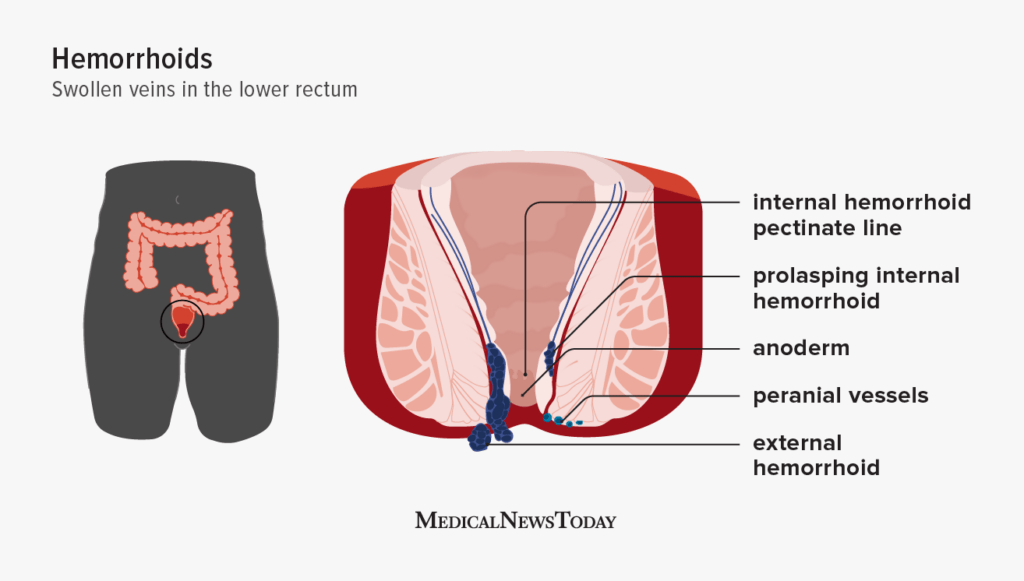
While hemorrhoids can cause pain, not all cases are painful. External hemorrhoids, which are located under the skin around the anus, are typically associated with pain and discomfort. Internal hemorrhoids, which are located inside the rectum, may not cause pain but can cause bleeding or itching.
Surgery Is the Only Solution for Hemorrhoids
Surgery is not the only solution for hemorrhoids. In many cases, hemorrhoids can be managed with lifestyle modifications, natural remedies, or over-the-counter medications. However, if conservative measures fail to provide relief or if the hemorrhoids are severe, surgical interventions may be recommended.
Hemorrhoids Will Go Away on Their Own
While some mild cases of hemorrhoids may resolve on their own with proper self-care and lifestyle changes, not all hemorrhoids will disappear without treatment. Severe hemorrhoids or persistent symptoms may require medical intervention for relief.
Hemorrhoids Can Be Cured Overnight
Hemorrhoids cannot be cured overnight. Treatment for hemorrhoids, whether it involves natural remedies or medical interventions, takes time to be effective. It is important to be patient and consistent with the recommended treatment options, as the duration of relief may vary depending on the severity of the hemorrhoids.
Only Obese Individuals Get Hemorrhoids
While obesity is a risk factor for hemorrhoids, it is not the sole determinant. Hemorrhoids can affect individuals of all body types, especially those who engage in activities that put excessive pressure on the rectal veins, such as heavy lifting or chronic straining.
Using Exercise Equipment Can Cause Hemorrhoids
While using exercise equipment improperly or engaging in excessive weightlifting can contribute to the development of hemorrhoids, exercise itself is not a direct cause. Proper form, appropriate weight, and gradual progression are important to avoid putting unnecessary strain on the rectal area.
Hemorrhoids Are Always Visible or Felt
Not all hemorrhoids are visible or felt. Internal hemorrhoids, which are located inside the rectum, may not be visible externally. They can cause symptoms such as bleeding or itching without being physically felt. External hemorrhoids, on the other hand, are typically visible or felt as a lump or swelling around the anus.
Hemorrhoids Are Contagious
Hemorrhoids are not contagious. They are not caused by a virus, bacteria, or any other infectious agent. Hemorrhoids are primarily a result of various risk factors, such as straining during bowel movements, chronic constipation, or increased pressure on the rectal veins.
Factors That Aggravate Hemorrhoids
Certain factors can aggravate hemorrhoids and make the symptoms worse. By identifying and addressing these factors, you can effectively manage hemorrhoids and reduce discomfort.
Straining During Bowel Movements
Straining during bowel movements is a major factor that aggravates hemorrhoids. It puts excessive pressure on the rectal veins, worsening the symptoms and potentially causing further complications. To avoid straining, maintain a healthy diet, drink enough water, and respond promptly to the urge to have a bowel movement.
Chronic Constipation
Chronic constipation is a significant factor that aggravates hemorrhoids. Hard, compacted stools associated with constipation can be difficult to pass, leading to increased straining during bowel movements. To prevent constipation, consume a high-fiber diet, drink plenty of water, and engage in regular physical activity.
Prolonged Sitting or Standing
Prolonged periods of sitting or standing can aggravate hemorrhoids. Lack of movement and prolonged pressure on the rectal veins can lead to increased discomfort and swelling. Take regular breaks, move around, and engage in physical activity to promote healthy blood flow and reduce the aggravation of hemorrhoids.
Low-Fiber Diet
A low-fiber diet can exacerbate hemorrhoid symptoms. A lack of fiber in the diet can contribute to constipation and hard stools, leading to increased straining during bowel movements. Incorporate plenty of fruits, vegetables, whole grains, and legumes into your diet to ensure an adequate fiber intake and alleviate hemorrhoid symptoms.
Obesity
Obesity is a significant factor that aggravates hemorrhoids. Excess weight puts added pressure on the rectal veins, increasing the risk of inflammation and swelling. Maintaining a healthy weight through a balanced diet, regular exercise, and lifestyle modifications can help reduce the aggravation of hemorrhoids.
Heavy Lifting
Engaging in heavy lifting can aggravate hemorrhoids. The strain and pressure exerted on the rectal veins during heavy lifting can contribute to the development or worsening of hemorrhoid symptoms. Use proper lifting techniques, avoid holding your breath or straining, and take breaks when necessary to prevent aggravation.
Chronic Diarrhea
Chronic diarrhea can aggravate hemorrhoids. Frequent loose bowel movements can cause irritation and inflammation in the rectal area, exacerbating existing hemorrhoid symptoms. Identifying and managing the underlying cause of chronic diarrhea can help alleviate symptoms and reduce aggravation of hemorrhoids.
Dehydration
Dehydration can aggravate hemorrhoids by contributing to constipation and hard stools. When the body lacks proper hydration, the stool can become compacted and difficult to pass, leading to increased straining during bowel movements. Drink enough water throughout the day to maintain proper hydration and prevent dehydration-related aggravation of hemorrhoids.
Pregnancy
Pregnancy can aggravate existing hemorrhoids or contribute to their development. The increased pressure on the pelvic area during pregnancy can lead to the swelling of the rectal veins, causing the formation or exacerbation of hemorrhoids. Managing weight gain, avoiding straining during bowel movements, and engaging in pelvic floor exercises can help alleviate symptoms and reduce aggravation.
Certain Medications
Certain medications, such as opioids or anticoagulants, can aggravate hemorrhoids. Opioids can cause constipation, leading to increased straining during bowel movements, while anticoagulants can contribute to increased bleeding from hemorrhoids. If you suspect that your medication is aggravating your hemorrhoids, consult with a healthcare professional for possible alternatives or adjustments.
Conclusion
Hemorrhoids are a common condition that can cause discomfort and pain. Understanding the risk factors associated with hemorrhoids is essential for preventing their development. By adopting a healthy lifestyle, practicing good hygiene, and taking precautions, you can reduce the likelihood of experiencing hemorrhoid symptoms. Natural remedies and medical treatments are available to alleviate hemorrhoid symptoms and manage this condition effectively. If you experience persistent or severe symptoms, it is important to consult with a healthcare professional for proper evaluation and guidance. With proper care and management, hemorrhoids can be effectively controlled, allowing for improved quality of life.