
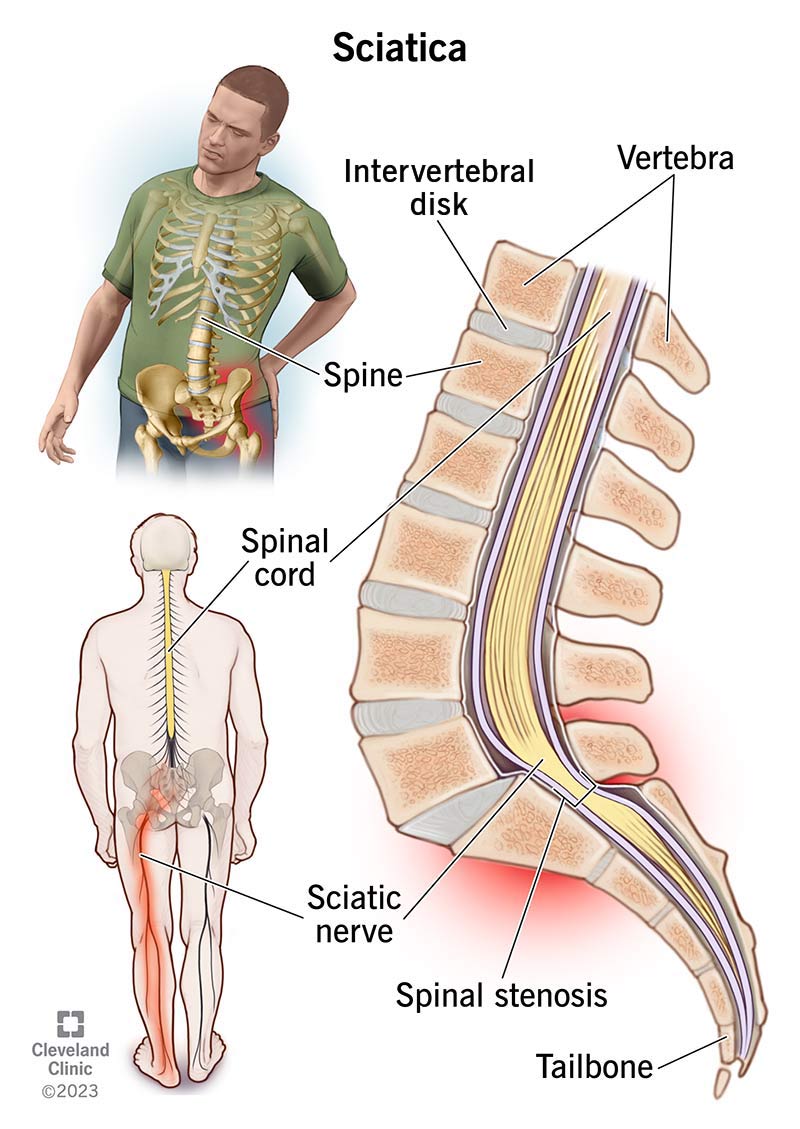
Having a proper understanding of the risk factors and precautions for sciatica is essential for maintaining a healthy lifestyle. Sciatica, characterized by sharp pain that radiates along the sciatic nerve, can significantly impact one’s daily activities. By identifying the risk factors, which include age, obesity, and a sedentary lifestyle, individuals can take necessary precautions to prevent or manage this condition. This article aims to provide valuable information on the risk factors associated with sciatica and the precautions one can take to alleviate its symptoms and maintain overall well-being.

Risk Factors for Sciatica
Age
One of the primary risk factors for developing sciatica is age. As you get older, the discs in your spine naturally begin to degenerate and lose their cushioning ability. This degeneration can lead to conditions such as herniated discs or spinal stenosis, which can compress the sciatic nerve and cause pain and discomfort.
Occupation
Your occupation can also play a role in your risk for sciatica. Jobs that involve long periods of sitting or heavy lifting can put excess strain on the spine and increase the likelihood of developing sciatic nerve pain. If you have a job that requires you to sit for prolonged periods or involves heavy physical labor, it’s important to take precautions to protect your back and reduce the risk of sciatica.
Pregnancy
Pregnancy is a time of incredible physical changes, and unfortunately, it can also increase your risk of developing sciatica. As the baby grows, the extra weight can put pressure on the sciatic nerve, leading to pain and discomfort. Additionally, hormonal changes during pregnancy can cause the ligaments in the pelvic area to loosen, which can also contribute to sciatic nerve compression. If you’re pregnant or planning to become pregnant, it’s important to take steps to prevent and manage sciatica.
Obesity
Carrying excess weight can put added pressure on your spine, increasing the risk of sciatic nerve compression and pain. Obesity is not only a risk factor for developing sciatica but can also make symptoms worse if you already have the condition. Maintaining a healthy weight through proper diet and regular exercise is crucial in reducing your risk of developing or exacerbating sciatica.
Sedentary Lifestyle
Living a sedentary lifestyle with minimal physical activity can weaken the muscles that support your spine. Weak muscles can lead to poor posture and an increased risk of developing sciatic nerve pain. Regular exercise that targets the core and back muscles can not only reduce your risk of developing sciatica but also help alleviate existing symptoms.
Diabetes
Diabetes is a condition that affects your body’s ability to regulate blood sugar levels. It can also contribute to nerve damage, including the sciatic nerve. People with diabetes have an increased risk of developing sciatica, and if they do develop it, they may experience more severe symptoms. Proper management of diabetes through medication, diet, and exercise is crucial in reducing the risk of developing or worsening sciatica.
Smoking
Smoking has a detrimental effect on nearly every system in the body, including the spine. The chemicals in tobacco smoke can cause damage to the spinal discs, reduce blood flow, and impair the body’s ability to heal. Smoking increases the risk of developing sciatica and can also worsen symptoms in those who already have the condition. Quitting smoking is essential for maintaining a healthy back and reducing the risk of sciatic nerve pain.
Previous Injury
If you’ve had a previous injury to your back or spine, such as a herniated disc or a pelvic fracture, you may be more susceptible to developing sciatica. Scar tissue from previous injuries can put pressure on the sciatic nerve, causing pain and discomfort. It’s important to seek proper medical treatment for any back injuries and take steps to prevent further damage to reduce the risk of developing or exacerbating sciatica.
Genetics
While there is no specific “sciatica gene,” some people may have an inherited predisposition to conditions that can lead to sciatic nerve compression, such as degenerative disc disease or spinal stenosis. If you have a family history of these conditions or if your relatives have experienced sciatic nerve pain, you may have a higher risk of developing sciatica. Understanding your genetic predispositions can help you take proactive measures to prevent or manage sciatica effectively.
Mental Health Issues
It may come as a surprise, but mental health issues can also contribute to the development or worsening of sciatic nerve pain. Conditions like depression and anxiety can lead to increased muscle tension and poor posture, increasing the risk of nerve compression and sciatic pain. Additionally, chronic pain can have a profound impact on mental health, causing emotional distress and exacerbating symptoms. Seeking appropriate treatment and adopting strategies to manage mental health can significantly improve sciatica symptoms.
Precautions for Sciatica
Maintain a Healthy Weight
As mentioned earlier, obesity can increase the risk of developing sciatica and make symptoms worse. To reduce your risk or alleviate existing symptoms, maintaining a healthy weight is essential. A well-balanced diet, rich in fruits, vegetables, lean proteins, and whole grains, combined with regular exercise, can help you achieve and maintain a healthy weight.
Exercise Regularly
Regular exercise is crucial in preventing and managing sciatica. Strengthening the core and back muscles can provide support to the spine and reduce the risk of nerve compression. Low-impact exercises such as walking, swimming, and yoga can be beneficial for maintaining flexibility and promoting overall spine health.
Improve Posture
Poor posture can put excess stress on the spine and increase the risk of developing sciatic nerve pain. Practicing good posture while sitting, standing, and lifting can help alleviate strain on the spine and reduce the likelihood of nerve compression. Sitting up straight, avoiding slouching, and using ergonomic chairs and equipment can make a significant difference in preventing sciatica.
Use Proper Body Mechanics
Whether you’re lifting heavy objects at work or at home, using proper body mechanics is essential in preventing back injuries and reducing the risk of sciatica. Bend at the knees and lift with your legs, keeping your back straight. Avoid twisting or jerking motions that can strain the spine. Using assistive devices such as back braces or hand trucks when lifting heavy loads can also help protect your back.
Take Frequent Breaks
If your occupation requires prolonged sitting or standing, taking frequent breaks is crucial. Sitting or standing for extended periods can lead to muscle fatigue, poor circulation, and an increased risk of sciatic nerve compression. Incorporating short breaks to stretch, walk, or change positions throughout the day can help alleviate stress on the spine and reduce the risk of developing sciatica.
Wear Supportive Shoes
The shoes you wear can have a significant impact on your spine health. Wearing shoes that provide adequate support and cushioning can help maintain proper alignment and reduce the risk of sciatic nerve compression. Avoid high heels and opt for comfortable, supportive shoes that promote good posture and evenly distribute body weight.
Avoid Prolonged Sitting or Standing
As mentioned earlier, prolonged sitting or standing can increase the risk of developing sciatic nerve pain. If your job requires you to sit for extended periods, make sure to take breaks and stretch regularly. Sit on an ergonomic chair that provides proper support and use lumbar pillows if needed. If you have a job that involves standing for long periods, try to shift your weight and take short sitting breaks whenever possible.
Quit Smoking
As discussed earlier, smoking can have detrimental effects on spine health and increase the risk of sciatica. Quitting smoking is essential in reducing the risk of developing or worsening sciatic nerve pain. You can seek support from healthcare professionals or support groups to help you in your journey towards becoming smoke-free.
Manage Stress
Stress can lead to muscle tension and poor posture, increasing the risk of developing or exacerbating sciatica. Finding healthy ways to manage stress, such as practicing relaxation techniques, exercising, or engaging in hobbies you enjoy, can help reduce muscle tension and alleviate sciatic nerve pain.
Sleep on a Proper Mattress
A good night’s sleep is crucial for overall health, including spine health. Investing in a supportive mattress that promotes proper alignment can significantly reduce the risk of developing or worsening sciatica. Choose a mattress that provides adequate support for your body, especially for the lower back and hips. Avoid mattresses that are too firm or too soft, as they can cause improper spinal alignment and exacerbate sciatic nerve pain.
In conclusion, sciatica can be a painful and debilitating condition, but by understanding the risk factors and taking appropriate precautions, you can reduce your likelihood of developing or worsening sciatic nerve pain. Maintaining a healthy weight, exercising regularly, practicing good posture and body mechanics, taking breaks, wearing supportive shoes, quitting smoking, managing stress, and sleeping on a proper mattress are all essential steps in preventing and managing sciatica. Remember, it’s always important to consult with a healthcare professional for proper diagnosis, treatment, and personalized advice based on your specific circumstances.
