
In this article, you will find valuable information about the risk factors and precautions associated with smallpox. By understanding the factors that increase your risk of contracting this highly contagious and potentially dangerous disease, you can take necessary precautions to protect yourself and your loved ones. Being well-informed about the symptoms and transmission of smallpox can empower you to make informed decisions regarding vaccination and prevention strategies. So, let’s delve into the world of smallpox and equip ourselves with the knowledge to stay safe.
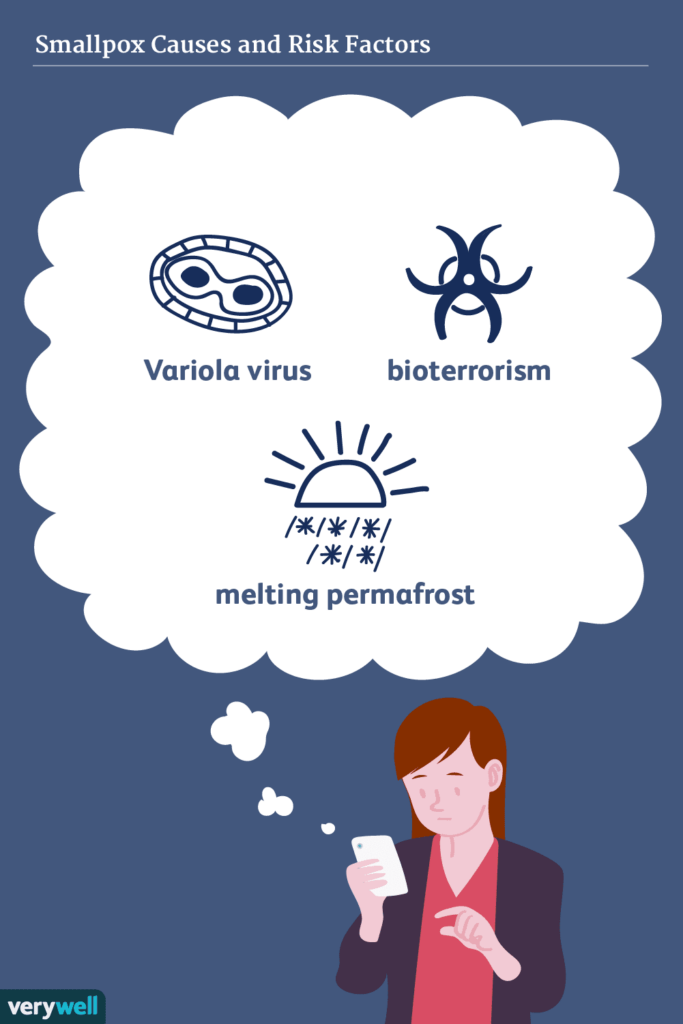
Risk Factors for Smallpox
Vaccination status
Ensuring that you have received the smallpox vaccination is an essential factor in reducing your risk of contracting this highly contagious disease. Vaccination provides immunity against smallpox and plays a crucial role in preventing its spread.
Contact with infected individuals
Close contact with someone infected by smallpox significantly increases your risk of contracting the disease. Smallpox is transmitted through respiratory droplets released when an infected person coughs or sneezes. Therefore, it is important to avoid close contact with individuals who are infected or suspected of having smallpox.
Travel to endemic areas
Traveling to regions where smallpox is prevalent poses a higher risk of exposure to the disease. It is prudent to be aware of the regions that have reported smallpox cases and take necessary precautions to minimize your risk, such as following recommended vaccination guidelines and practicing good hygiene habits.
Immune system health
The status of your immune system plays a vital role in determining your susceptibility to smallpox. People with weakened immune systems, such as those with certain medical conditions or undergoing treatments that suppress immunity, may be more susceptible to contracting the disease. Therefore, maintaining a healthy immune system through proper nutrition, regular exercise, and adequate rest is crucial in reducing your risk.
Age
Children under the age of five and adults over the age of 60 are more vulnerable to smallpox due to their weaker immune systems. Additionally, infants are unable to receive the smallpox vaccine until they reach a certain age. It is important to take extra precautions when caring for young children and elderly individuals to protect them from potential exposure.
Pregnancy
Pregnant women face an increased risk of complications if they contract smallpox. The disease may not only harm the mother but also potentially lead to adverse outcomes for the fetus. It is advisable for pregnant women to avoid high-risk situations and follow all recommended precautionary measures to safeguard their health and the health of their unborn child.
Occupational exposure
Certain occupations, such as healthcare workers and laboratory personnel, may have a higher risk of occupational exposure to smallpox. Direct contact with infected individuals or handling of samples containing the smallpox virus increases the likelihood of transmission. Strict adherence to infection control protocols, proper use of personal protective equipment, and following vaccination guidelines are essential to minimize the risk for these professionals.
Crowded living conditions
Living in densely populated areas or crowded living conditions increases the risk of smallpox transmission. The disease spreads easily in crowded settings, where close contact with infected individuals can occur frequently. It is important to maintain personal hygiene, practice respiratory etiquette, and avoid overcrowded places to minimize your risk of exposure.
Poor sanitation
In areas with poor sanitation, the risk of transmitting smallpox is significantly higher. Lack of clean water, improper waste management, and inadequate hygiene practices contribute to the spread of the disease. Access to clean water, proper sanitation facilities, and regular handwashing are crucial in reducing the risk of smallpox transmission in such environments.
Malnutrition
Malnourished individuals, especially those with vitamin A deficiency, are at a higher risk of severe smallpox infection and complications. Adequate nutrition is vital for maintaining a strong immune system that can effectively fight off the smallpox virus. Ensuring a balanced diet and addressing any nutritional deficiencies can help reduce the risk and severity of smallpox infection.
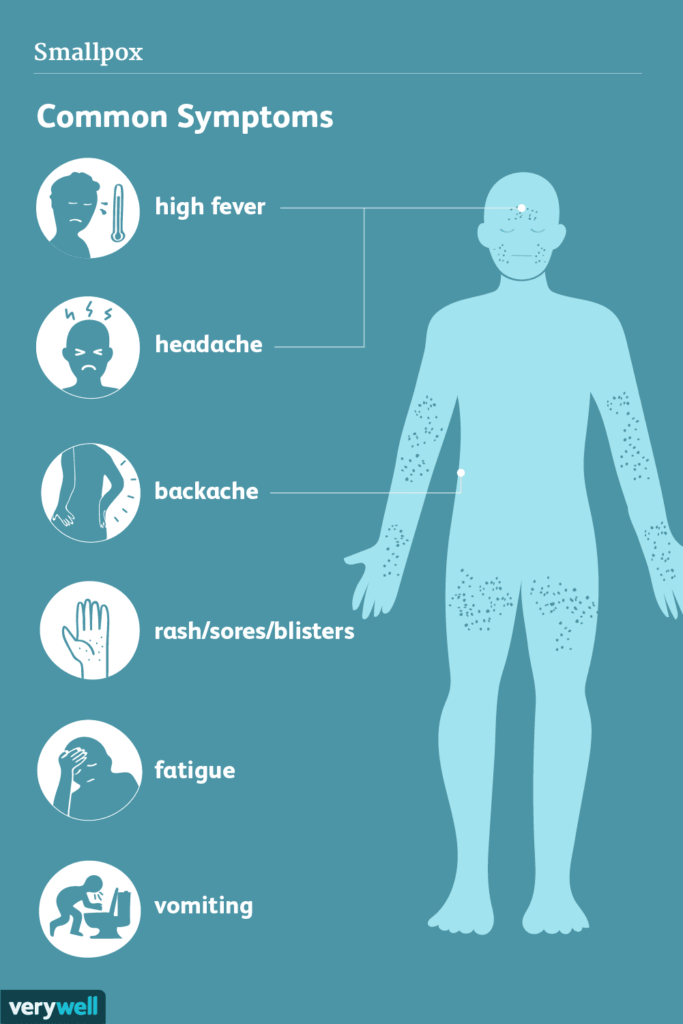
Precautions for Smallpox
Vaccination
The most effective precautionary measure against smallpox is receiving the smallpox vaccine. This vaccine provides immunity against the disease and significantly reduces the risk of transmission. It is important to ensure that you and your family members are up to date with the recommended smallpox vaccination schedule to protect yourselves and contribute to the overall containment of the disease.
Avoiding contact with infected individuals
To minimize the risk of smallpox transmission, it is crucial to avoid close contact with individuals who are infected or suspected of having smallpox. Maintaining a safe distance and implementing respiratory hygiene practices, such as covering your mouth and nose with a tissue or your elbow when coughing or sneezing, can help prevent the spread of the virus.
Travel precautions
If you plan to travel to regions where smallpox is prevalent, it is important to take certain precautions to minimize your risk of exposure. Stay informed about the smallpox situation in your destination and follow all travel advisories and guidelines provided by health authorities. Additionally, consider enhancing your personal protection measures, such as practicing good hand hygiene and avoiding crowded places.
Immunosuppressive medications
If you are taking immunosuppressive medications, it is essential to consult with your healthcare provider regarding the potential impact on your immune response to smallpox. Some medications may weaken your immune system and increase your susceptibility to the virus. Your healthcare provider may recommend additional precautionary measures or adjustments to your treatment plan to minimize the risk.
Protective clothing
In high-risk situations, such as when caring for smallpox patients or working in laboratories handling the virus, wearing appropriate protective clothing is crucial. Personal protective equipment, including gloves, masks, gowns, and goggles, should be used to prevent direct contact with infected material and reduce the risk of transmission. Proper training on the correct use and disposal of protective gear is essential to ensure its effectiveness.
Quarantine measures
Quarantine measures play a critical role in controlling the spread of smallpox. Isolating individuals suspected or confirmed to have smallpox in designated facilities helps contain the disease and prevents further transmission. In the event of an outbreak, it is important to cooperate with health authorities and follow any quarantine directives issued.
Isolation of infected individuals
Isolating infected individuals is an essential precautionary measure to prevent the spread of smallpox. Infected individuals should be placed in isolation facilities where appropriate infection control measures can be implemented to minimize the risk of transmission. This helps protect both the patient and those who may come into contact with them.
Sanitation measures
Maintaining good sanitation practices is crucial in preventing the spread of smallpox. Regular handwashing with soap and water, particularly after contact with potentially contaminated surfaces, can significantly reduce the risk of transmitting the virus. Additionally, proper disposal of waste, thorough cleaning of contaminated surfaces, and ensuring access to clean water support overall hygiene practices that contribute to disease prevention.
Nutrition and hydration
Maintaining a balanced diet and proper hydration is vital for overall health and immunity, including protection against smallpox. Adequate nutrition supports a robust immune system that can effectively fight off infections. Ensure your diet includes a variety of fruits, vegetables, whole grains, and protein sources. Drinking enough water and staying properly hydrated also contributes to the overall well-being of your body’s defense mechanisms.
Health promotion measures
Promoting general health and well-being should not be overlooked as a precautionary measure against smallpox. Regular exercise, sufficient rest, stress management, and avoiding tobacco and excessive alcohol consumption can enhance your immune system’s ability to combat infections. Consult with your healthcare provider for personalized advice on maintaining a healthy lifestyle that supports your body’s natural defenses.
