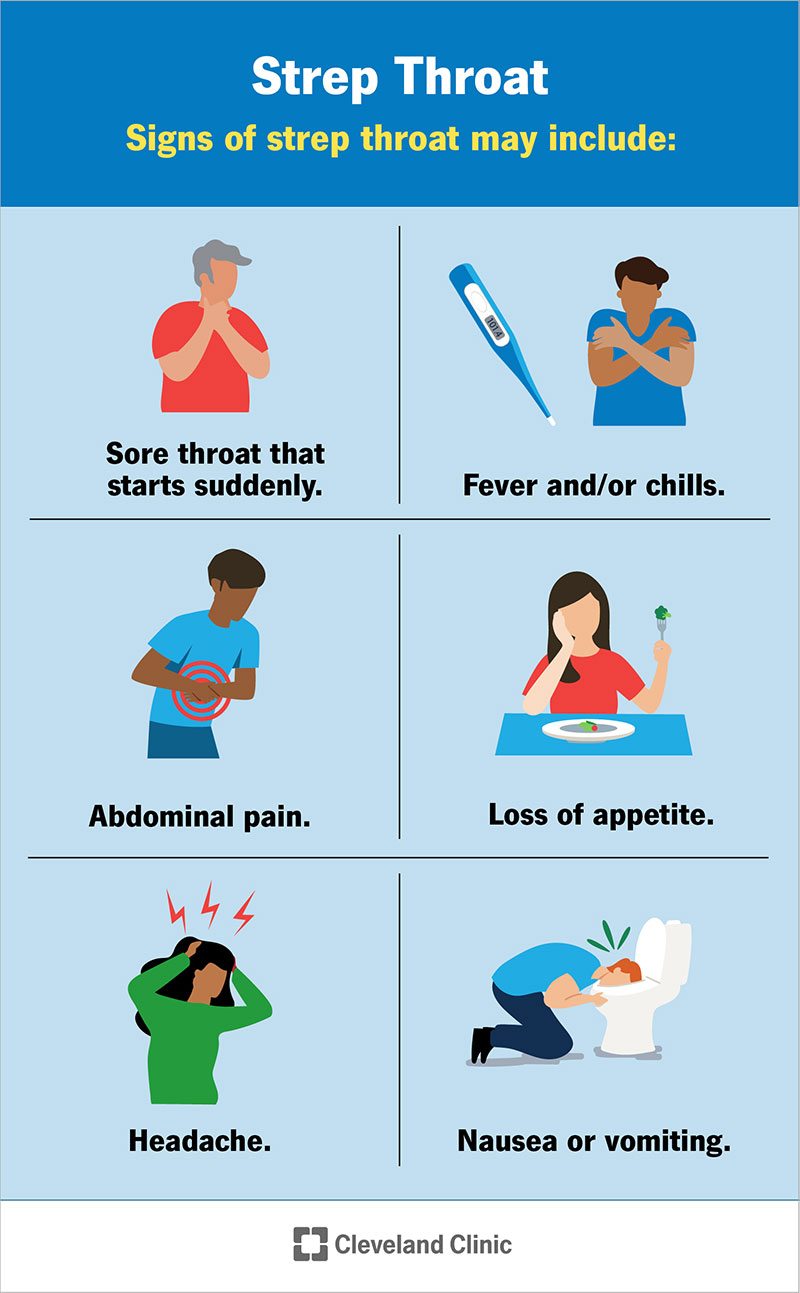
Strep throat, a contagious bacterial infection that affects the throat and tonsils, can be a real discomfort. In this article, we will explore the various risk factors that can make you more susceptible to this condition, as well as the precautions you can take to prevent its spread. So, buckle up and get ready to learn how to protect yourself and your loved ones from the pesky bacteria lurking around!

Risk Factors for Strep Throat
Strep throat is a common bacterial infection that primarily affects the throat and tonsils. While anyone can contract strep throat, certain risk factors increase the likelihood of developing the condition. By understanding these risk factors, you can take necessary precautions to protect yourself and reduce the chances of getting strep throat.
Age
One significant risk factor for strep throat is age. Children between the ages of 5 and 15 are more susceptible to this infection compared to other age groups. This is because their immune system is still developing, making it easier for the bacteria responsible for strep throat, known as Streptococcus pyogenes, to invade their system. However, adults can also contract strep throat, typically due to close contact with infected individuals.
Close Contact
Close contact with an infected person is one of the primary ways strep throat spreads. The bacteria responsible for this infection can spread through respiratory droplets expelled by coughing, sneezing, or even talking. Therefore, individuals who are in close proximity to someone with strep throat are at an increased risk of contracting the infection themselves. This is particularly true for household members, schoolmates, or colleagues who spend a significant amount of time with the infected person.
Weakened Immune System
Having a weakened immune system can increase your vulnerability to strep throat. Conditions such as HIV/AIDS, cancer, diabetes, or undergoing treatments like chemotherapy or radiation therapy can compromise your immune system, making it harder for your body to fight off infections. If you have a weakened immune system, it is crucial to take extra precautions to prevent contracting strep throat.
Poor Hygiene
Maintaining good hygiene practices is essential in preventing the spread of strep throat. Poor hygiene, such as not washing hands frequently, can contribute to the transmission of the infection. Touching contaminated surfaces or objects and then touching your mouth, nose, or eyes can introduce the bacteria into your system. By practicing proper hand hygiene, you reduce the risk of contracting strep throat and other similar infections.
Living or Working in Crowded Places
Living or working in crowded places increases your risk of developing strep throat. Close proximity to a large number of people exposes you to an increased number of potential carriers of the bacteria. Places like schools, daycare centers, hospitals, and offices where people gather closely together provide an environment conducive to the spread of strep throat. Taking precautions within these settings can help minimize the chances of transmission.
Tobacco Use
Smoking tobacco can weaken your immune system, making you more susceptible to infections such as strep throat. The chemicals in tobacco smoke irritate the respiratory system, making it harder for your body to defend against bacteria and viruses effectively. If you are a smoker, quitting can not only reduce the risk of developing strep throat but also improve your overall health and well-being.
Seasonal Factors
Strep throat is more common during certain seasons, particularly in late fall and early spring. While strep throat can occur at any time during the year, the risk tends to increase during these periods. This may be due to factors such as changes in temperature and humidity, which create a more conducive environment for the bacteria to thrive. Taking precautions during these seasons can help reduce your chances of getting strep throat.
Resistance to Antibiotics
Overuse and misuse of antibiotics have led to the development of antibiotic resistance, making it harder to treat strep throat. Some strains of Streptococcus pyogenes have become resistant to commonly used antibiotics, making it crucial to use antibiotics judiciously and as prescribed by a healthcare professional. Additionally, completing the full course of antibiotics as prescribed is essential to ensure complete eradication of the bacteria from your system.
Previous Infection
Having had strep throat in the past increases the likelihood of getting it again. Some individuals may become carriers of the bacteria even after recovering from the infection, with the bacteria residing in their throat without causing symptoms. These carriers can unknowingly transmit the bacteria to others, increasing the risk of strep throat outbreaks within a community or household. Being cautious and taking necessary precautions can help prevent recurrent infections.
Sociodemographic Factors
Certain sociodemographic factors can influence the risk of developing strep throat. Individuals from low-income communities or crowded living conditions may be at a higher risk due to limited access to healthcare and poorer overall hygiene practices. Additionally, individuals who are in close contact with large groups of people, such as teachers or healthcare workers, may also face an increased risk. Recognizing these factors can help target preventive measures in vulnerable populations.
Precautions to Prevent Strep Throat
While it may not be possible to completely eliminate the risk of contracting strep throat, there are several precautions you can take to minimize your chances of getting the infection. By implementing these preventive measures in your daily life, you can protect yourself and those around you from strep throat.
Maintain Good Hygiene Practices
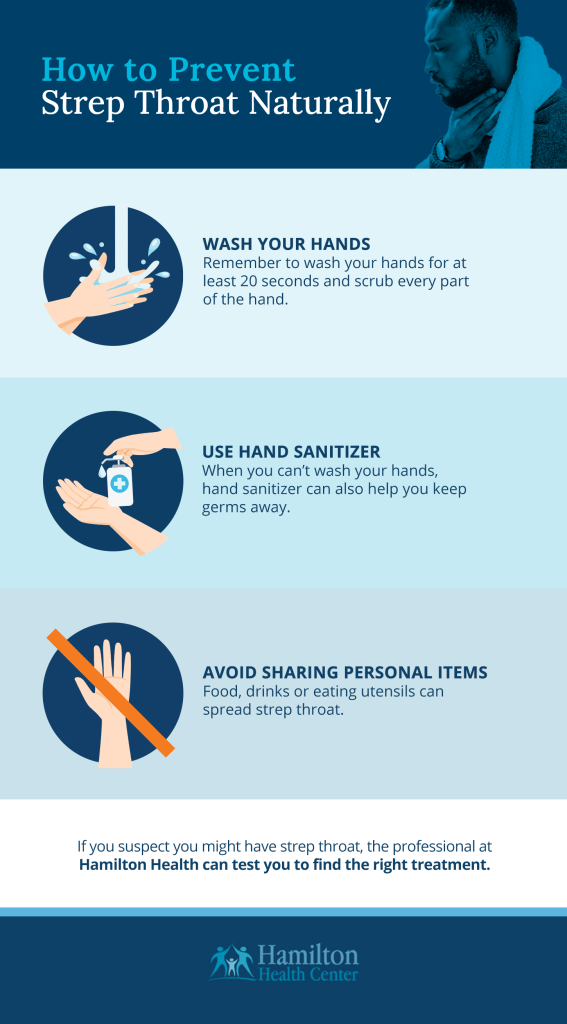
One of the most important precautions to prevent strep throat is to maintain good hygiene practices. This includes washing your hands frequently with soap and water for at least 20 seconds, especially after using the restroom, before preparing or eating food, and after coughing, sneezing, or blowing your nose. Avoid touching your face, particularly your mouth, nose, and eyes, as this can introduce the bacteria into your system.
Avoid Close Contact with Infected Individuals
To minimize the risk of contracting strep throat, it is essential to avoid close contact with individuals who are known or suspected to have the infection. This includes maintaining a safe distance and avoiding physical contact like hugging or shaking hands, especially if the person is exhibiting symptoms such as coughing or sneezing. If you live with someone who has strep throat, it may be necessary to take additional precautions to prevent transmission within the household.
Cover Mouth and Nose When Sneezing or Coughing
Proper respiratory etiquette is crucial in preventing the spread of strep throat. When you cough or sneeze, make sure to cover your mouth and nose with a tissue or your elbow rather than your hands. This helps to prevent respiratory droplets containing the bacteria from becoming airborne or contaminating surfaces. Dispose of used tissues properly and wash your hands afterward to reduce the risk of transmission.
Avoid Sharing Personal Items
Sharing personal items, such as utensils, drinking glasses, or toothbrushes, can facilitate the transmission of strep throat. Avoid sharing these items with others, especially if they are known to have strep throat or symptoms of a throat infection. Additionally, if you have strep throat, it is essential to use separate items and ensure proper sanitation to prevent spreading the bacteria to others.
Clean and Disinfect Frequently Touched Surfaces
Strep throat-causing bacteria can survive on surfaces for a significant period, increasing the risk of transmission. Regularly clean and disinfect frequently touched surfaces, such as doorknobs, light switches, countertops, and electronic devices, using appropriate disinfectants. This helps to eliminate any bacteria present and reduces the risk of infection.
Stay Home When You’re Sick
If you are experiencing symptoms of strep throat, it is essential to stay home and avoid close contact with others. By doing so, you prevent the spread of bacteria to those around you. This is particularly important if you have been diagnosed with strep throat or are awaiting test results. Resting and taking proper care of yourself also aids in a faster recovery.
Avoid Crowded Places
During periods of strep throat outbreaks or when you are at a higher risk, it may be wise to avoid crowded places. These settings provide an increased opportunity for close contact and the spread of bacteria. Being mindful of your surroundings and taking steps to avoid overcrowded spaces can help reduce the likelihood of coming into contact with the strep throat bacteria.
Quit Smoking
As mentioned earlier, tobacco use weakens the immune system and increases the risk of infections, including strep throat. If you are a smoker, quitting is strongly advised to protect your health and reduce your vulnerability to strep throat. Quitting smoking not only lowers your risk of contracting strep throat but also offers numerous other health benefits. Seek assistance from healthcare professionals or support groups if you need help with smoking cessation.
Improve Immune System
Maintaining a healthy lifestyle and taking steps to improve your immune system can help reduce the risk of strep throat. This includes eating a balanced diet rich in fruits, vegetables, and whole grains, regular exercise, managing stress, and getting adequate sleep. A strong immune system is better equipped to fight off infections, including strep throat.
Vaccination
While there is currently no vaccine specifically targeting strep throat, certain vaccines can indirectly help prevent complications related to strep throat. For instance, the flu vaccine protects against influenza, which can have similar symptoms to strep throat. By getting vaccinated against influenza and other preventable diseases, you can lower the chances of developing complications that may require medical intervention.
In conclusion, understanding the risk factors for strep throat and taking appropriate precautions can help minimize the chances of contracting this bacterial infection. By maintaining good hygiene practices, avoiding close contact with infected individuals, and implementing preventive measures, you can safeguard yourself and those around you. It is important to remember that prevention is always the best approach when it comes to infectious diseases like strep throat.