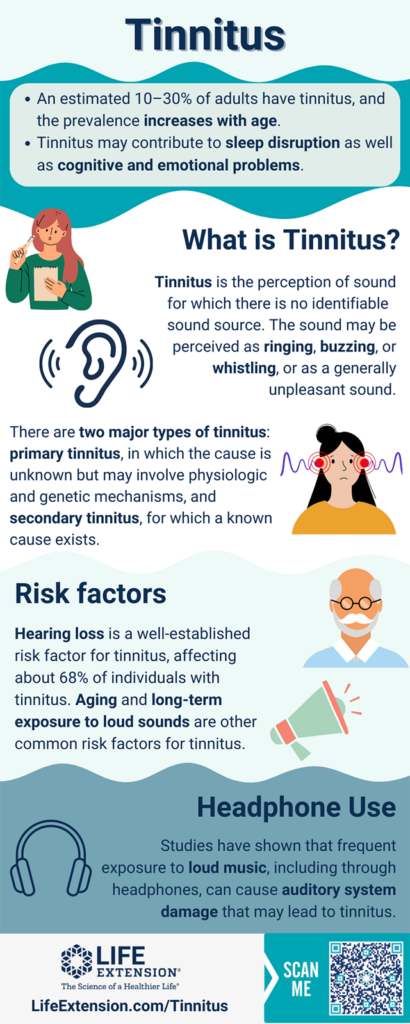
Have you ever experienced a persistent ringing or buzzing noise in your ears that you just can’t seem to escape? If so, you may be familiar with tinnitus, a condition that affects millions of people worldwide. In this article, we will explore the risk factors associated with tinnitus and provide some essential precautions to help you find relief from this bothersome condition. So, let’s dive into understanding tinnitus and discover the steps you can take to mitigate its effects.
Risk Factors
Age
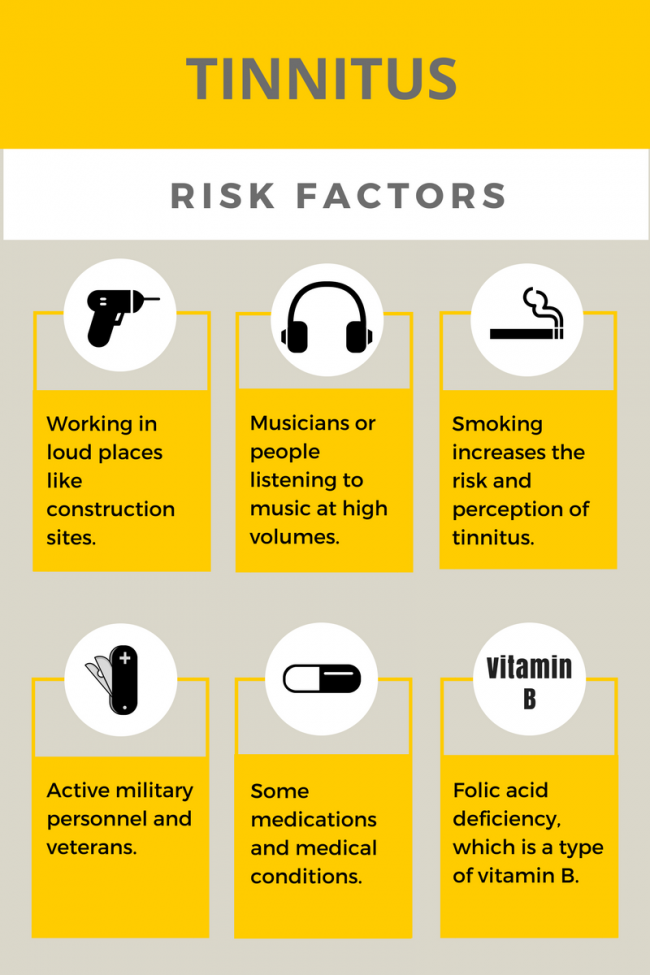
Age is a significant risk factor for developing tinnitus. As you get older, the chances of experiencing age-related hearing loss increase. Age-related hearing loss, also known as presbycusis, affects the inner ear and can lead to the development of tinnitus. The structures within the ear may deteriorate over time, resulting in difficulty hearing and a higher risk of tinnitus.
Gender
Gender also plays a role in tinnitus prevalence. Studies have shown that males are more likely to experience tinnitus compared to females. While the reasons for this difference are not fully understood, hormonal factors may contribute to the disparity. Hormonal changes in males could potentially make them more susceptible to tinnitus.
Hearing Loss
Hearing loss and tinnitus often go hand in hand. In fact, there is a strong link between the two conditions. Individuals who already have hearing loss are at an increased risk of developing tinnitus. The cochlea, a spiral-shaped structure in the inner ear responsible for hearing, may become damaged or lose its function, leading to both hearing loss and tinnitus.
Exposure to Loud Noise
Exposure to loud noise is a common cause of tinnitus. Whether it be from occupational noise or recreational activities, excessive noise can damage the delicate structures within the ear. This damage can result in auditory problems like tinnitus. It is important to take preventive measures, such as wearing ear protection or limiting exposure to loud noise, to reduce the risk of developing tinnitus.
Earwax Blockage
Earwax, also known as cerumen, is a natural substance produced by the ear to protect and clean the ear canal. However, an excessive buildup of earwax can lead to tinnitus. The blockage can cause pressure in the ear and affect the transmission of sound, resulting in the perception of tinnitus. Preventing earwax buildup through regular cleaning and avoiding the use of cotton swabs can help reduce the risk of developing tinnitus.
Certain Medications
Some medications have been linked to tinnitus as a potential side effect. These medications are known as ototoxic drugs and can include certain antibiotics, diuretics, and chemotherapy drugs. It is important to consult with healthcare providers when taking medication and discuss the potential risks and side effects, including the impact on hearing and the development of tinnitus.
Cardiovascular Conditions
There is a connection between tinnitus and cardiovascular conditions. Research has shown that certain cardiovascular disorders, such as hypertension and atherosclerosis (hardening of the arteries), can increase the risk of developing tinnitus. These conditions affect blood flow, and poor blood circulation to the structures involved in hearing can lead to the development of tinnitus. Managing cardiovascular health is crucial in reducing the risk of tinnitus.
Smoking and Alcohol Consumption
Smoking and excessive alcohol consumption can also contribute to the development of tinnitus. Smoking has been linked to an increased risk of tinnitus due to the harmful effects of nicotine and other chemicals on blood flow. Alcohol consumption, particularly in large quantities, can also worsen tinnitus symptoms. It is advised to moderate alcohol intake and consider quitting smoking to reduce the risk of tinnitus.
Stress and Anxiety
Stress and anxiety can have a significant impact on tinnitus. The relationship between these factors and tinnitus can be complex, as stress and anxiety can both contribute to the development of tinnitus and be exacerbated by the presence of tinnitus. Stress management techniques, such as relaxation exercises and therapy, can help alleviate tinnitus symptoms and reduce the emotional burden associated with the condition.
Head and Neck Injuries
Head and neck injuries can increase the risk of developing tinnitus. Trauma to the head, such as concussions or skull fractures, can damage the auditory system and lead to tinnitus. Similarly, injuries to the neck and the temporomandibular joint (TMJ) can cause tinnitus symptoms. Taking precautions to prevent head and neck injuries, such as wearing protective gear during physical activities, is essential in reducing the risk of developing tinnitus.

Conclusion
Understanding the risk factors associated with tinnitus is crucial for prevention and management. Age, gender, hearing loss, exposure to loud noise, earwax blockage, certain medications, cardiovascular conditions, smoking and alcohol consumption, stress and anxiety, as well as head and neck injuries, all play a role in the development of tinnitus. By taking preventive measures and prioritizing overall health, you can minimize the risk of tinnitus and its impact on your daily life. Remember to consult with healthcare professionals for personalized advice and guidance on managing and reducing the risk of tinnitus.