Thyroid disorders, such as hypothyroidism and hyperthyroidism, are more common than you might think. Whether you’re already familiar with these conditions or have just heard the term, it’s important to understand the risk factors and precautions involved. By identifying potential triggers like family history, stress, and certain medications, you can take proactive steps towards protecting your thyroid health. In this article, we will discuss the various risk factors associated with thyroid disorders and offer practical tips to keep your thyroid functioning optimally.
Risk Factors for Thyroid Disorders
Thyroid disorders are conditions that affect the normal functioning of the thyroid gland, a small, butterfly-shaped gland located at the base of the neck. While the exact cause of thyroid disorders is often unknown, there are several risk factors that can increase your likelihood of developing these conditions. Understanding these risk factors is crucial in managing and preventing thyroid disorders.
Genetics
Genetics play a significant role in the development of thyroid disorders. If you have a family history of thyroid problems, such as hyperthyroidism or hypothyroidism, you may be at a higher risk of developing these conditions yourself. Certain genetic mutations can also lead to an increased risk of thyroid cancer. Therefore, it is important to be aware of your family’s medical history and inform your healthcare provider to monitor your thyroid health closely.
Gender
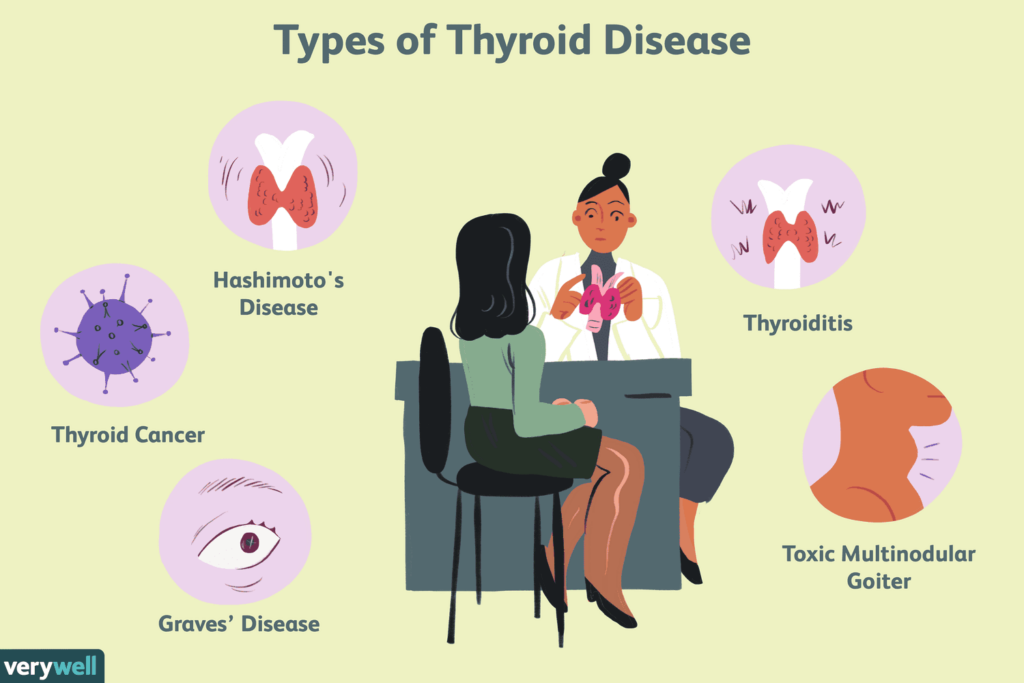
Thyroid disorders are more common in women than in men. Women are more likely to develop thyroid conditions, particularly hypothyroidism and autoimmune thyroid diseases such as Hashimoto’s thyroiditis and Graves’ disease. Hormonal changes during puberty, pregnancy, and menopause contribute to the higher risk in women. It is important for women to be proactive in monitoring their thyroid health and discussing any concerns with their healthcare provider.
Age
Age is another risk factor for thyroid disorders. While these conditions can occur at any age, they are more frequently diagnosed in middle-aged and older individuals. As individuals age, the risk of developing thyroid nodules or goiters increases. It is essential for older individuals to be vigilant about their thyroid health and undergo regular screenings to detect any abnormalities early on.
Autoimmune Diseases
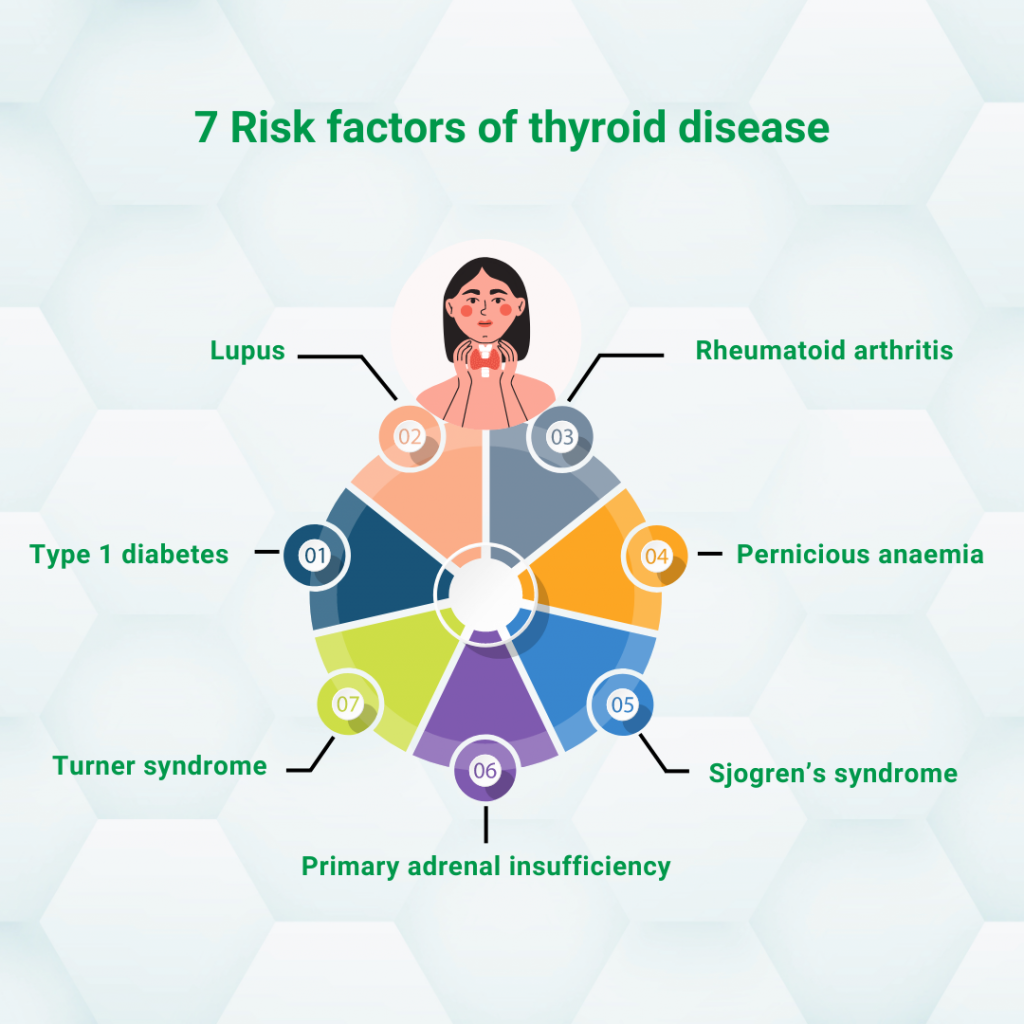
Autoimmune diseases, such as rheumatoid arthritis, Type 1 diabetes, and lupus, can significantly increase the risk of developing thyroid disorders. The immune system mistakenly targets the thyroid gland, leading to inflammation and dysfunction. Autoimmune thyroid diseases, like Hashimoto’s thyroiditis and Graves’ disease, are characterized by the malfunction of the immune system and can result in either an underactive or overactive thyroid gland. If you have an autoimmune disease, it is important to work closely with your healthcare provider to manage your overall health, including your thyroid function.
Radiation Exposure
Exposure to ionizing radiation, particularly during childhood, is a known risk factor for thyroid disorders. Radiation therapy for certain cancers, such as Hodgkin’s disease, can also increase the risk. The thyroid gland is highly susceptible to radiation damage, and exposure can lead to an increased risk of both benign and malignant thyroid conditions. If you have a history of radiation exposure, it is crucial to inform your healthcare provider so they can monitor your thyroid function through regular screenings.
Iodine Deficiency
Iodine is a crucial nutrient for proper thyroid function. An inadequate intake of iodine can lead to thyroid disorders, particularly hypothyroidism and goiter. The thyroid gland requires iodine to produce thyroid hormones, which regulate various bodily functions. It is important to consume iodine-rich foods, such as seafood, dairy products, and iodized salt, to ensure sufficient iodine intake. However, it is equally important to avoid excessive iodine intake, as it can also disrupt thyroid function.
Certain Medications
Some medications can interfere with thyroid function and increase the risk of thyroid disorders. Lithium, a commonly used medication for bipolar disorder, has been linked to the development of hypothyroidism. Medications containing amiodarone, which is used to treat heart rhythm disturbances, can contribute to both hypo- and hyperthyroidism. If you are taking any medications, it is crucial to discuss potential side effects on thyroid function with your healthcare provider.
Pregnancy
Pregnancy is a unique risk factor for thyroid disorders. Hormonal changes during pregnancy can lead to temporary thyroid dysfunction, known as gestational thyroid disorders. These conditions can include either an overactive thyroid (hyperthyroidism) or an underactive thyroid (hypothyroidism). Gestational thyroid disorders can have adverse effects on both the mother and the developing baby, so thyroid function during pregnancy should be closely monitored by healthcare providers. Additionally, women with a history of thyroid disorders or autoimmune conditions should inform their healthcare providers when planning a pregnancy.
Stress
Chronic stress can impact various aspects of your health, including your thyroid function. Stress can disrupt the delicate balance of hormones in the body, leading to imbalances in thyroid hormones. It can also exacerbate existing thyroid disorders, such as autoimmune thyroid diseases. Therefore, managing stress levels through relaxation techniques, exercise, and adopting a healthy lifestyle is crucial for maintaining optimal thyroid health.
Smoking
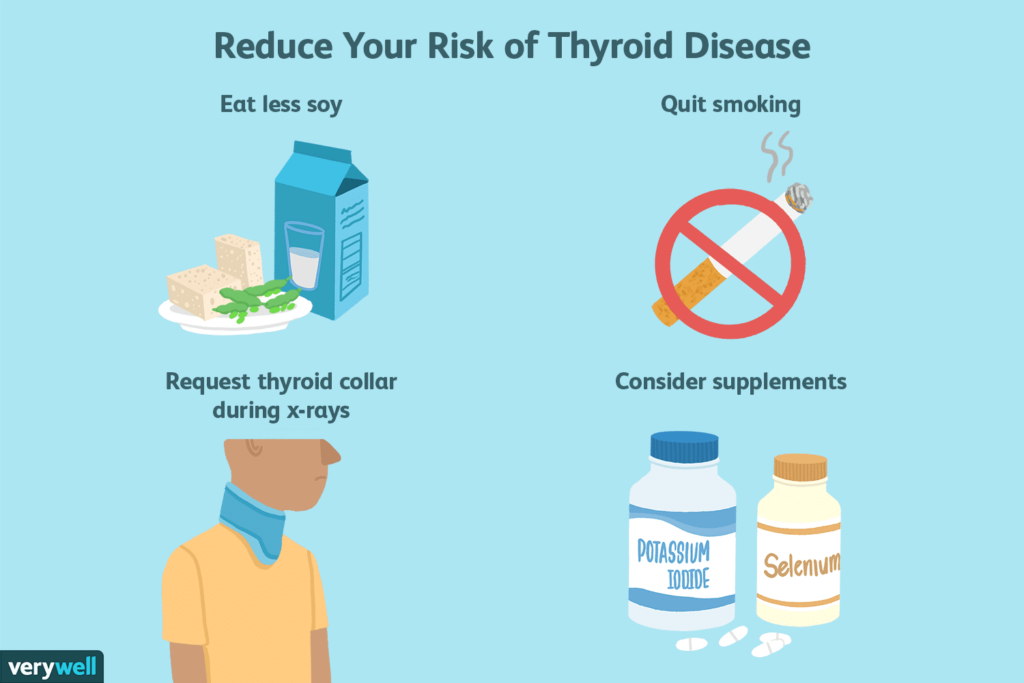
Smoking cigarettes has been linked to an increased risk of developing thyroid disorders, particularly thyroid cancer. The harmful chemicals in cigarettes can damage thyroid cells and disrupt normal thyroid function. Moreover, smoking can worsen existing thyroid conditions and decrease the effectiveness of thyroid medications. Quitting smoking is not only beneficial for overall health but also for reducing the risk of thyroid disorders.
Prevention and Precautions for Thyroid Disorders
While some risk factors for thyroid disorders cannot be controlled, there are several precautions you can take to minimize your risk and maintain optimal thyroid health.
Regular Thyroid Screening
Regular thyroid screening is crucial in detecting thyroid disorders early on. This typically involves a blood test to measure the levels of thyroid hormones (TSH, T3, T4) and assess thyroid function. Screening is particularly important if you have a family history of thyroid disorders or other risk factors. By detecting any abnormalities early, healthcare providers can initiate appropriate treatment and prevent further complications.
Maintain a Balanced Diet
A balanced diet plays a vital role in maintaining thyroid health. Include foods rich in iodine, such as seafood, dairy products, and iodized salt, in your diet. Selenium, found in Brazil nuts, fish, and eggs, is also essential for optimal thyroid function. Additionally, a diet rich in fruits, vegetables, whole grains, and lean proteins can provide the necessary nutrients for overall health.
Monitor Iodine Intake
While iodine is essential for thyroid health, excess or inadequate iodine intake can disrupt thyroid function. It is important to monitor your iodine intake and ensure it falls within the recommended range. Excessive iodine intake can cause hyperthyroidism, while iodine deficiency can lead to hypothyroidism and goiter. If you have concerns about your iodine intake, consult with your healthcare provider or a registered dietitian to determine the appropriate levels for you.
Avoid Radiation Exposure
Whenever possible, avoid unnecessary exposure to ionizing radiation. If you require medical procedures involving radiation, discuss the potential risks with your healthcare provider and take necessary precautions to protect your thyroid gland. For example, when undergoing dental X-rays or CT scans, request a thyroid collar to shield the thyroid area from radiation. Awareness of potential radiation sources and taking appropriate protective measures can significantly reduce the risk of thyroid disorders.
Manage Stress Levels
Chronic stress can have detrimental effects on overall health, including thyroid function. To manage stress, incorporate relaxation techniques into your daily routine, such as deep breathing exercises, meditation, or yoga. Regular exercise, adequate sleep, and engaging in hobbies or activities you enjoy are also effective in reducing stress levels. By managing stress, you can help maintain optimal thyroid function and overall well-being.
Quit Smoking
Smoking has numerous negative effects on health, including an increased risk of thyroid disorders. If you smoke, quitting is one of the best things you can do for your thyroid health. Seek support from healthcare professionals, join smoking cessation programs, or reach out to support groups to increase your chances of successfully quitting. Your overall health, including your thyroid function, will greatly benefit from quitting smoking.
Take Medications as Prescribed
If you have been prescribed medications for a thyroid disorder or any other condition, it is essential to take them as prescribed by your healthcare provider. Consistent adherence to medication regimens is crucial in managing thyroid disorders effectively. Remember to discuss any concerns or potential side effects with your healthcare provider to ensure the best possible treatment outcomes.
Pregnancy Care
Thorough prenatal care is crucial for maintaining optimal thyroid function during pregnancy. Inform your healthcare provider about any pre-existing thyroid disorders or autoimmune conditions before planning a pregnancy. Regular thyroid function tests will be performed throughout pregnancy to monitor for gestational thyroid disorders. Timely detection and management of any abnormalities are essential for the well-being of both the mother and the baby.
Awareness of Symptoms
Being aware of the symptoms of thyroid disorders is important for early detection and prompt medical intervention. Symptoms of thyroid disorders can vary depending on the type and severity of the condition but may include fatigue, weight changes, hair loss, mood swings, and irregular menstrual cycles. If you experience any persistent or concerning symptoms, consult with your healthcare provider for a thorough evaluation.
Regular Exercise
Engaging in regular physical activity is beneficial for overall health, including thyroid function. Exercise helps maintain a healthy body weight, reduces stress levels, and improves overall well-being. Aim for at least 150 minutes of moderate-intensity aerobic activity, such as brisk walking or cycling, each week. Always consult with your healthcare provider before starting a new exercise program, particularly if you have pre-existing thyroid conditions.
By understanding the risk factors associated with thyroid disorders and taking appropriate precautions, you can minimize your risk and maintain optimal thyroid health. Regular screenings, a balanced diet, stress management, and healthy lifestyle choices are key in preventing and managing thyroid disorders effectively. Remember to consult with your healthcare provider for personalized guidance and recommendations based on your specific circumstances. Your proactive approach to thyroid health will benefit you in the long run, ensuring your overall well-being and quality of life.