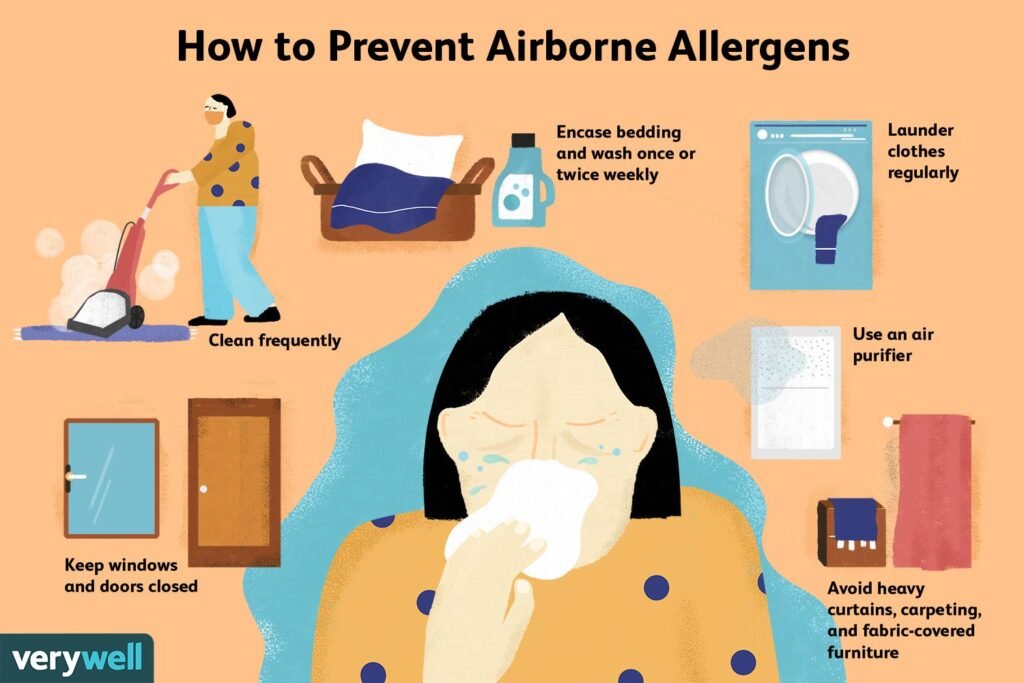
Seasonal allergies can pose quite a nuisance, interrupting your daily routine with their bothersome symptoms. In this article, we will explore the risk factors associated with seasonal allergies and discuss the precautions you can take to keep them at bay. By understanding these factors and implementing effective strategies, you will be better equipped to enjoy the changing seasons without the discomfort and frustration that allergies often bring. So, let’s uncover the key risk factors and discover how you can protect yourself from seasonal allergies.

Risk Factors for Seasonal Allergies
Seasonal allergies, also known as hay fever or allergic rhinitis, can be a bothersome condition that affects many individuals. If you find yourself experiencing symptoms such as sneezing, runny nose, itchy eyes, or congestion during certain times of the year, you may be wondering what the risk factors are for developing seasonal allergies. While allergies can affect anyone, there are certain factors that can increase your chances of being affected. By understanding these risk factors, you can take necessary precautions and seek appropriate treatment to manage your symptoms effectively.
Family History
One of the most significant risk factors for developing seasonal allergies is having a family history of allergies. If one or both of your parents have a history of allergies, you are more likely to develop them as well. This is due to the genetic predisposition to developing allergic reactions. Inherited allergic traits can make your immune system more sensitive to certain allergens, leading to the development of seasonal allergies.
Environmental Factors
Various environmental factors can contribute to the development of seasonal allergies. Exposure to allergens such as pollens, molds, dust mites, pet dander, and air pollution can trigger allergic reactions in susceptible individuals. Pollens from trees, grasses, and weeds are common triggers for seasonal allergies, with different types of pollens causing symptoms during different times of the year. Molds, which thrive in damp and humid environments, can also trigger allergies when inhaled. Dust mites, microscopic organisms found in house dust, and pet dander can also provoke allergic reactions in some individuals. Additionally, exposure to air pollution, such as vehicle emissions or industrial pollutants, can worsen allergy symptoms.
Age
Age is another factor that can influence the development of seasonal allergies. Allergies can develop at any age, but the timing and severity of symptoms can vary. In childhood, individuals may be more prone to developing allergies as their immune systems are still developing and may be less tolerant to allergens. Allergies can often improve or even disappear with age, but some individuals may experience the onset of allergies in adulthood.
Occupational Exposure
Certain occupations may pose a higher risk for developing seasonal allergies. Individuals who work in environments where they are exposed to high levels of allergens or irritants, such as pollens or chemicals, may be more susceptible to developing allergies. Industries such as agriculture or construction, where exposure to allergenic substances is common, can increase the risk of developing seasonal allergies. It is important for individuals in such occupations to take necessary precautions to minimize exposure and protect themselves from potential allergens.
Gender
Gender can also play a role in the development of seasonal allergies. Studies have shown that males and females may be affected differently when it comes to allergies. In childhood, boys tend to be more likely to develop allergies compared to girls. However, as they enter adulthood, the prevalence of allergies is higher in females. The exact reasons for these gender differences are not fully understood, but hormonal changes and immune system differences may contribute to the varying prevalence of allergies in different genders.
Geographical Location
The geographical location where you live can also influence your risk of developing seasonal allergies. Climate plays a significant role, as allergies are more common in areas with a temperate climate, where plants are more likely to produce pollen. Regional allergens, such as specific types of pollens or molds that are prevalent in certain areas, can also contribute to the development of allergies. If you move to a different geographical location, you may find that your allergy symptoms change or worsen due to exposure to different allergens present in that region.
Smoking
Smoking, whether active or passive, can exacerbate allergy symptoms and increase the risk of developing allergies. Active smoking can irritate the airways and make them more susceptible to allergens, leading to increased allergy symptoms. Passive smoking, also known as secondhand smoke, can have similar effects on the respiratory system, triggering allergies in individuals who are already predisposed. Therefore, it is essential to avoid smoking and minimize exposure to secondhand smoke to reduce the risk of developing or worsening seasonal allergies.
Medical Conditions
Certain medical conditions can make individuals more susceptible to developing seasonal allergies. Individuals with asthma, a chronic inflammatory condition of the airways, are more likely to have allergies as well. Allergies can worsen asthma symptoms and trigger asthma attacks. Eczema, a skin condition characterized by itchy and inflamed patches, is also associated with an increased risk of developing allergies. Sinusitis, an inflammation of the sinuses, and nasal polyps, noncancerous growths in the nasal passages, can also contribute to the development or exacerbation of seasonal allergies. Additionally, individuals with immunodeficiency disorders may have compromised immune systems and be more prone to developing allergies.
Medications
Certain medications can increase the risk of developing allergies or worsen existing allergy symptoms. For example, some pain medications, such as nonsteroidal anti-inflammatory drugs (NSAIDs), can trigger allergic reactions in susceptible individuals. Additionally, certain blood pressure medications, such as beta-blockers, can worsen allergy symptoms. It is essential to consult with your healthcare provider and inform them of any medications you are taking to determine if they may be contributing to your allergies.
Stress
Stress can have an impact on the immune system and make individuals more susceptible to developing allergies. When you are under stress, your body produces more of the stress hormone cortisol, which can suppress the immune system and increase inflammation. This can make you more sensitive to allergens and trigger allergic reactions. Managing stress through techniques such as relaxation exercises, meditation, and engaging in stress-reducing activities can help minimize the risk of developing or worsening seasonal allergies.

Consult with an Allergist
If you suspect that you may be at risk for developing seasonal allergies or are already experiencing symptoms, it is important to consult with an allergist. Allergists are medical professionals who specialize in diagnosing and treating allergies. They can perform allergy testing to determine the specific allergens to which you are allergic. Based on the results, they can create a personalized treatment plan tailored to your needs.
Allergy Testing
Allergy testing involves exposing the skin to small amounts of suspected allergens to determine which substances trigger an allergic reaction. This can be done through skin prick tests or blood tests. Skin prick tests involve placing a small amount of allergen extract on the skin and pricking the skin’s surface to allow the allergen to enter. If you are allergic to a particular allergen, you will develop a small raised bump at the test site. Blood tests measure the levels of specific antibodies, known as immunoglobulin E (IgE), in the blood. Elevated IgE levels indicate sensitization to specific allergens.
Personalized Treatment Plan
Once the allergens to which you are allergic have been identified, an allergist can develop a personalized treatment plan. This may involve avoiding exposure to the allergens as much as possible, taking medications to manage symptoms, or undergoing allergen immunotherapy. Allergen immunotherapy, also known as allergy shots, involves gradually exposing your body to increasing amounts of allergens to desensitize your immune system. This can help reduce the severity of allergic reactions and provide long-term relief from seasonal allergies.
By understanding the risk factors for developing seasonal allergies and seeking professional guidance, you can effectively manage your symptoms and improve your quality of life during allergy season. Remember to consult with an allergist to determine the best course of action based on your specific needs and circumstances. With the right precautions and treatment, you can enjoy the changing seasons without being plagued by allergy symptoms.