
Cholera, a potentially deadly bacterial infection, is a serious global concern. But fear not, as there are simple yet effective measures you can take to protect yourself and others. From practicing good hygiene to ensuring safe food and water sources, this article provides essential tips on how to prevent cholera and keep yourself healthy. So let’s dive right in and discover the key strategies to stay cholera-free.

Understanding Cholera
What is cholera?
Cholera is a highly infectious and potentially life-threatening disease caused by the bacterium Vibrio cholerae. It is primarily transmitted through contaminated water and food, and it can spread rapidly in areas with poor sanitation and hygiene practices. Cholera is characterized by severe watery diarrhea, vomiting, and dehydration, and if left untreated, it can be fatal within a matter of hours.
Causes of cholera
The main cause of cholera is the ingestion of food or water contaminated with Vibrio cholerae. This can occur when fecal matter from infected individuals enters water sources, such as rivers or wells, or when contaminated food is consumed. Poor sanitation, lack of access to clean water, and improper disposal of human waste are significant contributors to the spread of cholera in communities.
Symptoms of cholera
Cholera symptoms usually appear within two to three days of infection, but they can range from a few hours to five days. The most common symptom is profuse, watery diarrhea, which can lead to severe dehydration if not treated promptly. Other symptoms include vomiting, abdominal cramps, dry mouth, rapid heartbeat, and muscle cramps. In severe cases, individuals may suffer from sunken eyes, cold skin, and a rapid loss of electrolytes.
Transmission of cholera
Cholera is highly contagious and can be transmitted through various routes. The primary mode of transmission is the ingestion of contaminated food or water. It can also spread through close contact with infected individuals or the handling of contaminated objects. Additionally, flies can contribute to the transmission of cholera bacteria by picking up infected feces and transmitting it to food or surfaces. Proper hygiene and sanitation practices are crucial in breaking the chain of transmission.
Improving Sanitation and Hygiene
Access to clean water
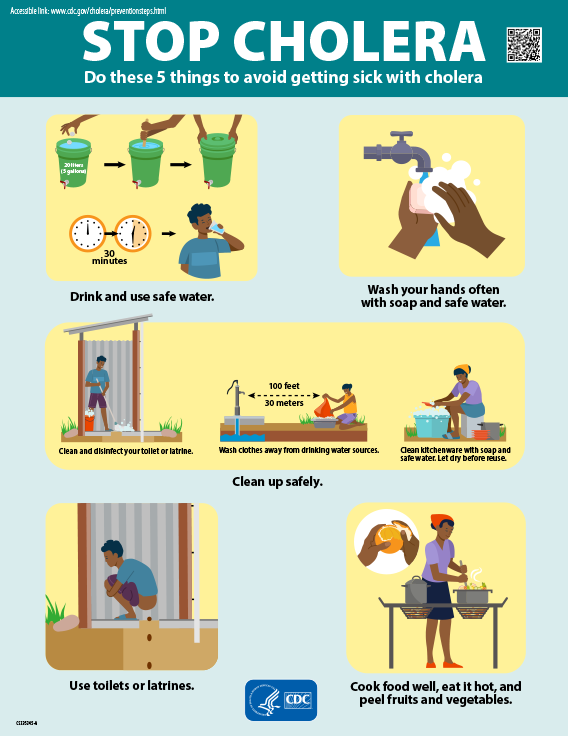
Access to clean and safe water is fundamental in preventing cholera. Communities should have reliable sources of potable water or implement effective water treatment methods to remove pathogens. Water storage containers and distribution systems should also be regularly cleaned and maintained to prevent contamination.
Proper disposal of human waste
To prevent the spread of cholera, it is essential to practice proper disposal of human waste. Adequate sanitation facilities, such as toilets or latrines, should be available and used by the community. Proper waste management systems should be in place to ensure the safe disposal of fecal matter and prevent contamination of water sources.
Maintaining good personal hygiene
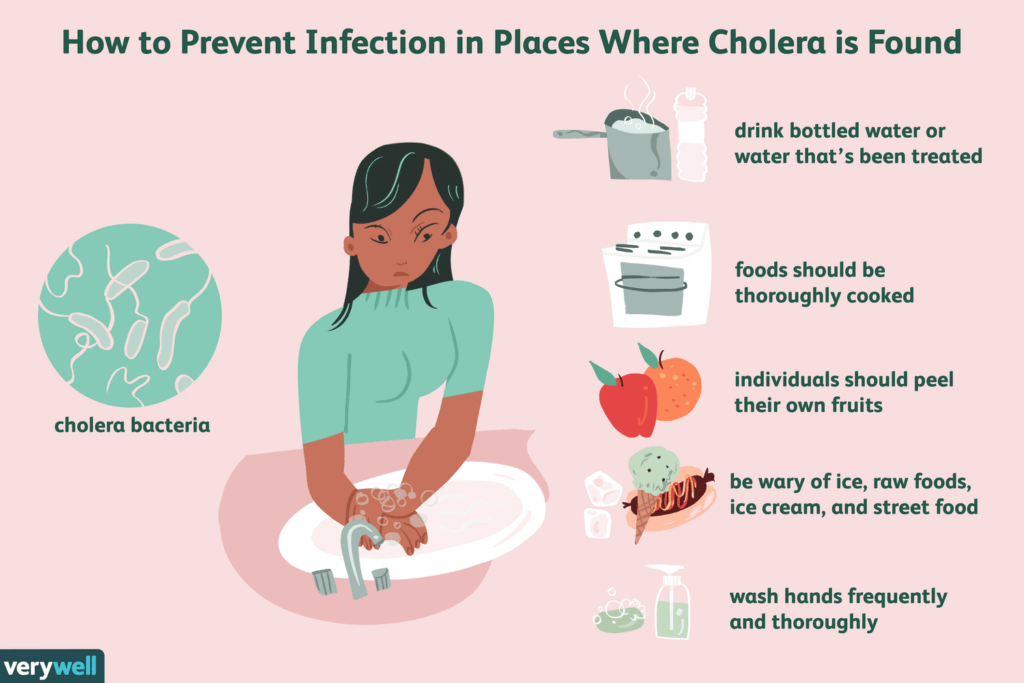
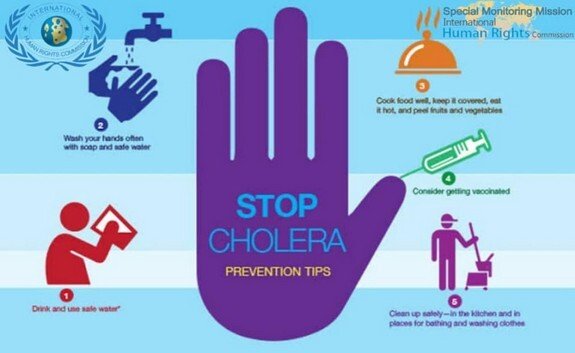
Good personal hygiene practices play a crucial role in preventing the transmission of cholera. Regular handwashing with soap and clean water, particularly after using the toilet and before handling food, greatly reduces the risk of infection. Ensuring that individuals have access to soap and promoting handwashing as a habit can significantly contribute to cholera prevention efforts.
Promoting handwashing practices
Promoting handwashing practices within communities is essential to prevent the spread of cholera. Campaigns and educational programs can raise awareness about the importance of handwashing and provide guidance on proper handwashing techniques. Installing handwashing facilities in key locations, such as schools, healthcare facilities, and public areas, can also encourage regular hand hygiene.
Vaccination
Cholera vaccine
Cholera vaccines are an effective tool in preventing the occurrence and reducing the severity of cholera cases. These vaccines stimulate the immune system to produce antibodies that target Vibrio cholerae, providing protection against the disease. Currently, two types of cholera vaccines are available: oral vaccines, which are taken by mouth, and injectable vaccines.
Vaccination recommendations
The World Health Organization (WHO) recommends cholera vaccination in areas with active cholera transmission or where there is a high risk of outbreaks. Vaccination campaigns can target communities at risk, individuals traveling to cholera-endemic areas, and healthcare workers in cholera treatment centers. It is important to consult with healthcare professionals or travel advisors to determine the need for cholera vaccination in specific situations.
Vaccine effectiveness
Cholera vaccines have been shown to be highly effective in reducing the risk of severe cholera and preventing deaths. Oral cholera vaccines can provide short-term protection, with some vaccines demonstrating effectiveness of up to 85% for a period of at least six months. However, it is important to note that vaccination does not replace the need for implementing proper hygiene and sanitation measures. Vaccination should be seen as a complementary measure to be used in conjunction with other preventive strategies.
Safe Food Handling
Clean and cook food thoroughly
Proper food hygiene practices are essential in preventing cholera. Food should be thoroughly washed before consumption, especially fruits and vegetables that are consumed raw. Cooking food at appropriate temperatures kills any potential cholera bacteria, making it safe for consumption. It is also important to ensure that utensils and surfaces used for food preparation are clean and sanitized.
Avoid risky food sources
To reduce the risk of cholera infection, it is advisable to avoid consuming food from sources that may be unsafe. This includes street food vendors, open-air markets with poor sanitation conditions, or establishments with a history of foodborne diseases. Choosing reputable food suppliers and establishments that prioritize hygiene practices can significantly lower the risk of cholera.
Proper storage of food
Appropriate food storage practices can also contribute to cholera prevention. Food should be stored in clean and properly sealed containers to protect it from contamination by flies, rodents, or other pests. Perishable food items should be kept refrigerated, while dry goods should be stored in a cool, dry place away from potential sources of contamination.
Preventing Cholera in High-Risk Areas
Improving water and sanitation infrastructure
In high-risk areas, investing in improved water and sanitation infrastructure is crucial in preventing cholera outbreaks. This includes providing access to clean water sources, implementing effective wastewater treatment systems, and ensuring the availability of adequate sanitation facilities. Regular maintenance and monitoring of infrastructure is equally important to sustain these preventive measures.
Education and community mobilization
Educating communities about the importance of proper hygiene and sanitation practices is vital in preventing cholera. Information and awareness campaigns can provide knowledge about safe water handling, waste disposal, and handwashing techniques. Additionally, community mobilization efforts can empower individuals to take responsibility for their own health and promote positive behavioral changes.
Surveillance and rapid response systems
Establishing surveillance systems to monitor cholera cases and outbreaks enables early detection and swift response. The prompt identification of cases allows for the implementation of targeted interventions, such as providing medical treatment, conducting contact tracing, and educating affected communities. Rapid response teams should be trained and equipped to effectively manage cholera outbreaks and prevent further transmission.
Preventive Measures during Outbreaks
Isolation and treatment of infected individuals
During cholera outbreaks, it is crucial to isolate and treat infected individuals to prevent the further spread of the disease. Hospitals and healthcare facilities should have designated areas for cholera treatment, equipped with appropriate medical supplies and trained healthcare professionals. Isolation measures combined with the administration of oral rehydration therapy can help reduce the severity of symptoms and minimize the risk of complications.
Safe handling and burial of cholera-related waste
Proper handling and disposal of cholera-related waste are critical to prevent secondary transmission. Infected individuals should be provided with appropriate facilities, such as toilets or latrines, to minimize the risk of contamination. Disinfection measures, such as using chlorine-based solutions, should be implemented to ensure the safe disposal of medical waste and contaminated materials. Burials should follow strict protocols to avoid the contamination of groundwater or the spread of infection.
Disinfection of affected areas
Disinfection of affected areas plays a significant role in curbing the spread of cholera during outbreaks. Surfaces, water sources, and common objects should be regularly cleaned and disinfected to kill any remaining bacteria. Chlorination of water supplies can effectively eliminate cholera bacteria, reducing the risk of further contamination.
Travel Precautions
Drink safe water and eat safe food
When traveling to areas with a high risk of cholera, it is important to prioritize safe water and food consumption. Drinking bottled or boiled water and avoiding ice cubes made from untreated water can significantly reduce the risk of infection. Consuming hot, thoroughly cooked meals and avoiding raw or undercooked seafood and street food can also lower the chances of contracting cholera.
Practice good personal hygiene
Maintaining good personal hygiene while traveling is essential in preventing cholera. Washing hands with soap and clean water before eating or handling food, as well as after using the toilet or touching potentially contaminated surfaces, is crucial. Carrying hand sanitizer or wet wipes can be helpful in situations where proper handwashing facilities are not readily available.
Consider cholera vaccines before travel
For individuals traveling to cholera-endemic areas or during times of increased risk, considering cholera vaccination is advisable. Consulting with healthcare professionals or travel clinics can provide guidance on the need for vaccination based on the specific travel destinations and circumstances. Vaccination, along with other preventive measures, can provide an additional layer of protection against cholera.
Community Engagement
Awareness campaigns
Raising awareness about cholera and its prevention is key to engaging communities. Awareness campaigns can be organized through various means, such as community gatherings, local media, and social platforms. Providing information about cholera symptoms, transmission routes, and preventive measures empowers individuals to make informed decisions regarding their health and the health of their communities.
Teaching preventive measures
Educating individuals on preventive measures is vital to creating sustainable change. Schools, community centers, and healthcare facilities can play a significant role in providing education and training on proper hygiene practices, water treatment methods, and safe food handling. Teaching individuals the importance of early detection and prompt treatment can also contribute to preventing the spread of cholera.
Building partnerships
Collaboration between various stakeholders is essential in preventing cholera. Governments, non-governmental organizations, healthcare professionals, and community leaders can work together to implement and sustain preventive measures. Building partnerships can leverage resources, expertise, and community support, allowing for more effective and comprehensive cholera prevention initiatives.

Cholera Prevention in Healthcare Facilities
Proper sanitation practices
Healthcare facilities must adhere to stringent sanitation practices to prevent the spread of cholera. Regular cleaning and disinfection of surfaces, medical equipment, and patient care areas minimize the risk of contamination. Implementing appropriate waste management systems also ensures the safe disposal of medical waste and reduces the chances of nosocomial infections.
Hand hygiene
Hand hygiene is of utmost importance in healthcare facilities to prevent the transmission of cholera and other infectious diseases. Healthcare professionals should follow strict handwashing protocols, including using soap and water or alcohol-based hand sanitizers. Hand hygiene should be practiced before and after patient contact, between tasks, and whenever hands are visibly soiled.
Infection control measures
Infection control measures should be implemented and enforced in healthcare facilities to prevent cholera outbreaks. This includes isolating infected patients, implementing strict water and food safety protocols, and following proper waste management procedures. Routine surveillance for potential outbreaks and prompt response to suspected cases are also critical in maintaining a safe and healthy healthcare environment.
Role of Governments and International Organizations
Policy development and implementation
Governments play a vital role in preventing cholera by developing and implementing robust policies. Effective policies should address issues such as access to clean water, sanitation infrastructure, and healthcare services. Regulations on proper waste management, food safety, and hygiene practices can also contribute to cholera prevention efforts.
Allocating resources for prevention efforts
Allocating adequate resources is essential to implement and sustain cholera prevention programs. Governments and international organizations should prioritize funding for initiatives that aim to improve water and sanitation infrastructure, provide healthcare services, and promote hygiene education. Investing in research and innovation can also lead to advancements in cholera prevention and control.
Supporting research and innovation
Research and innovation play a critical role in advancing cholera prevention strategies. Governments and international organizations should support research initiatives aimed at developing new vaccines, improving diagnostic tools, and enhancing the understanding of cholera transmission. By fostering innovation and supporting scientific advancements, sustainable solutions can be developed to combat this deadly disease.
In conclusion, preventing cholera requires a comprehensive approach that addresses the underlying causes of the disease. Improving sanitation and hygiene practices, promoting vaccination, ensuring safe food handling, and implementing preventive measures during outbreaks are key strategies in reducing the burden of cholera. Engaging communities, raising awareness, and building partnerships are vital in sustaining long-term prevention efforts. With the concerted efforts of governments, international organizations, healthcare professionals, and individuals, cholera can be effectively prevented, leading to healthier and safer communities worldwide.