
Cold sores can be not only painful and uncomfortable, but also a source of embarrassment. If you’re tired of dealing with these pesky blisters, it’s time to take action. This article will provide you with effective strategies to prevent cold sores from popping up in the first place. Whether it’s practicing good hygiene, boosting your immune system, or avoiding common triggers, you’ll discover simple and practical tips to keep those cold sores at bay. Say goodbye to those unsightly sores and regain your confidence with these helpful preventative measures.
Understanding Cold Sores
What are cold sores?
Cold sores, also known as fever blisters, are small, painful blisters that typically appear on or around the lips, mouth, or nose. They are caused by the herpes simplex virus type 1 (HSV-1). Cold sores are highly contagious and can be easily transmitted through direct contact with the fluid from the blisters.
Causes of cold sores
The primary cause of cold sores is the herpes simplex virus type 1 (HSV-1). This virus is usually contracted during childhood through close contact with an infected person. Once the virus enters the body, it remains dormant in the nerve cells. However, certain triggers can reactivate the virus and lead to cold sore outbreaks. These triggers may include stress, fatigue, hormonal changes, exposure to sunlight, fever, or a weakened immune system.
Symptoms of cold sores
Before a cold sore outbreak occurs, individuals may experience a tingling or burning sensation in the area where the blister will develop. Within a day or two, small fluid-filled blisters appear, which eventually burst and form a crust. During this time, the sores can be painful and cause discomfort. It is essential to note that cold sores are contagious during the entire duration of the outbreak, from the tingling stage to the healing stage.
How cold sores are transmitted
Cold sores are highly contagious and can be easily transmitted from person to person. Direct contact with the fluid from the blisters is the primary mode of transmission. This can occur through activities such as kissing, sharing utensils or drinks, or touching the affected area and then touching other parts of the body or objects. It is crucial to be cautious and take preventive measures to minimize the risk of transmission.
General Prevention Strategies
Maintaining good overall health
One of the key factors in preventing cold sores is maintaining good overall health. A healthy immune system can help combat the herpes simplex virus and reduce the frequency or severity of outbreaks. Focus on getting regular exercise, eating a balanced diet, staying hydrated, and getting enough quality sleep. Additionally, managing stress levels and maintaining a positive mindset can also contribute to overall health and well-being.
Boosting your immune system
To strengthen your immune system and reduce the risk of cold sore outbreaks, consider incorporating immune-boosting habits into your lifestyle. This includes consuming a diet rich in fruits, vegetables, and whole grains, which provide essential vitamins and minerals. Regular exercise, adequate sleep, and stress reduction techniques such as meditation or practicing hobbies you enjoy can also bolster your immune system.
Avoiding triggers
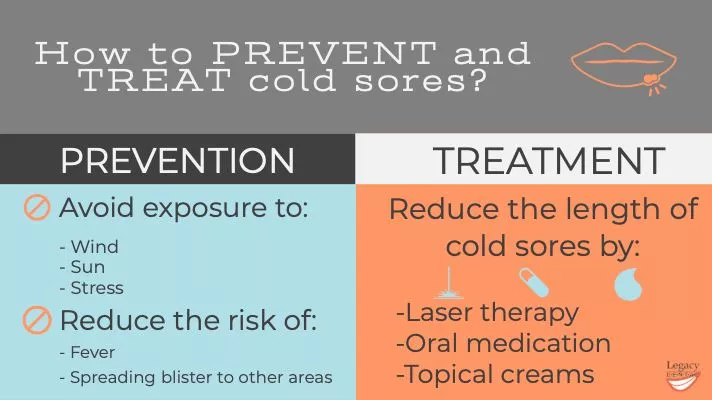
Identifying and avoiding triggers that may reactivate the herpes simplex virus can help prevent cold sore outbreaks. Common triggers include exposure to sunlight, emotional stress, fatigue, illness, and hormonal changes. By being aware of your personal triggers, you can take proactive steps to avoid or minimize their impact. This may involve wearing sunscreen regularly, managing stress through techniques like deep breathing or meditation, maintaining a healthy sleep schedule, and practicing self-care.

Oral Hygiene Practices
Regularly washing hands
Frequent handwashing is important in preventing the spread of the herpes simplex virus. Wash your hands thoroughly with soap and warm water, especially after touching your cold sore or the area around it. This helps minimize the likelihood of transmission to other parts of your body or to others.
Avoiding touching or picking at sores
Resist the urge to touch or pick at your cold sores. This can irritate the blisters, prolong the healing process, and increase the risk of infection. Scratching or picking at the sores can also spread the virus to other areas of your body or to other people.
Using a separate towel for the affected area
To prevent the spread of the herpes simplex virus, it is important to use a separate towel specifically for drying the affected area. This helps to avoid potential contamination of other areas of your body or transmission to others.
Cleaning and replacing personal items
Regularly clean and disinfect items that come into contact with your cold sores, such as eating utensils, cups, or toothbrushes. You can wash these items with soap and warm water or use a disinfecting solution to eliminate any potential virus particles. Consider replacing your toothbrush after a cold sore outbreak to reduce the risk of reinfection.
Avoiding sharing personal items
To minimize the risk of spreading cold sores, avoid sharing personal items such as lip balm, lipsticks, utensils, or towels. Sharing these items can easily transfer the virus from one person to another, increasing the chances of developing cold sores.
Sun and Cold Protection
Applying sunscreen to lips and face
The ultraviolet (UV) rays from the sun can trigger cold sore outbreaks, especially on the lips. It is essential to protect your lips and surrounding skin by applying sunscreen with a high SPF (sun protection factor). Look for lip balms or creams that specifically mention UV protection for the lips.
Using lip balms with SPF
In addition to sunscreen, using lip balms with SPF can provide an extra layer of protection against the sun’s harmful rays. Apply a lip balm with a high SPF regularly, especially when spending time outdoors or exposed to sunlight.
Using protective gear in cold weather
Cold weather can also be a trigger for cold sore outbreaks. Protect your lips and face from cold temperatures and harsh winds by using scarves, hats, or face masks. These protective measures help maintain moisture on your lips and prevent them from becoming dry, which can contribute to cold sore development.

Nutrition and Diet
Eating a balanced diet
Maintaining a balanced diet is crucial for overall health and can also contribute to cold sore prevention. Ensure your diet includes a variety of fruits, vegetables, whole grains, lean proteins, and healthy fats. These provide essential nutrients, vitamins, and minerals that support a strong immune system and overall well-being.
Avoiding arginine-rich foods
Certain foods high in arginine, an amino acid, may trigger cold sore outbreaks. These include nuts, seeds, chocolate, caffeine, and certain grains like wheat or oats. While moderate consumption of these foods is generally safe, individuals prone to cold sores may want to monitor their intake or avoid them during outbreaks.
Including lysine-rich foods
On the other hand, lysine, another amino acid, may offer protective benefits against cold sores. Lysine-rich foods include legumes, fish, dairy products, and lean meats. Incorporating these foods into your diet may help reduce the frequency or severity of cold sore outbreaks.
Stress Management
Practicing stress reduction techniques
Stress can weaken the immune system and trigger cold sore outbreaks. Engaging in stress reduction techniques can play a significant role in preventing these outbreaks. Explore relaxation techniques such as deep breathing exercises, mindfulness meditation, yoga, or engaging in hobbies you enjoy. Finding healthy outlets to manage stress can have a positive impact on your overall well-being and help minimize cold sore occurrences.
Getting enough sleep
Adequate sleep is crucial for maintaining a well-functioning immune system. Lack of sleep or poor-quality sleep can weaken the body’s defenses, making individuals more susceptible to cold sore outbreaks. Aim for seven to nine hours of quality sleep each night, following a regular sleep schedule, and creating a relaxing bedtime routine.
Maintaining a healthy lifestyle
Adopting a healthy lifestyle encompasses various aspects, including regular exercise, a nutritious diet, quality sleep, stress management, and avoiding unhealthy habits. By maintaining a healthy lifestyle, you are promoting overall wellness and bolstering your body’s ability to prevent cold sores.

Lifestyle Changes
Avoiding excessive alcohol consumption
Excessive alcohol consumption can suppress the immune system, making individuals more susceptible to infections, including cold sores. Limit alcohol intake to moderate levels, following recommended guidelines for safe consumption.
Quitting smoking
Smoking damages the immune system and compromises overall health, making it more difficult for the body to fight off viral infections like cold sores. Quitting smoking not only prevents cold sore outbreaks but also provides numerous other health benefits.
Reducing caffeine intake
High caffeine intake has been associated with increased stress and decreased immune function. While moderate caffeine consumption is generally safe, individuals prone to cold sores may benefit from reducing their intake, especially during stress-induced periods.
Safe Sexual Practices
Using barrier methods during oral sex
Cold sores can also be transmitted through oral sexual contact. To prevent the transmission of the herpes simplex virus during oral sex, it is crucial to use barrier methods such as dental dams or condoms. These provide a physical barrier between the mouth and genitals, reducing the risk of transmission.
Avoiding sexual contact during an outbreak
Engaging in sexual activity, including oral sex, during a cold sore outbreak significantly increases the potential for transmission. It is advisable to avoid sexual contact until the cold sore completely heals and disappears. Open communication with your partner is essential to ensure the safety and well-being of both individuals.

Managing Cold Sores in Children
Educating children about cold sore prevention
Teaching children about cold sore prevention is crucial in minimizing the risk of transmission and future outbreaks. Explain to them the importance of handwashing, not sharing personal items, and avoiding direct contact with someone who has a cold sore. Encourage open conversations and answer any questions they may have about cold sores.
Teaching proper hygiene practices
Inculcating proper hygiene practices in children can go a long way in preventing the spread of the herpes simplex virus. Teach them to wash their hands regularly, avoid touching or picking at their cold sores, and use a separate towel for drying the affected area. Reinforce the importance of good oral hygiene, such as using their own toothbrush and not sharing it with others.
Avoiding close contact when a child has an outbreak
When a child has an outbreak, it is important to avoid close contact with others to prevent the spread of the virus. Encourage your child to refrain from kissing or sharing personal items until the cold sore completely heals. Educate them about the contagious nature of cold sores and the importance of being considerate towards others.
Preventive Medications
Prescription antiviral medication
For individuals who experience frequent or severe cold sore outbreaks, a doctor may prescribe antiviral medication. These medications can help suppress the herpes simplex virus, reduce the duration and severity of outbreaks, and decrease the risk of transmission. It is important to consult with a healthcare professional to determine the most appropriate treatment plan.
Over-the-counter creams and ointments
Over-the-counter creams and ointments, containing ingredients such as docosanol or benzocaine, can help alleviate cold sore symptoms and promote healing. These topical treatments are readily available and can provide temporary relief. However, it is important to read and follow the instructions carefully and consult a healthcare professional if symptoms persist or worsen.
Applying medications at early signs of an outbreak
To effectively manage and prevent cold sores, it is crucial to apply antiviral creams or ointments at the first signs of an outbreak, such as tingling or redness. Early intervention can help minimize the severity and duration of the outbreak. Keep these medications on hand and be aware of your personal prodromal symptoms to intervene promptly.
In summary, preventing cold sores involves a combination of general prevention strategies, effective oral hygiene practices, sun and cold protection, a balanced diet, stress management, lifestyle changes, safe sexual practices, and proper management in children. By implementing these preventive measures and seeking appropriate treatments when necessary, individuals can significantly reduce the frequency and severity of cold sore outbreaks, leading to improved quality of life and enhanced overall well-being.