
Croup, a viral respiratory infection that primarily affects young children, can be a distressing experience for both the child and their parents. However, there are simple steps you can take to prevent this condition and keep your little one healthy and happy. From maintaining good hygiene practices to staying away from smoke and polluted areas, this article will provide you with valuable tips on how to protect your child from croup and ensure their well-being. So let’s dive in and explore these preventive measures to keep croup at bay!

Understanding Croup
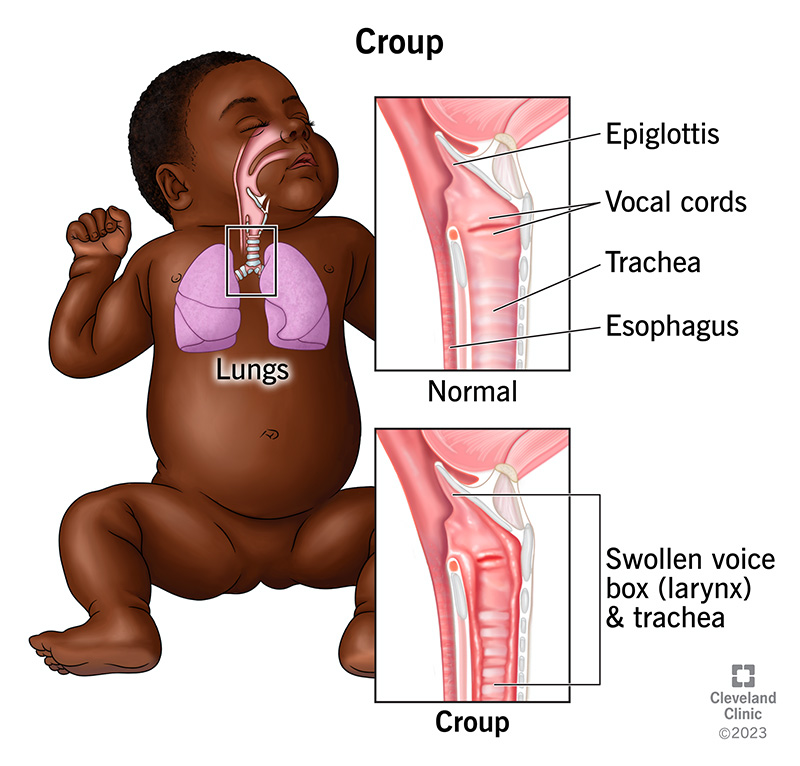
Croup is a common childhood illness that affects the respiratory system, causing inflammation and swelling in the airways. It is most commonly seen in children between the ages of six months and three years. Understanding the causes, symptoms, and preventive measures of croup is essential in order to keep your child healthy and prevent the spread of this illness.
Definition and Symptoms
Croup is characterized by a distinctive barking cough, hoarseness, and difficulty breathing. It is often accompanied by a harsh, high-pitched sound when your child inhales, known as stridor. These symptoms are often worse at night and can be frightening for both you and your little one. Other common symptoms may include fever, runny nose, and a mild sore throat. It is important to note that croup is usually a mild illness and can be effectively managed at home in most cases.
Causes of Croup
Croup is primarily caused by viral infections, most commonly the parainfluenza virus. This virus is highly contagious and spreads through respiratory droplets when an infected person coughs or sneezes. Other viruses, such as influenza virus, adenovirus, and respiratory syncytial virus (RSV), can also cause croup. It is important to keep in mind that croup can be easily transmitted from one person to another, especially in crowded places or in close contact with an infected individual.
Preventive Measures
Prevention is key when it comes to protecting your child from croup. By implementing certain preventive measures, you can significantly reduce the risk of your child contracting this illness. Here are some effective strategies to consider:
1. Keep Good Hygiene Practices
Teaching your child good hygiene practices is crucial in preventing the spread of viruses that can cause croup. Encourage your child to wash their hands regularly with soap and water for at least 20 seconds. Make sure they understand the importance of washing their hands before eating, after using the restroom, and after coughing or sneezing.
2. Strengthen the Immune System
A strong immune system can help protect your child against viral infections, including those that cause croup. Ensure your child gets adequate sleep, eats a healthy and balanced diet, and engages in regular physical activity. Additionally, consider incorporating immune-boosting foods into your child’s diet, such as fruits, vegetables, and probiotics.
3. Minimize Exposure to Irritants
Irritants in the environment can exacerbate the symptoms of croup and potentially trigger an episode. Minimize your child’s exposure to smoke, dust, and other airborne irritants. Avoid using harsh chemical cleaners or strong perfumes in your home, as these can irritate the respiratory system.
4. Maintain a Healthy Environment
Keep your home clean and well-ventilated to reduce the risk of respiratory infections. Regularly clean and disinfect frequently-touched surfaces, such as doorknobs, light switches, and toys. Ensure that your child’s bedroom is free from dust and allergens by regularly vacuuming and washing bed linens.
5. Practice Proper Handwashing
In addition to teaching your child proper handwashing techniques, it is important for you as a parent to also practice good hand hygiene. By setting an example and consistently following proper handwashing practices, you can minimize the risk of transmitting croup-causing viruses to your child.
6. Avoid Contact with Infected Individuals
Croup is highly contagious, so it is important to limit your child’s exposure to individuals who are infected. If you know someone who has croup or any other respiratory illness, it’s best to avoid close contact until they have fully recovered. This may mean postponing playdates, avoiding crowded places, or keeping your child home from school or daycare.
7. Vaccination
Vaccination plays a crucial role in preventing the spread of certain viruses that can cause croup. Make sure your child is up to date with their vaccinations, including those for influenza and other respiratory infections. Consult with your healthcare provider to ensure your child is receiving all recommended vaccines according to their age and health status.
8. Avoid Smoking and Secondhand Smoke
Exposure to smoke, whether it is from smoking or secondhand smoke, can increase the risk of respiratory illnesses like croup. If you smoke, it is important to quit for your own health as well as the health of your child. Additionally, avoid exposing your child to secondhand smoke by keeping your home and car smoke-free.
9. Implement Respiratory Etiquette
Teaching your child proper respiratory etiquette can help prevent the spread of respiratory viruses. Encourage your child to cover their mouth and nose with a tissue or their elbow when they cough or sneeze. Make sure they understand not to cough or sneeze into their hands, as this can easily spread germs when they touch surfaces or other people.
10. Seek Prompt Medical Attention
If your child develops symptoms of croup, it is important to seek prompt medical attention. Your child’s healthcare provider can evaluate their symptoms and provide appropriate treatment if necessary. Early intervention is key in managing croup effectively and preventing potential complications.

Home Remedies and Tips
While medical intervention is often necessary for managing croup, there are also some home remedies and tips that can help alleviate your child’s symptoms. Here are a few strategies to consider:
1. Moist Air or Humidity
Creating a moist environment can help ease your child’s breathing and reduce the severity of their cough. You can achieve this by running a humidifier or vaporizer in your child’s bedroom. Alternatively, taking your child into a steamy bathroom for a few minutes can also provide temporary relief.
2. Encourage Fluid Intake
Staying hydrated is important, especially during illness. Encourage your child to drink plenty of fluids, such as water, clear broth, or warm fluids like herbal tea. Avoid giving sugary drinks or carbonated beverages, as these can irritate the throat and worsen symptoms.
3. Use a Cool-Mist Humidifier
A cool-mist humidifier can help add moisture to the air and ease your child’s breathing. Make sure to clean the humidifier regularly to prevent the growth of mold or bacteria. Follow the manufacturer’s instructions for proper use and maintenance.
4. Provide Comfort and Support
Croup can be a distressing experience for your child, so providing comfort and support is essential. Offer plenty of hugs, cuddles, and reassurance to help ease any anxiety or discomfort your child may be feeling. Create a calm and soothing environment by dimming the lights, playing soft music, or reading a favorite book together.
5. Offer Soothing Foods and Drinks
Certain foods and drinks can provide relief for your child’s sore throat and make swallowing easier. Offer warm liquids like chicken soup, herbal tea, or warm fruit purees. Avoid giving your child spicy or acidic foods, as these can further irritate the throat.
6. Elevate Sleeping Position
Elevating your child’s upper body while they sleep can help ease breathing and reduce coughing. Use pillows or a wedge pillow to elevate their head and upper body, allowing gravity to help keep the airways open. Ensure that the sleeping position is safe and comfortable for your child.
7. Monitor Symptoms
Keep a close eye on your child’s symptoms and monitor for any changes or worsening. If your child’s symptoms persist or worsen despite home remedies, it is important to seek medical attention. Your healthcare provider can provide further guidance and determine if additional treatment is necessary.
Potential Complications
While most cases of croup are mild and resolve on their own, there are potential complications that can arise. It is important to be aware of these complications and seek medical help if needed.
1. Secondary Bacterial Infection
In some cases, croup can lead to a secondary bacterial infection such as pneumonia or ear infection. These infections may require additional treatment, such as antibiotics. Look out for symptoms such as persistent fever, ear pain, or changes in breathing patterns, and consult with your child’s healthcare provider if you suspect a secondary infection.
2. Airway Obstruction
In rare cases, croup can cause severe inflammation and swelling in the airways, leading to airway obstruction. This can result in severe breathing difficulty, rapid breathing, and a bluish tint to the lips or skin. If you notice these symptoms, seek emergency medical attention immediately.
3. Dehydration
Croup can cause increased fluid loss due to fever, rapid breathing, and coughing. It is important to monitor your child’s fluid intake and ensure they are adequately hydrated. If your child shows signs of dehydration, such as decreased urine output, dry mouth, or lethargy, consult with your child’s healthcare provider for further guidance.
When to Seek Medical Help
While most cases of croup can be managed at home, there are certain situations where medical help should be sought. Here are some indicators that it’s time to seek medical attention:
1. Severe Breathing Difficulty
If your child is having severe difficulty breathing, such as rapid breathing, retractions (sucking in of the chest or ribs), or audible wheezing, it is important to seek immediate medical attention. These signs may indicate a more severe case of croup or other respiratory complications.
2. Blue Lips or Skin
If your child’s lips or skin turn blue, it is a sign of a lack of oxygen and requires immediate medical attention. Blue lips or skin can indicate a severe airway obstruction and should never be ignored.
3. High Fever
While a mild fever is common with croup, a high fever (above 103°F or 39.4°C) may indicate a more serious infection. Consult with your child’s healthcare provider to determine the best course of action.
4. Symptoms Worsen or Persist
If your child’s symptoms worsen or persist despite home remedies, it is important to consult with your child’s healthcare provider. They can evaluate your child’s condition, provide appropriate treatment, and determine if further medical interventions are necessary.
Conclusion
By understanding the causes, symptoms, and preventive measures of croup, you can effectively protect your child from this common childhood illness. Practicing good hygiene, maintaining a healthy environment, and seeking prompt medical attention when necessary are essential in preventing the spread of croup and minimizing potential complications. Additionally, providing comfort and support to your child during their illness can help alleviate their symptoms and make their recovery smoother. With the right knowledge and proactive measures, you can ensure the well-being of your child and keep them healthy and happy.
