
Ready to embark on a journey of healing and discovery? In this article, you will explore the intricacies of life after acoustic neuroma surgery. From the challenges you may encounter to the strategies you can adopt, this guide is designed to equip you with the knowledge and support necessary for navigating this new chapter. Discover how to regain your balance, find solace in your journey, and embrace the opportunities that lie ahead. Let’s embark on this transformative adventure together.
Navigating Life After Acoustic Neuroma Surgery
Understanding Acoustic Neuroma
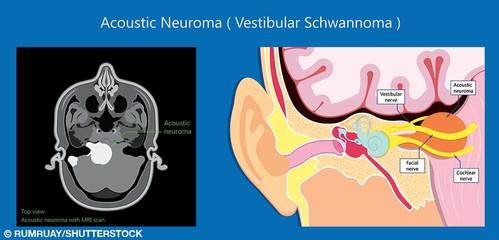
Acoustic neuroma, also known as vestibular schwannoma, is a non-cancerous tumor that develops on the main nerve leading from your inner ear to your brain. This nerve, called the vestibulocochlear nerve, plays a crucial role in hearing and balance. When an acoustic neuroma grows, it can cause various symptoms such as hearing loss, tinnitus (ringing in the ears), dizziness, and problems with balance. Understanding the nature of this condition is essential before delving into what life may be like after surgery.
Preparing for Surgery
Preparing for acoustic neuroma surgery involves both physical and mental preparation. Your healthcare team will provide you with detailed instructions on how to prepare for the surgery, including any medications or supplements you need to avoid prior to the procedure. It is important to discuss any concerns or questions you have with your surgeon to ensure that you are well-informed and mentally prepared for what lies ahead. Additionally, make sure to arrange for someone to accompany you on the day of the surgery and to help you with daily tasks during your initial recovery period.
Immediate Post-Surgery Care
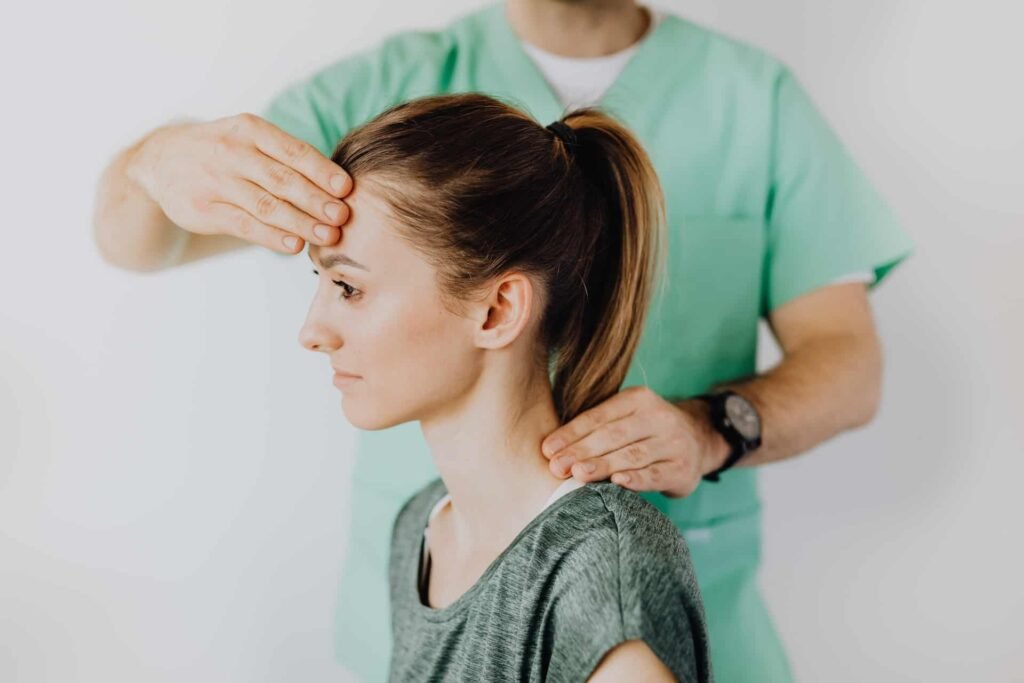
Following acoustic neuroma surgery, you will require intensive care and monitoring in the immediate post-surgery period. You can expect to spend some time in the recovery room before being transferred to a specialized neurosurgical or surgical intensive care unit. Your healthcare team will closely monitor your vital signs, administer pain medication, and ensure that your wound is healing adequately. During this time, it is important to communicate any discomfort or concerns to your healthcare providers so they can address them promptly and effectively.
Recovery and Rehabilitation
The road to recovery after acoustic neuroma surgery can vary from person to person. While some individuals may experience a quicker recovery, others may require a longer period of rehabilitation. The rehabilitation process may consist of physical therapy to regain balance and coordination, occupational therapy to improve daily functioning, and speech therapy if there are any speech or swallowing difficulties. It is important to work closely with your healthcare team and follow their guidance throughout the recovery process to optimize your outcomes.
Managing Physical Changes
Acoustic neuroma surgery can lead to certain physical changes, such as facial weakness, hearing loss, or balance issues. It is crucial to discuss these potential changes with your healthcare team so they can guide you on how to manage and adapt to them. For example, if you experience facial weakness, your healthcare team may suggest facial exercises or refer you to a physical therapist specializing in facial rehabilitation. In cases of hearing loss, they may recommend hearing aids or provide information about cochlear implants. Understanding and addressing these physical changes will help you navigate the challenges that may arise in your daily life.
Maintaining Emotional Well-being
Coping with the emotional challenges that may arise after acoustic neuroma surgery is equally important to your overall well-being. It is normal to experience a wide range of emotions, including anxiety, sadness, or frustration, during your recovery process. Establishing a support system can be immensely beneficial in maintaining your emotional well-being. This support system can consist of friends, family members, or even support groups where you can connect with others who have undergone similar experiences. Remember to be patient with yourself as you adjust to the physical and emotional changes, and seek professional help if needed.
Support Systems and Resources
In addition to your personal support system, there are numerous resources available to assist you on your journey after acoustic neuroma surgery. Online forums and support groups provide a platform for connecting with others who have gone through similar experiences, allowing you to share your concerns, ask questions, and receive valuable insights. Furthermore, organizations and foundations dedicated to vestibular schwannoma provide informational resources, access to expert advice, and opportunities to connect with healthcare professionals specializing in this field. These support systems and resources can be invaluable in navigating the challenges and uncertainties of life after surgery.
Cognitive and Speech Rehabilitation
If cognitive or speech impairments occur as a result of acoustic neuroma surgery, cognitive and speech rehabilitation may be necessary. These specialized therapies focus on improving cognitive function, memory, attention, and language skills to help you regain independence in your daily activities. Your healthcare team will assess your specific needs and design a personalized rehabilitation plan to support your recovery. Be sure to actively participate in these therapies and communicate any concerns or improvements to your therapists, as this feedback will help them tailor the treatment program to your individual needs.

Follow-up Care and Monitoring
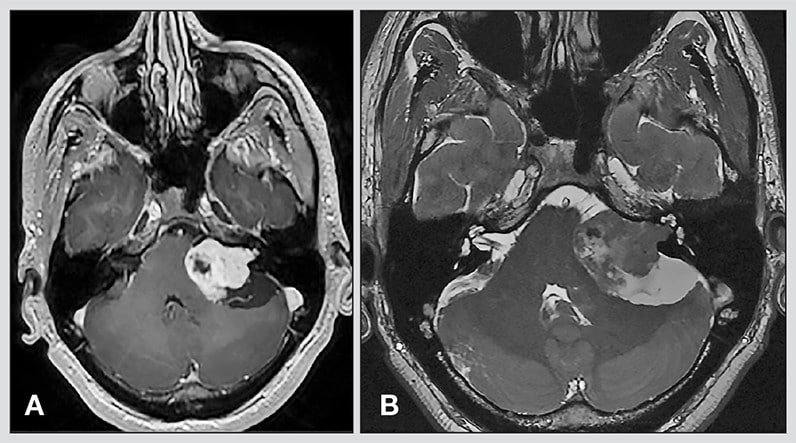
Regular follow-up care and monitoring are crucial in ensuring the best possible outcomes after acoustic neuroma surgery. Your healthcare team will schedule regular check-ups to assess your progress, monitor any potential complications, and address any ongoing concerns. These follow-up appointments may include imaging scans, hearing tests, and consultations with various specialists to ensure a comprehensive evaluation. It is important not to miss these appointments and to actively communicate any changes or symptoms to your healthcare team, as early detection and intervention can make a significant difference in your long-term outcomes.
Long-term Lifestyle Adjustments
Life after acoustic neuroma surgery may require certain long-term lifestyle adjustments. It is essential to listen to your body and make necessary modifications to your daily routine. This may include taking breaks when needed, avoiding activities that can put excessive strain, or implementing stress management techniques to minimize the impact of stress on your overall well-being. Additionally, maintaining a healthy lifestyle by eating well, engaging in regular exercise (as approved by your healthcare team), and getting enough rest and sleep will contribute to your overall recovery and quality of life.
Navigating life after acoustic neuroma surgery involves understanding your condition, preparing for surgery, receiving immediate post-surgery care, undergoing rehabilitation, managing physical changes, maintaining emotional well-being, utilizing support systems and resources, undergoing cognitive and speech rehabilitation if necessary, adhering to follow-up care, and making long-term lifestyle adjustments. By being well-informed, actively engaging in your recovery process, and seeking the support you need, you can confidently embrace life after acoustic neuroma surgery and optimize your overall well-being. Remember, you are not alone on this journey, and with time and patience, you can adapt and thrive.
Watch The Video Below
Related Terms About Navigating Life After Acoustic Neuroma Surgery
How Long Can You Live With An Acoustic Neuroma, Life After Acoustic Neuroma Surgery, Life Expectancy After Acoustic Neuroma Surgery