
Are you or someone you know facing the daunting decision of how to remove an acoustic neuroma? Look no further, as this article provides an overview of the various surgical options available for this procedure. Whether you’re considering traditional open surgery, minimally invasive approaches, or the use of advanced technology, we’ve got you covered. By exploring the benefits, risks, and outcomes associated with each method, you’ll be equipped with the knowledge needed to make the best choice for your unique situation. Say goodbye to uncertainty and hello to a clear path toward acoustic neuroma removal.
Surgical Options for Acoustic Neuroma Removal
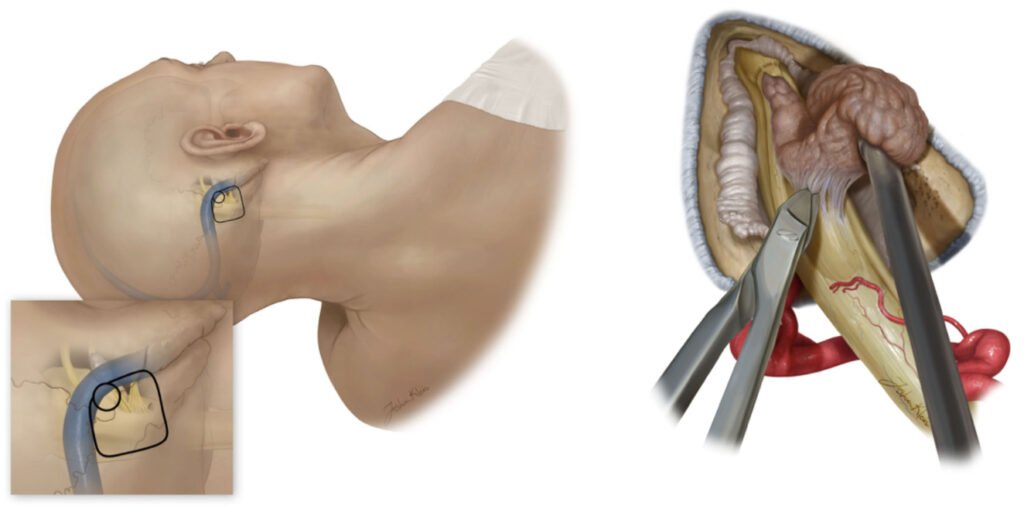
Overview of Acoustic Neuroma
Acoustic neuroma, also known as vestibular schwannoma, is a benign tumor that develops on the vestibular nerve, which connects the inner ear to the brain. This slow-growing tumor arises from the Schwann cells that surround the nerve and can cause hearing loss, balance problems, and facial numbness or weakness. While acoustic neuromas are usually non-cancerous, their location can lead to significant health issues if left untreated.
Diagnosis of Acoustic Neuroma
Diagnosing an acoustic neuroma involves a comprehensive evaluation of symptoms, along with multiple diagnostic tests. Common symptoms may include progressive hearing loss, tinnitus (ringing in the ears), vertigo, and facial numbness or weakness. An audiogram, which measures hearing function, and an MRI scan are essential tools for diagnosing an acoustic neuroma. These tests can determine the tumor’s size and location, helping physicians decide on the most suitable treatment approach.
Preoperative Considerations
Before undergoing acoustic neuroma removal, several factors need to be considered. The patient’s overall health, the tumor’s size and location, as well as the individual’s preferences and expectations, play a crucial role in determining the best surgical approach. A thorough discussion between the patient and the healthcare team is necessary to assess the risks and benefits associated with each surgical option.
Choice of Surgical Approach
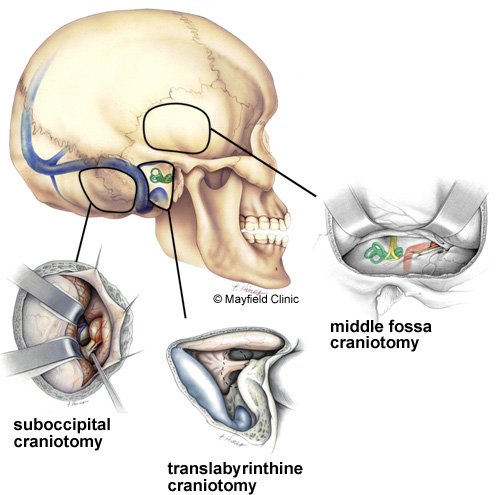
When it comes to acoustic neuroma removal, there are several surgical approaches available, each with its advantages and risks. The choice of approach depends on various factors, including tumor size, location, and the surgeon’s expertise. The three primary surgical methods are traditional open surgery, minimally invasive surgery, and endoscopic surgery.
Traditional Open Surgery
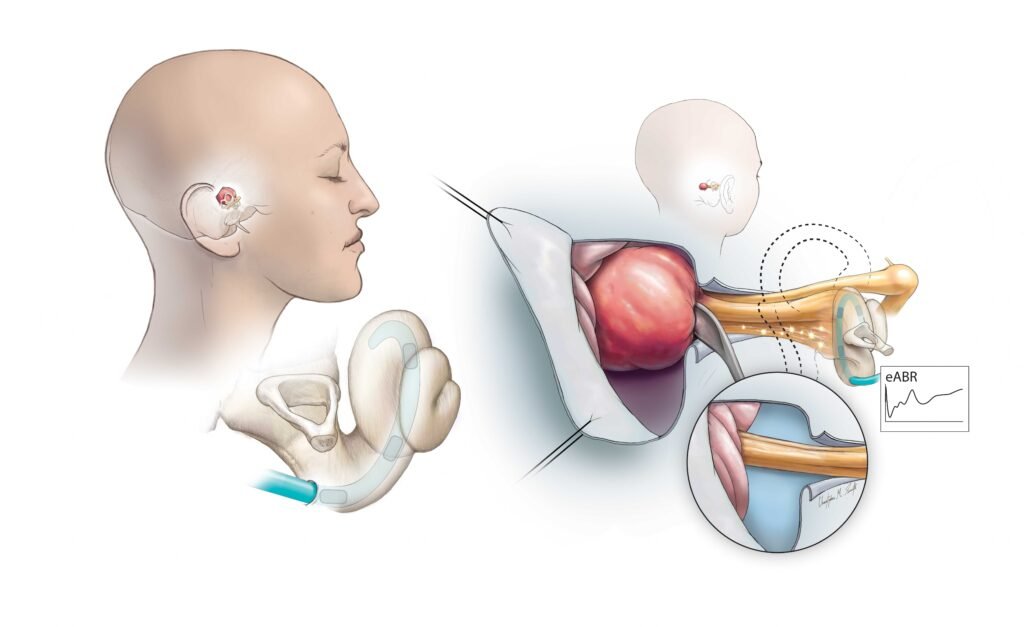
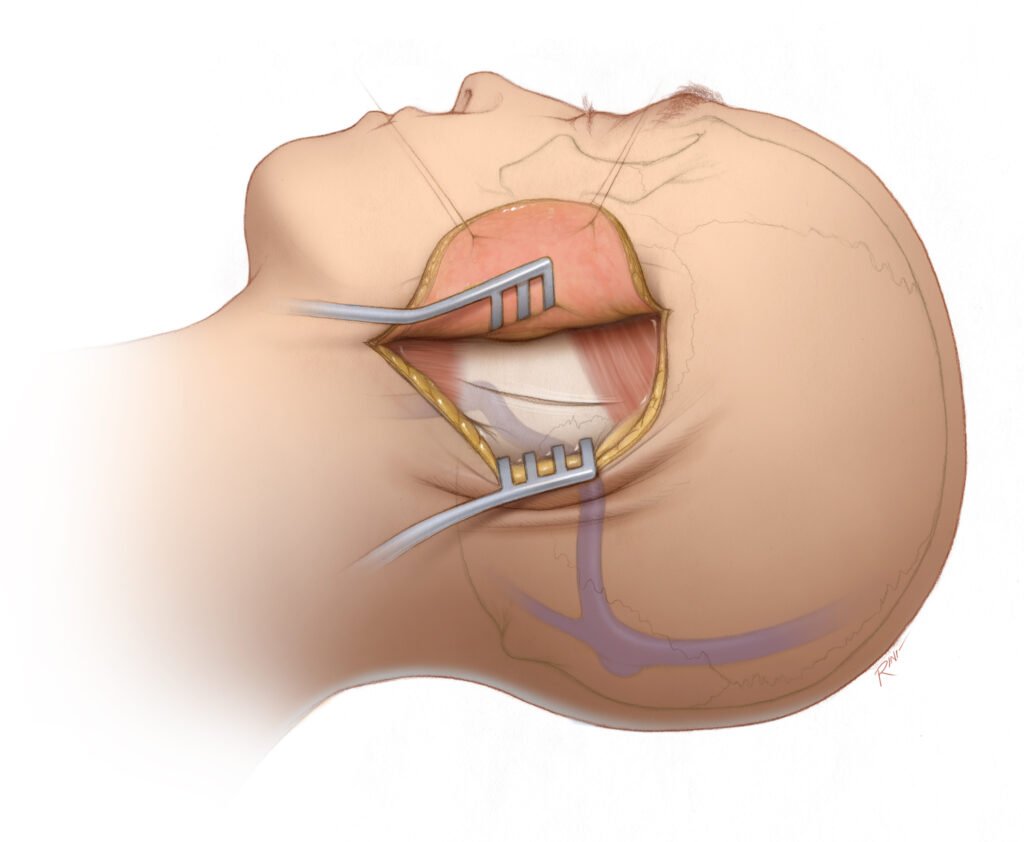
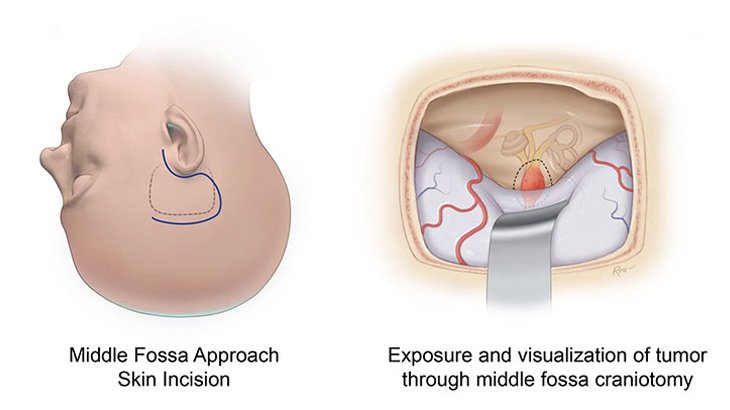
Traditional open surgery, also known as microsurgery, involves making an incision behind the ear to access the tumor. This approach allows the surgeon to direct visualization of the tumor, providing excellent control and precision. During the procedure, the tumor is carefully removed, and the surrounding nerves are preserved as much as possible. While this method offers high success rates, it requires a longer recovery time and carries a risk of complications such as hearing loss, facial weakness, and cerebrospinal fluid leakage.
Minimally Invasive Surgery
Minimally invasive surgery is an alternative to traditional open surgery that involves using smaller incisions and specialized instruments. With this approach, the surgeon operates using a microscope or endoscope, allowing for better visualization and magnification. Minimally invasive surgery offers several benefits, including reduced postoperative pain, shorter hospital stays, and quicker recovery. However, the suitability of this approach depends on the tumor’s size and location, as well as the surgeon’s experience.
Endoscopic Surgery
Endoscopic surgery is a minimally invasive technique that utilizes an endoscope, a thin tube with a camera and light source, to access and remove the tumor. This approach offers the advantage of a smaller incision and a reduced risk of facial nerve injury. The endoscope allows for a clearer view of the tumor and its surrounding structures, enabling the surgeon to navigate with precision. Endoscopic surgery may be a suitable option for smaller tumors, but larger tumors may still require traditional open surgery.
Radiation Therapy as an Alternative
In some cases, radiation therapy may be considered as an alternative to surgical removal for acoustic neuromas. This non-invasive treatment involves targeting the tumor with high-energy radiation to slow or stop its growth. Radiation therapy is often used for older patients, those with significant comorbidities, or individuals who prefer to avoid surgery. However, it is essential to weigh the potential risks and benefits of radiation therapy, as it may cause long-term side effects and require periodic monitoring.
Postoperative Recovery
After acoustic neuroma removal surgery, a period of recovery is necessary. The duration of the recovery depends on the chosen surgical approach and varies from patient to patient. Generally, patients can expect to spend a few days in the hospital following traditional open surgery, while minimally invasive and endoscopic surgeries may result in shorter hospital stays. It is crucial to follow the surgeon’s postoperative instructions, which may include restrictions on physical activities and regular follow-up appointments to monitor recovery progress.
Complications and Risks
Like any surgical procedure, acoustic neuroma removal carries certain risks and potential complications. These may include infection, bleeding, cerebrospinal fluid leakage, hearing loss, facial nerve injury, or meningitis. The likelihood of experiencing these complications depends on various factors such as the tumor’s size and location, the surgical approach used, and individual patient characteristics. It is essential to discuss these risks thoroughly with the surgeon before making a treatment decision.
Outcomes and Prognosis
The prognosis for patients undergoing acoustic neuroma removal depends on many factors, including tumor size, location, and the chosen surgical approach. With advances in surgical techniques and technologies, the overall outcomes have significantly improved over the years. Proper surgical removal of the acoustic neuroma often leads to the preservation or improvement of hearing and a reduction in associated symptoms. However, full recovery may take time, and regular monitoring is necessary to detect any tumor recurrence or new complications.
Surgical options for acoustic neuroma removal offer patients the opportunity to alleviate symptoms and prevent further health complications. The choice of surgical approach depends on several factors, including tumor characteristics and patient preferences. From traditional open surgery to minimally invasive and endoscopic techniques, each method has its advantages and considerations. With proper evaluation, comprehensive discussions with healthcare professionals, and careful consideration of all possible options, individuals can make informed decisions about their acoustic neuroma treatment.
Related Terms About Surgical Options for Acoustic Neuroma Removal
Cyberknife Surgery For Acoustic Neuroma, Radiosurgery For Acoustic Neuroma, Suboccipital Surgery For Acoustic Neuroma, Surgery For Acoustic Neuroma Complications, Surgical Approaches For Acoustic Neuroma, Surgical Bowl Name, Surgical Name For Gallbladder Removal, Surgical Procedure For Acoustic Neuroma, Top Surgeons For Acoustic Neuroma, Translab Surgery For Acoustic Neuroma