
Parenting a child with ADHD can be challenging, but with the right tips and support, you can navigate through this journey with confidence and success. ADHD, which stands for Attention Deficit Hyperactivity Disorder, is a neurodevelopmental disorder that affects millions of children worldwide. In this article, you will discover practical strategies, insightful advice, and helpful resources to help you understand and support your child with ADHD, creating a loving and nurturing environment that allows them to thrive. From managing their impulsiveness to building a strong support system, you will find valuable guidance to empower you on this parenting path.
Understanding ADHD
What is ADHD?
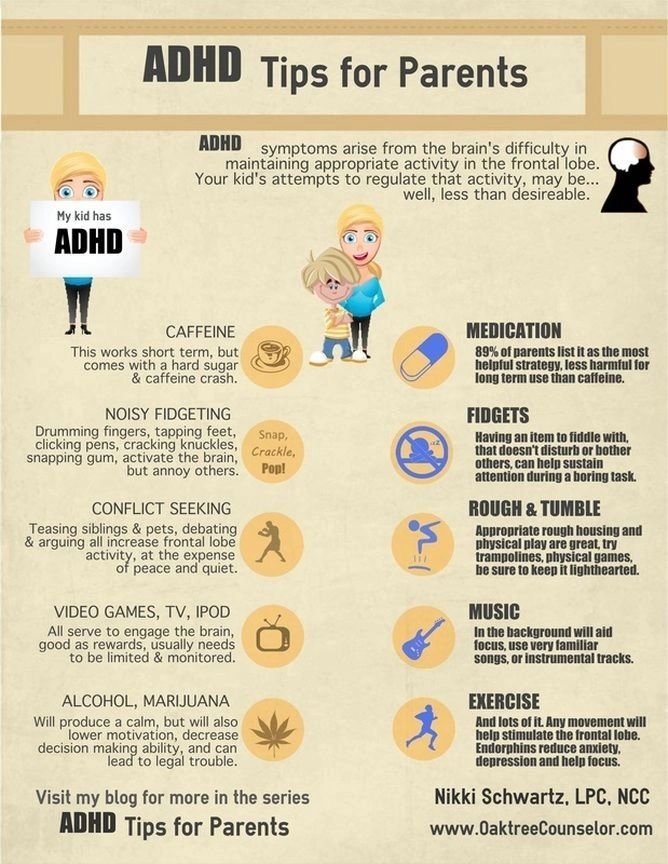
ADHD, which stands for Attention Deficit Hyperactivity Disorder, is a neurodevelopmental disorder that is commonly diagnosed in childhood but can persist into adulthood. It is characterized by persistent patterns of inattention, hyperactivity, and impulsivity that can significantly impact a person’s ability to function in various settings, such as school, work, and social interactions.
Signs and symptoms of ADHD
The signs and symptoms of ADHD can vary from person to person and can present differently between children and adults. Some common signs of inattention include having difficulty sustaining focus on tasks, being easily distracted, and frequently losing things. Hyperactivity symptoms may manifest as excessive fidgeting, restlessness, and difficulty staying seated. Impulsivity symptoms can include interrupting others, difficulty waiting for turns, and blurting out answers without thinking. It is important to note that these symptoms must be present in multiple settings and interfere with daily functioning to be diagnosed as ADHD.
Diagnosis and Treatment
Getting a diagnosis
If you suspect that you or your child may have ADHD, it is important to seek a professional diagnosis from a qualified healthcare provider. The process typically involves a comprehensive evaluation that considers the individual’s medical history, developmental history, and behavioral observations. Input from parents, teachers, and other caregivers is often taken into account to provide a complete picture. It’s crucial to remember that ADHD diagnoses should only be made by trained professionals.
Medication options
Medication can be a helpful component of an ADHD treatment plan. Stimulants, such as methylphenidate or amphetamines, are commonly prescribed to manage symptoms by improving focus and reducing hyperactivity. Non-stimulant medications like atomoxetine may also be prescribed when stimulants are not suitable or effective. It is important to work closely with a healthcare provider to determine the right medication and dosage for your specific situation. Regular monitoring and follow-up appointments are essential to ensure the medication’s effectiveness and monitor any potential side effects.
Therapy and counseling
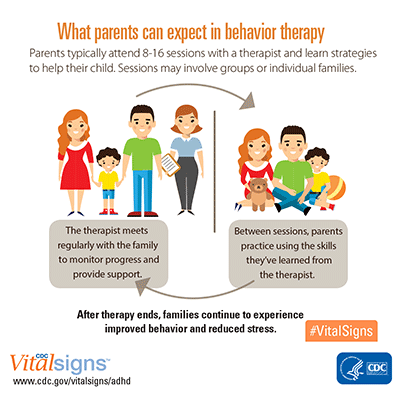
Therapy and counseling play a crucial role in managing ADHD. Behavioral therapy, such as Cognitive Behavioral Therapy (CBT), can help individuals develop strategies to improve time management, organizational skills, and impulse control. It can also help address negative thought patterns that may contribute to low self-esteem or anxiety. Additionally, individual therapy or support groups can provide a safe space to discuss and work through the emotional challenges that often accompany ADHD. Parent training and education programs can also be beneficial in equipping parents with effective strategies for managing their child’s ADHD symptoms and improving family dynamics.
Creating a Supportive Environment
Establishing routines
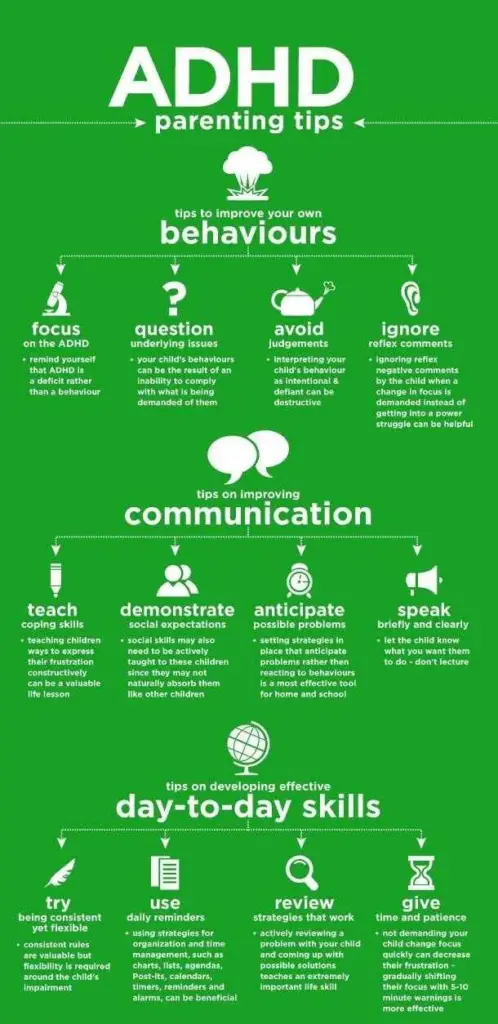
Routines can be incredibly helpful for individuals with ADHD, as they provide structure and predictability. Establishing consistent daily routines for waking up, meals, homework, and bedtime can help reduce stress and promote positive behaviors. Make sure to establish clear expectations and communicate them to your child. Use visual aids or charts to create a visual representation of the routine, making it easier for your child to follow.
Setting up a homework and study area
Creating a designated homework and study area can greatly enhance productivity and focus. Ensure that the area is quiet, free from distractions, and equipped with necessary school supplies. Organize the space to minimize clutter and provide a clear workspace. Consider using tools such as timers or visual schedules to help your child stay on track and manage their time effectively. Additionally, breaking down tasks into smaller, more manageable parts can help your child feel less overwhelmed and more motivated to complete their assignments.
Creating clear expectations and rules
Establishing clear expectations and rules is essential for fostering a supportive environment for a child with ADHD. Clearly communicate behavioral expectations and consequences for both positive and negative behaviors. Keep the rules simple, specific, and consistent. Visual reminders, such as charts or checklists, can be helpful in reinforcing expectations and keeping your child accountable. Prioritize positive reinforcement and rewards to motivate your child and highlight their successes.
Effective Parenting Strategies
Positive reinforcement and rewards
Positive reinforcement is a powerful tool when parenting a child with ADHD. Praising and rewarding desired behaviors can reinforce positive habits and motivate your child. Be specific in your praise, pointing out exactly what behavior you are proud of. Consider implementing a reward system where your child can earn points or tokens for meeting specific goals, which can then be exchanged for privileges or preferred activities. Remember to be consistent and fair in rewarding positive behaviors to maintain their effectiveness.
Using visual aids and organization tools
Visual aids and organization tools can greatly assist children with ADHD in managing their daily lives. Visual schedules, calendars, and checklists can provide a clear visual representation of tasks, appointments, and routines. Use color coding and visual cues to help your child remember and prioritize tasks. Bulletin boards or whiteboards can be used to display important information or reminders. Additionally, organizing school materials, such as using labeled folders or binders, can help your child stay organized and minimize the chance of losing assignments.
Implementing behavior management techniques
Behavior management techniques, such as consequence and reward systems, can be effective in promoting positive behaviors and discouraging negative ones. Consistency is key when implementing these techniques. Establish clear consequences for undesirable behaviors, ensuring they are reasonable and proportional. Avoid using punishment as the primary approach, instead focus on teaching and reinforcing appropriate behaviors. Utilize redirection, positive reinforcement, and praise to encourage your child to make positive choices. Remember, patience and understanding are crucial components when using behavior management techniques.
Developing Social Skills
Encouraging social interaction
Children with ADHD often struggle with social skills, making it essential to provide opportunities for social interaction and practice. Encourage your child to engage in activities or join clubs or organizations where they can meet and interact with peers who share similar interests. Role-playing and practicing social scenarios at home can also help build their social skills. Providing clear instructions and modeling appropriate behavior can go a long way in helping your child feel more confident and successful in social settings.
Teaching self-regulation and impulse control
Self-regulation and impulse control are vital skills for individuals with ADHD to develop. Teach your child techniques to recognize and manage their emotions and impulses. Deep breathing exercises, mindfulness techniques, and self-calming strategies, such as counting to ten or taking a break, can help your child gain control in challenging situations. Practice these techniques together and provide positive reinforcement when your child successfully applies them. Consistency and patience are crucial, as mastering self-regulation takes time and practice.
Addressing social challenges
It’s important to address the social challenges that children with ADHD may face. Communicate openly with your child about their struggles and emotions, providing a safe space for them to express themselves. Help them understand that it is okay to ask for help or clarification when they encounter social difficulties. Encourage empathy and understanding by discussing other people’s feelings and perspectives. Working with teachers and school staff to create a supportive and inclusive environment can also significantly impact your child’s social experiences.
Working with Schools and Educators
Collaborating with teachers
Collaborating with teachers is crucial in ensuring your child’s needs are met within the school setting. Schedule regular meetings with your child’s teachers to discuss their progress and any challenges they may be facing. Share relevant information about your child’s ADHD diagnosis, treatment plan, and any strategies that have been successful at home. Work together to develop a consistent approach to support your child’s learning and behavior. Maintain open lines of communication throughout the school year to address any concerns or adjustments that may be necessary.
Developing an Individualized Education Plan (IEP)
An Individualized Education Plan (IEP) is a legally binding document that outlines the educational goals, accommodations, and services your child requires to succeed academically. Collaborate with your child’s school to develop an IEP that addresses their specific needs related to ADHD. This plan may include accommodations such as extended time for assignments and tests, preferential seating, or the use of assistive technology. It is essential to review and update the IEP regularly to ensure your child’s needs are being met as they grow and develop.
Advocating for your child’s needs
Advocacy is a crucial part of supporting your child with ADHD in an educational setting. Be proactive in communicating with school administrators, teachers, and support staff about your child’s needs. Familiarize yourself with relevant laws and regulations that protect your child’s rights and ensure they receive the appropriate support. If necessary, seek guidance from organizations or professionals specializing in educational advocacy for children with ADHD. Remember, you are your child’s strongest advocate, and your active involvement can make a significant difference in their educational journey.
Building a Support Network
Joining support groups
Connecting with other parents who have children with ADHD can provide invaluable support and understanding. Join local support groups or online communities where you can share experiences, exchange advice, and find a sense of community. Hearing other parents’ stories and strategies can offer reassurance and ideas for managing the unique challenges of parenting a child with ADHD. Additionally, attending support group meetings or parent training programs can provide opportunities to learn from experts in the field and gain insight into effective parenting strategies.
Seeking professional help
If you find yourself feeling overwhelmed or struggling to manage the challenges of parenting a child with ADHD, seeking professional help is essential. Reach out to mental health professionals who specialize in ADHD or child psychology. They can provide guidance, support, and coping strategies tailored to your specific situation. Therapy or counseling for yourself can also be beneficial in managing stress, improving communication, and enhancing your parenting skills. Remember, taking care of your own well-being is crucial to effectively support your child.
Connecting with other parents
Creating connections with other parents who are navigating similar experiences can be incredibly valuable. Seek opportunities to connect with other parents of children with ADHD, whether it’s through school events, parenting workshops, or online communities. Sharing your journey, discussing challenges and successes, and offering mutual support can be immensely helpful. These connections allow you to lean on others who truly understand the unique joys and difficulties of raising a child with ADHD.
Taking Care of Yourself
Managing stress and self-care
Parenting a child with ADHD can be challenging and stressful at times, making self-care an essential aspect of your well-being. Find coping mechanisms that work for you, such as engaging in regular exercise, practicing mindfulness or meditation, or pursuing hobbies that bring you joy. Set aside time for yourself each day to recharge and relax. Proper sleep, nutrition, and exercise are fundamental components of self-care that can significantly impact your ability to manage stress and provide optimal support for your child.
Seeking support for yourself
Don’t be afraid to seek support for yourself when needed. Lean on family and friends who can offer understanding and assistance. Consider joining counseling or therapy sessions to navigate any emotional challenges you may be facing. Support groups for parents of children with ADHD can also provide a safe space to share experiences and gain insight from others who may be going through similar situations. Remember, your own well-being is essential, and seeking support is a sign of strength, not weakness.
Finding balance in your life
Finding a balance between your responsibilities as a parent, your own needs, and other aspects of your life is critical when parenting a child with ADHD. Prioritize tasks and responsibilities according to their importance and urgency. Delegate tasks when possible and don’t hesitate to ask for help when needed. Set realistic expectations for yourself and acknowledge that perfection is not attainable. Finding moments of joy and laughter within your family life can help maintain a positive and balanced perspective. Remember, taking care of yourself enables you to provide the best support for your child with ADHD.

Understanding Coexisting Conditions
Common coexisting conditions with ADHD
ADHD often coexists with other conditions, which can complicate the diagnostic and treatment process. Some common coexisting conditions include learning disabilities, anxiety disorders, oppositional defiant disorder (ODD), and autism spectrum disorders. Understanding and identifying these conditions is essential for developing a comprehensive treatment plan that addresses all aspects of your child’s needs.
Addressing coexisting conditions
Addressing coexisting conditions requires a multidimensional approach. Working with healthcare professionals who specialize in coexisting conditions can help provide appropriate interventions and therapies. Collaborate with your child’s healthcare team to develop an individualized treatment plan that addresses each condition’s unique symptoms and challenges. Open communication between healthcare providers, therapists, and educators is crucial to ensure consistency and coordination in your child’s care.
Seeking professional guidance
Navigating the complexities of ADHD and coexisting conditions can be challenging, and seeking professional guidance is essential. Consult with healthcare professionals, psychologists, or psychiatrists who specialize in ADHD and coexisting conditions. They can provide expert advice, and diagnostic assessments, and recommend appropriate interventions for your child. Keep an open line of communication with the professionals involved in your child’s care to ensure a comprehensive understanding of their needs.
Celebrating Progress and Strengths
Recognizing achievements
It is important to celebrate your child’s achievements, no matter how big or small. ADHD can present many challenges, but acknowledging and highlighting your child’s accomplishments can boost their self-esteem and motivation. Celebrate milestones, academic improvements, and personal growth. Offer praise and positive reinforcement for their efforts and hard work. Providing constructive feedback can also help your child understand areas where they can continue to grow and improve.
Focusing on strengths
While it’s important to address and support areas of difficulty, focusing on your child’s strengths is equally crucial. Identify and nurture their unique talents, passions, and skills. Encourage participation in activities or hobbies that allow them to excel and build self-confidence. Celebrate and showcase their strengths in various settings, such as school or community events. By emphasizing their abilities and providing opportunities for success, you can help your child develop a strong sense of self-worth and resilience.
Promoting self-esteem
Promoting self-esteem is vital for a child with ADHD, who may face challenges that impact their confidence. Encourage a growth mindset, emphasizing that abilities and skills can be developed through effort and practice. Provide ongoing support, patience, and reassurance, reminding your child that mistakes and setbacks are a normal part of learning and growth. Offer opportunities for them to make choices and take ownership of their progress. Building self-esteem is a continuous process, and your consistent support and belief in your child’s abilities can make a lasting impact.
Understanding and supporting a child with ADHD requires a comprehensive approach that addresses their unique needs. By educating yourself about ADHD, advocating for your child, implementing effective parenting strategies, and building a support network, you can provide the tools and resources necessary for your child to thrive. Remember to prioritize self-care and celebrate your child’s progress and strengths along the way. With the right support and guidance, children with ADHD can overcome challenges, develop healthy coping mechanisms, and fulfill their potential.
Watch This Video Below
Related Terms About Parenting a Child with ADHD
Adhd Parenting Courses, Books On Parenting A Child With Adhd, Chadd Parenting A Child With Adhd, Challenges Of Parenting A Child With Adhd, Co Parenting A Child With Adhd, Helping A Child Understand Adhd, Helping A Child With Adhd At Home, Helping A Child With Adhd At School, Helping A Child With Adhd Get To Sleep, Helping A Child With Adhd In Class