
In this article, you will gain a better understanding of anxiety disorders in children. We will explore the various types of anxiety disorders that can affect young minds and how they can manifest in different ways. By raising awareness and providing insights into the signs and symptoms, we hope to equip parents, caregivers, and educators with the knowledge they need to support children who may be dealing with anxiety disorders. Let’s explore this important topic together and create a safe and nurturing environment for our little ones.
Understanding Anxiety Disorders in Children
Anxiety disorders in children are more common than we may think. Many parents and caregivers often dismiss anxiety as simple shyness or fear, but it is important to recognize and understand that anxiety disorders are legitimate mental health conditions that can significantly impact a child’s life. By understanding the different types of anxiety disorders, their symptoms, causes, and the impact they have on children’s daily lives, we can better support and help children who are struggling with anxiety.

Types of Anxiety Disorders in Children
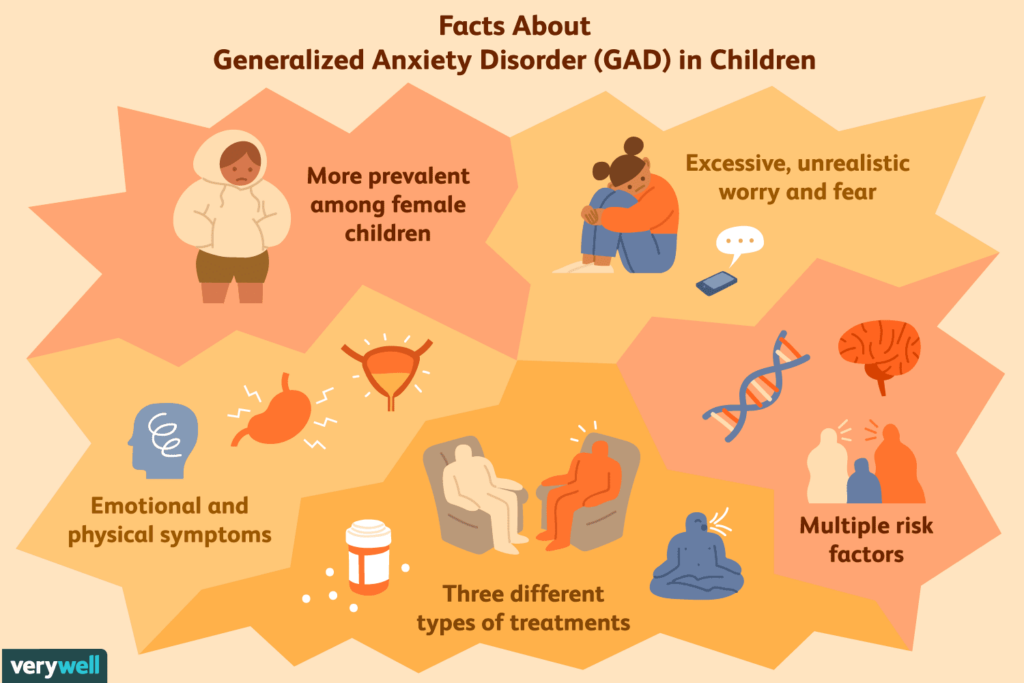
There are several types of anxiety disorders that can affect children. Generalized anxiety disorder (GAD) is characterized by excessive worry and fear about various aspects of life, even when there is no apparent reason for concern. Separation anxiety disorder occurs when children experience distress and excessive worry when they are separated from their parents or caregivers. Social anxiety disorder involves an intense fear of social situations or being judged by others. Specific phobias refer to extreme and irrational fears of specific objects or situations, such as animals, heights, or needles. Panic disorder is categorized by unexpected and recurrent panic attacks, which are sudden feelings of intense fear that often include physical symptoms like chest pain or shortness of breath. Lastly, selective mutism is a condition where children consistently fail to speak in certain social situations, despite being able to speak in other settings.
Symptoms of Anxiety Disorders in Children
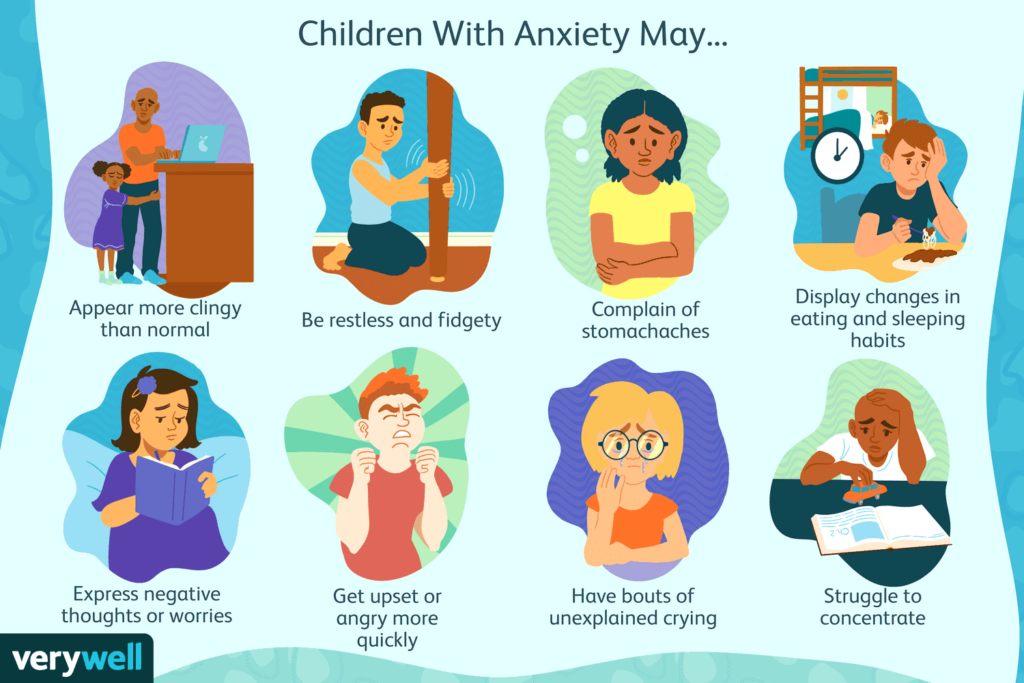
Recognizing the symptoms of anxiety disorders in children can help us identify when they may be struggling. Some common symptoms include excessive worrying, feelings of restlessness or nervousness, difficulty concentrating, irritability, muscle tension, physical complaints such as headaches or stomachaches, sleep disturbances, and avoiding certain situations or places. It is important to remember that every child may experience anxiety differently, so it is crucial to pay attention to any significant changes in your child’s behavior or well-being.
Causes of Anxiety Disorders in Children
Anxiety disorders in children can arise from a combination of factors, including genetic predisposition, brain chemistry, environmental factors, and life experiences. Children who have a family history of anxiety disorders may be more prone to developing anxiety themselves. Additionally, imbalances in brain chemicals like serotonin or gamma-Aminobutyric acid (GABA) can contribute to anxiety. Certain life experiences, such as trauma or significant stress, can also trigger or worsen anxiety symptoms in children.
Impact of Anxiety Disorders on Children’s Daily Lives
Anxiety disorders can have a significant impact on a child’s daily life, affecting various aspects of their well-being. Children with anxiety disorders may struggle academically due to difficulties concentrating or participating in classroom activities. Socially, they may have trouble making friends or participating in social outings, leading to feelings of isolation and loneliness. Anxiety can also interfere with their sleep patterns, causing frequent nightmares or difficulty falling asleep. In some cases, children with anxiety disorders may develop additional mental health issues, such as depression or substance abuse, as they grow older.
Diagnosing Anxiety Disorders in Children
Diagnosing anxiety disorders in children usually involves a thorough assessment conducted by a mental health professional. The professional will typically conduct interviews with both the child and their parents or caregivers to gather information about the child’s symptoms, behaviors, and overall functioning. They may also administer various psychological tests to further understand the child’s anxiety and determine the appropriate diagnosis. It is important to consult with a qualified professional to ensure an accurate diagnosis and appropriate treatment.
Treatment Options for Anxiety Disorders in Children
Fortunately, there are effective treatment options available for children with anxiety disorders. Two commonly used treatments are cognitive-behavioral therapy (CBT) and medication.

Cognitive-Behavioral Therapy (CBT)
CBT is a type of therapy that focuses on helping children identify and change negative patterns of thinking and behaving that contribute to their anxiety. It involves teaching children coping skills, relaxation techniques, and ways to challenge and reframe their anxious thoughts. With the guidance of a trained therapist, children can learn to manage their anxiety and develop healthier ways of dealing with stressful situations.
Medication for Anxiety Disorders in Children
In some cases, medication may be prescribed to help manage symptoms of anxiety disorders in children. Medications such as selective serotonin reuptake inhibitors (SSRIs) can be used to help regulate brain chemistry and reduce anxiety symptoms. It is important to note that medication should always be prescribed and closely monitored by a qualified healthcare professional, as the benefits and potential risks must be carefully weighed.
Supporting Children with Anxiety Disorders
As parents, caregivers, or educators, it is crucial to provide a supportive and understanding environment for children struggling with anxiety disorders. This can include maintaining open lines of communication, actively listening to their concerns, and providing reassurance and encouragement. Creating a predictable and structured routine can help alleviate anxiety as it provides a sense of stability for the child. It is also important to encourage children to engage in activities they enjoy and to praise their efforts and accomplishments. Remember, a little empathy and patience can go a long way in supporting children with anxiety disorders.
Preventing and Managing Anxiety Disorders in Children
While it may not always be possible to prevent anxiety disorders in children, there are strategies that can help manage and reduce anxiety symptoms. Teaching children relaxation techniques, such as deep breathing exercises or mindfulness, can provide them with tools to calm themselves during anxious moments. Encouraging regular physical exercise and promoting healthy lifestyle habits, such as proper nutrition and adequate sleep, can also contribute to overall well-being and potentially reduce anxiety symptoms. Additionally, providing a safe space for children to express their feelings and concerns and seeking professional help when needed are essential steps in managing anxiety disorders in children.
In conclusion, understanding anxiety disorders in children is crucial for proper identification and support. By recognizing the different types, symptoms, causes, and impact of anxiety disorders, we can effectively navigate the path to diagnosis and treatment. With the right combination of therapy, medication, and supportive environments, children with anxiety disorders have the best chance of managing their anxiety and leading fulfilling lives.
