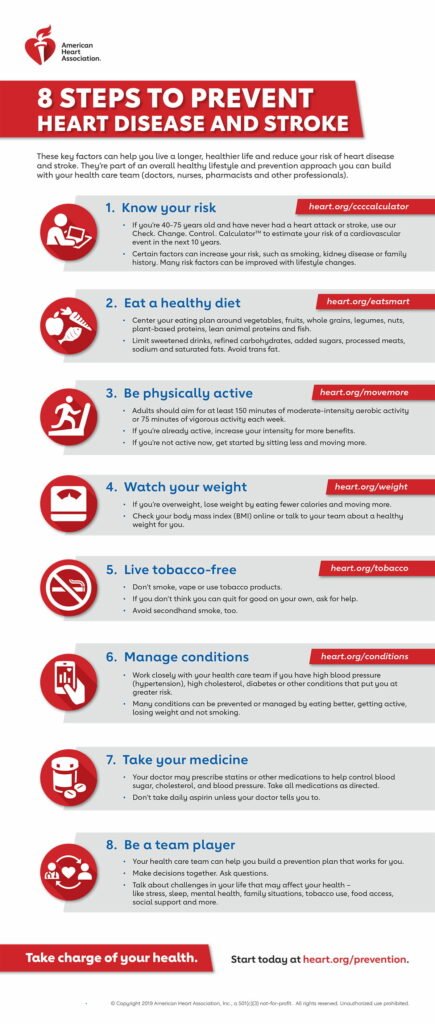
You’ve heard the saying: “keep your friends close and your enemies closer.” Well, when it comes to your heart, it’s essential to keep an eye on it, understand its rhythms, and take preventive measures to ensure a healthy and happy life. In this article, we’ll explore some valuable tips for preventing arrhythmia – an irregular heartbeat – and keeping your heart in great shape. From lifestyle changes to dietary adjustments, you’ll find practical and friendly advice to maintain a healthy heart and embrace a more vibrant life. So, let’s get started on this journey towards a heart-healthy lifestyle together!
Maintaining a Healthy Lifestyle
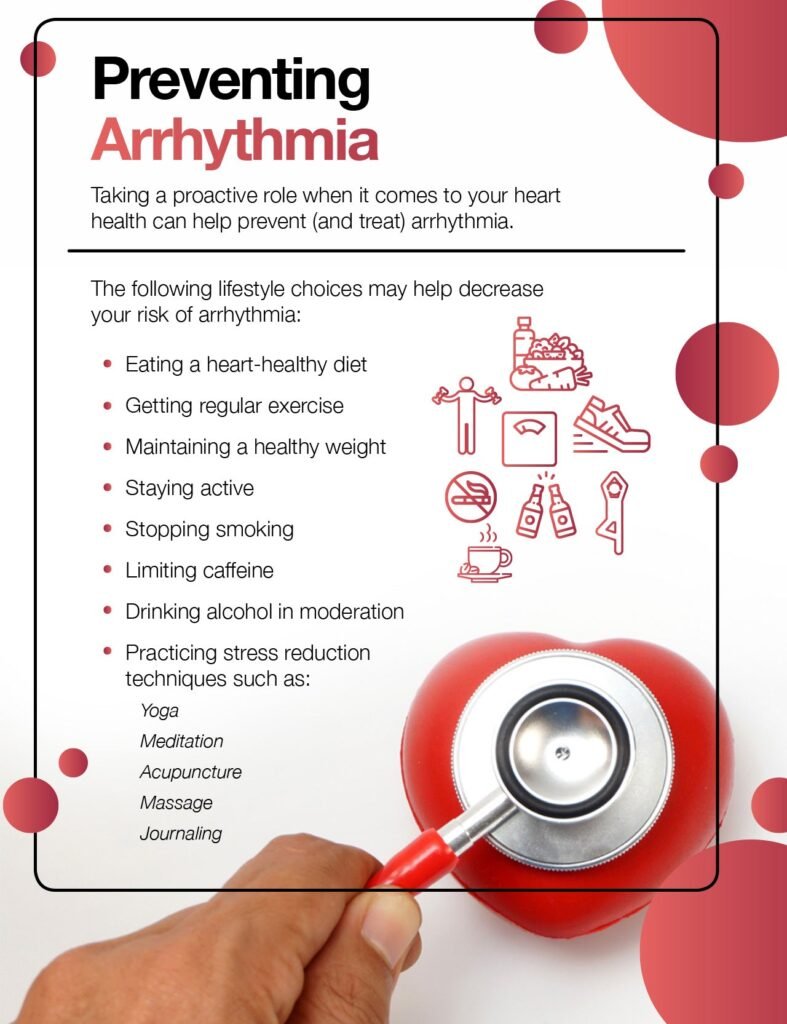
Maintaining a healthy lifestyle is crucial for overall well-being, and it plays a significant role in preventing various health conditions, including heart-related issues. By making certain lifestyle choices, you can reduce your risk of developing heart problems and promote a healthy heart. Here are some important aspects to consider when it comes to maintaining a healthy lifestyle.
Manage Stress Levels
Stress is an inevitable part of life, but excessive stress can have a negative impact on your heart health. Chronic stress can lead to high blood pressure and increase the risk of heart disease. Therefore, it is essential to find effective ways to manage stress levels. Engaging in activities that you enjoy, such as hobbies or spending time with loved ones, can help alleviate stress. Additionally, practicing relaxation techniques like deep breathing exercises, meditation, or yoga can have a calming effect on both the mind and body.
Stay Active
Regular physical activity is not only important for maintaining a healthy weight but also for promoting a healthy heart. Engaging in at least 150 minutes of moderate-intensity aerobic exercise or 75 minutes of vigorous aerobic exercise per week can significantly reduce the risk of heart disease. This can include activities such as brisk walking, jogging, swimming, or cycling. Remember, even small lifestyle changes like taking the stairs instead of the elevator or going for a short walk during your lunch break can make a big difference in your overall fitness.
Avoid Smoking and Excessive Alcohol
Smoking and excessive alcohol consumption are known to be detrimental to heart health. Smoking damages the blood vessels, reduces oxygen supply to the heart, and increases the risk of heart disease. On the other hand, excessive alcohol intake can lead to high blood pressure, irregular heart rhythms, and weakened heart muscles. If you are a smoker, quitting smoking is one of the best things you can do for your heart. And when it comes to alcohol, it’s important to consume it in moderation. That means no more than one drink per day for women and two drinks per day for men.
Maintain a Healthy Weight
Maintaining a healthy weight is vital for preventing a variety of health problems, including heart disease. Excess body weight puts added stress on the heart and increases the risk of high blood pressure, high cholesterol, and diabetes. To maintain a healthy weight, it is important to strike a balance between the calories you consume and the calories you burn through physical activity. Incorporating a combination of cardiovascular exercises, strength training, and flexibility exercises into your routine can help you achieve and maintain a healthy weight.
Follow a Balanced Diet
A balanced diet is a cornerstone of a healthy lifestyle, and when it comes to heart health, it becomes even more important. Your diet should consist of nutrient-dense foods that provide the necessary vitamins, minerals, and antioxidants. To promote a healthy heart, it is recommended to:
- Reduce Sodium Intake: Excessive sodium consumption can raise blood pressure levels, so it’s important to limit your intake of salty foods and opt for low-sodium alternatives when possible.
- Increase Fiber Consumption: Consuming an adequate amount of fiber, found in whole grains, fruits, and vegetables, helps lower cholesterol levels and maintain a healthy weight.
- Choose Lean Protein: Include lean sources of protein, such as fish, poultry, legumes, and nuts, while limiting the intake of red meat and processed meats.
- Include Antioxidant-Rich Foods: Antioxidants play a crucial role in protecting the heart by reducing inflammation and preventing the buildup of plaque in the arteries. Include foods like berries, dark chocolate, and leafy greens in your diet to reap the benefits.
Regular Exercise
Regular exercise is not only beneficial for maintaining a healthy weight but also plays a vital role in promoting a healthy heart. When it comes to incorporating exercise into your routine, it is important to focus on various types of exercises to reap the maximum benefits.
Cardiovascular Exercises
Cardiovascular exercises, also known as aerobic exercises, are particularly effective in improving heart health. These exercises increase your heart rate and strengthen your cardiovascular system. Activities such as brisk walking, jogging, cycling, swimming, and dancing are excellent examples of cardiovascular exercises. Aim for at least 150 minutes of moderate-intensity aerobic exercise or 75 minutes of vigorous aerobic exercise per week, spread out over several days.
Strength Training
Strength training exercises, also known as resistance exercises, help build and tone your muscles. While cardiovascular exercises focus on the heart and lungs, strength training exercises target the skeletal muscles. Engaging in strength training two to three times a week not only helps in maintaining a healthy weight but also improves overall body composition. You can use free weights, resistance bands, or weight machines in the gym to perform strength training exercises. Make sure to include exercises that target different muscle groups for a well-rounded workout.
Flexibility Exercises
Flexibility exercises help maintain the range of motion in your joints and muscles. Stretching exercises, yoga, and Pilates are great examples of flexibility exercises. These exercises not only improve flexibility but also promote relaxation and stress reduction. Incorporating stretching exercises into your exercise routine can help prevent injuries, improve posture, and alleviate muscle tension.
Eating a Heart-Healthy Diet
A heart-healthy diet is essential for maintaining optimal heart health and preventing various cardiovascular conditions. By following a few dietary guidelines, you can significantly reduce your risk of heart disease.
Reduce Sodium Intake
Excessive consumption of sodium can raise blood pressure levels, increasing the risk of heart disease. It is important to limit the amount of sodium in your diet by avoiding or minimizing processed and packaged foods, which often contain high levels of sodium. Opt for fresh, whole foods, and be mindful of the amount of salt you add during cooking or at the table. Using other herbs and spices to enhance the flavor of your meals is a healthier alternative.
Increase Fiber Consumption
Fiber plays a crucial role in maintaining heart health. It helps lower cholesterol levels, stabilizes blood sugar, and promotes a healthy weight. Include fiber-rich foods in your diet, such as whole grains, fruits, vegetables, legumes, and nuts. These foods not only provide essential nutrients but also keep you feeling full and satisfied for longer, reducing the likelihood of overeating.
Choose Lean Protein
Protein is an essential macronutrient needed for the growth and repair of tissues, including those in the heart. However, it’s important to choose lean sources of protein to maintain a healthy heart. Opt for skinless poultry, fish, legumes, and nuts, which are excellent sources of protein without the added saturated fat found in red meat and processed meats. Incorporating plant-based protein sources into your diet can also have added benefits for heart health.
Include Antioxidant-Rich Foods
Antioxidants help protect the heart by reducing inflammation and preventing the buildup of plaque in the arteries. Including antioxidant-rich foods in your diet can provide numerous health benefits. Berries, dark chocolate, leafy greens, tomatoes, and nuts are all excellent sources of antioxidants. These foods not only promote heart health but also provide essential nutrients that support overall well-being.
Limiting Caffeine and Alcohol
While moderate consumption of both caffeine and alcohol has some potential health benefits, excessive intake can pose risks to heart health. It is important to be mindful of your caffeine and alcohol consumption and make informed choices.
Caffeine Consumption
Caffeine, commonly found in coffee, tea, energy drinks, and some sodas, can temporarily increase heart rate and blood pressure. It is generally safe for most individuals, but excessive caffeine intake can lead to side effects such as heart palpitations or irregular heart rhythms. It is recommended to limit caffeine consumption to moderate levels, which roughly translates to about 400 milligrams per day, or about 2-3 cups of coffee. However, individual sensitivity to caffeine may vary, so it’s important to listen to your body and adjust your intake accordingly.
Alcohol Consumption
Moderate alcohol consumption, particularly red wine, has been associated with some potential health benefits, mainly due to its antioxidant properties. However, excessive alcohol intake can have harmful effects on the heart. It can lead to high blood pressure, irregular heart rhythms, and weakened heart muscles. If you choose to drink alcohol, it is important to do so in moderation. That means no more than one drink per day for women and two drinks per day for men. It’s also important to note that individuals with certain health conditions or those who are taking certain medications should avoid alcohol altogether.
Maintaining a Healthy Weight
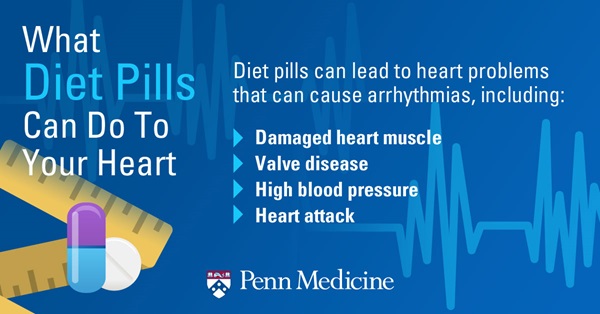
Maintaining a healthy weight is an essential component of heart health. Excess body weight puts added stress on the heart and increases the risk of high blood pressure, high cholesterol, and diabetes. There are a few key factors to consider when it comes to maintaining a healthy weight.
Body Mass Index (BMI)
Body Mass Index (BMI) is a measure of body fat based on your height and weight. It is used as a screening tool to determine whether you are underweight, normal weight, overweight, or obese. Maintaining a BMI within the normal range (18.5 to 24.9) is ideal for heart health. Regularly monitoring your BMI can help you track your progress and make necessary adjustments to your lifestyle.
Waist Circumference
In addition to BMI, waist circumference is another important measure to consider when assessing your weight and overall health. Excess fat around the waist is particularly harmful to heart health. Men with a waist circumference above 40 inches and women with a waist circumference above 35 inches have an increased risk of heart disease. To measure your waist circumference, use a tape measure and wrap it around your waist, just above your belly button. Maintaining a healthy waist circumference can contribute to a healthier heart.
Managing Stress Levels
Chronic stress can negatively impact your heart health, therefore managing stress levels is crucial for a healthy heart. Here are some effective strategies to help manage stress.
Exercise Regularly
Regular exercise not only benefits physical health but also has a positive impact on mental well-being. Engaging in physical activity stimulates the production of endorphins, which are known as “feel-good” hormones. Aim for at least 30 minutes of moderate-intensity exercise most days of the week. Find activities that you enjoy, whether it’s going for a walk, practicing yoga, or dancing to your favorite music. Exercise can help reduce stress, improve mood, and promote relaxation.
Practice Relaxation Techniques
Incorporating relaxation techniques into your daily routine can effectively reduce stress levels. Deep breathing exercises, meditation, and mindfulness techniques can help calm your mind and body. Schedule a few minutes each day to sit in a quiet space and practice deep breathing or meditation. Focus on your breath and let go of any tension or stress. Over time, with regular practice, you will develop a greater sense of peace and resilience to stress.
Get Enough Sleep
Adequate sleep is essential for overall health, including heart health. Lack of sleep can contribute to increased stress levels and a higher risk of heart disease. Aim for 7-9 hours of quality sleep each night. Establishing a relaxing bedtime routine, creating a sleep-friendly environment, and avoiding stimulating activities or electronic devices before bed can help improve the quality of your sleep. Make sleep a priority and reap the benefits for your heart and overall well-being.

Avoiding Smoking and Excessive Alcohol
Smoking and excessive alcohol consumption are two major risk factors for heart disease. Taking steps to avoid these habits can significantly improve your heart health.
Quit Smoking
If you are a smoker, quitting smoking should be a top priority for maintaining a healthy heart. Smoking damages the blood vessels, reduces oxygen supply to the heart, and increases the risk of heart disease. Seek help from healthcare professionals, friends, or support groups to develop a plan and find effective strategies to quit smoking. With determination and support, you can break free from this harmful habit and improve your heart health.
Moderate Alcohol Consumption
While moderate alcohol consumption can have some potential health benefits, excessive alcohol intake is detrimental to heart health. It can lead to high blood pressure, irregular heart rhythms, and weakened heart muscles. It is important to consume alcohol in moderation, adhering to the recommended guidelines. That means no more than one drink per day for women and two drinks per day for men. If you have a history of alcohol-related problems or if you are taking certain medications, it may be best to avoid alcohol altogether. Consult with your healthcare provider for personalized advice.
Getting Sufficient Sleep
Quality sleep is essential for overall health, and it plays a crucial role in heart health as well. Insufficient sleep can lead to increased stress levels, high blood pressure, and an increased risk of heart disease. Here are some tips to help you get sufficient sleep.
Establish a Routine
Establishing a consistent sleep routine can help regulate your body’s internal clock and improve sleep quality. Try to go to bed and wake up at the same time every day, even on weekends. This helps synchronize your sleep-wake cycle and promotes a more restful sleep. Create a relaxing bedtime routine that includes activities such as reading, taking a warm bath, or practicing relaxation techniques. By following a routine, your body will learn to associate these activities with sleep, making it easier to fall asleep and stay asleep.
Create a Sleep-Friendly Environment
Creating a sleep-friendly environment can contribute to better sleep quality. Ensure your bedroom is cool, dark, and quiet. Use blackout curtains or an eye mask to block out light, use earplugs or a white noise machine to minimize noise disruptions, and invest in a comfortable mattress and pillows that support your body. Remove any electronic devices or distractions from your bedroom, as they can interfere with your sleep and make it harder to relax.
Avoid Stimulants Before Bed
Stimulants like caffeine, nicotine, and alcohol can disrupt your sleep patterns. Avoid consuming these substances close to bedtime to ensure better sleep quality. Caffeine, found in coffee, tea, chocolate, and some sodas, can stay in your system for several hours and can make it harder to fall asleep. Similarly, nicotine is a stimulant that not only affects sleep but also contributes to other heart-related issues. By limiting or avoiding the consumption of these substances, especially in the evening, you can promote a more restful sleep.

Monitoring Medications
If you are taking medications to manage existing health conditions or prevent certain diseases, it is important to diligently monitor and follow your prescribed treatment plan. Here are some considerations when it comes to managing medications for a healthy heart.
Consult Doctor about Medications
It is crucial to consult with your healthcare provider about the medications you are taking. Inform them of any other supplements or over-the-counter medications you are using to avoid potential interactions. Regularly review your medications with your doctor to ensure they are still appropriate for your current health status.
Follow Prescribed Dosages
It is essential to adhere to your prescribed dosages and follow the instructions provided by your healthcare provider or pharmacist. Take medications at the recommended times and avoid skipping doses or doubling up on doses. If you have any questions or concerns about your medications, don’t hesitate to discuss them with your healthcare provider for clarification or adjustments.
Be Aware of Potential Side Effects
Every medication has the potential for side effects. It is important to be aware of potential side effects and communicate any new or unusual symptoms to your healthcare provider. They can evaluate whether the symptoms are related to the medication or require further investigation. Any changes or adjustments to your medications should be done under the guidance of your healthcare provider.
Regular Check-ups
Regular check-ups and medical screenings are essential for maintaining a healthy heart. They allow for the early detection of any potential heart-related issues, providing an opportunity for early intervention and effective management. Here are some key considerations when it comes to regular check-ups.
Schedule Periodic Check-ups
Even if you feel healthy, it is important to schedule periodic check-ups with your healthcare provider. Regular check-ups allow your doctor to assess your overall health, monitor your blood pressure, cholesterol levels, and other vital indicators. They can also provide guidance on lifestyle modifications if necessary and answer any questions or concerns you may have.
Undergo Recommended Tests
As part of regular check-ups, your healthcare provider may recommend specific tests or screenings to assess your heart health. These may include blood tests to measure cholesterol levels, electrocardiograms (ECGs) to evaluate heart rhythm, and stress tests to assess heart function during exercise. It is important to follow through with these tests to ensure early detection and preventive care.
By implementing these strategies and making small changes to your lifestyle, you can maintain a healthy heart and reduce the risk of heart-related issues. Remember, maintaining a healthy lifestyle is a long-term commitment, and consistency is key. Focus on making gradual improvements and celebrate each milestone along the way. Your heart will thank you for it!