
In this informative article, you’ll discover the profound influence of ADHD on academic performance and gain valuable tips to achieve success despite its challenges. ADHD, a neurological condition that affects both children and adults, can often make it difficult to focus, prioritize, and manage time effectively. However, by implementing practical strategies tailored to your individual needs, you’ll not only be better equipped to navigate academic demands but also enhance your learning experience. So, let’s explore these invaluable tips and unlock the door to academic triumph despite ADHD’s obstacles.
Understanding ADHD
What is ADHD?
ADHD stands for Attention-Deficit/Hyperactivity Disorder, and it is a neurodevelopmental disorder that commonly begins in childhood. It is characterized by persistent patterns of inattention, hyperactivity, and impulsivity that can significantly impact a person’s daily functioning and overall quality of life. Individuals with ADHD often struggle with paying attention, organizing tasks, staying on track, and controlling their impulses.
Prevalence of ADHD
ADHD is one of the most common childhood disorders, and its prevalence has been steadily increasing over the years. According to the Centers for Disease Control and Prevention (CDC), approximately 9.4% of children in the United States have been diagnosed with ADHD. It is important to note that ADHD can also persist into adulthood, with around 4.4% of adults being affected by the disorder. ADHD affects individuals of all genders, socio-economic backgrounds, and ethnicities.
How ADHD affects academic performance
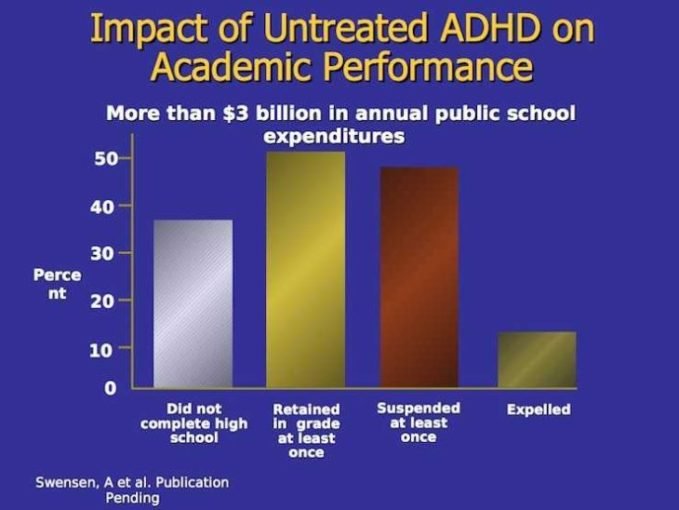
One area where ADHD can have a significant impact is on academic performance. The difficulties individuals with ADHD face in terms of attention, organization, and impulse control can make it challenging for them to succeed in an academic setting. They may struggle with staying focused during lectures or completing assignments on time. Additionally, they may have difficulty following instructions, managing their time effectively, and retaining information. These challenges can lead to lower grades, missed deadlines, and a general feeling of frustration and overwhelm.
Diagnosis and Treatment
Diagnosing ADHD
Diagnosing ADHD involves a comprehensive assessment conducted by a healthcare professional, such as a psychiatrist or psychologist. The process typically involves gathering information from various sources, including the individual, their parents or caregivers, and teachers or other relevant individuals. The diagnostic criteria specified in the Diagnostic and Statistical Manual of Mental Disorders (DSM-5) are used to determine if an individual meets the criteria for ADHD.
Medication
Medication is one of the most commonly prescribed treatments for ADHD. Stimulant medications, such as methylphenidate (e.g., Ritalin) and amphetamine (e.g., Adderall), are often used to help manage the symptoms of ADHD. These medications work by increasing the levels of certain neurotransmitters in the brain, which can improve attention, impulse control, and hyperactivity. It is important to work closely with a healthcare professional to find the right medication and dosage that works best for each individual.
Therapy and other interventions
In addition to medication, various therapies and interventions can be beneficial for individuals with ADHD. Behavioral therapy, such as cognitive-behavioral therapy (CBT), can help individuals develop strategies to improve their attention, organization skills, and impulse control. Additionally, psychoeducation and counseling can provide individuals and their families with a better understanding of ADHD and help them navigate the challenges that come with the disorder. Other interventions, such as occupational therapy or social skills training, can also be helpful in addressing specific areas of difficulty.
Creating a Supportive Environment
Establishing a routine
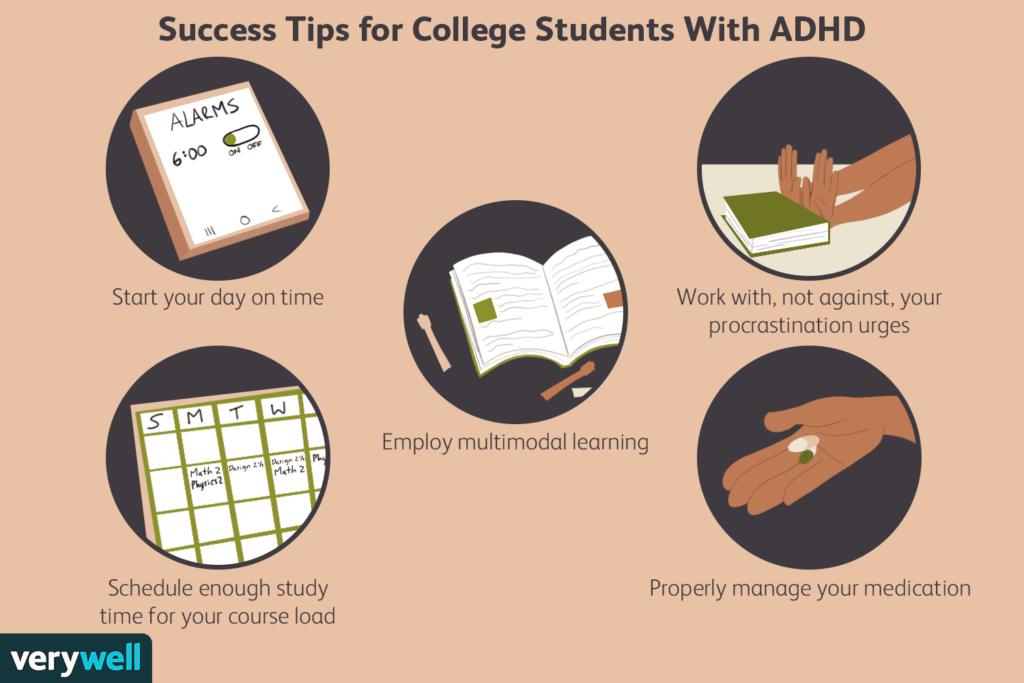
Creating a structured and consistent routine can greatly benefit individuals with ADHD. Setting a daily schedule can help them stay organized, manage their time effectively, and reduce feelings of overwhelm. Consistency in waking up, going to bed, and completing tasks at specific times can help improve overall functioning and reduce stress. It is important to involve individuals with ADHD in the planning process and ensure that the routine is realistic and manageable for them.
Organizing study materials
The organization plays a crucial role in the academic success of individuals with ADHD. Providing them with effective organizational strategies can make a significant difference. Encourage the use of color-coded folders, binders, or digital tools to keep study materials organized and easily accessible. Breaking down assignments into smaller tasks and creating a checklist can help them stay on track and reduce the feeling of being overwhelmed by a large workload.
Reducing distractions
Minimizing distractions in the learning environment can help individuals with ADHD stay focused and engaged. Create a quiet study space where distractions, such as noise and visual stimuli, are minimized. Removing electronic devices or setting time limits for their use can also be helpful. Providing noise-canceling headphones or using white noise machines can further reduce distractions and improve concentration.
Time Management and Planning
Using planners and calendars
Effective time management is crucial for individuals with ADHD to stay organized and meet deadlines. Encourage them to use planners or digital calendars to keep track of assignments, due dates, and other important tasks. Breaking down larger projects into smaller, manageable chunks and assigning specific deadlines for each part can make the overall task feel more manageable and reduce procrastination.
Breaking tasks into manageable chunks
Large tasks can be overwhelming for individuals with ADHD, making it difficult for them to know where to start. Breaking tasks into smaller, more manageable chunks can help alleviate this feeling of overwhelm. Encourage them to create a step-by-step plan for completing the task, and provide regular check-ins and support along the way. Celebrating small milestones can also boost motivation and productivity.
Setting realistic goals
Setting realistic goals is essential for individuals with ADHD to maintain motivation and avoid feeling discouraged. Encourage them to set specific and attainable goals that are within their capabilities. Breaking larger goals into smaller, more achievable objectives can help them stay focused and track their progress. Acknowledging and celebrating their accomplishments, no matter how small, can further motivate and boost their confidence.
Improving Focus and Attention
Minimizing external distractions
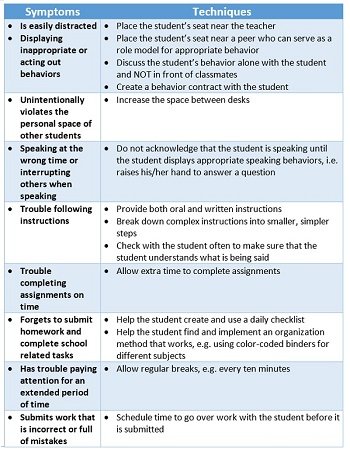
External distractions, such as noise, visual stimuli, or interruptions, can significantly impact the focus and attention of individuals with ADHD. Minimize distractions by creating a designated study area where distractions are limited. Using noise-canceling headphones, closing doors, or utilizing noise-cancellation apps or white noise machines can further reduce external distractions and promote better concentration.
Incorporating movement breaks
Sitting still for extended periods of time can be challenging for individuals with ADHD. Incorporating regular movement breaks into their study routine can help them release excess energy, improve focus, and reduce restlessness. Encourage short breaks for stretching, walking, or engaging in physical activity. Taking breaks between tasks can also help prevent mental fatigue and increase productivity.
Practicing mindfulness and relaxation techniques
Mindfulness and relaxation techniques can help individuals with ADHD improve their focus and attention. Encourage them to practice deep breathing exercises, meditation, or guided imagery to calm their mind and reduce feelings of stress or overwhelm. Incorporating these techniques into their daily routine, especially before studying or engaging in demanding tasks, can help improve their ability to concentrate and enhance their overall well-being.
Note-Taking Strategies
Active listening techniques
Effective note-taking starts with active listening. Encourage individuals with ADHD to actively engage in lectures or discussions by asking questions, highlighting key points, and summarizing important information in their own words. This active participation can help them stay focused and ensure that they retain and understand the material being presented.
Using graphic organizers
Visual aids, such as graphic organizers, can be beneficial for individuals with ADHD when taking notes. Encourage them to use mind maps, concept webs, or flowcharts to organize and connect ideas. These visual representations can help them better understand complex information and create a more structured and cohesive set of notes.
Reviewing and summarizing notes
Reviewing and summarizing notes regularly can reinforce learning and improve retention of information for individuals with ADHD. Encourage them to review their notes shortly after a lecture or study session, condensing the material and highlighting key points. This process of summarization helps solidify knowledge and makes it easier to study and recall information later.

Developing Effective Study Habits
Creating a designated study space
Having a designated study space can help individuals with ADHD establish a dedicated and focused learning environment. Create a clutter-free area with good lighting and minimal distractions. Encourage them to personalize the space with motivational quotes or artwork that inspires them. This dedicated study space can serve as a cue for their brain, signaling that it is time to focus and engage in academic activities.
Using active learning strategies
Active learning strategies actively engage individuals with ADHD in the learning process, making it easier for them to retain information and stay engaged. Encourage them to participate in group discussions, work on hands-on projects, teach the material to someone else, or create flashcards for active recall. These strategies help make the learning process more interactive and enjoyable, leading to better comprehension and retention.
Utilizing mnemonic devices
Mnemonic devices are memory aids that can be particularly helpful for individuals with ADHD when trying to remember information. Encourage them to create acronyms, rhymes, or visual images to help them recall facts, formulas, or other key details. Associating the information with something familiar or creating vivid mental images can greatly improve their ability to retrieve and remember information during exams or other assessments.
Test-Taking Strategies
Preparation and organization
Effective test-taking starts with thorough preparation and organization. Encourage individuals with ADHD to create a study schedule leading up to the exam, breaking down the material into manageable chunks to study each day. Providing them with study guides, practice exams, or other review materials can help familiarize them with the exam format and content. Being prepared and organized can significantly reduce test anxiety and improve performance.
Managing test anxiety
Test anxiety can be a common challenge for individuals with ADHD. Encourage them to practice relaxation techniques, such as deep breathing or positive self-talk, before and during the exam to help calm nerves. Remind them to focus on their own progress and not compare themselves to others. Reinforce the importance of studying and preparing, emphasizing that their efforts and knowledge are what truly matter.
Time management during exams
Managing time effectively during exams is crucial for individuals with ADHD. Encourage them to read through the entire exam before beginning and create a rough plan for how much time to allocate to each section or question. Remind them to prioritize questions they feel more confident about and to pace themselves accordingly. Reassure them that if they run out of time, it is important to focus on completing as many questions as possible rather than getting stuck on a single challenging question.

Seeking Support and Advocacy
Communication with teachers and professors
Open and ongoing communication with teachers and professors is vital for individuals with ADHD to receive the necessary support and accommodations. Encourage them to share their diagnosis and discuss any specific challenges they may be facing. Collaborate with educators to develop strategies or modifications that can help them succeed academically. Regular check-ins can ensure that their needs are being met and provide an opportunity to address any concerns or difficulties.
Utilizing academic accommodations
Academic accommodations can level the playing field and provide individuals with ADHD the necessary support to thrive academically. Encourage individuals to work with their school’s disability services office to explore available accommodations, such as extended time on exams, preferential seating, or additional support from a note-taker. These accommodations can help reduce barriers and provide individuals with ADHD a more equal opportunity to demonstrate their knowledge and abilities.
Joining support groups or seeking counseling
Joining support groups or seeking counseling can be instrumental in navigating the challenges associated with ADHD and maintaining overall well-being. Encourage individuals with ADHD to connect with others who can relate to their experiences, share coping strategies, and provide support and encouragement. Individual or group counseling can also provide a safe space to address emotional challenges, develop effective coping mechanisms, and explore personal growth.
Self-Care and Well-Being
Balancing academics and leisure activities
Finding a healthy balance between academics and leisure activities is essential for individuals with ADHD to maintain overall well-being. Encourage them to allocate time for enjoyable hobbies, socializing, and relaxation. Engaging in activities they are passionate about can provide mental and emotional rejuvenation, allowing them to approach their academic responsibilities with greater focus and motivation.
Getting enough sleep
Adequate sleep is essential for optimal cognitive function and overall well-being. Encourage individuals with ADHD to establish a consistent sleep routine and prioritize getting enough sleep each night. Good sleep hygiene practices, such as avoiding electronics before bed, keeping the bedroom dark and quiet, and creating a relaxing bedtime routine, can help improve sleep quality and promote better concentration and attentiveness during the day.
Engaging in physical activity and healthy eating
Regular physical activity and a balanced diet can have a positive impact on the well-being of individuals with ADHD. Encourage them to engage in activities that they enjoy and that allow them to release excess energy. Physical activity can help improve mood, reduce impulsivity, and increase overall cognitive function. Additionally, promoting a diet rich in fruits, vegetables, lean proteins, and whole grains can provide the necessary nutrients for optimal brain function and mental well-being.
Understanding ADHD is important in order to provide the necessary support and strategies for individuals with the disorder. By implementing effective diagnosis and treatment methods, creating a supportive environment, improving time management and planning skills, enhancing focus and attention, utilizing note-taking and study strategies, mastering test-taking techniques, seeking support and advocacy, and prioritizing self-care and well-being, individuals with ADHD can thrive academically and live a fulfilled life. With the right tools and support, individuals with ADHD can overcome challenges and reach their full potential.
Watch This Video Below
Related Terms About The Impact of ADHD on Academic Performance
Effects Of Adhd On Academic Performance, How Does Adhd Affect Academic Performance, How Does Adhd Affect School Performance, Impact Of Adhd In The Classroom, Impact Of Adhd On Academic Performance