
Living with ADHD can be both challenging and rewarding. In this article, you will explore the various ways in which Attention Deficit Hyperactivity Disorder impacts daily life. From difficulties in focusing and organizing tasks to managing emotions and maintaining relationships, ADHD presents unique obstacles that many individuals face on a daily basis. By gaining a deeper understanding of these impacts, you can not only navigate the demands of daily life more effectively but also foster a greater sense of self-acceptance and understanding. So, let’s embark on this journey together and uncover the profound effects of ADHD on your everyday experiences.

Overview of ADHD
Attention Deficit Hyperactivity Disorder (ADHD) is a neurodevelopmental disorder that affects both children and adults. It is characterized by symptoms of inattention, hyperactivity, and impulsivity. Individuals with ADHD often struggle with maintaining focus, following instructions, completing tasks, and controlling their impulses. ADHD can significantly impact various aspects of daily life, including education, work, relationships, and physical and mental health. Understanding the challenges associated with ADHD is crucial for providing adequate support and accommodations for individuals with this condition.
Definition of ADHD
ADHD is a condition that affects the brain’s functioning and development, leading to difficulties with attention, impulsivity, and hyperactivity. There are primarily three types of ADHD: predominantly inattentive type, predominantly hyperactive-impulsive type, and combined type. The predominantly inattentive type is characterized by difficulties with sustained attention, forgetfulness, and disorganization. The predominantly hyperactive-impulsive type is characterized by excessive fidgeting, restlessness, and impulsive behaviors. The combined type exhibits symptoms of both inattention and hyperactivity-impulsivity.
Prevalence of ADHD
ADHD is one of the most commonly diagnosed neurodevelopmental disorders worldwide. It affects people of all ages, races, and ethnicities. According to the American Psychiatric Association, approximately 5-10% of children and 2-5% of adults have ADHD. Boys are more commonly diagnosed with ADHD than girls, although this may be partly due to differences in symptom presentation and diagnostic criteria. It is important to note that ADHD persists into adulthood for around 60% of individuals diagnosed in childhood, significantly impacting their daily lives.
Causes of ADHD
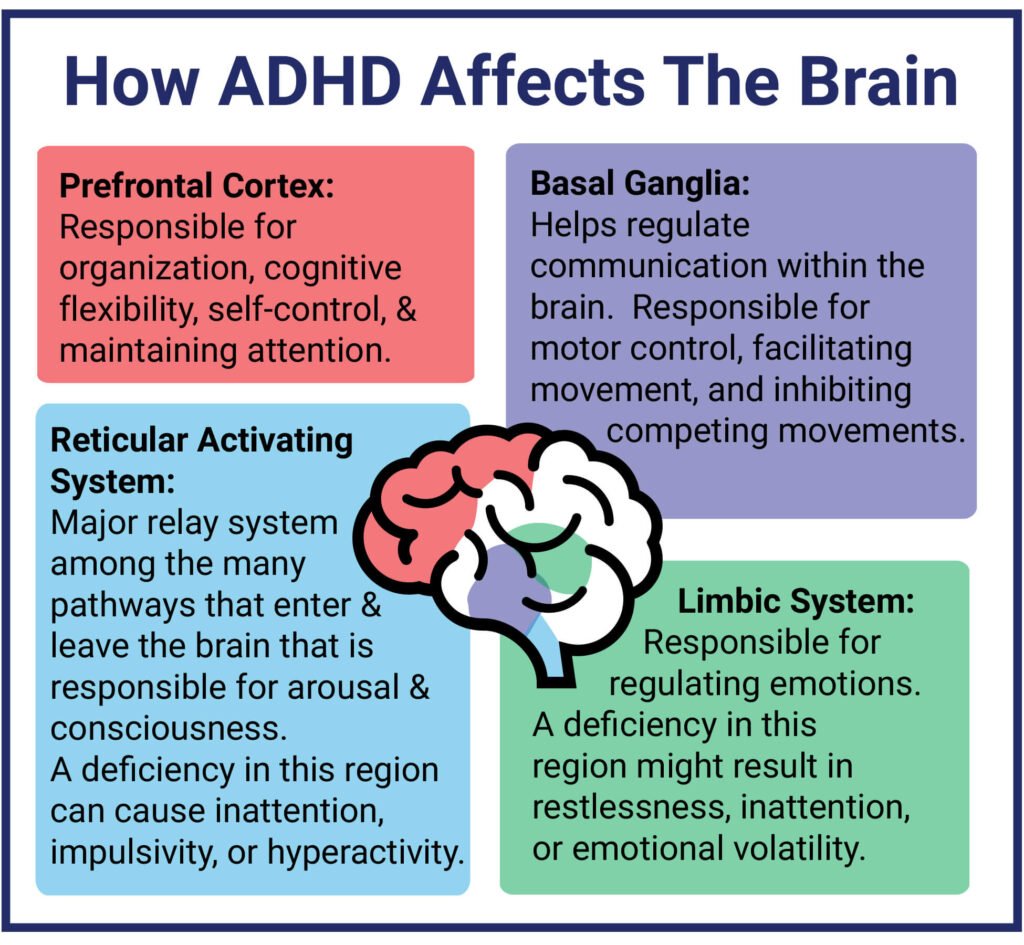
While the exact cause of ADHD is still not fully understood, research suggests that it is a combination of genetic, neurological, and environmental factors. Studies have found that ADHD tends to run in families, indicating a genetic component. Additionally, certain brain regions involved in attention and impulse control, such as the prefrontal cortex and basal ganglia, may be affected in individuals with ADHD. Environmental factors, such as exposure to toxins during pregnancy or early childhood, premature birth, and prenatal tobacco or alcohol exposure, may also increase the risk of developing ADHD.
Symptoms of ADHD
The symptoms of ADHD can vary depending on the type and severity of the condition. Common symptoms of inattention include difficulty paying attention to details, making careless mistakes, trouble staying organized, being forgetful, and often losing things. Hyperactivity symptoms may manifest as excessive talking, fidgeting, difficulty engaging in quiet activities, and feeling restless. Impulsivity symptoms can include interrupting others, difficulty waiting for turns, and making impulsive decisions without considering the consequences. These symptoms can significantly impact daily life, affecting school, work, relationships, and overall well-being.
Impact on Education
Challenges in the classroom
The classroom environment can pose various challenges for individuals with ADHD. Difficulties with maintaining focus and attention can make it hard to stay engaged in lessons and absorb information. This can result in missed instructions, incomplete assignments, and poor academic performance. Additionally, the structured nature of classroom settings may be challenging for those with ADHD, as they struggle with following routines and adhering to rules. The constant stimulation and noise in classrooms can also be overwhelming and lead to increased distractibility.
Difficulties with organization
Organizational skills are crucial for academic success, but individuals with ADHD often struggle in this area. They may have difficulty keeping track of assignments, materials, and due dates. Organizational tasks, such as planning and prioritizing, can be overwhelming and lead to feelings of frustration and overwhelm. These difficulties can further contribute to academic underachievement and increased stress levels.
Impacts on academic performance
The impact of ADHD on academic performance can be significant. Students with ADHD may experience lower grades, have a higher likelihood of needing to repeat grades, and face difficulties in meeting academic expectations. The challenges with attention, impulsivity, and organization can lead to incomplete assignments, missed deadlines, and poor time management skills. These factors not only affect academic achievement but also contribute to decreased motivation and self-esteem.
Supports and accommodations
Fortunately, there are various supports and accommodations available to help individuals with ADHD succeed in the classroom. These may include classroom modifications, such as preferential seating, reduced distractions, and individualized learning plans. Providing clear and concise instructions, breaking tasks into smaller steps, and offering additional time for assignments can also be beneficial. Teachers can implement strategies that promote active engagement and provide regular feedback and praise. Additionally, involvement from school psychologists, special education services, and parent-teacher collaborations can contribute to developing effective support plans tailored to the individual’s needs.
Impact on Work
Difficulty with time management
Individuals with ADHD often struggle with managing their time effectively, which can have a significant impact on their work performance. They may have difficulty prioritizing tasks, meeting deadlines, and staying organized. Time management challenges can result in increased stress, missed deadlines, and reduced productivity. It is essential for individuals with ADHD to develop strategies and utilize tools that help improve their time management skills.
Trouble staying focused
Maintaining focus and concentration at work can be particularly challenging for individuals with ADHD. They may become easily distracted by external stimuli or have difficulty filtering out irrelevant information. This can lead to difficulties with completing tasks, staying on track, and delivering quality work. Finding strategies to minimize distractions, such as breaking tasks into smaller steps, using timers or alarms, and creating a structured work environment, can help individuals with ADHD stay focused and productive.
Relationships with coworkers
Managing relationships with coworkers can also be impacted by ADHD symptoms. Impulsivity and inattention can lead to difficulties in social interactions, such as interrupting others, speaking without thinking or being forgetful of conversations or agreements. These behaviors can strain professional relationships and lead to misunderstandings or conflicts. Open communication, self-awareness, and seeking feedback can help individuals with ADHD navigate and improve their relationships with coworkers.
Strategies for Success
Individuals with ADHD can adopt various strategies to promote success in the workplace. Breaking down tasks into manageable chunks, creating to-do lists, and utilizing calendars or planners can help with organizing and prioritizing work. Developing daily routines, establishing clear goals, and using visual reminders can also support time management and task completion. It may be beneficial to communicate with supervisors or human resources departments about ADHD and explore possible accommodations, such as flexible work schedules or assistive technologies. Seeking support from colleagues who understand and are empathetic can also contribute to a positive work environment.
Effect on Relationships and Social Life
Challenges in maintaining friendships
ADHD can present challenges in maintaining friendships and social connections. Individuals with ADHD may struggle with impulse control, which can manifest as interrupting others, speaking too loudly, or engaging in impulsive behaviors. These behaviors can strain relationships and make it difficult for individuals with ADHD to form and sustain meaningful friendships. Additionally, the difficulty with attention and listening can make it challenging to actively engage in conversations and show interest in others, further impacting social interactions.
Conflict and impulsivity in relationships
Impulsivity is a core feature of ADHD and can significantly impact relationships. It may lead to impulsive decision-making, outbursts of anger or frustration, and difficulty considering the consequences of actions or words. These impulsive behaviors can contribute to conflicts, misunderstandings, and strained relationships. It is important for individuals with ADHD to develop strategies to manage impulsivity, such as practicing active listening, taking a moment before responding emotionally, and seeking support from therapists or support groups.
Social isolation
The challenges associated with ADHD can contribute to social isolation. Individuals with ADHD may feel misunderstood, rejected, or excluded by their peers due to their difficulties with attention, impulsivity, and organization. They may also struggle to maintain consistency in social interactions, leading others to perceive them as unreliable or disinterested. These experiences can result in feelings of loneliness, low self-esteem, and reluctance to engage in social activities. Building a support network, seeking out like-minded individuals, and participating in activities that align with personal interests can help individuals with ADHD combat social isolation.
Coping strategies
To navigate the challenges of ADHD in relationships and social life, individuals can utilize various coping strategies. Developing self-awareness and understanding one’s strengths and weaknesses can contribute to improved self-esteem and confidence. Learning effective communication skills, such as active listening and expressing thoughts and feelings clearly, can help manage conflicts and strengthen relationships. It may also be beneficial to educate friends and loved ones about ADHD to foster understanding and empathy. Seeking professional help, such as therapy, can provide individuals with ADHD with the necessary tools and strategies to improve their social interactions and overall quality of life.
Impact on Physical and Mental Health
Increased risk of accidents and injuries
Individuals with ADHD may be prone to accidents and injuries due to their impulsivity and inattention. They may engage in risk-taking behaviors, have difficulty assessing potential dangers, or be easily distracted in hazardous situations. This can result in a higher risk of falls, accidents in the workplace or at home, and injuries during recreational activities. It is important for individuals with ADHD to be aware of these risks and take precautions to minimize them, such as practicing mindfulness, following safety protocols, and seeking help or advice when necessary.
Emotional and mental challenges
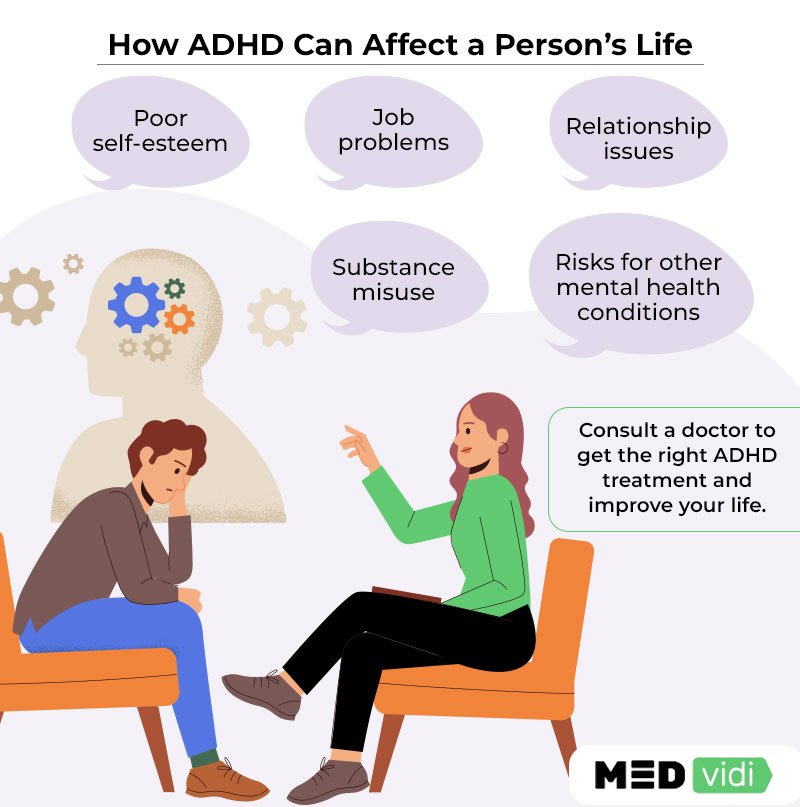
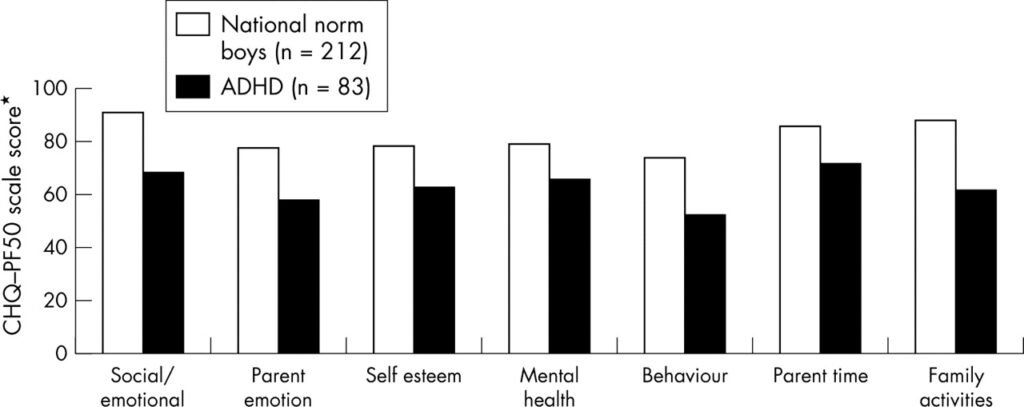
ADHD can have a significant impact on emotional and mental well-being. The constant struggles with attention, impulsivity, and organization can lead to feelings of frustration, stress, and low self-esteem. Individuals with ADHD may experience increased levels of anxiety, depression, and emotional dysregulation. These challenges can further affect their ability to cope with everyday tasks and responsibilities, leading to a negative impact on their mental health. Seeking therapy or counseling, participating in stress-reduction techniques, and engaging in activities that promote self-care and relaxation can support emotional well-being.
Effect on self-esteem and confidence
Living with ADHD can have a profound effect on an individual’s self-esteem and confidence. The difficulties they face in academics, work, and relationships can contribute to feelings of inadequacy, shame, and self-doubt. The societal stigma and misconceptions surrounding ADHD can also further exacerbate these negative emotions. Building a strong support network, celebrating small achievements, and focusing on personal strengths are vital in improving self-esteem and boosting confidence. Encouragement, understanding, and positive reinforcement from friends, family, and healthcare professionals play a crucial role in helping individuals with ADHD develop a positive self-image.
Managing comorbid conditions
ADHD is often accompanied by other conditions, known as comorbidities, which can further impact physical and mental health. These comorbid conditions may include anxiety disorders, mood disorders, learning disabilities, and substance abuse disorders. It is important for individuals with ADHD to receive comprehensive care that addresses these comorbidities. A multidisciplinary approach consisting of therapy, medication management, and support from healthcare professionals is often necessary to manage the complex nature of ADHD and its impact on physical and mental health.
Financial Impact
Cost of assessments and treatments
Evaluating, diagnosing, and treating ADHD can come with financial costs. Assessments for ADHD may involve psychological testing, consultations with specialists, and ongoing evaluations. These assessments can be expensive and may not always be covered by insurance. Additionally, the cost of medication, therapy sessions, and other treatment options can add up over time. Individuals with ADHD may need to budget for these expenses and explore available resources, such as insurance coverage, financial assistance programs, or sliding scale fees offered by healthcare providers.
Effect on employment and income
ADHD can have a significant impact on employment and income potential. Difficulties with time management, organization, and maintaining focus can lead to decreased productivity and performance in the workplace. This can result in missed job opportunities, slower career progression, and reduced earning potential. Moreover, individuals with ADHD may be more likely to experience unemployment or underemployment. It is important for individuals with ADHD to seek support from career counselors, vocational services, or job coaches to develop strategies that maximize their strengths and minimize the challenges associated with ADHD in the workplace.
The financial strain on families
Managing the financial implications of ADHD can place a considerable burden on families. The costs associated with assessments, treatments, and support services can add up and strain limited financial resources. Furthermore, the impact of ADHD on work and income can affect the overall financial stability of the family unit. Obtaining information about available financial assistance options, such as government programs, nonprofit organizations, and community resources, can help alleviate some of the financial strains associated with ADHD. It is also important for families to engage in open and honest communication about financial limitations and explore strategies for budgeting and saving.
Access to healthcare resources
Access to affordable healthcare resources, including appropriate assessments, treatments, and support services, can be a significant challenge for individuals with ADHD. Disparities in access to quality healthcare can further exacerbate the adverse impact of ADHD on daily life. Limited access to healthcare professionals, long wait times for assessments and treatments, and lack of insurance coverage can hinder timely and comprehensive care. It is important for individuals and families affected by ADHD to advocate for themselves, seek out community resources, and explore available options for affordable healthcare, such as clinics, sliding scale fees, or Medicaid programs.

Parenting a Child with ADHD
Challenges in parenting
Parenting a child with ADHD can present unique challenges. The symptoms of ADHD, such as inattention, impulsivity, and hyperactivity, can make it difficult for parents to establish routines, maintain discipline, and effectively communicate with their children. Parents may also face increased stress, frustration, and feelings of helplessness in managing their child’s behavior and meeting their needs. Seeking support from healthcare professionals, attending parenting workshops or support groups, and practicing self-care are essential in effectively navigating the challenges of parenting a child with ADHD.
Navigating the education system
Navigating the education system can be particularly challenging for parents of children with ADHD. Advocating for appropriate accommodations, such as individualized education plans (IEPs) or 504 plans, can be crucial in ensuring that their child receives the necessary support in the classroom. Collaborating with teachers, school psychologists, and other school personnel is vital in developing an effective support plan for the child. Parents should also stay informed about their child’s rights and available resources within the education system.
Supporting their child’s development
Supporting the development of a child with ADHD involves creating a structured and consistent environment, promoting healthy habits, and implementing effective parenting strategies. Establishing a predictable routine, breaking tasks into smaller, manageable steps, and providing clear instructions and expectations can help enhance the child’s focus and organization. Promoting physical activity, healthy eating, and adequate sleep can also support their overall well-being. Open communication, positive reinforcement, and celebrating small victories are essential in nurturing the child’s self-esteem and building resilience.
Tips for managing ADHD at home
Managing ADHD at home requires a collaborative and supportive approach. Implementing practical strategies, such as creating a dedicated homework area, minimizing distractions, and using visual schedules or reminders, can support organization and task completion. Encouraging regular exercise and outdoor play provides an outlet for excess energy. Establishing consistent routines for meals, bedtime, and homework can help with time management and reduce stress. Additionally, practicing effective communication and active listening skills within the family can strengthen relationships and support the child’s social-emotional development.
Coping Mechanisms and Treatment Options
Medication and therapy
Medication, such as stimulants or non-stimulants, can be prescribed to manage the symptoms of ADHD. These medications work by improving attention, reducing impulsivity, and regulating hyperactivity. However, medication is not a standalone treatment and is often used in combination with therapy or other interventions. Psychotherapy, cognitive-behavioral therapy (CBT), and social skills training are common therapeutic approaches used in conjunction with medication, and they help individuals develop coping strategies, improve self-esteem, and manage daily challenges associated with ADHD.
Behavioral and lifestyle interventions
Behavioral and lifestyle interventions play a vital role in managing ADHD symptoms. Creating structured routines and consistent schedules can help individuals with ADHD better manage their time and tasks. Breaking down tasks into smaller steps and utilizing visual aids, such as charts or checklists, can support organization and task completion. Regular exercise, proper nutrition, and adequate sleep contribute to overall well-being and can positively impact ADHD symptoms. It may also be beneficial to minimize screen time and create a calm and clutter-free environment to reduce distractions.
Alternative and complementary approaches
In addition to medication and traditional therapy, individuals with ADHD may explore alternative and complementary approaches. These can include nutritional and dietary interventions, such as eliminating certain food additives or incorporating specific supplements. Mindfulness practices, relaxation techniques, and yoga can also be helpful in managing stress and improving attention. It is important to consult with healthcare professionals experienced in ADHD before embarking on any alternative or complementary approaches to ensure safety and effectiveness.
Self-help strategies
There are various self-help strategies that individuals with ADHD can incorporate into their daily lives. Developing strong organizational skills, such as using calendars, setting reminders, and creating to-do lists, can support time management and reduce forgetfulness. Taking frequent breaks, engaging in physical activity, and practicing mindfulness can help increase focus and recharge mental energy. Finding ways to minimize distractions, such as utilizing noise-canceling headphones or creating a quiet workspace, can also enhance productivity. Lastly, seeking support from ADHD support groups, online communities, and educational resources can provide additional strategies and a sense of connection.
Support Systems
Role of healthcare professionals
Healthcare professionals, including physicians, psychologists, psychiatrists, and therapists, play a crucial role in supporting individuals with ADHD. They evaluate, diagnose, and develop individualized treatment plans based on their expertise. Healthcare professionals can provide access to medications, therapy, and resources to help individuals manage their symptoms. Regular check-ins, monitoring progress, and providing ongoing support are essential in ensuring comprehensive care and well-being.
Importance of a strong support network
Building a strong support network is vital for individuals with ADHD. Friends, family, and peers who understand and offer empathy can provide valuable emotional support. It is important to communicate one’s needs and challenges to loved ones and seek their understanding and acceptance. Support groups or online communities specifically for individuals with ADHD can offer a sense of validation, guidance, and connection. Collaborating with teachers, employers, and healthcare professionals is also critical in accessing necessary accommodations and resources.
Community resources and organizations
Community resources and organizations can provide valuable support and information for individuals with ADHD. Local mental health clinics, nonprofit organizations, and community centers may offer counseling, support groups, and workshops focused on managing ADHD. School districts often have special education services and accommodations for students with ADHD. Online resources, such as educational websites and forums, can provide a wealth of information and strategies for coping with ADHD.
Advocacy and awareness efforts
Advocacy and awareness efforts are crucial in promoting understanding and acceptance of ADHD. These efforts can help reduce stigma, increase access to appropriate support and resources, and improve the overall well-being of individuals with ADHD. Advocacy can take various forms, such as participating in awareness campaigns, sharing personal experiences, and engaging in policy discussions. By advocating for better recognition and support, individuals with ADHD and their families can contribute to positive change in education, healthcare, and workplace environments.
ADHD has a significant impact on various aspects of daily life. It affects not only the individual diagnosed with the condition but also their education, work, relationships, and overall well-being. Understanding the challenges associated with ADHD is crucial for providing adequate support, accommodations, and resources. By recognizing and addressing the impact of ADHD, promoting understanding and acceptance, and offering appropriate support, we can create a more inclusive society that supports the unique needs of individuals with ADHD. With the right strategies and support systems in place, individuals with ADHD can thrive and reach their full potential.
Watch This Video Below
Related Terms About The Impact of ADHD on Daily Life
Effects Of Adhd In Daily Life, Impact Of Adhd In The Classroom, Impact Of Adhd On Daily Life, Impact Of Adhd On Family, Impact Of Adhd On Life