
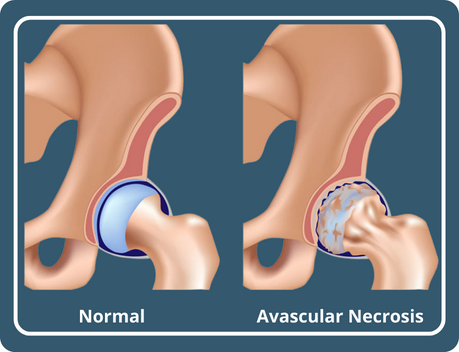
You may not have heard of it before, but avascular necrosis can have a major impact on your health and well-being. This condition occurs when the blood supply to a bone is disrupted, leading to the death of the bone tissue. Although it can affect any bone in the body, avascular necrosis commonly affects the hip joint. If left untreated, it can cause severe pain, limited mobility, and even joint collapse. However, with early detection and appropriate treatment, the symptoms of avascular necrosis can be managed effectively, allowing you to regain your quality of life. In this article, we will explore the symptoms and treatment options available for avascular necrosis, providing you with the information you need to address this condition head-on.

Symptoms
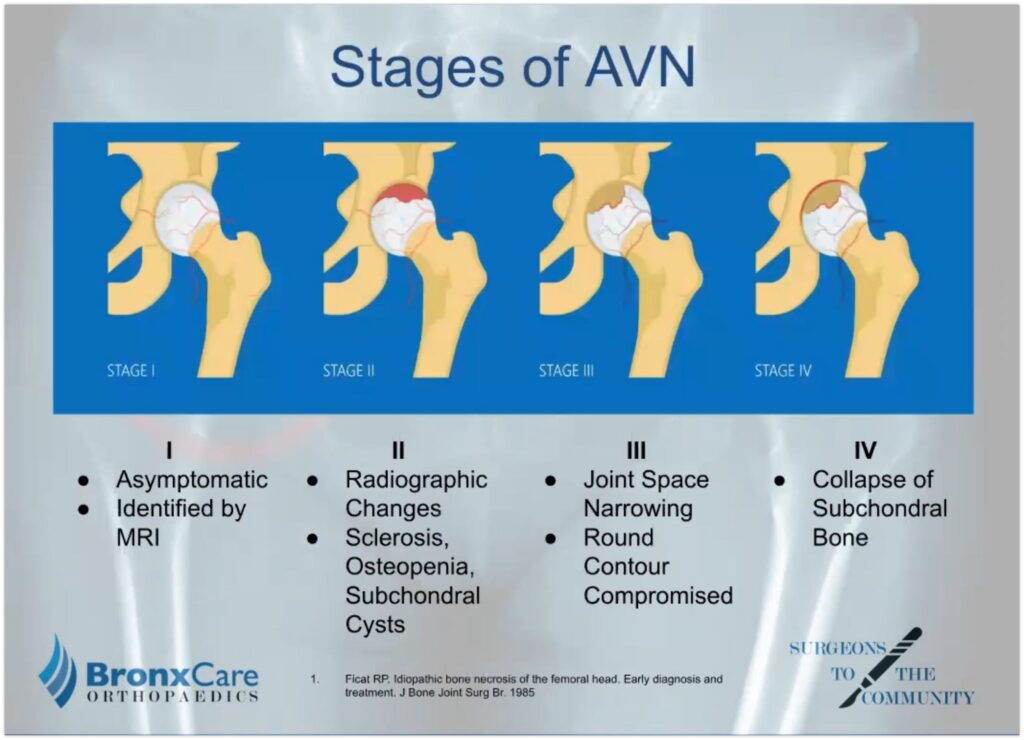
When it comes to avascular necrosis, there are several symptoms that you should be aware of. One common symptom is pain, which can range from mild to severe. It may initially start as a dull ache in the affected joint and progress to more intense pain over time. Another symptom is limited range of motion, which means you may have difficulty moving the joint as freely as you once did. Stiffness is also a common symptom, making it challenging to move the joint smoothly. Tenderness may be experienced when pressure is applied to the affected area, and joint collapse can occur in advanced stages of the condition.
Diagnosis
To properly diagnose avascular necrosis, your doctor will consider several factors. They will begin by reviewing your medical history and performing a thorough physical examination. These initial steps help to gather essential information about your symptoms and overall health. Additionally, imaging tests such as X-rays can provide valuable insights into the affected joint. Magnetic Resonance Imaging (MRI) is another diagnostic technique commonly used, as it can provide detailed images of the bone and surrounding tissues. A bone scan may also be used to identify areas of decreased blood flow. Finally, blood tests can help rule out other conditions and assess your overall health.
Risk Factors
Understanding the risk factors associated with avascular necrosis is crucial for prevention and early detection. Trauma, such as fractures or dislocations, can disrupt the blood supply to the bone and increase the risk of avascular necrosis. Chronic steroid use can also be a contributing factor, as these medications can disrupt the balance of bone metabolism. Excessive alcohol consumption can lead to fatty deposits in the blood vessels, further hindering blood flow and increasing the likelihood of avascular necrosis. Certain medical conditions, such as sickle cell disease or lupus, can also increase the risk. Lastly, radiation therapy, particularly in high doses, can damage the blood vessels and lead to avascular necrosis.
Complications
If left untreated, avascular necrosis can lead to several complications that may significantly impact your quality of life. One common complication is osteoarthritis, a degenerative joint disease that causes pain, inflammation, and limited mobility. Joint collapse is another potential complication, where the affected bone may fracture or collapse under the pressure of normal activities. This can result in further pain and limited range of motion. Joint deformity can occur as well, altering the shape and alignment of the affected joint. Chronic pain can become a long-term complication, making daily activities challenging. Lastly, avascular necrosis can lead to disability, impacting your ability to perform work, engage in hobbies, or maintain an active lifestyle.

Prevention
While avascular necrosis may not always be preventable, there are steps you can take to reduce your risk. One key prevention strategy is to reduce alcohol consumption. Excessive drinking can damage the blood vessels and increase the likelihood of avascular necrosis. Another preventative measure is to avoid or limit the use of steroid medications. If you require these medications, speak with your doctor about potential alternative treatments or ways to minimize the dosage. Maintaining a healthy weight is also important, as excess weight can place additional stress on your joints. Treating underlying medical conditions promptly can reduce the risk of avascular necrosis, so seek medical attention if you have any concerns. Lastly, it is advisable to avoid excessive repetitive activities that put excessive strain on your joints, as they can contribute to the development of avascular necrosis.
Non-Surgical Treatment
Non-surgical treatment options are often the first line of defense for avascular necrosis. Medications, such as nonsteroidal anti-inflammatory drugs (NSAIDs) or pain relievers, can help manage pain and reduce inflammation. Physical therapy is another valuable treatment option, as it can improve joint range of motion, strengthen surrounding muscles, and alleviate pain. Assistive devices, such as crutches or braces, can provide support and reduce stress on the affected joint. Electrical stimulation is a therapeutic technique that uses electrical currents to stimulate bone growth and increase blood flow to the affected area. Extracorporeal shock wave therapy, which involves sending shock waves through the skin to stimulate healing, may also be considered as a non-surgical treatment option.
Surgical Treatment
In some cases, surgical intervention may be necessary to treat avascular necrosis. Core decompression is a surgical procedure that involves removing a core of bone from the affected area. This procedure aims to relieve pressure, stimulate blood vessel growth, and promote bone healing. Osteotomy is another surgical option, where the bone is reshaped or realigned to alleviate pressure on the affected area. Bone grafting is a procedure where healthy bone tissue is transplanted to the affected area to aid in healing. Joint replacement surgery is typically considered in advanced stages of avascular necrosis, where the damaged joint is replaced with an artificial joint. Total joint fusion is another surgical option, where the damaged joint surfaces are permanently fused together to reduce pain and improve stability.
Alternative Medicine
While alternative medicine approaches may not be widely supported by scientific evidence, some individuals find them beneficial in managing avascular necrosis symptoms. Acupuncture, a technique involving the insertion of thin needles at specific points in the body, may help alleviate pain and improve blood flow. Herbal supplements, although not extensively studied for avascular necrosis, may be explored for their potential anti-inflammatory properties. Chiropractic care can assist in maintaining proper alignment and mobility of the affected joint. Massage therapy may help relieve muscle tension, reduce pain, and improve circulation in the surrounding tissues. Finally, meditation and relaxation techniques can aid in stress reduction and promote overall well-being.

Lifestyle Changes
Making certain lifestyle changes can play a significant role in managing avascular necrosis and improving your overall health. Regular exercise and physical activity can help maintain joint mobility, strengthen muscles, and improve overall joint function. A well-balanced diet and proper nutrition are crucial for maintaining healthy bones and supporting bone healing. Stress management techniques, such as yoga or meditation, can help reduce stress levels, which may impact overall health and well-being. If you smoke, quitting is highly advisable, as smoking can restrict blood flow and hinder the healing process. Moderating alcohol consumption is also important, as excessive alcohol use can contribute to bone and blood vessel damage.
Supportive Care
In addition to medical treatments, supportive care can greatly assist in managing avascular necrosis. Pain management techniques, such as medication or physical therapy, can help alleviate discomfort and improve quality of life. Assistive devices, including canes, walkers, or splints, can provide support and reduce stress on the affected joint. Occupational therapy can help individuals adapt to functional limitations and develop strategies to perform daily activities safely and efficiently. Counseling or support groups may also be beneficial, providing emotional support, education, and a platform for individuals to share their experiences. Adaptive home modifications, such as grab bars or ramps, can help create a safe and accessible environment for those with avascular necrosis.
Remember, it’s essential to consult with a healthcare professional for a proper diagnosis and treatment plan tailored to your individual needs.