Do you often find yourself limited by chronic back pain? If so, you’re not alone. Many people suffer from this debilitating condition, which can greatly affect their daily lives and overall well-being. The good news is that there are effective treatment options available that can help alleviate the pain and improve your quality of life. In this article, we will explore some of these treatment options, ranging from physical therapy and medication to alternative therapies like acupuncture and yoga. By understanding these options, you can take the necessary steps toward finding relief and getting back to doing the activities you love.
Non-Surgical Treatment Options
Physical Therapy
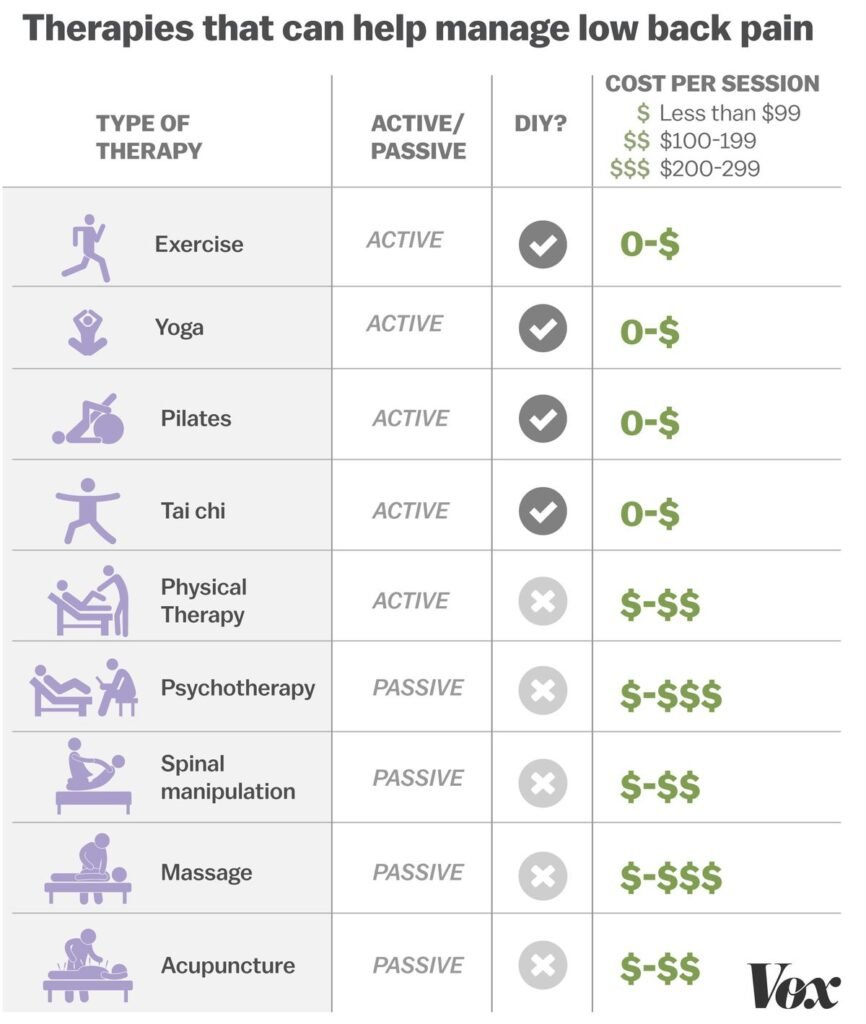
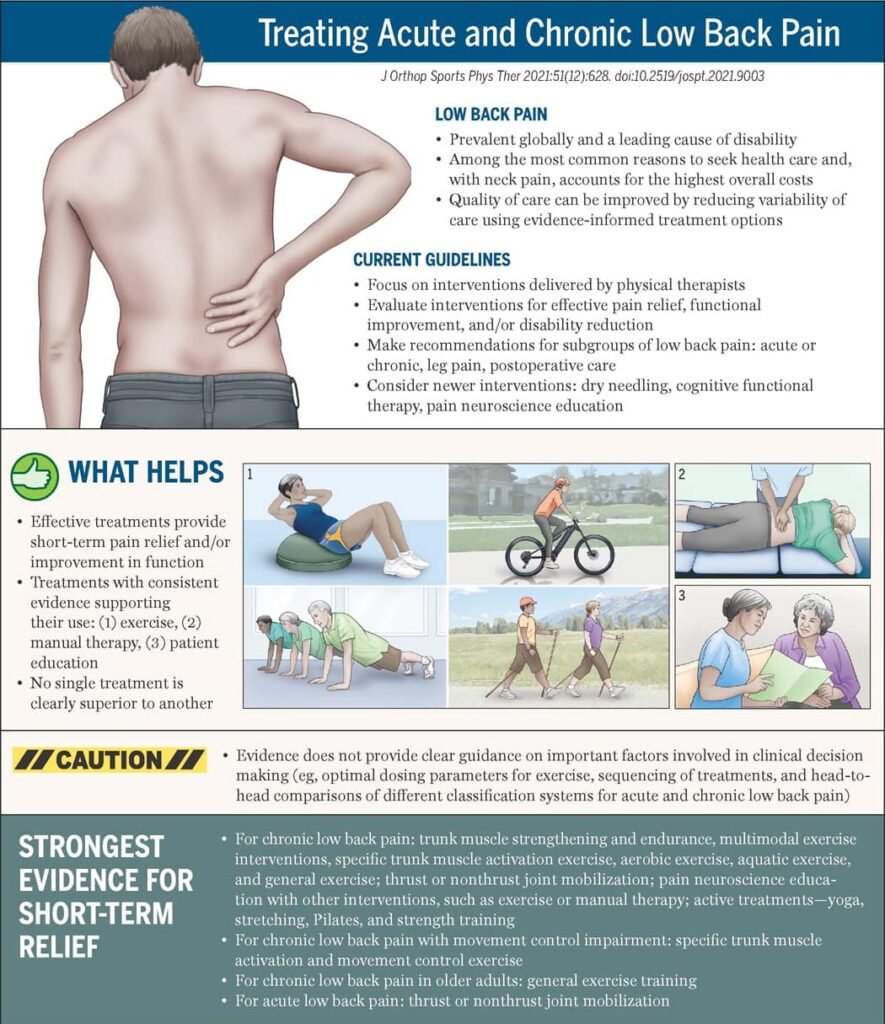
Physical therapy is a non-invasive treatment option that focuses on improving the strength and flexibility of your muscles and supporting structures to alleviate back pain. A thorough assessment by a qualified physical therapist will help identify the areas of weakness or imbalance that may be contributing to your pain. Through various exercises, manual therapy, and other techniques, physical therapy aims to enhance your body mechanics and restore normal function to reduce pain and prevent future injuries.
Medications
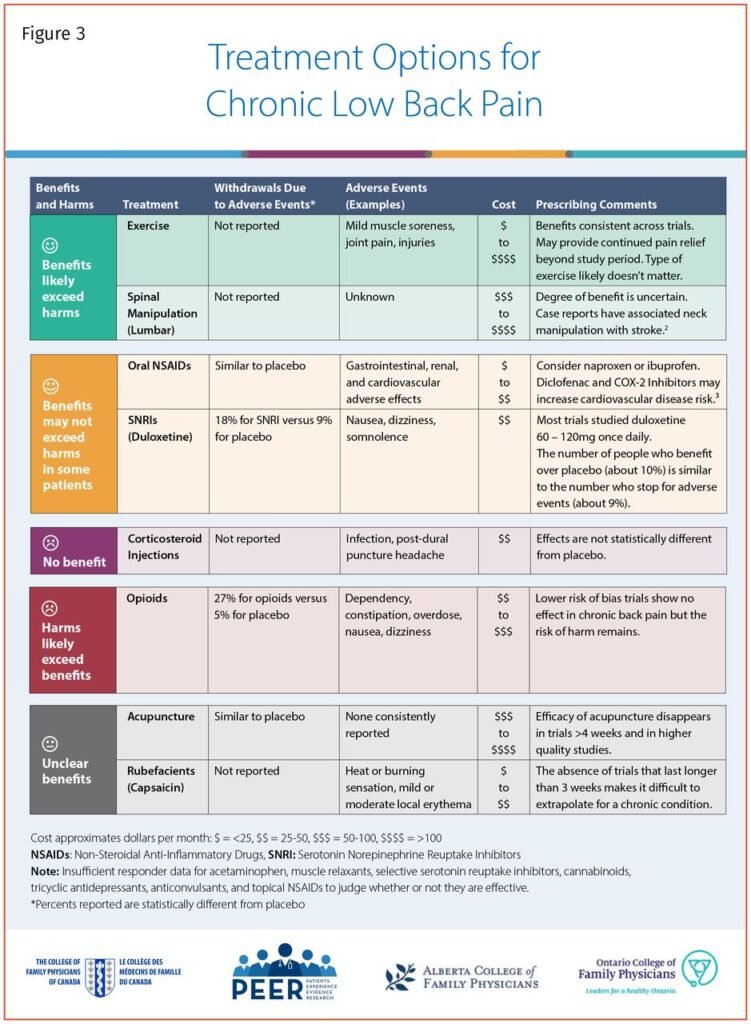
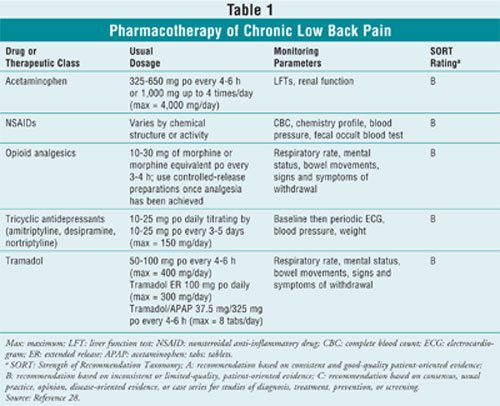
Medications can play a crucial role in managing chronic back pain. Over-the-counter nonsteroidal anti-inflammatory drugs (NSAIDs) like ibuprofen or naproxen can help reduce inflammation and alleviate pain. For more severe pain, your doctor may prescribe stronger medications, such as muscle relaxants or opioids. It is important to work closely with your healthcare provider to determine the most appropriate medication and dosage for your specific condition.
Exercise and Stretching
Regular exercise and stretching can greatly improve your back pain and overall physical well-being. Engaging in low-impact activities like walking, swimming, or cycling not only strengthens the muscles that support your spine, but also helps to maintain a healthy weight, which reduces strain on your back. Additionally, specific stretching exercises targeting your back and core muscles can help alleviate tension and improve flexibility.
Heat and Cold Therapy
Heat and cold therapy are simple yet effective methods to relieve back pain and reduce inflammation. Applying a heating pad or hot water bottle to the affected area can help relax tense muscles and improve blood circulation. On the other hand, cold therapy, such as ice packs or cold compresses, can numb the area and reduce swelling. Be sure to follow proper guidelines for temperature and duration of these therapies to avoid skin damage.
Transcutaneous Electrical Nerve Stimulation (TENS)
TENS is a non-invasive technique that involves the use of a small device that delivers low-voltage electrical currents to the affected area. The electrical pulses stimulate the nerves and can help block pain signals to the brain. TENS units are portable and can be used at home with guidance from a healthcare professional. This therapy is generally safe and well-tolerated, offering temporary relief from chronic back pain.
Surgical Treatment Options
Spinal Fusion
Spinal fusion is a surgical procedure that aims to permanently join two or more vertebrae in the spine to limit movement and stabilize the affected area. It is often recommended for conditions such as herniated discs, spinal fractures, or deformities. During the procedure, bone grafts or implants are placed between the vertebrae, allowing them to grow together over time. Spinal fusion can effectively reduce pain but may limit the range of motion in the fused area.
Laminectomy
Laminectomy, also known as decompression surgery, involves the removal of the lamina – the back part of the vertebra – to relieve pressure on the spinal cord or nerves. This procedure is commonly performed to treat spinal stenosis, herniated discs, or bone spurs. By creating more space in the spinal canal, laminectomy aims to reduce pain and improve mobility.
Diskectomy
Diskectomy is a surgical procedure that involves removing part or all of a herniated or damaged intervertebral disc. The procedure aims to relieve pressure on the nerves and reduce pain. By removing the protruding or damaged portion of the disc, diskectomy can help improve mobility and alleviate symptoms caused by nerve compression.
Foraminotomy
Foraminotomy is a surgical procedure that aims to widen the passageway through which the nerves exit the spinal column. This procedure is typically performed to treat conditions such as foraminal stenosis, in which the passageways become narrowed, putting pressure on the nerves. By enlarging the passageway, foraminotomy can relieve nerve compression and reduce pain.
Nucleoplasty
Nucleoplasty is a minimally invasive procedure that uses radiofrequency energy to treat herniated discs. During the procedure, a special device is inserted into the disc, and radiofrequency energy is used to remove a small portion of the disc material. This technique helps reduce disc pressure and relieve nerve compression, thereby alleviating back pain and other associated symptoms.
Complementary and Alternative Treatments
Acupuncture
Acupuncture is an ancient Chinese practice that involves inserting thin needles into specific points of the body to stimulate healing and restore balance. It is believed that acupuncture can help relieve back pain by promoting the release of natural pain-relieving chemicals in the body, reducing inflammation, and improving blood flow. Many people find acupuncture to be a safe and effective complementary treatment for chronic back pain.
Chiropractic Care
Chiropractic care focuses on the proper alignment and function of the spine to alleviate pain and improve overall health. By using manual techniques, such as spinal adjustments and manipulations, chiropractors aim to restore the natural alignment of the spine and alleviate pressure on the nerves. Chiropractic care can provide relief from back pain and also help prevent future injuries.
Massage Therapy
Massage therapy is a popular choice for individuals seeking relief from chronic back pain. Skilled massage therapists apply various techniques, such as Swedish massage, deep tissue massage, or myofascial release, to alleviate muscle tension, reduce inflammation, and improve circulation. Regular massage sessions can help relax muscles, promote healing, and provide significant pain relief.
Yoga
Yoga is a mind-body practice that combines physical postures, breathing exercises, and meditation to promote overall health and well-being. Practicing yoga on a regular basis can help improve flexibility, strengthen the core muscles, enhance posture, and reduce stress. Many yoga poses specifically target the back, providing relief from pain and discomfort.
Meditation
Meditation is a practice that involves focusing the mind and redirecting thoughts to achieve a state of calmness and relaxation. By practicing meditation regularly, you can lower stress levels, reduce anxiety, and enhance your overall well-being. Chronic back pain often worsens with stress and anxiety, so incorporating meditation into your daily routine can help manage these psychological factors and alleviate pain.
Using the outlined non-surgical treatment options, surgical treatment options, complementary and alternative treatments, interventional procedures, mind-body techniques, exercise programs, lifestyle modifications, supportive devices and equipment, psychological support, and prevention strategies, you have an array of options at your disposal to effectively manage and treat your chronic back pain. Consult with your healthcare provider or specialists to determine the most suitable combination of treatments that will enhance your quality of life and relieve your pain. Remember, a comprehensive and personalized approach is key to finding effective and long-lasting relief from chronic back pain.