
Imagine a life where you feel lighter, healthier, and more confident. A life where weight-related health issues become a thing of the past and you can fully embrace all the joy and opportunities that come your way. This is the promise of bariatrics, a medical field dedicated to helping individuals achieve long-term weight loss and improved health. In this article, we will explore the transformative benefits of bariatric surgery and how it can pave the way towards a happier, healthier you. Get ready to embark on a journey towards a new lease on life!
What is Bariatrics?
Bariatrics is a medical field that focuses on the treatment of obesity. It involves the study and management of patients who are significantly overweight or obese. Bariatric procedures are surgical interventions that aim to promote weight loss and improve overall health for individuals who have not achieved success through other weight loss methods.
Definition
Bariatrics is a branch of medicine that specializes in the prevention, treatment, and management of obesity. It includes various surgical and non-surgical approaches to help individuals achieve and maintain a healthy weight.
Purpose
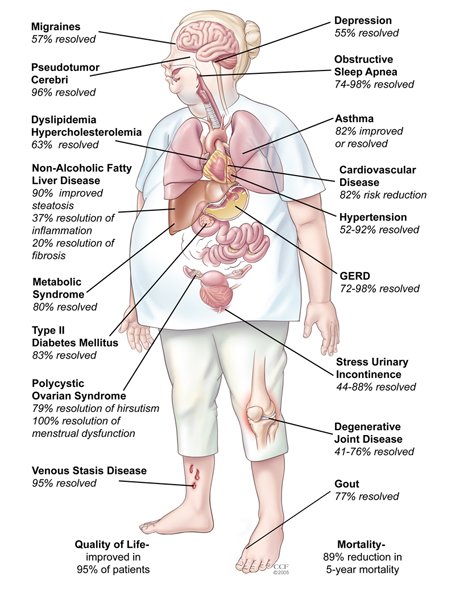
The primary purpose of bariatric procedures is to help individuals who struggle with obesity achieve significant weight loss. Obesity is a chronic condition that can lead to various health problems, such as diabetes, heart disease, sleep apnea, and joint pain. By reducing excess weight, bariatric surgery can greatly improve obesity-related conditions and enhance overall quality of life.
Types of Bariatric Procedures
There are several types of bariatric procedures, each with its own unique approach to weight loss. The most common bariatric surgeries include gastric bypass, gastric sleeve, and gastric banding.
Gastric bypass involves creating a small stomach pouch and rerouting the small intestine to bypass a portion of the digestive system. This procedure reduces the amount of food that can be consumed and the absorption of nutrients, resulting in weight loss.
Gastric sleeve, also known as sleeve gastrectomy, involves removing a large portion of the stomach to create a smaller, banana-shaped stomach pouch. This restricts the amount of food that can be eaten and helps individuals feel full quicker.
Gastric banding involves placing an adjustable band around the upper portion of the stomach, creating a small pouch. The band can be tightened or loosened to control food intake and promote weight loss.
Benefits of Bariatric Surgery
Bariatric surgery offers numerous benefits that extend beyond just weight loss. These benefits can have a profound impact on both physical and mental well-being.
Weight Loss
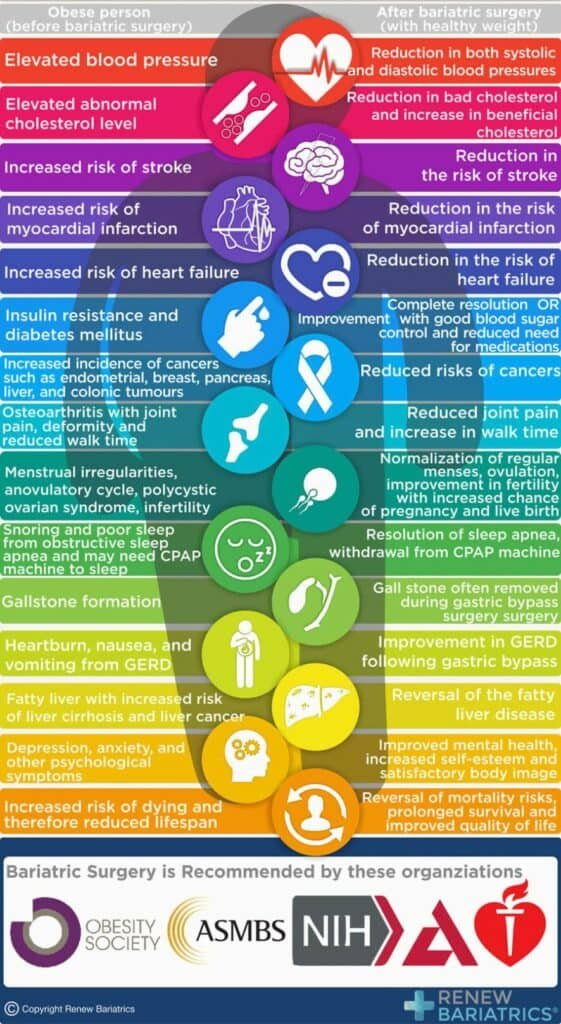
The most obvious benefit of bariatric surgery is significant and sustained weight loss. This weight loss can lead to improved mobility, reduced joint pain, and increased energy levels. It can also help alleviate conditions such as high blood pressure and sleep apnea.
Improvement in Obesity-Related Conditions
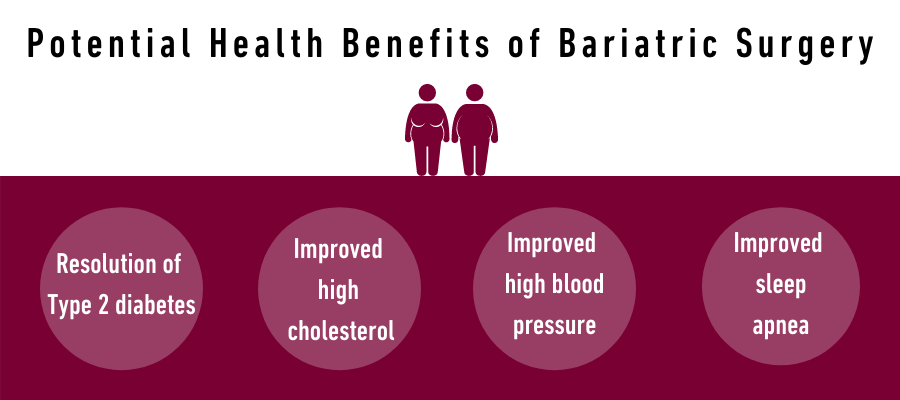
Bariatric surgery has been shown to effectively improve or resolve various obesity-related conditions. These conditions include type 2 diabetes, high cholesterol, sleep apnea, and hypertension. By achieving weight loss through bariatric surgery, individuals can often reduce or eliminate the need for medication to manage these conditions.
Enhanced Quality of Life
Bariatric surgery can have a positive impact on a person’s overall quality of life. Improved physical health can lead to increased self-confidence, better body image, and a decrease in depressive symptoms. Bariatric surgery can also improve relationships, social interactions, and overall well-being.
Preparation for Bariatric Surgery
Preparing for bariatric surgery involves several important steps to ensure a successful outcome. These steps typically include a medical evaluation, dietary and exercise changes, and a psychological assessment.
Medical Evaluation
Before undergoing bariatric surgery, you will undergo a comprehensive medical evaluation. This evaluation will assess your overall health and determine if you are a suitable candidate for surgery. It will involve thorough physical examinations, laboratory tests, and consultations with various medical professionals to evaluate potential risks and complications.
Diet and Exercise
As part of the preparation process, you will be required to make changes to your diet and exercise habits. This may involve consuming a low-calorie diet to reduce liver size and improve surgical outcomes. It is also important to engage in regular physical activity to strengthen your body and enhance your overall fitness level, which will help you during the recovery process.
Psychological Assessment
Bariatric surgery involves significant lifestyle changes, and it is crucial to address the psychological aspects of weight loss. A psychological assessment will help identify any emotional or behavioral factors that may contribute to your weight and provide support and guidance to ensure long-term success. This assessment may involve discussions with a psychologist or psychiatrist to develop coping strategies for emotional eating and to address body image concerns.
Different Types of Bariatric Surgeries
There are several different types of bariatric surgeries, each designed to address specific weight loss needs. It is essential to understand the differences between these procedures to make an informed decision about which one is best for you.
Gastric Bypass
Gastric bypass surgery involves creating a small pouch at the top of the stomach and connecting it directly to the small intestine. This procedure restricts the amount of food that can be consumed and reduces nutrient absorption. It is highly effective in promoting weight loss and improving obesity-related conditions.
Gastric Sleeve
Gastric sleeve surgery involves removing a significant portion of the stomach, leaving behind a smaller, banana-shaped stomach pouch. This procedure restricts food intake and reduces hunger by removing the part of the stomach that produces hunger-inducing hormones. Gastric sleeve surgery has become increasingly popular due to its effectiveness in achieving weight loss.
Gastric Banding
Gastric banding is a procedure that involves placing an adjustable band around the upper portion of the stomach, creating a small pouch. The band can be adjusted to control the amount of food that can be consumed. Unlike gastric bypass and gastric sleeve, gastric banding is reversible, making it a less invasive option. However, it typically results in slower weight loss compared to other procedures.

Risks and Complications
Like any surgical procedure, bariatric surgery carries certain risks and potential complications. While these risks are relatively low, it is important to be aware of them and discuss them with your healthcare provider.
Short-term Risks
Short-term risks associated with bariatric surgery may include infection, bleeding, blood clots, and adverse reactions to anesthesia. These risks are rare but can be managed with prompt medical attention.
Long-term Risks
Long-term risks of bariatric surgery may include nutritional deficiencies, gallstones, bowel obstructions, and dumping syndrome. Nutritional deficiencies can occur due to reduced nutrient absorption, and regular monitoring and supplementation may be necessary to prevent deficiencies.
Post-surgery Complications
Complications that can arise after bariatric surgery include gastric leakage, ulcers, strictures, and bowel obstructions. These complications may require additional surgical intervention or medical treatment. It is essential to closely follow post-surgery instructions and inform your healthcare provider of any concerning symptoms.
Recovery and Aftercare
Recovery from bariatric surgery involves post-operative care and long-term lifestyle changes to ensure the best possible outcomes. This includes both immediate post-surgery guidelines and adjustments to your everyday routines.
Immediate Post-surgery Period
After bariatric surgery, you will spend a short period of time in the hospital for close monitoring and pain management. During this time, you will be gradually introduced to a liquid diet, which will be advanced to soft foods and eventually regular foods. It is important to follow these dietary guidelines provided by your healthcare team to ensure proper healing and recovery.
Long-term Lifestyle Changes
In addition to dietary changes, long-term lifestyle adjustments are crucial for maintaining weight loss and overall health. This may include portion control, regular physical activity, and adherence to a well-balanced diet. It is important to develop healthy habits and make sustainable changes to your daily routines to achieve long-term success.
Support Groups and Counseling
The journey after bariatric surgery can be challenging, both physically and emotionally. Joining support groups or seeking counseling can provide you with a network of individuals who have undergone similar experiences. These groups can offer guidance, encouragement, and a safe space to discuss your concerns and triumphs.
Role of Nutrition
Proper nutrition is a crucial aspect of bariatric surgery success. Following recommended dietary guidelines and making mindful choices will help you achieve the best possible outcomes.
Post-surgery Dietary Guidelines
After bariatric surgery, your healthcare provider will provide you with specific dietary guidelines to follow. These guidelines typically involve consuming small, frequent meals that consist of lean protein, fruits, vegetables, and whole grains. It is important to prioritize protein intake to promote wound healing and prevent muscle loss.
Vitamin and Mineral Supplements
Bariatric surgery can lead to reduced nutrient absorption, making it necessary to take vitamin and mineral supplements. Common supplements include a multivitamin, calcium, vitamin D, vitamin B12, and iron. Regular follow-ups with your healthcare provider will allow for monitoring of nutrient levels and adjustment of supplements as needed.
Meal Planning Tips
Having a well-thought-out meal plan can greatly assist in meeting nutritional needs and maintaining a balanced diet. It is important to incorporate a variety of foods that provide essential nutrients while keeping portion sizes in check. Preparing meals in advance and having healthy snacks readily available can help prevent impulsive food choices and promote healthy eating habits.
Psychological Impact
Bariatric surgery not only has physical impacts but also psychological effects on individuals. Addressing these psychological aspects is crucial for long-term success.
Body Image and Self-esteem
Weight loss after bariatric surgery can lead to positive changes in body image and self-esteem. However, it is important to acknowledge that body image struggles may still exist. Working on building a healthy body image, self-acceptance, and developing a positive self-image can greatly contribute to overall well-being.
Emotional Eating
Emotional eating is a common challenge individuals may face before and after bariatric surgery. It is essential to recognize emotional triggers and develop alternative coping strategies such as seeking support from loved ones, engaging in stress-reducing activities, or seeking professional counseling if necessary.
Dealing with Food Cravings
Food cravings can be a challenge to overcome, even after bariatric surgery. Developing strategies to manage cravings, such as finding healthier alternatives, practicing mindful eating, or distracting yourself with other activities, can be helpful. Recognizing triggers and implementing coping mechanisms can assist in maintaining healthy eating habits.
Lifelong Maintenance
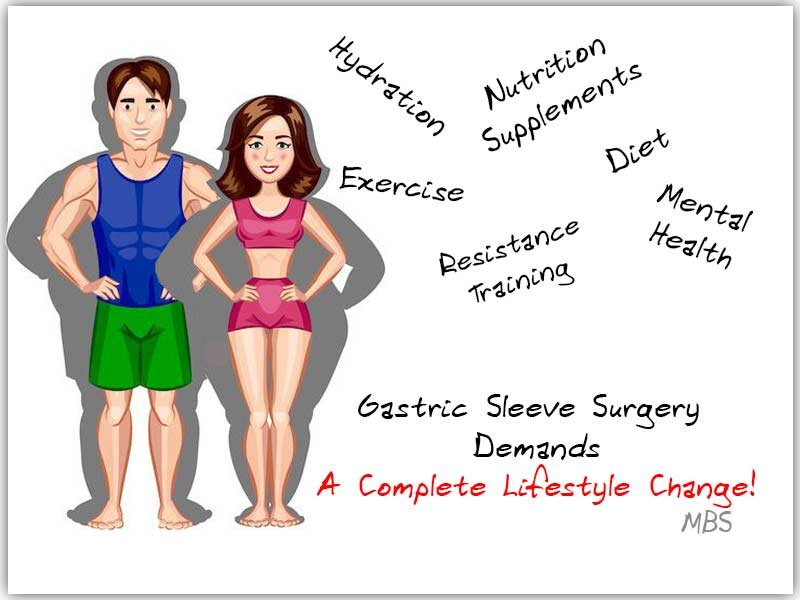
After bariatric surgery, lifelong maintenance is necessary to ensure long-term success and prevent weight regain. This includes continued follow-up with healthcare providers, physical activity, and maintaining healthy habits.
Continued Follow-up with Healthcare Provider
Regular follow-up appointments with your healthcare provider are essential to monitor your progress, assess nutritional status, and address any concerns or challenges. These appointments allow for adjustments to be made to your dietary and exercise plans and provide ongoing support to help you sustain your weight loss journey.
Physical Activity and Exercise
Incorporating regular physical activity into your routine is crucial for weight maintenance, overall health, and well-being. Engaging in activities you enjoy, such as walking, swimming, or cycling, can make exercise feel more enjoyable and sustainable. Gradually increasing the intensity and duration of exercise can help you achieve fitness goals and maintain a healthy weight.
Maintaining Healthy Habits
Maintaining healthy habits is key to preventing weight regain and sustaining your weight loss long-term. This includes prioritizing nutrient-dense foods, practicing portion control, staying hydrated, getting enough sleep, and managing stress effectively. By maintaining these healthy habits, you can continue to reap the benefits of bariatric surgery for years to come.
Success Stories and Testimonials
Hearing the success stories and testimonials of individuals who have undergone bariatric surgery can provide inspiration and motivation for those considering the procedure.
Real-life Experiences
Real-life experiences shared by individuals who have successfully undergone bariatric surgery can be both enlightening and encouraging. These stories often highlight the positive impact that weight loss surgery has had on their lives, including improvements in physical health, emotional well-being, and overall quality of life.
Surgeon’s Perspective
A surgeon’s perspective on bariatric surgery can provide valuable insight into the procedure, including the benefits, risks, and expectations. Surgeons who specialize in bariatric procedures can discuss their experience, success rates, and the comprehensive care they provide to patients.
Patient’s Journey
Learning about the personal journey of someone who has undergone bariatric surgery can provide a firsthand account of the process and its impact. These stories often highlight the challenges faced during the weight loss journey, as well as the triumphs and personal growth that accompany it.
In conclusion, bariatrics is a field of medicine that offers individuals struggling with obesity a life-changing opportunity for weight loss and improved health. Bariatric surgery, combined with lifestyle changes and ongoing support, can lead to significant weight loss, improved obesity-related conditions, and an enhanced quality of life. By understanding the different types of bariatric procedures, the risks and complications involved, and the necessary steps for recovery and lifelong maintenance, you can make informed decisions on your weight loss journey. Remember, bariatric surgery is a tool, and success ultimately lies in your commitment to making healthy choices and maintaining a balanced lifestyle.