
In the world of medicine, there is a pressing need to understand and address the complexities of bone tumors. From accurate diagnosis to effective treatment options, the field is constantly evolving to provide patients with the best possible care. In this article, we will explore the various techniques used for diagnosis and delve into the innovative treatment approaches that offer hope and relief for those affected by bone tumors. So, fasten your seatbelts as we embark on a journey to uncover the intricacies of diagnosing and treating these challenging conditions.

I. Types of Bone Tumors
A. Benign Tumors
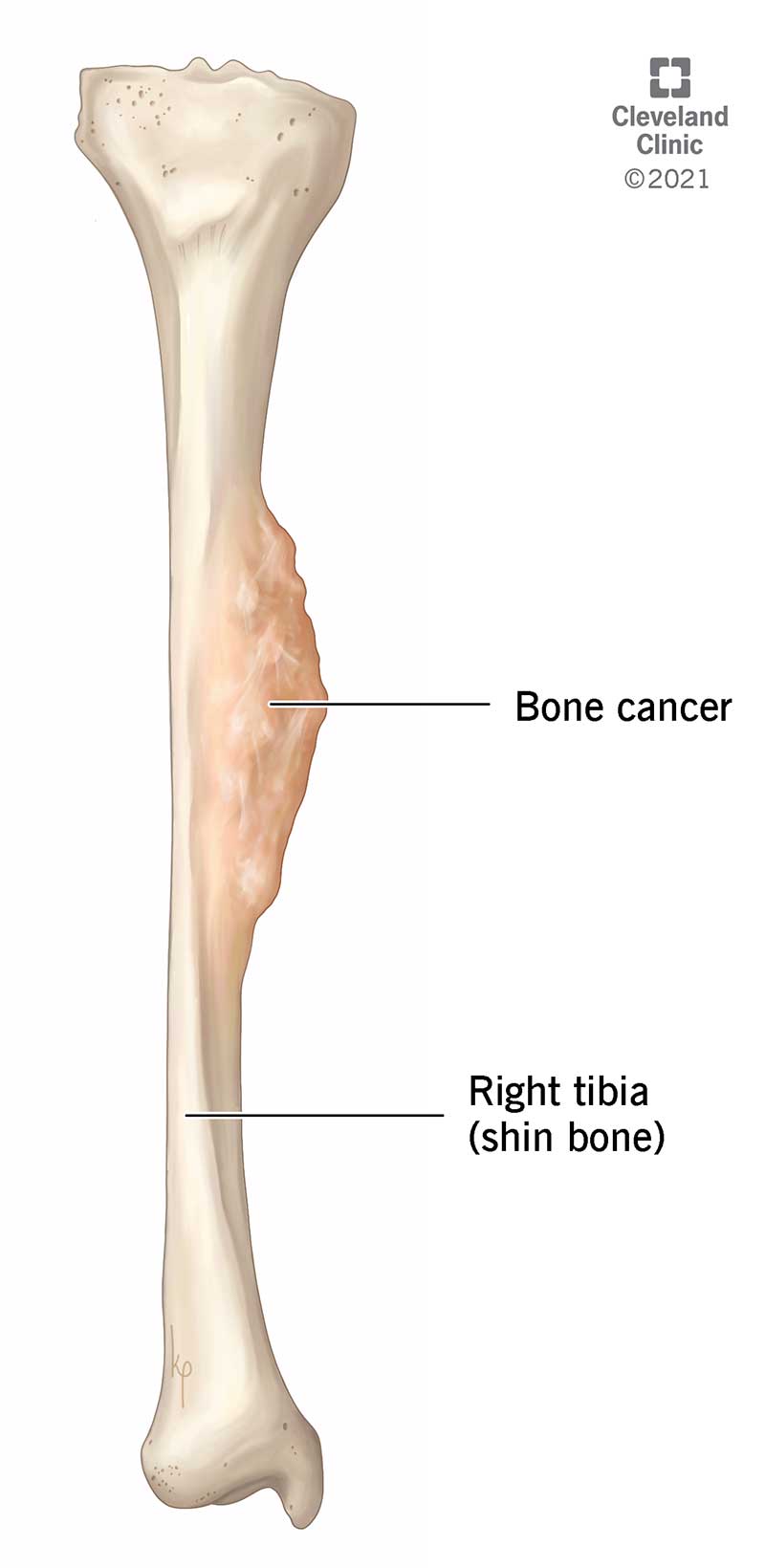
Benign bone tumors are non-cancerous growths that develop within the bone. These tumors are commonly found in children and teenagers. Although they do not spread to other parts of the body, they can cause pain and other symptoms if they grow large or compress nearby tissues. Examples of benign bone tumors include osteochondromas, osteoid osteomas, and enchondromas.
B. Malignant Tumors
Unlike benign tumors, malignant bone tumors are cancerous and have the potential to spread to other parts of the body. These tumors are less common than benign tumors and can be aggressive in nature. The most common types of malignant bone tumors are osteosarcoma, chondrosarcoma, and Ewing sarcoma.
C. Primary and Secondary Tumors
Primary bone tumors originate in the bone tissue itself, while secondary bone tumors, also known as metastatic bone tumors, occur when cancer cells from other parts of the body spread to the bone. Primary bone tumors include both benign and malignant tumors, while secondary tumors are almost always malignant. Common primary bone tumors include osteosarcoma and osteochondroma, while examples of secondary bone tumors include breast, lung, and prostate cancers.
D. Classification of Bone Tumors
Bone tumors can be classified based on their histological appearance, location, and aggressiveness. The World Health Organization (WHO) classification system is commonly used to categorize bone tumors into different subtypes. This classification helps in determining the appropriate treatment approach and predicting the tumor’s behavior and prognosis.
II. Symptoms and Diagnosis
A. Signs and Symptoms of Bone Tumors
The symptoms of bone tumors can vary depending on the type and location of the tumor. Some common signs and symptoms include persistent pain at the site of the tumor, swelling or a palpable lump, limited range of motion, fractures with minimal trauma, and fatigue. It is important to note that these symptoms can also be caused by other conditions, so a thorough evaluation is necessary to make an accurate diagnosis.
B. Physical Examination
During a physical examination, your healthcare provider will carefully assess the affected area, looking for signs of swelling, tenderness, or abnormalities in the bone or surrounding tissues. They may also check your range of motion and muscle strength to evaluate the impact of the tumor on your mobility.
C. Imaging Tests
Imaging tests play a crucial role in the diagnosis of bone tumors. X-rays provide detailed images of the bone and can identify the presence of a tumor, changes in bone structure, or fractures. Additional imaging techniques, such as computed tomography (CT) scans, magnetic resonance imaging (MRI), and positron emission tomography (PET), may be used to gather more information about the tumor’s size, location, and spread.
D. Biopsy
A biopsy is performed to confirm the diagnosis of a bone tumor. During the procedure, a small sample of tissue is extracted from the affected area and examined for the presence of abnormal cells. The biopsy helps determine whether the tumor is benign or malignant and provides information about its specific type, which is crucial for developing an appropriate treatment plan.
E. Staging and Grading
Staging and grading help determine the extent of the tumor and provide insight into its aggressiveness and prognosis. Staging involves assessing the size of the tumor, its involvement with nearby tissues, and the presence of metastasis. Grading, on the other hand, evaluates the microscopic appearance of the tumor cells and their aggressiveness. These methods aid in tailoring the treatment approach and assessing the long-term outlook for the patient.

III. Treatment Options for Bone Tumors
A. Surgery
Surgery is often the primary treatment for bone tumors and can involve various techniques depending on the tumor type, size, and location. The goal of surgical intervention is to remove the tumor while preserving as much healthy bone and nearby tissues as possible. In some cases, reconstructive surgery may be required to restore the structure and function of the affected bone.
B. Radiation Therapy
Radiation therapy uses high-energy beams to destroy cancer cells and shrink tumors. It is commonly used in conjunction with surgery to eliminate any remaining cancer cells or as the primary treatment for tumors that cannot be surgically removed. Radiation therapy is particularly effective in treating pain caused by bone tumors and in preventing tumor recurrence.
C. Chemotherapy
Chemotherapy involves the use of anti-cancer drugs to kill cancer cells throughout the body. It is usually administered intravenously or orally and can be an important treatment option for malignant bone tumors. Chemotherapy may be used before surgery (neoadjuvant therapy) to shrink the tumor, after surgery (adjuvant therapy) to eliminate any remaining cancer cells, or as a palliative measure to provide relief from symptoms.
D. Targeted Therapy
Targeted therapy is a newer approach to treating bone tumors that focuses on drugs specifically designed to target certain genes, proteins, or pathways involved in the growth and spread of cancer cells. This precision medicine approach can be effective in blocking the growth of tumor cells while minimizing damage to healthy tissues.
E. Immunotherapy
Immunotherapy harnesses the power of the body’s immune system to fight cancer. It stimulates the immune system to recognize and attack cancer cells. While immunotherapy is still being investigated for the treatment of bone tumors, it has shown promise in certain cases and is being used in clinical trials as a potential treatment option.
IV. Surgical Approaches for Bone Tumors
A. Limb-Sparing Surgery
Limb-sparing surgery, also known as limb salvage surgery, aims to remove the tumor while preserving the affected limb’s function and appearance. This surgical approach involves removing the tumor and a portion of surrounding healthy tissue, followed by reconstruction using bone grafts, implants, or prosthetics. Limb-sparing surgery offers a better quality of life for patients compared to amputation and is a preferred option whenever possible.
B. Amputation
Amputation involves the complete removal of the affected limb to eradicate the tumor. While it may be necessary in certain cases where limb salvage is not feasible or poses a significant risk, amputation has become less common with advancements in limb-sparing surgeries and better treatment options. However, it may still be considered as a last resort to prevent the spread of cancer or alleviate severe pain.
C. Cryosurgery
Cryosurgery, also known as cryoablation, uses extreme cold temperatures to destroy cancer cells. It involves the insertion of a metal probe into the tumor, which freezes the abnormal cells and causes them to die. Cryosurgery is often used for small tumors or as a palliative treatment to relieve pain in patients with advanced cancer.
D. Radiofrequency Ablation
Radiofrequency ablation (RFA) is a minimally invasive procedure that uses heat to destroy cancer cells. During the procedure, a thin needle-like electrode is inserted into the tumor, and radiofrequency energy is emitted to generate heat and destroy the abnormal cells. RFA is effective for treating small bone tumors or as a palliative measure to alleviate pain.
E. Percutaneous Ethanol Injection
Percutaneous ethanol injection (PEI) involves injecting ethanol directly into the tumor to destroy cancer cells. This procedure is usually performed under imaging guidance to ensure accurate placement of the needle. PEI is commonly used for small and localized bone tumors and can be an effective treatment option, particularly for patients who are not suitable candidates for surgery.
V. Adjuvant Therapies
A. Neoadjuvant Therapy
Neoadjuvant therapy refers to the administration of treatment, such as chemotherapy or radiation therapy, before surgery. The goal of neoadjuvant therapy is to shrink the tumor, making it easier to remove surgically and potentially increasing the chances of success. This approach is commonly used in the treatment of malignant bone tumors to improve surgical outcomes.
B. Adjuvant Therapy
Adjuvant therapy refers to additional treatment given after primary treatment, usually surgery, to eliminate any remaining cancer cells. Adjuvant therapy may include chemotherapy, radiation therapy, or targeted therapy. It aims to lower the risk of tumor recurrence and improve long-term outcomes.
C. Palliative Care
Palliative care focuses on improving the quality of life for patients with advanced bone tumors or those who do not respond well to curative treatments. It aims to alleviate symptoms, manage pain, provide emotional support, and address any psychosocial or spiritual needs. Palliative care is an essential component of comprehensive cancer care and can be provided alongside curative treatments.
VI. Management of Specific Bone Tumors
A. Osteosarcoma
Osteosarcoma is the most common primary malignant bone tumor, usually affecting children, adolescents, and young adults. Treatment for osteosarcoma typically involves a combination of surgery and chemotherapy. Limb-sparing surgery is preferred whenever possible, but amputation may be necessary in certain cases. The use of neoadjuvant and adjuvant chemotherapy has significantly improved the prognosis for patients with osteosarcoma.
B. Chondrosarcoma
Chondrosarcoma is a malignant bone tumor that arises from cartilage cells. Treatment options for chondrosarcoma depend on the tumor’s size, grade, and location. Surgery is the primary treatment and may involve limb-sparing surgery or amputation, depending on the tumor’s characteristics. Radiation therapy may be used in certain cases to reduce the risk of recurrence.
C. Ewing Sarcoma
Ewing sarcoma is a rare malignant bone tumor that commonly affects children and young adults. Treatment for Ewing sarcoma typically involves a combination of chemotherapy, surgery, and radiation therapy. Neoadjuvant chemotherapy is administered to shrink the tumor before surgery, followed by adjuvant chemotherapy and radiation therapy to eliminate any remaining cancer cells.
D. Giant Cell Tumor of Bone
Giant cell tumor of bone is a benign but locally aggressive tumor that primarily affects young adults. Treatment options for giant cell tumors include surgery and adjuvant therapies. The aim of surgery is to completely remove the tumor, which may involve curettage (scraping out the tumor) and bone grafting or reconstruction with cement or prosthetic devices. Adjuvant treatments, such as denosumab, may be used to prevent recurrence in certain cases.
E. Metastatic Bone Tumors
Metastatic bone tumors occur when cancer cells from other parts of the body spread to the bone. The treatment of metastatic bone tumors focuses on managing symptoms, preventing complications, and improving the patient’s quality of life. Treatment options may include surgery, radiation therapy, systemic therapies (chemotherapy, targeted therapy, immunotherapy), and palliative care.

VII. Rehabilitation and Supportive Care
A. Physical Therapy
Physical therapy plays a vital role in the rehabilitation and recovery process for patients with bone tumors. It aims to improve strength, flexibility, mobility, and overall function following treatment or surgery. Physical therapists create personalized exercise programs that address specific needs and help patients regain independence and resume normal activities.
B. Prosthetic and Orthotic Devices
For patients who have undergone amputation or limb-sparing surgery, prosthetic and orthotic devices can provide significant support and help restore mobility and function. Prosthetic limbs are custom-made to fit the individual’s needs, while orthotic devices, such as braces or splints, assist in stabilizing joints or correcting deformities.
C. Psychological Support
Dealing with a bone tumor can be emotionally challenging for patients and their families. Psychological support, including counseling and therapy, can help individuals cope with the emotional and mental impact of the diagnosis, treatment, and recovery process. Support groups and online forums can also provide a sense of community and shared experiences.
D. Nutritional Support
Maintaining proper nutrition is crucial during and after treatment for bone tumors. A balanced diet that includes a variety of nutrient-rich foods can support healing, boost the immune system, and manage treatment-related side effects. Nutritional support may involve consultations with dietitians to develop tailored meal plans and address specific needs based on treatment and individual requirements.
VIII. Clinical Trials and Research
A. Role of Clinical Trials
Clinical trials play a critical role in advancing the field of bone tumor research and treatment. These trials involve the investigation of new therapies, drugs, and treatment approaches to improve patient outcomes. Participating in a clinical trial provides patients with access to innovative treatments and contributes to the collective knowledge base, benefiting future patients.
B. Current Research and Advancements
Ongoing research and advancements in the field of bone tumor treatment focus on improving the efficacy and safety of current therapies and exploring new treatment options. This includes the development of targeted therapies, immunotherapies, and innovative surgical techniques. Researchers and healthcare professionals continue to work together to enhance treatment outcomes and optimize patient care.

IX. Prognosis and Long-term Outlook
A. Prognostic Factors
The prognosis for bone tumors varies depending on several factors, including the type, stage, grade, location, and individual characteristics. Benign bone tumors generally have an excellent prognosis, with a low risk of recurrence. Malignant bone tumors may have a more variable prognosis, with factors such as tumor size, presence of metastasis, and response to treatment influencing outcomes.
B. Recurrence and Metastasis
Recurrence refers to the reappearance of a tumor after treatment. Both benign and malignant bone tumors can recur, although the risk is higher for certain types of malignant tumors. Metastasis refers to the spread of cancer cells to other parts of the body. Malignant bone tumors have the potential to metastasize, often to the lungs or other bones. Regular follow-up care and surveillance imaging are essential to monitor for recurrence or metastasis.
C. Follow-up Care
After completing treatment for a bone tumor, regular follow-up care is crucial to monitor for any signs of recurrence or late-onset complications. Follow-up visits typically include physical examinations, imaging tests, and bloodwork. Your healthcare team will work closely with you to ensure ongoing surveillance and address any potential concerns or symptoms.
X. Importance of Early Detection and Prevention
A. Risk Factors for Bone Tumors
While the exact causes of most bone tumors are unknown, certain risk factors have been identified. These include genetic conditions such as Li-Fraumeni syndrome and hereditary retinoblastoma, previous radiation therapy, certain inherited genetic mutations, and exposure to high-dose radiation or certain chemicals. However, it is important to note that bone tumors can occur in individuals without any identifiable risk factors.
B. Strategies for Early Detection
Early detection and prompt medical evaluation are crucial for improving the outcomes of bone tumors. Regular bone examinations and imaging tests can help identify potential abnormalities or changes in bone structure that may indicate the presence of a tumor. It is important to consult a healthcare professional if you experience persistent bone pain, swelling, limited mobility, or other concerning symptoms.
C. Prevention Measures
Preventing bone tumors entirely is challenging due to their complex nature and often unknown causes. However, certain lifestyle choices such as maintaining a healthy balanced diet, avoiding exposure to harmful chemicals or radiation, and practicing safety measures to prevent traumatic injuries can potentially reduce the risk of developing bone tumors. Regular medical check-ups, especially for individuals at higher risk, are essential for early detection and timely intervention.
In conclusion, bone tumors can significantly impact an individual’s health and quality of life. Early detection, accurate diagnosis, and appropriate treatment are crucial for successful outcomes. Through a combination of surgical interventions, radiation therapy, chemotherapy, targeted therapy, and supportive care, healthcare professionals aim to eradicate the tumor, preserve limb function, and improve the patient’s overall well-being. Ongoing research and advancements continue to enhance treatment options and provide hope for improved outcomes in the future. By understanding the signs and symptoms of bone tumors, regularly seeking medical evaluation, and adopting preventive measures, individuals can play an active role in their own health and potentially contribute to early detection and prevention efforts.