
Bird Flu has once again become a concern as the world grapples with the latest outbreak. With its potential impact on both the poultry industry and public health, staying informed is crucial. From the spread of the virus to preventative measures being implemented, this article aims to provide you with the most up-to-date information on the Bird Flu outbreak, ensuring that you are well-prepared and in the know about this concerning development.
Current Situation
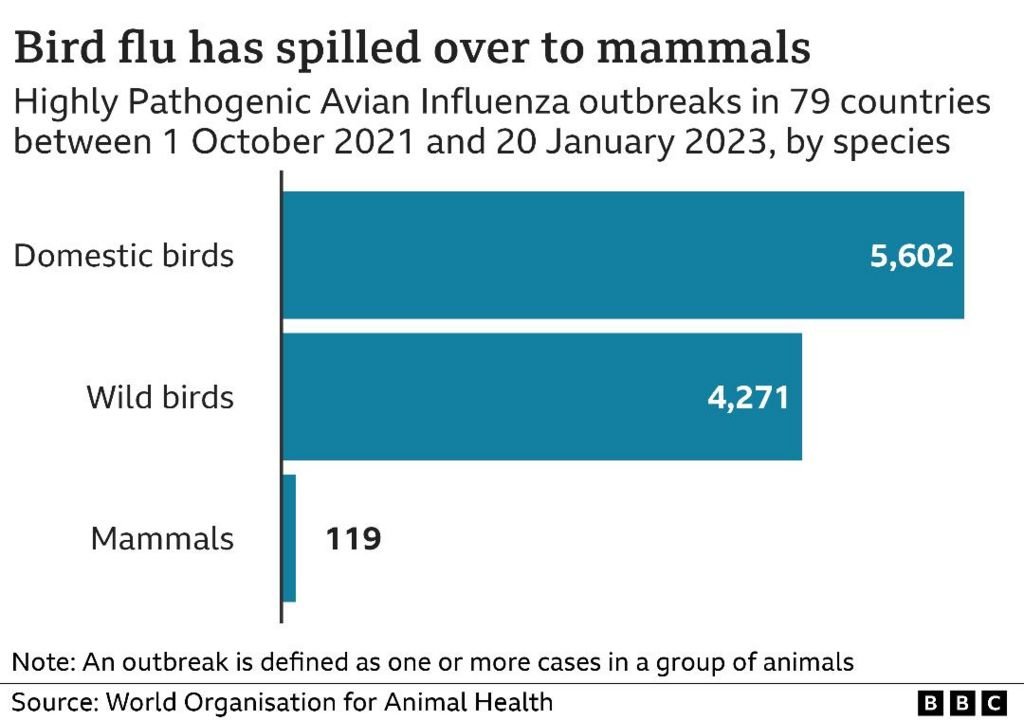
The current situation regarding the bird flu outbreak is a matter of concern for both local communities and international bodies. Several countries have been affected by the spread of the virus, resulting in a significant number of cases and deaths.
Countries affected
Bird flu has made its presence known in various regions across the globe. Countries such as China, India, Vietnam, Egypt, and Indonesia have reported the largest number of cases and deaths. However, it is important to note that the virus has not been limited to these areas alone, as sporadic cases have been identified in other countries as well.
Number of cases
The number of bird flu cases continues to rise, with each passing day. Thousands of cases have been documented globally, leading to a growing concern among health authorities worldwide. The rate at which it spreads is a cause for alarm, and measures are being taken to control the outbreak and ensure public safety.
Number of deaths
Tragically, the bird flu outbreak has resulted in a significant number of deaths. Many countries have reported fatalities due to the virus, and efforts are being made to mitigate the impact on human life. The number of deaths serves as a stark reminder of the urgency in addressing this issue and implementing effective preventative measures.
Transmission and Symptoms
Understanding how bird flu spreads and recognizing the symptoms is crucial in combating its further spread.
How it spreads
Bird flu primarily spreads through direct contact with infected birds or their droppings. Humans can contract the virus by handling infected poultry or being exposed to contaminated surfaces. The virus can also be transmitted through close contact with infected individuals.
Common symptoms
The symptoms of bird flu are similar to those of other respiratory illnesses. People infected with the virus may experience symptoms such as fever, cough, sore throat, and muscle aches. It is important to seek medical attention if any of these symptoms occur, especially if there has been exposure to infected birds or poultry.
Severe symptoms
In severe cases, bird flu can progress to pneumonia and other life-threatening complications. Some individuals may experience respiratory distress, organ failure, and even death. It is crucial to monitor symptoms closely and seek immediate medical care if severe symptoms develop.
Prevention and Control
Efforts to prevent and control the spread of bird flu involve a combination of vaccination programs, biosecurity measures, and culling of infected birds.
Vaccination programs
Vaccination programs are essential in reducing the incidence of bird flu. By vaccinating poultry, the spread of the virus can be significantly curtailed. Vaccines are developed against specific strains of bird flu and are regularly updated to address emerging variants.
Biosecurity measures
Implementing strict biosecurity measures is crucial in preventing the entry and spread of bird flu in poultry farms. Measures such as regular disinfection, controlled access to farms, and proper waste management can help minimize the risk of contagion.
Culling of infected birds
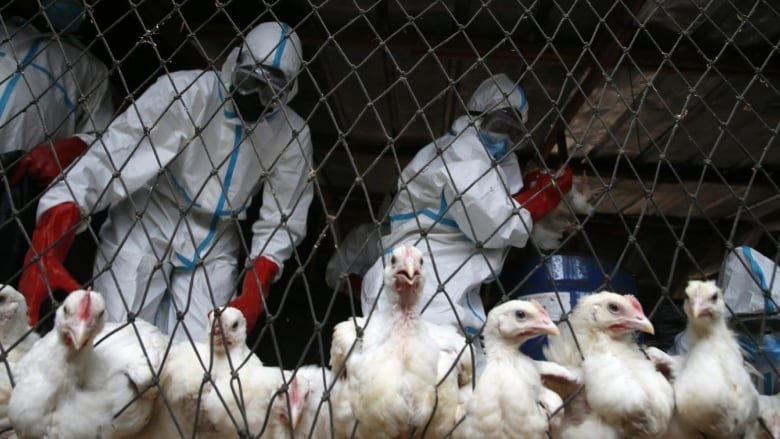
In cases where bird flu is detected, the culling of infected birds is often necessary to prevent further transmission to healthy individuals. This measure aims to contain the outbreak and eliminate infected populations. However, culling must be conducted with utmost care and in adherence to animal welfare guidelines.
Efforts to Contain the Outbreak
Efforts to contain the bird flu outbreak involve a coordinated response at both national and international levels. Various measures are being implemented to control the spread of the virus and minimize its impact on public health.
National response
National governments have been taking swift action to respond to the outbreak. This includes the establishment of dedicated teams to monitor and manage the situation, the allocation of resources for testing and treatment, and the implementation of public education campaigns to raise awareness about the virus.
International cooperation
Recognizing the global nature of the outbreak, international cooperation is crucial in combating bird flu effectively. Countries are sharing information, expertise, and resources to strengthen containment efforts. Collaborative efforts between countries and international organizations are key in tackling this global health issue.
Quarantine measures
Quarantine measures play a vital role in preventing the spread of bird flu. Infected individuals and suspected cases are isolated and provided with necessary medical care. Additionally, affected areas may be placed under quarantine to limit movement and prevent further transmission.

Impact on Poultry Industry
The bird flu outbreak poses significant challenges to the poultry industry, resulting in the loss of birds, economic consequences, and trade restrictions.
Loss of birds
One of the immediate impacts of the bird flu outbreak is the loss of birds. Infected poultry must be culled to prevent the spread of the virus, leading to substantial financial losses for farmers and businesses in the poultry industry. The loss of birds also disrupts the supply chain and affects the availability of poultry products for consumers.
Economic consequences
The bird flu outbreak has far-reaching economic consequences. The poultry industry is a significant contributor to many economies, and the disruption caused by the outbreak impacts not only the industry itself but also related sectors such as feed suppliers, distributors, and retailers. The economic impact extends beyond national borders, affecting global trade.
Trade restrictions
As a result of the bird flu outbreak, many countries have imposed trade restrictions on poultry products, both domestically and internationally. These restrictions aim to prevent the entry of infected birds or poultry products and minimize the risk of transmission. However, trade restrictions have a significant impact on the poultry industry, leading to financial losses and reduced market access.
Public Health Concerns
The bird flu outbreak raises various public health concerns that require immediate attention and proactive measures.
Potential for human-to-human transmission
While current cases of bird flu primarily involve transmission from birds to humans, there is a persistent concern regarding the potential for human-to-human transmission of the virus. This raises the risk of a pandemic if the virus mutates to become more easily transmissible among humans. Vigilance in monitoring and controlling the spread is crucial in preventing such a scenario.
Healthcare system capacity
The bird flu outbreak puts significant strain on healthcare systems, especially in regions with a high number of cases. The availability of medical resources, including hospital beds, ventilators, and antiviral drugs, becomes a concern as the number of infected individuals increases. Preparedness and capacity building within healthcare systems are essential to effectively manage the outbreak.
Availability of antiviral drugs
Antiviral drugs play a crucial role in the treatment and prevention of bird flu. Ensuring access to effective antiviral medications is vital in managing the outbreak and reducing the severity of the illness. The availability of these drugs must be prioritized to provide timely treatment to those in need.
Surveillance and Monitoring
Monitoring the spread of bird flu and implementing effective surveillance measures is essential for early detection and prompt response.
Tracking the spread
Efficient tracking systems are in place to monitor the spread of bird flu. This includes regular testing of bird populations, monitoring of human cases, and data sharing between national and international bodies. Timely and accurate tracking of the spread aids in identifying high-risk areas and implementing targeted control measures.
Early detection methods
Early detection of bird flu cases is crucial in preventing further transmission and containing the outbreak. Early detection methods include rapid diagnostic tests, surveillance of unusual bird deaths, and monitoring of respiratory illness patterns in human populations. Investment in early detection technologies and expertise is essential in minimizing the impact of the outbreak.
Research and Development
Continued research and development efforts are necessary to further understand the bird flu virus and develop effective prevention and treatment strategies. This includes ongoing surveillance, genetic sequencing of virus strains, and collaboration between scientists and public health institutions. Research is also focused on vaccine development, antiviral drugs, and improved diagnostic tools.
Lessons from Previous Outbreaks
Previous bird flu outbreaks have provided valuable insights and lessons that inform current response strategies.
Past bird flu outbreaks
Several significant bird flu outbreaks have occurred in the past, such as the H5N1 and H7N9 outbreaks. Lessons learned from these outbreaks, including the importance of early detection, rapid response, and international collaboration, have shaped current preparedness and response plans.
Improvements in response strategies
Over the years, response strategies have evolved based on the experience gained from previous outbreaks. This includes enhanced surveillance systems, improved diagnostic capabilities, and more efficient communication and coordination between local, national, and international authorities. These improvements are geared towards a more effective and unified response to future bird flu outbreaks.
Lessons learned
Past outbreaks have highlighted the need for ongoing vigilance and preparedness. Lessons learned include the importance of robust biosecurity measures, regular training of healthcare professionals, public education campaigns, and stockpiling of essential medical supplies. Applying these lessons learned ensures a more effective response to current and future outbreaks.
Effects on Wildlife
The bird flu outbreak not only impacts domestic poultry but also raises concerns regarding its effects on wildlife, including migratory birds and other avian species.
Impact on migratory birds
Migratory birds play a significant role in the transmission of bird flu. These birds can carry the virus long distances and introduce it to new regions. The outbreak raises concerns regarding the impact on migratory bird populations and the need for further research and monitoring to understand their role in the transmission cycle.
Risk of spread to other avian species
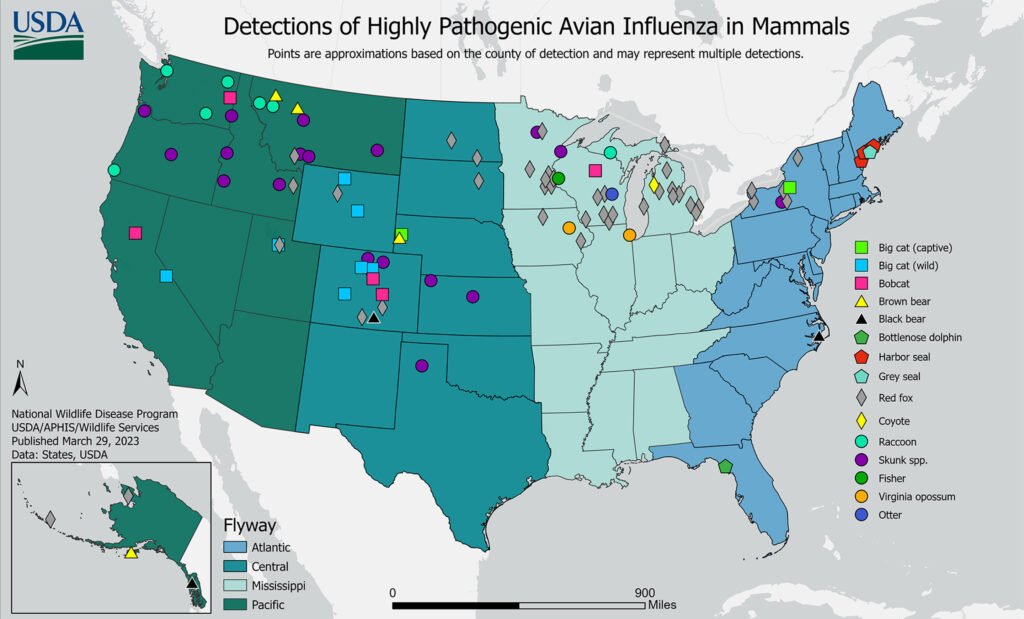
While domestic poultry is primarily affected by bird flu, there is a risk of the virus spreading to other avian species. Wild birds, waterfowl, and captive birds are susceptible to infection, raising concerns about the potential impact on biodiversity and ecosystems. Proactive measures are essential to prevent the spread to other avian species.
Ecological consequences
The bird flu outbreak has ecological consequences, as it disrupts the natural balance within ecosystems. The loss of bird populations, especially migratory species, can impact pollination, seed dispersal, and the overall biodiversity of affected areas. It is essential to consider the ecological ramifications and develop strategies that minimize the environmental impact of containment measures.
Global Preparedness
The bird flu outbreak emphasizes the importance of global preparedness and highlights the role of international organizations in coordinating response efforts.
Pandemic preparedness plans
Countries around the world have developed pandemic preparedness plans to address outbreaks like bird flu. These plans outline strategies to detect, contain, and mitigate the impact of the virus on public health. Regular review and updating of these plans ensure readiness to respond to emerging threats.
International organizations’ role
International organizations, such as the World Health Organization (WHO) and the World Organisation for Animal Health (OIE), play a vital role in coordinating global response efforts and providing guidance to affected countries. These organizations facilitate information sharing, support research initiatives, and provide technical assistance to assist in the containment of the outbreak.
Research and investment
Investment in research and development is crucial to advance our understanding of bird flu and improve response strategies. Ongoing research initiatives, supported by funding and collaboration, contribute to the development of effective vaccines, antiviral drugs, and diagnostic tools. Continued investments in research are key to global preparedness for future outbreaks.
In conclusion, the bird flu outbreak poses significant challenges to public health, the poultry industry, and wildlife. The current situation calls for a coordinated response at both national and international levels, involving vaccination programs, biosecurity measures, and diligent surveillance. Learning from past outbreaks and investing in research and preparedness ensures a more effective response to the current outbreak and future emerging threats. Together, we can work towards mitigating the impact of bird flu and safeguarding public health and global biodiversity.