
In “Diagnosing and Treating Bone Cancer in Teenagers and Young Adults,” you will discover the essential information needed to understand and address the unique challenges of bone cancer in this age group. This article aims to provide a comprehensive overview of the diagnosis and treatment options available, empowering teenagers and young adults to make informed decisions about their health and well-being. Whether you or a loved one are facing a bone cancer diagnosis or simply seeking to expand your knowledge, this article will guide you through the crucial aspects of this disease, offering support and guidance along the way.
Understanding Bone Cancer
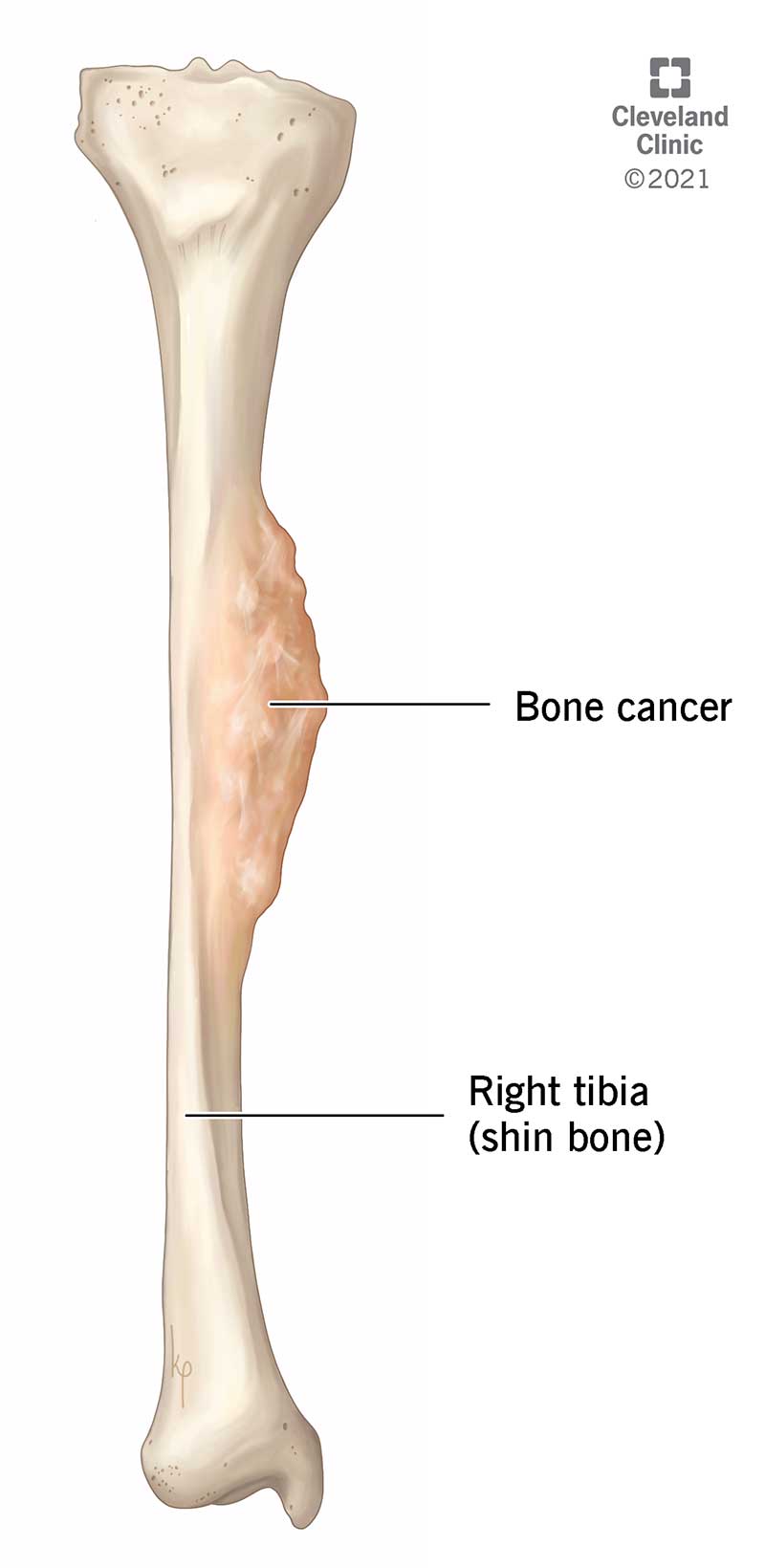
Bone cancer is a rare but serious condition that affects the bones in the human body. It can occur in any bone, but most commonly it is found in the long bones of the arms and legs. There are several types of bone cancer, including osteosarcoma, Ewing’s sarcoma, and chondrosarcoma. Each type of bone cancer has its own characteristics and treatment options.
Different types of bone cancer
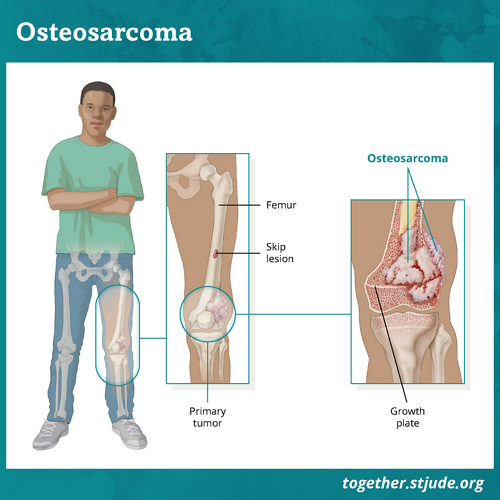
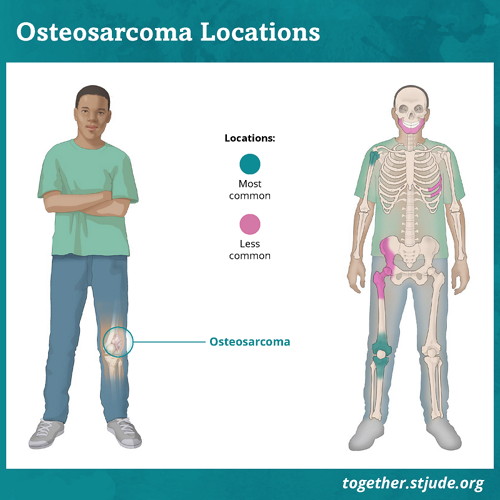
Osteosarcoma is the most common type of primary bone cancer, which originates in the bone itself. It is frequently found in teenagers and young adults, and it often occurs during a growth spurt. Ewing’s sarcoma is another type of bone cancer that primarily affects children and young adults. It tends to form in the pelvis, chest wall, and the long bones of the legs. Chondrosarcoma, on the other hand, develops in the cartilage of the bone and mostly affects older adults.
Prevalence and incidence
Bone cancer is relatively rare, comprising only about 0.2% of all cancers. However, it can have devastating effects on those affected and their families. Teenagers and young adults are more prone to bone cancer, with osteosarcoma being the most common among this age group. The incidence rate is higher in males than females, and certain genetic conditions and previous radiation therapy may increase the risk.
Causes and risk factors
The exact cause of bone cancer is not well understood. However, certain risk factors have been identified. Genetic conditions such as Li-Fraumeni syndrome and hereditary retinoblastoma can predispose individuals to bone cancer. Previous radiation therapy, particularly in the treatment of other cancers, may also increase the risk. Other factors such as age, gender, and certain lifestyle choices may contribute to the development of bone cancer.
Recognizing Symptoms of Bone Cancer
Early detection plays a vital role in the successful treatment of bone cancer. Recognizing the symptoms and seeking medical attention promptly can make a significant difference in the outcome. Some common symptoms of bone cancer include localized bone pain, swelling, and tenderness near the affected bone. However, there are also unusual symptoms that may occur, such as unexplained weight loss, fatigue, and fever.
Unusual symptoms to watch for
In addition to the common symptoms, there are several unusual symptoms that may indicate the presence of bone cancer. These can include bone fractures that occur without significant trauma, anemia, and nerve compression resulting in numbness or weakness. It is important to be aware of these symptoms and take them seriously, especially if they are persistent or worsening over time.
When to seek medical attention
If you experience persistent bone pain or notice any unusual symptoms mentioned above, it is crucial to seek medical attention. While these symptoms do not necessarily indicate bone cancer, they should not be ignored. A primary care physician or a specialist, such as an orthopedic oncologist, can evaluate your symptoms, order appropriate tests, and provide the necessary guidance and treatment options.

Diagnostic Tests and Procedures
To diagnose bone cancer, several tests and procedures may be conducted. These include physical examination, imaging tests, biopsy, and blood tests. These diagnostic tools help medical professionals determine the presence of bone cancer, its type, and the extent of its spread.
Physical examination
During a physical examination, the doctor will carefully assess the affected area, looking for any signs of swelling, tenderness, or abnormalities in the bone. They may also inquire about your medical history and family history to identify any potential risk factors or underlying conditions that could contribute to the development of bone cancer.
Imaging tests
Imaging tests, such as X-rays, CT scans, MRI scans, and bone scans, are essential in diagnosing bone cancer. These tests provide detailed images of the bones and surrounding tissues, helping to identify any abnormalities or tumors. They also help determine the extent of the cancer, whether it has spread to other parts of the body.
Biopsy
A biopsy is a crucial procedure that involves removing a small sample of tissue from the affected bone or tumor. This tissue sample is then examined under a microscope to determine whether it is cancerous and the specific type of bone cancer. A biopsy helps guide treatment decisions and provides valuable information about the characteristics of the tumor.
Blood tests
Blood tests are often conducted to assess the general health of the individual and to check for any abnormalities that may suggest the presence of bone cancer. These tests can provide information about certain proteins or markers that are associated with bone cancer, helping to further confirm the diagnosis.
Determining the Type and Stage of Bone Cancer
Once bone cancer is diagnosed, it is important to determine its type and stage. Classifying bone cancer helps in understanding its behavior, while staging bone cancer helps determine the extent of its spread and guides treatment decisions. Prognosis and survival rates are also dependent on the type and stage of bone cancer.
Classifying bone cancer
Bone cancer is classified based on the type of cells involved and the location of the tumor within the bone. Osteosarcoma, Ewing’s sarcoma, and chondrosarcoma are the most common types of bone cancer. Each type has its own distinct characteristics and treatment approaches.
Staging bone cancer
Staging bone cancer involves determining the size of the tumor, its location, and whether it has spread to nearby lymph nodes or other parts of the body. Staging is typically done using the TNM system, which stands for tumor, lymph node, and metastasis. The stages range from I to IV, with I being localized cancer and IV indicating the cancer has spread extensively.
Prognosis and survival rates
Prognosis and survival rates vary depending on several factors, including the type and stage of bone cancer, the age and overall health of the individual, and the chosen treatment approach. Generally, early-stage bone cancers have a more favorable prognosis than advanced-stage cancers. However, each case is unique, and it is important to discuss prognosis and potential outcomes with the healthcare team.
Treatment Options for Bone Cancer
Treating bone cancer requires a multidisciplinary approach, involving different treatment modalities. Depending on the type and stage of bone cancer, treatment options may include surgery, chemotherapy, radiation therapy, targeted therapy, immunotherapy, and participation in clinical trials.
Surgery
Surgery is often the primary treatment for bone cancer and involves removing the tumor and surrounding healthy tissue. The goal of surgery is to achieve complete removal of the cancer while preserving as much of the affected limb as possible. Depending on the size and location of the tumor, limb-sparing surgery or amputation may be performed.
Chemotherapy
Chemotherapy uses powerful drugs to kill cancer cells or prevent their growth. It is often used before surgery to shrink the tumor or after surgery to eliminate any remaining cancer cells. Chemotherapy may also be used in cases where the cancer has spread to other parts of the body. Several chemotherapy drugs are available, and the specific regimen depends on the type and stage of bone cancer.
Radiation therapy
Radiation therapy utilizes high-energy beams to target and kill cancer cells. It is often used in combination with surgery or chemotherapy to ensure all cancer cells are eliminated. External beam radiation is the most common type of radiation therapy for bone cancer, but brachytherapy, where radioactive material is placed directly into the tumor, may also be employed in certain cases.
Targeted therapy
Targeted therapy involves using specific drugs to target specific molecules or genetic mutations in cancer cells. These targeted drugs aim to inhibit the growth and spread of cancer cells while minimizing harm to healthy cells. Targeted therapy is often used in cases where other treatments have not been effective or when certain genetic mutations are present.

Immunotherapy
Immunotherapy works by using the body’s immune system to fight cancer. It stimulates the immune system to recognize and destroy cancer cells. While immunotherapy is still being studied for bone cancer, it shows promise as a potential treatment option in the future.
Clinical trials
Clinical trials are research studies that evaluate new treatments or treatment combinations for bone cancer. These trials provide opportunities for individuals to access innovative treatments that may not be widely available. Participating in clinical trials can contribute to improving treatment outcomes and advancing medical knowledge.
Surgical Procedures for Bone Cancer
In surgical procedures for bone cancer, the goal is to effectively remove the tumor while preserving as much function and mobility as possible. Different procedures may be utilized depending on the size, location, and characteristics of the tumor.
Limb-sparing surgery
Limb-sparing surgery, also known as limb-salvage surgery, aims to remove the tumor while preserving the affected limb. This surgical approach involves removing the tumor and replacing the bone with a metal implant or a bone graft from another part of the body. Rehabilitation and physical therapy are usually necessary to regain strength and mobility in the affected limb.
Amputation
In certain cases, amputation may be necessary to remove the cancer completely. Amputation involves the surgical removal of the entire affected limb. While this procedure may be emotionally challenging, advancements in prosthetics have greatly improved quality of life for individuals who have undergone amputation.
Reconstructive surgery
Reconstructive surgery may be performed following the removal of a tumor to ensure optimal function and aesthetics. This may involve techniques such as bone grafting, soft tissue reconstruction, or the use of prosthetics. The specific reconstructive approach depends on the location and extent of the removed tumor.
Chemotherapy and Bone Cancer
Chemotherapy is a common treatment option for bone cancer and is typically administered in cycles. Understanding how chemotherapy works, the drugs used, and the side effects is essential for effectively managing and coping with the treatment.
How chemotherapy works
Chemotherapy drugs work by targeting rapidly dividing cells, including cancer cells. They interfere with the cell division process, thus inhibiting the growth and spread of cancer cells. Depending on the type and stage of bone cancer, chemotherapy may be used to shrink tumors before surgery, eliminate remaining cancer cells after surgery, or treat metastatic bone cancer.
Common chemotherapy drugs used
There are several chemotherapy drugs used in the treatment of bone cancer, including cisplatin, doxorubicin, ifosfamide, and methotrexate. These drugs may be given individually or in combination, and the specific regimen depends on the type and stage of bone cancer. The healthcare team will determine the most appropriate drugs and dosage for each individual.
Side effects and management
Chemotherapy can cause various side effects, including nausea, hair loss, fatigue, and increased susceptibility to infections. It is important to communicate any side effects to the healthcare team, as they can provide medications and solutions to manage and alleviate these symptoms. Supportive care, such as anti-nausea medications and nutritional guidance, can also help individuals cope with the side effects of chemotherapy.
Radiation Therapy for Bone Cancer
Radiation therapy is often used in conjunction with surgery or chemotherapy to treat bone cancer. Understanding the different types of radiation therapy, side effects, and precautions is important for individuals undergoing this treatment.
External beam radiation
External beam radiation therapy involves directing high-energy beams of radiation from outside the body onto the tumor site. These beams penetrate the skin and target the cancer cells, destroying them or preventing their growth. The number and duration of radiation sessions depend on the type and stage of bone cancer. The side effects of external beam radiation may include fatigue, skin changes, and localized pain.
Brachytherapy
Brachytherapy is a type of radiation therapy where radioactive material is placed directly into or near the tumor site. This allows for targeted and localized radiation treatment. Brachytherapy may be used in certain cases of bone cancer to deliver a higher dose of radiation precisely to the affected area. The side effects of brachytherapy are specific to the location of the tumor and should be discussed with the healthcare team.
Side effects and precautions
Radiation therapy can cause side effects, which vary depending on the dose and location of the treatment. Common side effects include fatigue, skin reactions, and temporary hair loss in the treated area. It is essential to follow the guidelines provided by the healthcare team regarding skincare, sun protection, and the management of potential side effects. Certain precautions may need to be taken, such as avoiding direct sun exposure, to protect the treated area.
Targeted Therapy and Immunotherapy
Targeted therapy and immunotherapy are emerging treatment options for bone cancer. Understanding how these therapies work, their potential benefits, and associated risks is crucial for individuals considering or undergoing treatment.
Specific molecular targets
Targeted therapy aims to inhibit specific molecules or genetic mutations that are necessary for the growth and survival of cancer cells. By targeting these specific molecules, targeted therapy drugs can block the signals that promote cancer cell growth, ultimately reducing tumor size and spread. Research is ongoing to identify new molecular targets for bone cancer and develop targeted therapies that can effectively treat the disease.
Immunotherapy approaches
Immunotherapy enhances the body’s natural immune response to fight against cancer cells. It involves using drugs that stimulate the immune system or genetically engineered cells that target and destroy cancer cells. While immunotherapy is still being studied for bone cancer, it has shown promising results in other types of cancer. Clinical trials and ongoing research are evaluating the effectiveness of immunotherapy as a potential treatment option for bone cancer.
Potential benefits and risks
Targeted therapy and immunotherapy offer potential benefits for individuals with bone cancer, including more precise and effective treatment, improved response rates, and reduced side effects compared to conventional therapies. However, these therapies also come with risks and potential side effects that need to be carefully considered. The healthcare team will discuss the individual’s specific situation, including the potential benefits and risks of targeted therapy or immunotherapy.
Supportive Care and Rehabilitation
Supportive care and rehabilitation are essential components of the comprehensive treatment plan for bone cancer. They aim to manage symptoms, enhance quality of life, and facilitate recovery following treatment.
Pain management
Pain management is an important aspect of supportive care for individuals with bone cancer. Various approaches, including medications, physical therapy, and alternative therapies, can be utilized to alleviate pain and maximize comfort. Working closely with the healthcare team to address any pain concerns ensures that appropriate pain management strategies are implemented.
Physical therapy
Physical therapy plays a crucial role in restoring strength, mobility, and function following bone cancer treatment. A physical therapist can develop an individualized exercise program that helps rebuild strength, improve flexibility, and enhance overall physical well-being. Physical therapy may also involve the use of assistive devices or adaptive equipment to assist with mobility, if needed.
Psychosocial support
A cancer diagnosis can have a significant impact on an individual’s emotional well-being. Psychosocial support, such as counseling, support groups, and individual therapy, can provide valuable emotional support and help individuals cope with the challenges associated with bone cancer. It is important to address any emotional or psychological concerns and seek support from healthcare professionals, friends, and family.
Nutrition and lifestyle recommendations
Maintaining a healthy diet and lifestyle can support overall well-being and aid recovery during and after bone cancer treatment. A balanced diet that includes a variety of fruits, vegetables, whole grains, and lean proteins can provide essential nutrients for healing and boost the immune system. Engaging in regular physical activity, getting enough restful sleep, and managing stress are also crucial components of a healthy lifestyle for individuals with bone cancer.
In conclusion, understanding bone cancer, its different types, how to recognize its symptoms, diagnostic tests and procedures, treatment options, and supportive care is essential for individuals and their loved ones. Early detection, prompt medical attention, and a comprehensive treatment plan can greatly improve outcomes for those affected by this rare and serious condition. With ongoing advancements in research and treatment, there is hope for better outcomes and improved quality of life for individuals diagnosed with bone cancer.