
You may have heard the term “Carpal Tunnel Syndrome” thrown around before, but do you really understand what it means? In this article, we will shed light on this common condition that affects millions of people worldwide. From its causes to its symptoms and potential treatments, we aim to provide you with a comprehensive understanding of Carpal Tunnel Syndrome. So, if you’ve ever wondered why your wrists ache after a long day of typing or repetitive hand movements, keep reading to unlock the secrets of this fascinating condition.

What is Carpal Tunnel Syndrome?
Definition
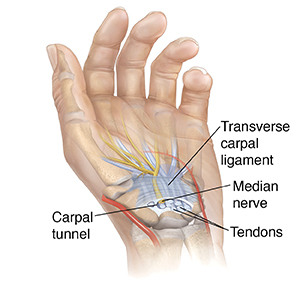
Carpal Tunnel Syndrome (CTS) is a common condition that affects the hand and wrist. It occurs when the median nerve, which runs from your forearm into your hand, becomes compressed or squeezed as it travels through the carpal tunnel in the wrist. The carpal tunnel is a narrow passageway made up of bones and ligaments, and it houses the median nerve and the nine tendons that control the movement of your fingers. When the median nerve gets compressed, it can cause a variety of symptoms in the hand and arm.
Causes
There are several factors that can contribute to the development of Carpal Tunnel Syndrome. One of the main causes is repetitive hand and wrist movements, which can occur in occupations that involve typing, assembly line work, or using vibrating tools. Other factors that can increase the risk of developing CTS include certain medical conditions such as diabetes, obesity, arthritis, and hormonal changes during pregnancy. Additionally, wrist injuries or fractures can also lead to the development of Carpal Tunnel Syndrome.
Symptoms
The symptoms of Carpal Tunnel Syndrome can vary from person to person, but they commonly include pain, numbness, and tingling in the hand and fingers. You may experience a burning sensation or a shock-like feeling that radiates up the arm. Some individuals may also notice weakness in their hand and a decreased ability to grip objects. These symptoms typically occur in the thumb, index finger, middle finger, and half of the ring finger, as these are the fingers that are primarily controlled by the median nerve.
Diagnosing Carpal Tunnel Syndrome
Medical History
When diagnosing Carpal Tunnel Syndrome, your doctor will first review your medical history and ask you about your symptoms. They will inquire about any factors that may contribute to the development of CTS, such as your occupation, hobbies, or recent injuries. This information will help them assess your risk factors and determine if further testing is necessary.
Physical Examination
Next, your doctor will perform a physical examination to evaluate the strength, sensation, and range of motion in your hand, wrist, and fingers. They may apply pressure to the area over the carpal tunnel to check for tenderness or swelling. Additionally, they may perform certain maneuvers, such as the Phalen’s test or the Tinel’s sign test, which can elicit symptoms associated with Carpal Tunnel Syndrome.
Electrodiagnostic Tests
Electrodiagnostic tests, such as nerve conduction studies and electromyography, are commonly used to confirm the diagnosis of Carpal Tunnel Syndrome. These tests measure the electrical activity of your nerves and muscles and can help determine the extent of the nerve compression. Nerve conduction studies assess the speed and strength of electrical signals as they travel along the nerves, while electromyography measures the electrical activity produced by your muscles. These tests can help differentiate Carpal Tunnel Syndrome from other conditions with similar symptoms.
Imaging Tests
Imaging tests, such as X-rays or ultrasound, are not typically necessary to diagnose Carpal Tunnel Syndrome. However, they may be ordered if your doctor suspects an underlying structural abnormality, such as a wrist fracture or a cyst, that could be contributing to the nerve compression. These tests can provide detailed images of the bones, ligaments, and soft tissues in the wrist area, helping to determine the cause of your symptoms.
Treatment Options
Conservative Treatments
In many cases, Carpal Tunnel Syndrome can be effectively managed without the need for surgery. Conservative treatments often involve a combination of lifestyle modifications and non-invasive interventions. These may include avoiding activities that aggravate the symptoms, taking frequent breaks, and modifying your work or daily activities to reduce strain on the wrist. Additionally, applying ice packs to the affected area and performing gentle exercises can provide symptom relief.
Medications
Your doctor may prescribe medications to help alleviate the pain, inflammation, and swelling associated with Carpal Tunnel Syndrome. Nonsteroidal anti-inflammatory drugs (NSAIDs) such as ibuprofen or naproxen sodium can help reduce pain and inflammation. In some cases, corticosteroids may be prescribed for their anti-inflammatory effects. These medications can be taken orally or administered through injections into the carpal tunnel.
Wrist Splints
Wrist splints are often recommended as a non-invasive treatment option for Carpal Tunnel Syndrome. They help immobilize the wrist in a neutral position, relieving pressure on the median nerve. Wrist splints are typically worn at night while sleeping or during activities that trigger symptoms. They can provide significant relief and help improve hand function by reducing inflammation and allowing the affected tissues to rest and heal.
Physical Therapy
Physical therapy can play a crucial role in the treatment of Carpal Tunnel Syndrome. A physical therapist can guide you through specific exercises and stretches that can help improve the flexibility and strength of your hand and wrist. They may also use techniques such as manual therapy or ultrasound to reduce pain and inflammation. Physical therapy can help restore normal function and prevent the recurrence of symptoms.
Alternative Therapies
Some individuals find relief from Carpal Tunnel Syndrome symptoms through alternative therapies. These may include acupuncture, chiropractic adjustments, or yoga. While the effectiveness of these therapies may vary from person to person, they can provide additional options for managing symptoms and improving overall well-being. It is important to discuss any alternative therapies with your healthcare provider before incorporating them into your treatment plan.
Surgery
If conservative treatments fail to provide sufficient relief or if your symptoms are severe and affecting your quality of life, your doctor may recommend carpal tunnel release surgery. This procedure involves cutting the ligament that is pressing on the median nerve, enlarging the carpal tunnel and relieving the compression. Carpal tunnel release surgery can be performed through traditional open surgery or minimally invasive techniques. Your doctor will discuss the benefits, risks, and expected outcomes of surgery with you to help you make an informed decision.
Prevention and Self-Care
Proper Ergonomics
Maintaining proper ergonomics is essential in preventing Carpal Tunnel Syndrome. Ensure that your workstation setup is ergonomic, with your keyboard and mouse at a comfortable height and your wrists in a neutral position. Adjust your chair and desk to promote good posture and minimize strain on your wrists and hands. Proper ergonomics not only reduce the risk of developing CTS but also improve overall comfort and productivity.
Hand and Wrist Exercises
Regularly performing hand and wrist exercises can help improve flexibility, strength, and circulation. Simple exercises, such as making a fist, spreading your fingers wide, and gently bending and extending your wrists, can help prevent stiffness and reduce the risk of developing Carpal Tunnel Syndrome. Incorporating these exercises into your daily routine can promote hand and wrist health.
Taking Breaks
Taking regular breaks from repetitive hand and wrist movements can help prevent the onset of Carpal Tunnel Syndrome. If your work involves activities that strain the hands and wrists, make it a habit to take short breaks every hour or so. During these breaks, stretch your fingers, shake out your hands, and perform gentle exercises to relieve tension and reduce the risk of developing CTS symptoms.
Managing Stress
Stress can exacerbate the symptoms of Carpal Tunnel Syndrome. Find healthy ways to manage and reduce stress, such as practicing relaxation techniques, engaging in hobbies or activities that you enjoy, and maintaining a healthy work-life balance. Stress management not only promotes overall well-being but can also help alleviate the symptoms associated with Carpal Tunnel Syndrome.
Maintaining a Healthy Lifestyle
Maintaining a healthy lifestyle is essential in preventing or managing Carpal Tunnel Syndrome. Eating a balanced diet, exercising regularly, and getting enough sleep can contribute to optimal hand and wrist health. A healthy lifestyle promotes proper circulation, reduces inflammation, and enhances the body’s ability to heal and recover from injuries or repetitive strain.

Living with Carpal Tunnel Syndrome
Making Lifestyle Modifications
Living with Carpal Tunnel Syndrome may require making certain lifestyle modifications to manage symptoms and prevent flare-ups. This may include avoiding activities that trigger symptoms or finding alternative ways to perform tasks. For example, using voice recognition software instead of typing or using assistive devices for gripping objects. By adapting your lifestyle, you can continue to engage in the activities you love while minimizing discomfort.
Adapting Work Environment
If you have Carpal Tunnel Syndrome, it is important to make adaptations to your work environment to reduce strain on your hand and wrist. This may include adjusting your workstation setup, incorporating ergonomic tools or equipment, and implementing proper lifting and movement techniques. Collaborating with your employer to make necessary accommodations can help create a comfortable and supportive work environment.
Managing Symptoms
Managing symptoms is a crucial aspect of living with Carpal Tunnel Syndrome. This may involve using pain-relieving creams or applying warm compresses to alleviate discomfort. Wearing wrist splints, especially during activities that exacerbate symptoms, can provide stability and relieve pressure on the median nerve. It is important to listen to your body, rest when needed, and prioritize self-care to effectively manage and minimize symptoms.
Seeking Support
Living with Carpal Tunnel Syndrome can be challenging, both physically and emotionally. Seeking support from healthcare professionals, support groups, and loved ones can provide encouragement, guidance, and assistance. They can offer valuable advice, share coping strategies, and provide a supportive network to help you navigate life with Carpal Tunnel Syndrome.
Complications and Long-term Effects
Recurrent Symptoms
In some cases, Carpal Tunnel Syndrome symptoms may recur even after conservative treatments or surgery. This can be due to various factors, such as the progression of an underlying medical condition, inadequate healing, or repetitive hand movements that continue to strain the wrist. If you experience recurrent symptoms, it is important to consult with your healthcare provider to determine the best course of action.
Loss of Grip Strength
Carpal Tunnel Syndrome can lead to a weakening of the muscles in the hand and result in a loss of grip strength. This can affect the ability to perform everyday tasks and activities that require grip strength, such as opening jars or holding objects securely. Physical therapy and specific hand and wrist exercises can help improve grip strength and restore normal hand function.
Permanent Nerve Damage
In severe, untreated cases of Carpal Tunnel Syndrome, permanent nerve damage can occur. Prolonged compression of the median nerve can lead to irreversible damage and a decrease in sensation or muscle function in the hand. Recognizing and addressing the symptoms of Carpal Tunnel Syndrome early can help prevent long-term complications and minimize the risk of permanent nerve damage.

Carpal Tunnel Syndrome in Specific Populations
Pregnancy
Pregnancy can increase the risk of developing Carpal Tunnel Syndrome due to fluid retention and hormonal changes. The increased fluid levels in the body can put additional pressure on the median nerve, leading to symptoms associated with CTS. Pregnant individuals with Carpal Tunnel Syndrome can utilize non-invasive treatments, such as wrist splints and physical therapy exercises, to manage symptoms during pregnancy. In most cases, the symptoms of CTS during pregnancy resolve on their own after childbirth.
Obesity
Obesity is a known risk factor for Carpal Tunnel Syndrome. The excess body weight can contribute to an increased pressure on the median nerve, potentially leading to the development of CTS. Managing a healthy weight through regular exercise and a balanced diet can help reduce the risk of developing Carpal Tunnel Syndrome and alleviate symptoms in individuals who are already affected by the condition.
Diabetes
Individuals with diabetes have an increased risk of developing Carpal Tunnel Syndrome due to various factors, such as nerve damage and fluid retention. Diabetic neuropathy, which affects the nerves throughout the body, can predispose individuals to nerve compression in the carpal tunnel. Good blood sugar control and regular monitoring can help reduce the risk of developing Carpal Tunnel Syndrome in individuals with diabetes.
Arthritis
Arthritis, specifically rheumatoid arthritis, can contribute to the development of Carpal Tunnel Syndrome. The inflammation associated with arthritis can cause swelling and compression of the median nerve in the carpal tunnel. Proper management of arthritis symptoms and regular monitoring can help prevent or minimize the impact of Carpal Tunnel Syndrome in individuals with arthritis.
Repetitive Hand Movements
Repetitive hand movements, such as typing or using vibrating tools, can strain the wrist and increase the risk of developing Carpal Tunnel Syndrome. Taking frequent breaks, using ergonomic tools, and practicing proper hand and wrist positioning can help reduce the strain on the median nerve and decrease the likelihood of developing CTS. Employers can also implement strategies such as job rotation or ergonomic assessments to minimize the risk of Carpal Tunnel Syndrome in occupations that involve repetitive hand movements.
Myths and Misconceptions
Carpal Tunnel Syndrome only affects the hands
Contrary to popular belief, Carpal Tunnel Syndrome can cause symptoms beyond the hands. The compression of the median nerve in the carpal tunnel can lead to pain, numbness, tingling, or weakness that radiates up the arm and into the shoulder. These symptoms can impact daily activities and significantly affect the overall quality of life.
Only office workers get Carpal Tunnel Syndrome
While office workers who engage in repetitive typing or mouse activities are at a higher risk of developing Carpal Tunnel Syndrome, it is not limited to this population. Individuals in various occupations and professions, such as assembly line workers, musicians, construction workers, and healthcare professionals, can also develop CTS due to repetitive hand motions or other risk factors. It is important to recognize the potential for Carpal Tunnel Syndrome in any occupation that involves strain on the hands and wrists.
Resting alone can cure Carpal Tunnel Syndrome
While rest and avoiding activities that aggravate the symptoms can provide temporary relief, Carpal Tunnel Syndrome typically requires more comprehensive treatment. Resting alone is not sufficient to cure CTS. Conservative treatments, such as wrist splints, physical therapy, and lifestyle modifications, are often necessary to manage symptoms effectively. In some cases, surgical intervention may be required for long-term relief and resolution of symptoms.

Research and Advancements
Non-surgical Treatments
Ongoing research is focused on developing new non-surgical treatments for Carpal Tunnel Syndrome. This includes investigating the effectiveness of alternative therapies, such as laser therapy, acupuncture, or transcutaneous electrical nerve stimulation (TENS). These treatments aim to provide additional options for individuals who prefer non-invasive approaches or who do not respond to traditional treatments.
New Diagnostic Techniques
Advancements in diagnostic techniques are being explored to improve the accuracy and efficiency of diagnosing Carpal Tunnel Syndrome. Researchers are investigating the use of imaging methods, such as magnetic resonance imaging (MRI) or ultrasound, to visualize and evaluate the structures within the carpal tunnel. These techniques could potentially aid in early and accurate diagnosis, leading to more effective treatment planning.
Risk Factor Identification
The identification of specific risk factors associated with Carpal Tunnel Syndrome is an ongoing area of research. Researchers are studying genetic predispositions, occupational factors, and underlying medical conditions to better understand why some individuals are more susceptible to developing CTS. This knowledge can help identify high-risk individuals and implement preventive measures more effectively.
Improved Surgical Techniques
Advancements in surgical techniques aim to improve outcomes and minimize the invasiveness of carpal tunnel release surgery. Minimally invasive techniques, such as endoscopic or ultrasound-guided carpal tunnel release, are being refined to reduce post-operative pain and scarring. Improved surgical techniques may result in faster recovery times and improved long-term outcomes for individuals who require surgery for Carpal Tunnel Syndrome.
Conclusion
Carpal Tunnel Syndrome is a common condition that can cause pain, numbness, and weakness in the hand and wrist. It is often caused by repetitive hand movements or underlying medical conditions. However, with proper diagnosis, treatment, and lifestyle modifications, individuals with Carpal Tunnel Syndrome can effectively manage their symptoms and prevent long-term complications. It is essential to seek medical attention if you experience any symptoms of CTS, as early intervention can lead to better outcomes. By understanding the causes, symptoms, and available treatment options, you can take the necessary steps to maintain hand and wrist health and live a comfortable, fulfilling life.