
Imagine receiving the life-altering news that you have been diagnosed with cervical cancer. Amidst the uncertainty and fear, it’s crucial to be armed with knowledge about treatment options and support. In this article, we will explore the different avenues available to help you cope and navigate the challenging journey ahead. From innovative treatments to a myriad of support networks, you will find reassurance and guidance to face this hurdle with strength and resilience.
Coping with Cervical Cancer: Treatment Options and Support

I. Treatment Options
When it comes to treating cervical cancer, there are several options available. Your healthcare team will determine the best course of treatment based on the stage and type of cancer you have, as well as your overall health and preferences. The main treatment options for cervical cancer include:
A. Surgery
Surgery involves the removal of cancerous tissue. There are different surgical procedures used for treating cervical cancer, depending on the stage and extent of the cancer. Some common surgical treatment options for cervical cancer are:
B. Radiation therapy
Radiation therapy, also known as radiotherapy, uses high-energy rays to kill cancer cells. It can be used as the primary treatment for cervical cancer, or in combination with other treatments like surgery or chemotherapy. There are two main types of radiation therapy used for cervical cancer:
C. Chemotherapy
Chemotherapy involves the use of drugs to kill cancer cells. It can be administered orally or intravenously, and can be used before surgery to shrink tumors, after surgery to kill remaining cancer cells, or as the main treatment for advanced stages of cervical cancer. Some common drugs used in cervical cancer chemotherapy are:
D. Targeted therapy
Targeted therapy specifically targets the cancer cells, sparing healthy cells from damage. It works by blocking the growth and spread of cancer cells. Targeted therapies for cervical cancer may include:
E. Immunotherapy
Immunotherapy harnesses the power of your immune system to fight cancer. It works by stimulating the immune system or by using substances made by your own body to restore or enhance the immune system’s ability to recognize and destroy cancer cells. Immunotherapy for cervical cancer may involve:
II. Surgical Treatment Options
Surgery plays a crucial role in the treatment of cervical cancer. The specific surgical procedure recommended will depend on the stage and extent of the cancer. Some surgical treatment options for cervical cancer include:
A. Conization
Conization, also known as a cone biopsy, involves the removal of a cone-shaped piece of tissue from the cervix. It is usually performed for smaller tumors or to remove precancerous cells.
B. Hysterectomy
Hysterectomy is the surgical removal of the uterus. It may be recommended for early-stage cervical cancer, as well as in more advanced cases. Depending on the extent of the cancer, other organs such as the ovaries and fallopian tubes may also be removed.
C. Lymphadenectomy
Lymphadenectomy involves the removal of lymph nodes in the pelvis to check for the spread of cancer cells. It is performed in combination with other surgical procedures for cervical cancer to determine the stage and to remove any cancerous lymph nodes.
D. Radical trachelectomy
Radical trachelectomy is a fertility-sparing procedure that involves the removal of the cervix and upper part of the vagina, while preserving the uterus. It is performed in early-stage cervical cancer in young women who wish to preserve their fertility.
E. Pelvic exenteration
Pelvic exenteration is a radical surgical procedure where the pelvic organs, such as the bladder, rectum, and sometimes the vagina, are removed. It is performed in advanced cases or in cases of recurrence where other treatment options have been exhausted.
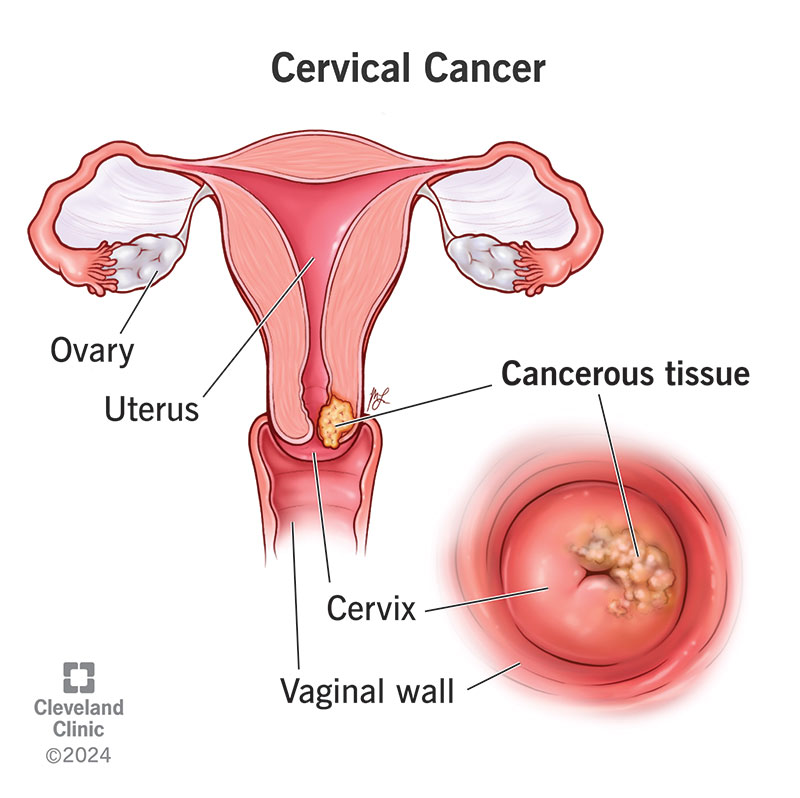
III. Radiation Therapy
Radiation therapy is a common treatment option for cervical cancer. It uses high-energy rays to kill cancer cells and can be used as the primary treatment or in combination with other therapies. There are two main types of radiation therapy used for cervical cancer:
A. External Beam Radiation Therapy
In external beam radiation therapy, a machine called a linear accelerator is used to deliver radiation from outside the body. The radiation is carefully targeted to the cervix and surrounding areas to destroy cancer cells while minimizing damage to healthy tissues.
B. Brachytherapy
Brachytherapy involves the placement of a radioactive source inside or near the tumor. This allows for a higher dose of radiation to be delivered directly to the cancer cells. Brachytherapy can be delivered as low-dose-rate (LDR) or high-dose-rate (HDR) treatment, depending on the individual case.
C. Side Effects and Management
Radiation therapy can cause side effects, which may vary depending on the individual and the specific treatment. Common side effects may include fatigue, skin changes, nausea, and bowel or bladder problems. Your healthcare team will provide you with strategies and medications to manage these side effects and improve your quality of life during treatment.
IV. Chemotherapy
Chemotherapy is another important treatment option for cervical cancer. It uses drugs to kill cancer cells or stop them from growing. Chemotherapy can be used in various ways, depending on the stage and extent of the cancer. Some aspects of chemotherapy for cervical cancer include:
A. Drugs used in cervical cancer chemotherapy
Several drugs are commonly used in chemotherapy for cervical cancer. These drugs are designed to target and kill rapidly dividing cancer cells. The choice of drugs will depend on the specific situation and may include platinum-based drugs like cisplatin or combination chemotherapy regimens.
B. Combination chemotherapy
Combination chemotherapy involves the use of multiple drugs that work together to enhance the effectiveness of treatment. This approach can help improve outcomes in cervical cancer and reduce the risk of drug resistance.
C. Side effects and management
Chemotherapy can cause side effects due to its impact on both cancer cells and healthy cells in the body. Common side effects may include hair loss, fatigue, nausea, and lowered blood cell counts. Your healthcare team will closely monitor and manage these side effects to minimize their impact and provide support throughout your treatment.

V. Targeted Therapy
Targeted therapy is a newer treatment approach that specifically targets cancer cells while minimizing damage to healthy cells. It works by interfering with specific molecules and pathways involved in cancer growth and spread. Targeted therapies for cervical cancer include:
A. Overview of targeted therapy
Targeted therapy is based on the understanding of the genetic and molecular changes that drive cancer growth. By targeting these specific alterations, targeted therapies can disrupt the signaling pathways that promote cancer cell survival and proliferation.
B. Cervical cancer-specific targeted therapies
Several targeted therapies have shown promise in the treatment of cervical cancer. These therapies may include drugs that target specific proteins or signaling pathways that are overactive in cervical cancer cells.
C. Side effects and management
While targeted therapies can be more targeted towards cancer cells, they can still cause side effects. The specific side effects will depend on the drugs used and may include skin rashes, diarrhea, or liver abnormalities. Your healthcare team will closely monitor and manage these side effects to ensure your well-being throughout treatment.
VI. Immunotherapy
Immunotherapy is a cutting-edge treatment approach that aims to harness and enhance the body’s own immune system to fight cancer. It works by stimulating the immune system or by using substances made by the body to restore or enhance the immune system’s ability to recognize and destroy cancer cells. Immunotherapy for cervical cancer includes:
A. Introduction to immunotherapy
Immunotherapy is revolutionizing cancer treatment by offering a novel approach to fighting cancer. It works by boosting the body’s immune response against cancer cells, enabling the immune system to identify and eliminate them.
B. Immune checkpoint inhibitors
Immune checkpoint inhibitors are a type of immunotherapy that blocks the proteins that inhibit the immune response, allowing the immune system to better recognize and attack cancer cells. These inhibitors can be used as a single treatment or in combination with other therapies.
C. Side effects and management
Immunotherapy can cause immune-related side effects, which can affect different organs in the body. These side effects may include skin rashes, diarrhea, thyroid problems, or inflammation of the lungs or liver. Close monitoring and prompt management of these side effects are essential to ensure the best possible outcomes.

VII. Side Effects of Treatment
Cervical cancer treatment can cause various side effects, which can vary depending on the specific treatment received and the individual. Understanding and managing these side effects is an important part of the treatment journey. Some aspects of side effects of treatment include:
A. Common side effects
Common side effects of cervical cancer treatment may include fatigue, nausea, hair loss, changes in appetite, and changes in sexual function. These side effects can vary in severity and may require specific interventions or medications to manage them effectively.
B. Long-term effects
Some treatments for cervical cancer can cause long-term effects that may impact quality of life. These can include fertility issues, sexual dysfunction, lymphedema, or menopausal symptoms. Your healthcare team will discuss these potential long-term effects with you and provide appropriate support throughout your treatment.
C. Managing side effects
Your healthcare team will work closely with you to manage and minimize the impact of side effects. They may recommend medications, lifestyle changes, or supportive therapies to alleviate symptoms and improve your overall well-being. Open communication with your healthcare team is crucial to ensuring that your needs are addressed effectively.
VIII. Coping with Emotional Impact
A cervical cancer diagnosis can have a significant emotional impact, and it is important to address the psychological and emotional aspects of the journey alongside the physical treatment. Understanding and coping with these emotional challenges is essential for your overall well-being. Some aspects of coping with the emotional impact of cervical cancer include:
A. Understanding emotional challenges
A cervical cancer diagnosis can evoke a range of emotions, including fear, anxiety, sadness, and anger. It is important to acknowledge and understand these emotions and to seek support when needed. Talking openly with loved ones and healthcare professionals can help in navigating these challenges.
B. Seeking support
Seeking support from friends, family, and healthcare professionals can be instrumental in coping with the emotional impact of cervical cancer. There are various support services available, including counselors, psychologists, and support groups, where you can connect with others facing similar experiences.
C. Psychotherapy and counseling
Psychotherapy and counseling can provide a safe and supportive space to explore and address the emotional challenges that come with a cervical cancer diagnosis. Working with a trained therapist can help you develop coping strategies, resilience, and a sense of empowerment throughout the treatment journey.

IX. Support Resources
When facing cervical cancer, it is important to know that you are not alone. There are numerous support resources available to help you navigate the challenges and uncertainties of the journey. Some support resources for cervical cancer include:
A. Support groups
Support groups can provide a valuable source of comfort, understanding, and encouragement. These groups often consist of individuals who have undergone similar experiences and can share insights, advice, and emotional support.
B. Online communities and forums
Online communities and forums offer a space for individuals to connect and share experiences with others facing cervical cancer. These platforms facilitate the exchange of information, emotional support, and practical tips for coping with the challenges of treatment.
C. Practical assistance programs
Practical assistance programs can offer support with the practical aspects of living with cervical cancer. These programs may provide transportation assistance, financial guidance, or access to resources that can help ease the burden of treatment.
X. Complementary and Alternative Therapies
Complementary and alternative therapies can be used alongside conventional medical treatments to improve well-being and quality of life. While they should not replace recommended medical treatments, they can serve as supportive measures. Some complementary and alternative therapies for cervical cancer include:
A. Acupuncture
Acupuncture involves the insertion of thin needles into specific points on the body to stimulate energy flow and promote healing. It can help alleviate symptoms such as pain, fatigue, and nausea associated with cervical cancer treatment.
B. Herbal remedies
Herbal remedies, such as certain teas or supplements, may be used alongside conventional treatments to support overall health and well-being. It is important to consult with your healthcare team before using any herbal remedies, as they may interact with other treatments or medications.
C. Mind-body practices
Mind-body practices, such as meditation, yoga, or guided imagery, can help reduce stress, improve sleep, and enhance overall well-being. These practices can be incorporated into your daily routine to complement medical treatments and support your physical and emotional wellness.
In conclusion, coping with cervical cancer involves understanding the available treatment options, managing side effects, seeking emotional support, and accessing various resources to aid in the journey. By working closely with your healthcare team and utilizing the support available, you can face cervical cancer with resilience, strength, and a sense of empowerment. Remember, you are not alone in this journey, and there are resources and people ready to support you every step of the way.