
Imagine a world where a mosquito bite doesn’t instill fear in the hearts of millions. Thanks to the latest breakthroughs in Dengue research, that world may not be too far away. Scientists from around the globe have been tirelessly working to understand this debilitating disease and develop effective treatments. From advances in vaccine development to innovative mosquito control methods, the ongoing efforts in Dengue research are paving the way for a brighter and healthier future. In this article, we will explore the most recent discoveries in combating Dengue, offering hope and optimism in the fight against this relentless virus.

Dengue: An Overview
Dengue is a viral disease transmitted by mosquitoes, primarily the Aedes aegypti mosquito. It is a significant global health concern, affecting millions of people each year. In this comprehensive article, we will delve into various aspects of dengue, including its transmission, symptoms, diagnosis, risk factors, preventive measures, traditional therapies, advancements in vaccine development, antiviral medications, understanding dengue immunity, vector control strategies, the role of technology in dengue research, and future directions in dengue research.
What is Dengue?
Dengue is a viral infection caused by the dengue virus, which belongs to the Flaviviridae family. It is commonly found in tropical and subtropical regions, especially in urban areas. The disease is characterized by a sudden onset of high fever, severe headache, joint and muscle pain, rash, and other flu-like symptoms. In severe cases, dengue can lead to life-threatening complications such as dengue hemorrhagic fever (DHF) and dengue shock syndrome (DSS).

Transmission of Dengue
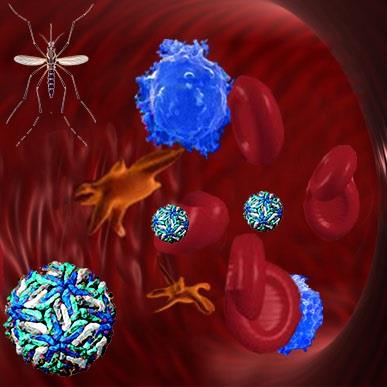
Dengue is primarily transmitted through the bite of infected female Aedes mosquitoes, mainly Aedes aegypti. These mosquitoes thrive in tropical and subtropical regions, breeding in stagnant water sources such as discarded tires, flower pots, and water storage containers. When a mosquito bites a person infected with the dengue virus, it becomes a carrier and can then transmit the virus to other individuals through subsequent bites.
Global Impact of Dengue
Dengue has a significant global impact, affecting approximately 390 million people annually. The burden of dengue is particularly high in countries with a tropical climate, inadequate sanitation, and limited resources for vector control. Southeast Asia, the Americas, and the Western Pacific region are the most affected regions. The economic cost of dengue is substantial, resulting from healthcare expenses, loss of productivity, and the burden on health systems.

Symptoms and Diagnosis
Common Symptoms of Dengue
The symptoms of dengue can vary from mild to severe. Common symptoms include high fever, severe headache, pain behind the eyes, muscle and joint pain, fatigue, rash, and mild bleeding from the nose or gums. These symptoms usually appear within 4 to 7 days after being bitten by an infected mosquito. Early recognition and prompt medical attention are crucial to prevent severe complications.
Diagnostic Methods for Dengue
Rapid and accurate diagnosis of dengue is crucial for proper management and surveillance. Currently, there are several diagnostic methods available for detecting dengue infection. These include molecular tests such as polymerase chain reaction (PCR), antigen-based tests such as enzyme-linked immunosorbent assay (ELISA), and antibody-based tests such as rapid diagnostic tests (RDTs). These tests help determine the presence of the dengue virus or antibodies in the blood and assist in differentiating dengue from other febrile illnesses.
Risk Factors and Prevention
Factors Increasing Dengue Risk
Several factors contribute to the increased risk of dengue transmission. Urbanization, climate change, and globalization play significant roles in the spread of dengue. Rapid urbanization leads to inadequate sanitation and accumulation of stagnant water, providing breeding grounds for mosquitoes. Climate change results in more suitable environments for mosquitoes and can extend their geographic range. Increased travel and trade facilitate the spread of dengue to new areas.
Preventive Measures for Dengue
Preventing dengue relies on effective vector control measures and public awareness. Eliminating mosquito breeding sites by emptying, covering, or treating containers that hold water is essential. Using mosquito repellents, wearing protective clothing, and sleeping under insecticide-treated bed nets can reduce the risk of mosquito bites. Community-based initiatives, educational campaigns, and targeted interventions are crucial in raising awareness and promoting preventive measures.

Traditional Therapies for Dengue
Current Approaches to Treating Dengue
Currently, there is no specific antiviral treatment available for dengue. Treatment mainly focuses on the management of symptoms and supportive care. Adequate hydration, rest, and pain relievers such as acetaminophen are commonly recommended. Severe cases, especially those with complications, require hospitalization and specialized care. Early detection and close monitoring are essential for timely intervention and avoiding severe outcomes.
Limitations of Traditional Therapies
The lack of specific antiviral treatments for dengue presents a significant challenge in managing the disease. Traditional therapies mainly target symptomatic relief but do not directly combat the virus. This limitation underscores the need for alternative treatment approaches and advancements in dengue research.
Advances in Dengue Vaccine
Challenges in Developing Dengue Vaccine
Developing a safe and effective dengue vaccine has been a complex endeavor due to several challenges. The dengue virus exists as four distinct serotypes (DENV-1, DENV-2, DENV-3, and DENV-4), and an effective vaccine must provide protection against all serotypes. Additionally, individuals who have previously been infected with one serotype may be at higher risk for severe dengue if they later acquire a different serotype. Achieving a balanced immune response against all serotypes while avoiding an exaggerated immune response is critical in vaccine development.
Breakthroughs in Vaccine Development
Several vaccines are currently in development or have been approved for dengue prevention. The first dengue vaccine, Dengvaxia, was licensed for use in some countries. However, its use is limited due to safety concerns and variations in vaccine efficacy across different age groups and serotypes. Ongoing research aims to develop more effective vaccines that elicit a broad and durable immune response against all dengue serotypes. Novel vaccine candidates using different approaches, such as live attenuated vaccines, DNA-based vaccines, and subunit vaccines, are showing promise in preclinical and clinical trials.
Antiviral Medications
Exploration of Antiviral Drugs for Dengue
Efforts are underway to develop antiviral drugs specifically targeting the dengue virus. These drugs aim to inhibit viral replication and reduce disease severity. Several potential antiviral targets have been identified, such as viral proteases, polymerases, and other essential viral proteins. Drug repurposing and screening of compound libraries are being explored to identify novel antiviral candidates. However, challenges such as viral diversity, drug resistance, and the need for clinical trials pose hurdles in the development of effective antiviral medications for dengue.
Promising Antiviral Agents
Several antiviral agents have shown promise in preclinical studies and early clinical trials. Small-molecule inhibitors that target essential viral proteins have demonstrated potent antiviral activity against dengue. These inhibitors interfere with viral replication and have the potential to reduce disease severity. However, further research and clinical trials are needed to determine their safety, efficacy, and optimal dosages before they can be widely used in the treatment of dengue.
Understanding Dengue Immunity
Immune Response to Dengue Virus
Understanding the immune response to the dengue virus is crucial for the development of effective interventions. Upon infection, the immune system mounts a complex response involving both innate and adaptive immunity. The production of neutralizing antibodies plays a vital role in controlling viral replication and preventing reinfection. However, in some cases, antibody-dependent enhancement (ADE) can occur, leading to severe disease. A better understanding of immune responses and the factors influencing dengue immunity is essential for vaccine development and therapeutic interventions.
Efforts to Enhance Dengue Immunity
Efforts are underway to enhance dengue immunity through various approaches. Developing vaccines that induce a robust and balanced immune response against all serotypes is a primary focus. Additionally, research is being conducted to identify immune correlates of protection and biomarkers that can predict disease severity or vaccine response. Novel strategies such as immune modulation, immune checkpoint inhibition, and combination therapies are being explored to enhance immune responses and improve outcomes for dengue patients.
Vector Control Strategies
Traditional Methods of Vector Control
Vector control is a critical component in preventing dengue transmission. Traditional methods of vector control include source reduction, larval control, and adult mosquito control. Source reduction involves eliminating or modifying potential breeding sites, while larval control targets the immature stages of mosquitoes. Adult mosquito control is achieved through the use of insecticides, fogging, and other techniques. These interventions aim to reduce mosquito populations and interrupt the transmission cycle.
Innovative Approaches for Mosquito Control
Innovative approaches are being explored to enhance mosquito control strategies. Genetic manipulation techniques, such as the release of genetically modified mosquitoes carrying a self-limiting gene or the use of Wolbachia-infected mosquitoes, show promise in reducing mosquito populations. Wolbachia is a naturally occurring bacterium that can impede the transmission of dengue by mosquitoes. Novel technologies, including sterile insect techniques and smart traps, are also being developed to improve the efficiency and effectiveness of mosquito control efforts.
Role of Technology in Dengue Research
Utilizing Big Data in Dengue Research
Big data analysis has proven invaluable in understanding and predicting dengue transmission dynamics. By integrating data from various sources, including epidemiological data, climate data, and social media platforms, researchers can identify high-risk areas, predict outbreaks, and optimize resource allocation. Data-driven models and machine learning algorithms are revolutionizing dengue research by enabling more accurate risk assessments and informing targeted interventions.
Advancements in Diagnostic Tools
Technological advancements have significantly improved dengue diagnostic tools. Rapid diagnostic tests (RDTs) based on immunochromatographic assays allow for quick and reliable detection of dengue antigens or antibodies in the blood. Real-time PCR and portable PCR devices provide highly sensitive and specific identification of the dengue virus. Novel biosensors and point-of-care devices are being developed for rapid and on-site diagnosis of dengue, facilitating early detection and timely intervention.
Future Directions in Dengue Research
Emerging Areas of Focus
Dengue research is continuously evolving, with new areas of focus emerging. One emerging area is the development of therapeutics targeting host factors and host-virus interactions. By targeting host proteins essential for viral replication or modulating host immune responses, these therapeutics aim to limit viral spread and reduce disease severity. Another emerging area is the exploration of nanotechnology and nanomedicine for dengue diagnosis and treatment. Nanoparticles and nanocarriers show great potential in targeted drug delivery and enhancing the sensitivity of diagnostic assays.
Collaborative Efforts in Dengue Research
Collaborative efforts among researchers, healthcare professionals, policymakers, and communities are essential in advancing dengue research. Sharing data, resources, and expertise can accelerate the development of effective interventions and strategies. Collaborative projects between endemic and non-endemic countries, as well as public-private partnerships, can facilitate knowledge exchange and promote the translation of research findings into practical solutions. Ultimately, a multidisciplinary and collaborative approach is key to mitigating the global impact of dengue and improving the lives of those affected by this disease.
In conclusion, dengue remains a significant public health concern with a global impact. However, through ongoing research and collaborative efforts, breakthroughs in dengue vaccine development, antiviral medications, vector control strategies, and the understanding of dengue immunity are being made. Technological advancements and the utilization of big data are revolutionizing dengue research, enabling more accurate predictions, diagnostics, and interventions. With continued focus and collaborative efforts, the future of dengue research holds promising possibilities for improved prevention, diagnosis, and management of this viral disease.