
Are you experiencing digestive distress and wondering what might be causing it? Look no further! In this article, we will discuss the common symptoms of diarrhea and explore various treatment options. Whether you’re a frequent sufferer or just looking for some quick relief, we’ve got you covered. So, sit back, relax, and let’s dive into the world of diarrhea symptoms and treatment options for a healthier you.
Diarrhea Symptoms
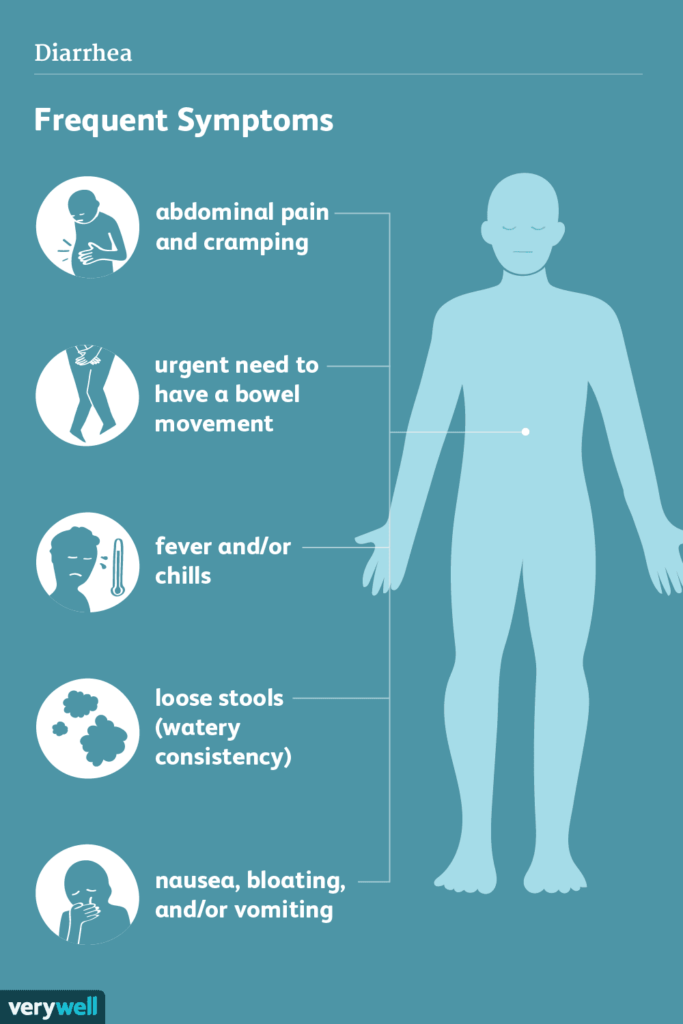
When it comes to diarrhea, there are several symptoms that you may experience. The most common symptom is frequent loose stools. You may find yourself needing to use the bathroom more often than usual, and the consistency of your stool may be watery or loose.
In addition to frequent loose stools, you may also experience abdominal cramps. These cramps can range from mild discomfort to severe pain and may be accompanied by bloating and gas.
Nausea and vomiting are also common symptoms of diarrhea. You may feel queasy or have the urge to vomit, which can further contribute to fluid loss and dehydration.
In some cases, diarrhea may also be accompanied by fever and chills. This can be a sign of an infection or other underlying condition that is causing your diarrhea.
Finally, you may experience an urgent need to have a bowel movement. This can make it difficult to plan your day or go about your daily activities without the fear of having an accident.
Types of Diarrhea
Diarrhea can be classified into different types, depending on the underlying cause and duration of symptoms. Understanding these types can help you and your healthcare provider determine the most appropriate treatment approach. Some common types of diarrhea include:
Acute diarrhea
Acute diarrhea typically lasts for a short period of time, usually a few days to a week, and is often caused by viral or bacterial infections. It can be accompanied by symptoms such as fever and abdominal cramps.
Chronic diarrhea
Chronic diarrhea refers to diarrhea that persists for more than two to four weeks. It can be caused by a variety of factors, including underlying medical conditions such as irritable bowel syndrome (IBS) or inflammatory bowel disease (IBD).
Traveler’s diarrhea
As the name suggests, traveler’s diarrhea is a type of diarrhea that commonly affects individuals who are traveling to developing countries or regions with poor sanitation. It is usually caused by consuming contaminated food or water.
Inflammatory diarrhea
Inflammatory diarrhea is typically caused by infections or conditions that result in inflammation of the intestines. It may be accompanied by symptoms such as fever, abdominal pain, and blood or mucus in the stool.
Osmotic diarrhea
Osmotic diarrhea occurs when there is an imbalance of solutes in the intestines, leading to water being pulled into the bowel. It can be caused by certain medications, such as laxatives, or conditions such as celiac disease.
Secretory diarrhea
Secretory diarrhea happens when there is an increase in the secretion of fluids into the intestines. This can be caused by infections, certain medications, or conditions that affect the regulation of fluid balance in the body.

Causes of Diarrhea
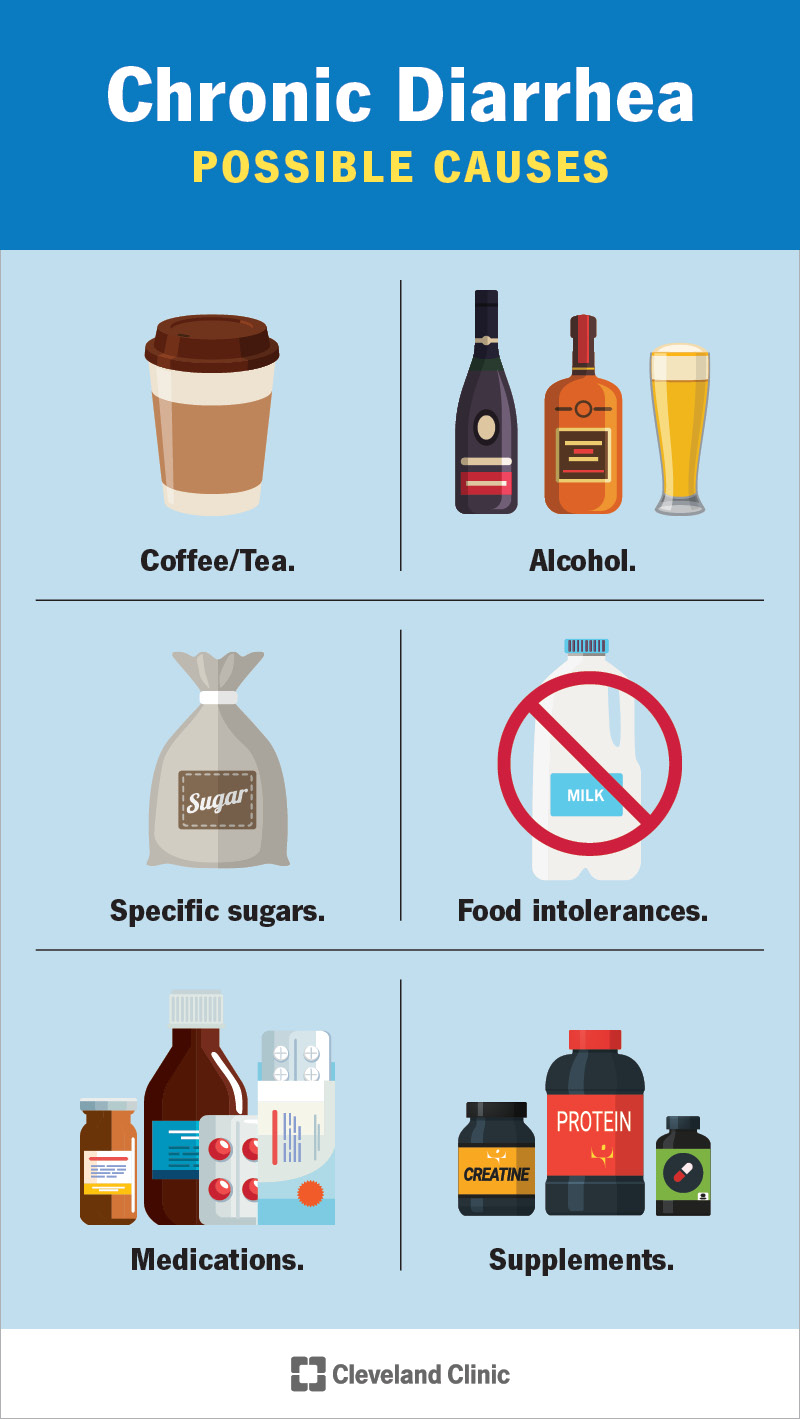
Diarrhea can have various causes, ranging from infections to medications and underlying medical conditions. Some common causes of diarrhea include:
Viral infections
Viruses such as norovirus and rotavirus are common causes of diarrhea, especially in children. These infections can be highly contagious and may spread easily in settings such as schools and daycare centers.
Bacterial infections
Bacterial infections, such as those caused by Escherichia coli (E. coli), Salmonella, or Campylobacter, can lead to diarrhea. These infections are often acquired through contaminated food or water.
Parasitic infections
Parasites such as Giardia and Cryptosporidium can cause diarrhea when they infect the intestines. These parasites are usually transmitted through contaminated water or food.
Food poisoning
Consuming contaminated food, such as undercooked meat or improperly stored leftovers, can lead to food poisoning and subsequent diarrhea.
Medications
Some medications, such as antibiotics, can disrupt the balance of bacteria in the intestines and cause diarrhea as a side effect.
Food intolerances
Certain individuals may have difficulty digesting certain types of foods, such as lactose or gluten, leading to diarrhea as a symptom of food intolerance.
Digestive disorders
Conditions such as irritable bowel syndrome (IBS), inflammatory bowel disease (IBD), and celiac disease can cause chronic diarrhea as a result of underlying digestive system dysfunction.
Stress and anxiety
High levels of stress and anxiety can affect the function of the digestive system, leading to diarrhea in some individuals.
Chemotherapy
Chemotherapy drugs can have a range of side effects, including diarrhea. This occurs because these drugs affect the rapidly dividing cells in the intestines.
Diagnosing Diarrhea
When you experience persistent or severe diarrhea, it is important to seek medical attention for a proper diagnosis. Your healthcare provider will likely perform several tests to determine the underlying cause of your symptoms. Some common diagnostic methods for diarrhea include:
Medical history evaluation
Your healthcare provider will ask you about your symptoms, medical history, and any recent travel or exposure to potential sources of infection.
Physical examination
A physical examination may be conducted to assess your overall health and look for any signs of dehydration or other complications.
Stool samples analysis
Providing a stool sample allows your healthcare provider to test for the presence of bacteria, parasites, or other indicators of infection or inflammation.
Blood tests
Blood tests can provide information about your overall health, detect signs of infection or inflammation, and assess your electrolyte and nutrient levels.
Colonoscopy
A colonoscopy may be recommended in cases of chronic or severe diarrhea to examine the lining of the colon for signs of inflammation or other abnormalities.
Endoscopy
Similar to a colonoscopy, an endoscopy may be used to examine the upper gastrointestinal tract and identify potential causes of chronic diarrhea.
Imaging tests
In some cases, imaging tests such as X-rays, CT scans, or MRI scans may be ordered to evaluate the structure and function of the gastrointestinal tract.

Treatment Options
The treatment of diarrhea depends on the underlying cause and severity of symptoms. In most cases, the main goals of treatment include relieving symptoms, preventing dehydration, and addressing the underlying cause. Some common treatment options for diarrhea include:
Fluid replacement
It is important to stay hydrated when you have diarrhea to replace the fluids and electrolytes lost through excessive bowel movements. Drinking water, clear broths, or oral rehydration solutions can help prevent dehydration.
Medications
In certain cases, medications may be prescribed to treat the underlying cause of your diarrhea. For example, if a bacterial infection is identified, antibiotics may be prescribed.
Dietary changes
Making changes to your diet can help alleviate symptoms and promote healing. Your healthcare provider may recommend a temporary switch to a bland diet or avoiding certain foods that can worsen diarrhea, such as spicy or greasy foods.
Probiotics
Probiotics are beneficial bacteria that can help restore the natural balance of bacteria in your gut. They may be recommended to help alleviate symptoms and promote the recovery of your digestive system.
Antibiotics
Antibiotics may be used to treat specific bacterial infections that are causing diarrhea. However, it is important to follow your healthcare provider’s instructions and only take antibiotics if they are prescribed.
Anti-diarrheal medications
Over-the-counter anti-diarrheal medications, such as loperamide, can help reduce the frequency of bowel movements and relieve symptoms. However, these medications should be used with caution and under the guidance of a healthcare professional.
Alternative remedies
Some individuals may find relief from diarrhea symptoms through alternative remedies, such as herbal supplements or acupuncture. However, it is important to consult with a qualified healthcare provider before trying any alternative treatments.
Natural remedies
Certain natural remedies, such as consuming ginger or chamomile tea, may help soothe the digestive system and relieve symptoms of diarrhea. It is important to note that natural remedies may not be suitable for everyone, so it is best to consult with a healthcare provider before using them.
Preventing Diarrhea
Preventing diarrhea involves taking steps to reduce your risk of infection and practicing good hygiene. Some preventive measures include:
Hand hygiene
Washing your hands regularly with soap and water, especially before preparing or consuming food, can help prevent the spread of bacteria and viruses that can cause diarrhea.
Safe food and water
Consuming properly cooked and stored food, as well as drinking safe and clean water, is essential for preventing diarrhea. Avoiding street food or questionable sources of food can also help reduce your risk.
Vaccinations
Ensuring that you are up to date on recommended vaccinations, such as those for rotavirus or typhoid, can help protect against specific causes of diarrhea.
Proper food storage
Storing food at the correct temperatures and avoiding cross-contamination can help minimize the risk of bacterial contamination and subsequent diarrhea.
Avoiding high-risk activities
Engaging in activities with a high risk of contamination, such as swimming in unclean water or visiting areas with poor sanitation, should be avoided to prevent diarrhea.
Stress management
Managing stress levels through techniques such as exercise, meditation, or therapy can help reduce the risk of stress-induced diarrhea.
Proper sanitation
Maintaining proper sanitation practices, such as using clean and functioning toilet facilities, can help prevent the spread of infectious agents that cause diarrhea.
When to See a Doctor
While many cases of diarrhea resolve on their own with home care, there are certain situations when it is important to seek medical attention. You should consider seeing a doctor if you experience:
Persistent diarrhea
If your diarrhea lasts for more than two to four days or if your symptoms worsen despite home care measures, it is important to seek medical attention.
Severe abdominal pain
Intense or worsening abdominal pain can be a sign of a more serious underlying condition that requires medical evaluation.
Blood in the stool
The presence of blood in your stool can indicate a more serious condition and should be evaluated by a healthcare provider.
Dehydration
Signs of dehydration, such as excessive thirst, dry mouth, dark-colored urine, or dizziness, require immediate medical attention.
Fever above 102°F (38.9°C)
A high fever can be a sign of an infection that requires medical evaluation and treatment.
Signs of infection
If you experience symptoms such as fever, chills, or severe fatigue, these may indicate an underlying infection that requires medical attention.
Weight loss
Unexplained weight loss along with persistent diarrhea should be evaluated by a healthcare provider.
Symptoms in young children or older adults
If diarrhea occurs in young children or older adults, it may be more concerning and require medical evaluation due to their higher risk for complications.
Complications and Risks
While most cases of diarrhea resolve without complications, there can be risks involved, particularly if the condition is severe or long-lasting. Some potential complications and risks associated with diarrhea include:
Dehydration
Excessive fluid loss through diarrhea can lead to dehydration, which can be particularly dangerous for infants, young children, older adults, and those with weakened immune systems.
Electrolyte imbalance
Diarrhea can disrupt the balance of electrolytes in the body, leading to imbalances that can affect various bodily functions.
Malabsorption
Chronic diarrhea can interfere with the absorption of nutrients from the intestines, potentially leading to malnutrition and nutrient deficiencies.
Kidney problems
Prolonged diarrhea can strain the kidneys and may lead to kidney problems or complications.
Lactose intolerance
Some individuals may develop temporary lactose intolerance following an episode of diarrhea, as the intestines may temporarily lose the ability to digest lactose.
Weakened immune system
Chronic or severe diarrhea can weaken the immune system, making individuals more susceptible to infections and other illnesses.
Developmental issues in children
Long-lasting or recurrent diarrhea can negatively impact a child’s growth and development, particularly if malnutrition or nutrient deficiencies occur.

Home Remedies
In addition to medical treatments, several home remedies may help alleviate diarrhea symptoms and promote recovery. These remedies should be used in conjunction with medical advice and should not replace necessary medical care. Some home remedies for diarrhea include:
Stay hydrated
Drinking plenty of fluids, such as water, clear broths, or oral rehydration solutions, can help prevent dehydration and promote healing.
BRAT diet
The BRAT diet consists of bananas, rice, applesauce, and toast. These foods are easy to digest and can help firm up stool.
Avoid certain foods and drinks
Avoiding spicy, greasy, or high-fiber foods can help reduce irritation in the intestines and minimize diarrhea symptoms.
Avoid dairy products
Temporarily avoiding dairy products can be helpful for individuals who may have lactose intolerance or difficulty digesting lactose.
Limit caffeine and alcohol
Caffeine and alcohol can worsen diarrhea symptoms and contribute to dehydration. Limiting or avoiding these substances can be beneficial.
Eat small, frequent meals
Eating smaller meals more frequently throughout the day can help minimize the strain on the digestive system and make it easier to tolerate food.
Use over-the-counter medications
Over-the-counter medications, such as loperamide, can help reduce the frequency of bowel movements and relieve symptoms of diarrhea. However, these medications should be used with caution and under the guidance of a healthcare professional.
Conclusion
Diarrhea is a common digestive symptom that can be caused by a range of factors, including infections, medications, and underlying medical conditions. Recognizing the symptoms of diarrhea, understanding the different types, and being aware of the possible causes can help you seek appropriate medical attention and find an effective treatment. Treatment options for diarrhea include fluid replacement, medications, dietary changes, and natural remedies. Practicing good hygiene, taking preventive measures, and knowing when to seek medical attention can also help prevent complications associated with diarrhea. By staying informed and taking the necessary steps, you can manage and overcome diarrhea with appropriate care and support.