
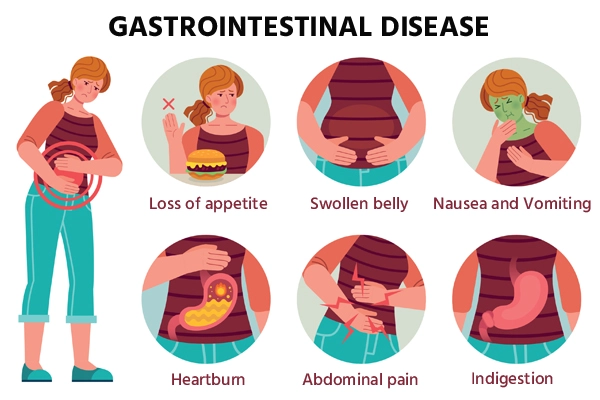
Have you ever experienced stomach pain or discomfort after a meal? Maybe you’ve had bouts of indigestion or struggled with constipation. Digestive disorders are more common than you may think, affecting millions of people worldwide. In this article, we will explore the various types of digestive disorders and delve into their causes, symptoms, and available treatment options. Whether you’re seeking relief for yourself or looking to educate yourself on this prevalent issue, this article aims to provide a comprehensive understanding of digestive disorders.

Common Digestive Disorders
Gastroesophageal Reflux Disease (GERD)
Gastroesophageal Reflux Disease, commonly known as GERD, is a digestive disorder that affects the lower esophageal sphincter (LES), the muscular ring between the esophagus and stomach. When the LES doesn’t close properly, stomach acid and partially digested food can reflux back into the esophagus, causing symptoms like heartburn, regurgitation, and difficulty swallowing. GERD can have a significant impact on your quality of life, but with appropriate treatment and lifestyle modifications, it can be managed effectively.
Peptic Ulcers
Peptic ulcers are open sores that develop on the lining of the stomach, upper small intestine, or esophagus. These ulcers can be caused by a bacterial infection called Helicobacter pylori, long-term use of nonsteroidal anti-inflammatory drugs (NSAIDs), or excessive acid production in the stomach. The most common symptom of peptic ulcers is a burning or gnawing pain in the stomach area, often occurring after meals. Treatment for peptic ulcers usually involves a combination of medication to eradicate H. pylori infection and reduce stomach acid production.
Irritable Bowel Syndrome (IBS)
Irritable Bowel Syndrome, or IBS, is a chronic gastrointestinal disorder that affects the large intestine (colon). It is characterized by a group of symptoms including abdominal pain, bloating, changes in bowel habits (such as diarrhea or constipation), and excessive gas. Although the exact cause of IBS is unknown, factors such as abnormal muscle contractions in the intestine, visceral hypersensitivity, and disturbances in the gut-brain axis are believed to contribute to its development. While there is currently no cure for IBS, various treatment options, including dietary modifications, medications, and stress management techniques, can help alleviate symptoms and improve quality of life.
Crohn’s Disease
Crohn’s Disease is a chronic inflammatory bowel disease (IBD) that can affect any part of the digestive tract from the mouth to the anus. It is characterized by inflammation, which can lead to symptoms such as abdominal pain, diarrhea, rectal bleeding, weight loss, and fatigue. The exact cause of Crohn’s Disease is unknown, but it is thought to involve an abnormal immune response to bacteria in the intestines, genetic factors, and environmental triggers. Treatment for Crohn’s Disease aims to reduce inflammation and manage symptoms through medication, lifestyle changes, and in some cases, surgery.
Ulcerative Colitis
Ulcerative Colitis is another type of inflammatory bowel disease (IBD) that primarily affects the colon and rectum. It causes chronic inflammation and ulceration of the inner lining of the colon, leading to symptoms such as abdominal pain, bloody diarrhea, fatigue, and weight loss. The exact cause of Ulcerative Colitis is unknown, but it is believed to involve an abnormal immune response in genetically susceptible individuals. Treatment options for Ulcerative Colitis include medication to control inflammation, lifestyle modifications, and surgery in severe cases.
Digestive Disorders and Diet
Fiber Intake
Maintaining a healthy fiber intake is crucial for maintaining good digestive health. Fiber adds bulk to the stool, helping to regulate bowel movements and prevent constipation. It also feeds the beneficial bacteria in the gut, promoting a healthy gut microbiome. Foods rich in fiber include fruits, vegetables, whole grains, legumes, and nuts. It is recommended to gradually increase fiber intake and drink plenty of water to prevent discomfort and bloating.
FODMAPs
FODMAPs, which stands for Fermentable Oligosaccharides, Disaccharides, Monosaccharides, and Polyols, are a group of carbohydrates that are poorly absorbed in the small intestine. They can cause digestive symptoms such as bloating, gas, and abdominal pain in individuals with certain digestive disorders, particularly IBS. Following a low FODMAP diet involves avoiding foods high in these carbohydrates and gradually reintroducing them to identify personal triggers. It is important to work with a registered dietitian when following a low FODMAP diet to ensure proper nutrition.
Gluten Sensitivity
Gluten sensitivity refers to a non-celiac gluten intolerance, where individuals experience digestive symptoms after consuming gluten-containing foods. Gluten is a protein found in wheat, barley, and rye. For individuals with gluten sensitivity, avoiding gluten is necessary to prevent symptoms such as abdominal pain, bloating, diarrhea, and fatigue. Gluten-free alternatives, such as rice, quinoa, and gluten-free oats, can be included in the diet to ensure adequate nutrition.
Lactose Intolerance
Lactose intolerance is the inability to digest lactose, a sugar found in milk and dairy products. It occurs due to a deficiency of an enzyme called lactase, which is responsible for breaking down lactose. When lactose is not properly digested, it can lead to bloating, gas, diarrhea, and abdominal discomfort. Individuals with lactose intolerance can manage their symptoms by avoiding lactose-containing foods or using lactase supplements to aid lactose digestion.

Symptoms and Diagnosis of Digestive Disorders
Abdominal Pain
Abdominal pain is a common symptom experienced by individuals with various digestive disorders, ranging from mild discomfort to severe pain. The location, frequency, and intensity of the pain can provide useful information for diagnosing the underlying condition. It is important to describe your abdominal pain to a healthcare professional in detail, including any associated symptoms and triggers, to aid in diagnosis and develop an appropriate treatment plan.
Bloating and Gas
Bloating and excessive gas are often associated with digestive disorders and can be both uncomfortable and embarrassing. Bloating occurs when the abdomen feels full and swollen, while gas refers to the passage of air through the digestive tract, leading to belching or flatulence. These symptoms can be caused by factors like eating too quickly, consuming gas-producing foods, or underlying digestive disorders. Keeping a food diary and identifying trigger foods can help manage bloating and gas symptoms.
Changes in Bowel Movements
Changes in bowel movements, such as diarrhea, constipation, or alternating between the two, are common symptoms of digestive disorders. Diarrhea is characterized by loose, watery stools, while constipation refers to infrequent or difficult bowel movements. Keeping track of bowel movements, stool consistency, and any accompanying symptoms can provide valuable information for diagnosis and treatment.
Endoscopy
Endoscopy is a diagnostic procedure that allows healthcare professionals to visualize the digestive tract using a flexible tube with a light and a camera, called an endoscope. It can help identify abnormalities, such as inflammation, ulcers, or tumors, and obtain tissue samples for further analysis. Endoscopy is commonly used to diagnose conditions like GERD, peptic ulcers, and inflammatory bowel diseases.
Stool Tests
Stool tests can provide valuable information about digestive health and aid in the diagnosis of certain disorders. These tests analyze stool samples for the presence of blood, parasites, bacteria, or other abnormal substances. Some commonly performed stool tests include fecal occult blood test, stool culture, and stool antigen tests for bacterial infections like H. pylori.
Treatment and Management of Digestive Disorders
Medications
Medications are often an essential part of treating digestive disorders. Depending on the specific condition, various medications may be prescribed to control symptoms, reduce inflammation, or manage underlying causes. Examples of medications commonly used include proton pump inhibitors (PPIs) for GERD, antibiotics for H. pylori infection, anti-inflammatory drugs for IBD, and anti-diarrheal agents for diarrhea.
Dietary Changes
Dietary changes play a vital role in managing digestive disorders. Working with a registered dietitian can help identify trigger foods and develop an individualized diet plan. For example, reducing acid-producing foods and avoiding triggers like caffeine and spicy foods can alleviate symptoms in GERD. In IBS, following a low FODMAP diet and identifying personal triggers can help manage symptoms. It is important to note that dietary changes should be made under the guidance of a healthcare professional.
Stress Management
Stress can significantly impact digestive health and stimulate symptoms in various digestive disorders. Implementing stress management techniques, such as regular exercise, deep breathing exercises, mindfulness meditation, or therapy, can help reduce the frequency and severity of symptoms. Engaging in activities you enjoy, practicing relaxation techniques, and maintaining a balanced lifestyle are key components of stress management.
Probiotics
Probiotics are beneficial bacteria that can help restore and maintain a healthy balance of gut microbiota. They may be helpful in certain digestive disorders by improving digestion, reducing inflammation, and enhancing overall gut health. Probiotics can be obtained through fermented foods like yogurt, sauerkraut, and kimchi or through supplements. However, it is important to choose the right strain and consult with a healthcare professional before starting probiotic supplementation.
Surgery
In some cases, surgery may be necessary to treat digestive disorders that do not respond to medication or lifestyle changes. Surgical options will vary depending on the specific condition but can include procedures such as fundoplication for GERD, bowel resection for Crohn’s Disease, or colectomy for severe ulcerative colitis. Surgical intervention is typically considered when other treatment methods have failed or when complications arise.
Prevention and Lifestyle Modifications
Healthy Eating Habits
Maintaining healthy eating habits is essential for preventing and managing digestive disorders. This includes consuming a balanced diet rich in fruits, vegetables, whole grains, lean proteins, and healthy fats. Eating smaller, more frequent meals can also help reduce symptoms like bloating and improve digestion. Avoiding excessive intake of trigger foods, such as fatty or spicy foods, can also prevent discomfort and flare-ups.
Regular Exercise
Regular physical activity is beneficial for overall health, including digestive health. Exercise helps stimulate bowel movements, reduce stress, and improve blood flow to the digestive system. Engaging in activities such as walking, jogging, yoga, or swimming for at least 30 minutes a day can promote healthy digestion and prevent constipation.
Proper Hydration
Proper hydration is important for maintaining good digestive health. Drinking an adequate amount of water throughout the day helps soften stools, prevent constipation, and promote regular bowel movements. It is recommended to drink at least eight glasses of water per day, or more if you engage in intense physical activity or live in a hot climate.
Avoiding Triggering Foods
Identifying and avoiding triggering foods can help prevent symptoms and flare-ups in various digestive disorders. Keeping a food diary and paying attention to how different foods make you feel can help pinpoint specific triggers. Common trigger foods include caffeine, alcohol, spicy foods, fatty foods, and carbonated beverages. Limiting or eliminating these foods from your diet can significantly improve symptom management.
Digestive Disorders and Mental Health
The Gut-Brain Connection
The gut-brain connection refers to the bidirectional communication between the brain and the digestive system. Emerging research suggests that changes in gut microbiota composition and messages sent between the gut and the brain can influence mental health and emotional well-being. Imbalances in gut microbiota, known as dysbiosis, have been associated with conditions such as anxiety, depression, and even neurodevelopmental disorders like autism spectrum disorder. Taking care of your gut health through a healthy diet, probiotic supplementation, and stress management techniques can positively impact your mental health.
Anxiety and Depression
Anxiety and depression are commonly experienced by individuals with digestive disorders due to the significant impact these conditions can have on daily life. Dealing with chronic symptoms, dietary restrictions, and the uncertainty of flare-ups can take a toll on mental health. It is important to seek support from healthcare professionals, therapists, or support groups to address the emotional aspects of living with a digestive disorder. Cognitive Behavioral Therapy (CBT) is an effective therapeutic approach that can help individuals better manage anxiety and depression related to their digestive condition.
Cognitive Behavioral Therapy (CBT)
Cognitive Behavioral Therapy (CBT) is a therapeutic approach that focuses on identifying and changing negative thought patterns and behaviors. It is commonly used to treat various mental health conditions, including anxiety and depression. In the context of digestive disorders, CBT can help individuals cope with the emotional challenges of living with a chronic condition, develop effective stress management techniques, and improve overall well-being.

Impact of Digestive Disorders on Daily Life
Dietary Restrictions
Living with a digestive disorder often requires making significant dietary restrictions to manage symptoms and prevent flare-ups. Having to avoid certain foods or follow specific diets can be challenging and may lead to feelings of deprivation or social exclusion. It is important to find support, work with healthcare professionals and dietitians, and explore alternative food options to maintain a balanced diet and still enjoy satisfying meals.
Social and Emotional Effects
Digestive disorders can have a profound impact on individuals’ social lives and emotional well-being. The fear of experiencing symptoms or needing to be close to a bathroom can cause anxiety in social situations, leading some individuals to avoid social activities altogether. Engaging in open communication with trusted individuals about your condition, seeking support from friends and family, and participating in support groups can help alleviate the emotional burden and improve social interactions.
Work and Productivity
Digestive disorders can affect work and productivity, especially if symptoms are severe or unpredictable. Frequent bathroom breaks, fatigue, and the need for time off to manage medical appointments or treatments can disrupt work routines and cause stress. Open communication with employers, exploring workplace accommodations, and practicing stress management techniques can help individuals maintain a healthy work-life balance and minimize the impact of digestive disorders on job performance.
Digestive Disorders in Children
Pediatric Gastroesophageal Reflux Disease (GERD)
Pediatric GERD is a digestive disorder that affects infants and children. It is characterized by symptoms such as spitting up, irritability, feeding difficulties, and poor weight gain. The treatment for pediatric GERD usually involves lifestyle modifications, such as feeding position adjustments, smaller more frequent meals, and thickening the infant’s formula. In more severe cases, medication may be prescribed to reduce stomach acid production.
Food Allergies
Food allergies are common in children and can manifest with various digestive symptoms. Allergies to common dietary components like milk, eggs, peanuts, and soy can cause symptoms such as abdominal pain, vomiting, diarrhea, and skin rashes. If a food allergy is suspected, medical evaluation, including allergy testing, can help identify the specific allergen and guide dietary management.
Constipation
Constipation is a common digestive issue in children, often caused by factors such as diet, inadequate fluid intake, and lack of physical activity. Symptoms of constipation in children include infrequent bowel movements, straining, and the passage of hard stools. Increasing fiber intake, ensuring proper hydration, and encouraging regular physical activity are important strategies for preventing and managing childhood constipation.

Digestive Disorders and Aging
Common Digestive Issues in Older Adults
As individuals age, the digestive system undergoes changes that can lead to various digestive issues. Common digestive issues in older adults include gastroesophageal reflux disease (GERD), constipation, diverticulosis, gallstones, and decreased appetite. These issues can be managed through lifestyle modifications, such as dietary adjustments, adequate hydration, regular exercise, and appropriate medication use.
Management in the Elderly
Managing digestive disorders in the elderly requires special considerations due to the age-related changes in the body and the prevalence of other co-existing medical conditions. It is crucial to consult with healthcare professionals, including geriatricians and dietitians, to develop a comprehensive treatment plan that takes into account the unique needs and challenges of older individuals. Close monitoring, appropriate medication use, and regular follow-up are key components of managing digestive disorders in the elderly.
When to Seek Medical Help for Digestive Disorders
Persistent Symptoms
If you experience persistent or worsening symptoms such as abdominal pain, bloating, changes in bowel movements, or unexplained weight loss, it is important to seek medical help. Persistent symptoms may indicate an underlying digestive disorder that requires evaluation and appropriate treatment. Early intervention and prompt medical attention can help prevent complications and improve outcomes.
Unexplained Weight Loss
Unexplained weight loss is a concerning symptom that should never be ignored. Significant weight loss without intentional changes in diet or physical activity can be a sign of an underlying medical condition, including certain digestive disorders. Unexplained weight loss should prompt a visit to a healthcare professional for a thorough evaluation to rule out any serious underlying causes.
Severe Pain or Bleeding
Severe abdominal pain or bleeding from the digestive tract should never be ignored. It is essential to seek immediate medical attention if you experience severe, persistent pain or notice blood in your stool, vomit, or rectal bleeding. These symptoms may indicate a serious condition that requires urgent medical intervention.
Understanding Digestive Disorders and being proactive in seeking medical attention can significantly improve your quality of life. By making appropriate lifestyle modifications, working closely with healthcare professionals, and staying informed about your condition, you can effectively manage digestive disorders and lead a healthy, fulfilling life.