
Do you often find yourself dealing with dry, itchy skin? Don’t fret, because in this article, you will discover some incredible remedies that will help you tackle this issue effectively. Dry skin can be a nuisance, causing discomfort and even impacting your self-confidence. But worry not, as we are here to help you restore your skin’s moisture and regain that healthy glow. From natural home remedies to dermatologist-recommended products, we’ve got you covered. Say goodbye to dry skin and hello to a revitalized complexion!

Causes of Dry Skin
Environmental factors
Dry skin can be caused by various environmental factors. For instance, low humidity levels can zap the moisture from your skin, especially during the winter months. Additionally, exposure to harsh weather conditions, such as strong winds or extreme temperatures, can contribute to dryness. Even spending a lot of time in air-conditioned or heated environments can dry out your skin.
Genetics
Sometimes, dry skin can be attributed to genetic factors. If your parents or close relatives have a history of dry skin, there is a higher chance that you may experience the same condition. Certain genes can affect the production of oils and proteins in your skin, leading to dryness and lack of moisture retention.
Age
As we age, the natural moisture levels in our skin decrease. This is because the production of oils and proteins responsible for maintaining skin hydration diminishes with time. Therefore, it is common for older adults to experience dry skin. It is important to take extra care of your skin as you get older and provide it with the moisture it needs to stay hydrated and supple.
Harsh skincare products
Using skincare products that contain harsh chemicals, fragrances, or alcohol can strip the natural oils from your skin, leaving it dry and irritated. It’s crucial to read the ingredient labels and opt for gentle, hydrating products that are suitable for your skin type. Choosing cleansers, moisturizers, and other skincare products that are specifically formulated for dry skin can help prevent further dryness.
Hot showers
While a steaming hot shower may be tempting, it can actually worsen your dry skin. Hot water strips away the natural oils that protect your skin, leaving it feeling dry and parched. Instead, opt for lukewarm water when showering and limit the duration of your showers to keep your skin’s moisture intact.
Symptoms of Dry Skin
Rough or scaly patches
One of the most common symptoms of dry skin is the presence of rough or scaly patches on various parts of the body. These patches can feel rough to the touch and often appear as dry, flaky areas. They may be more prominent on the elbows, knees, and shins, but can also occur on other areas of the body.
Tightness or discomfort
Dry skin can often create feelings of tightness or discomfort. Your skin may feel like it’s pulling or stretching, and this sensation can be particularly noticeable after washing your face or other body parts. This tightness can be alleviated by proper hydration and moisturization.
Itching or flaking
Dry skin is often accompanied by itching and flaking. The lack of moisture can cause your skin to become irritated and itchy, leading to scratching and further aggravation. This can result in a cycle of itchiness and flaking that can be uncomfortable and bothersome. It is important to resist the urge to scratch and instead focus on moisturizing your skin to relieve the dryness.
Fine lines or cracks
Another symptom of dry skin is the development of fine lines or cracks on the surface of your skin. Dryness can cause your skin to lose its elasticity, making it more prone to wrinkles and fine lines. Additionally, the lack of moisture can lead to the formation of small cracks, especially on areas that experience frequent movement, such as the hands or feet.

The Importance of Hydration
Drink plenty of water
One of the key ways to combat dry skin is by ensuring you drink plenty of water. Staying hydrated from within can provide your skin with the moisture it needs to stay supple and hydrated. Aim for at least eight glasses of water per day, and consider increasing your intake during hot and dry weather conditions.
Humidify your environment
If you live in an environment with low humidity levels, it can be beneficial to invest in a humidifier. A humidifier adds moisture to the air and helps prevent the drying effects of indoor heating or air conditioning systems. By increasing the humidity in your environment, you can help to keep your skin hydrated and reduce the chances of dryness.
Protecting Your Skin
Use a gentle cleanser
When it comes to cleansing your skin, it’s important to use a gentle cleanser that won’t strip away its natural oils. Avoid harsh soaps or cleansers that contain drying ingredients. Opt for mild, fragrance-free cleansers that are specifically formulated for dry skin.
Apply moisturizer
Moisturizing your skin is essential for maintaining its hydration levels. Choose a moisturizer that is suitable for dry skin and contains ingredients like hyaluronic acid, glycerin, or ceramides, which help to lock in moisture and prevent water loss. Apply moisturizer immediately after showering or bathing to seal in the moisture.
Wear sunscreen
Sunscreen is not just for protecting your skin from harmful UV rays; it also plays a role in preventing dryness. Exposure to the sun can dehydrate your skin, so it’s crucial to apply a broad-spectrum sunscreen with a high SPF daily, even on cloudy days. Look for a sunscreen that is formulated for dry skin and provides both UVA and UVB protection.
Avoid hot water
Hot water can be detrimental to your skin’s moisture levels. When washing your face or body, use lukewarm water instead of hot water. Hot water can strip away the natural oils and leave your skin feeling dry and tight. Opting for cooler water temperatures can help maintain your skin’s moisture balance.

Natural Remedies for Dry Skin
Coconut oil
Coconut oil is a natural emollient that can help alleviate dryness and provide instant hydration to your skin. It contains fatty acids that help replenish the skin’s natural oils and create a protective barrier against moisture loss. Apply a small amount of coconut oil onto dry areas of your skin as needed, or incorporate it into your skincare routine as a moisturizer.
Olive oil
Similar to coconut oil, olive oil is rich in fatty acids and antioxidants that can nourish and moisturize dry skin. It can be applied topically to provide relief from dryness and soothe irritated skin. Simply massage a small amount of olive oil onto your skin, focusing on the areas that are most prone to dryness.
Honey
Honey is known for its moisturizing and humectant properties. It helps to attract and retain moisture on the skin, making it an excellent natural remedy for dryness. Create a DIY honey mask by mixing a teaspoon of honey with a teaspoon of plain yogurt or mashed avocado. Apply the mixture onto your face and leave it on for 15-20 minutes before rinsing off.
Aloe vera
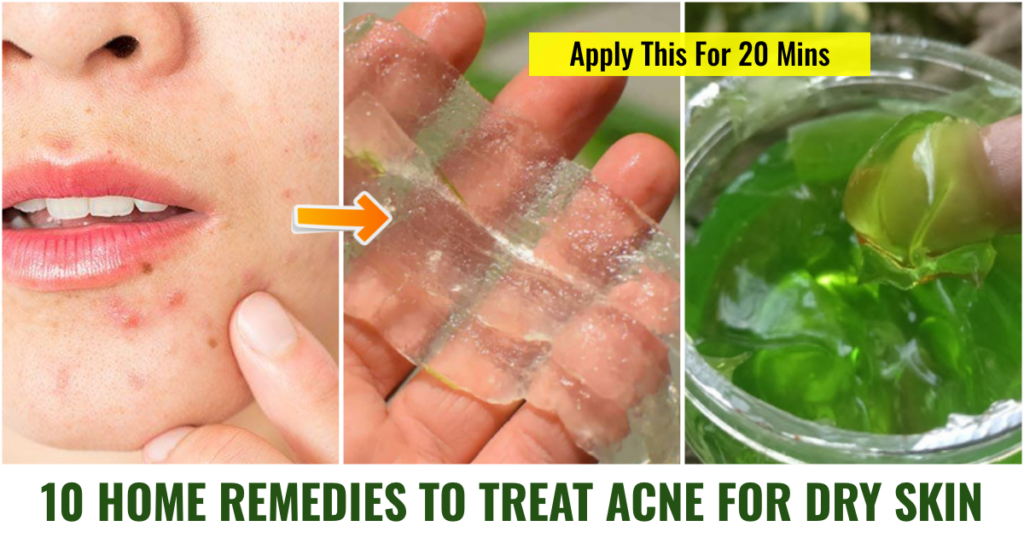
Aloe vera is a soothing plant that has been used for centuries to treat various skin conditions, including dry skin. It contains compounds that promote hydration and help heal dry, irritated skin. Extract the gel from an aloe vera leaf and apply it directly to your skin. Leave it on for about 15 minutes before rinsing off with cool water.
Shea butter
Shea butter is a rich butter derived from the nuts of the shea tree. It is a highly effective natural moisturizer that contains vitamins and fatty acids that nourish and hydrate the skin. Massage a small amount of shea butter onto dry areas of your skin to provide intense moisturization and improve its overall texture.
Humectants and Emollients
Importance of humectants
Humectants are ingredients that help attract and retain moisture in the skin. They work by drawing water from the environment and locking it into the skin, preventing dehydration. Humectants are important for dry skin because they help replenish the moisture that is lost due to dryness or external factors.
Common humectants
Common humectants include hyaluronic acid, glycerin, and urea. Hyaluronic acid is a natural substance found in the skin that can hold up to 1000 times its weight in water. Glycerin is a moisturizing ingredient that helps to hydrate and soften the skin. Urea is a humectant that also has exfoliating properties, helping to remove dry, dead skin cells and promote a smoother complexion.
Benefits of emollients
Emollients are ingredients that help to soften and smooth the skin’s surface by filling in cracks and gaps. They create a protective barrier on the skin, preventing moisture loss and keeping the skin hydrated. Emollients are beneficial for dry skin as they help to restore the skin’s natural barrier function and improve its overall appearance and texture.
Types of emollients
There are various types of emollients available, including natural oils (such as jojoba oil and almond oil), silicone-based emollients, and occlusive ingredients (such as petrolatum and lanolin). Natural oils provide deep hydration and nourishment to the skin, while silicone-based emollients create a breathable barrier that locks in moisture. Occlusive ingredients form a protective layer on the skin, preventing water loss and keeping the skin moisturized.

Exfoliation Techniques for Dry Skin
Chemical exfoliation
Chemical exfoliation involves the use of chemical compounds, such as alpha hydroxy acids (AHAs) or beta hydroxy acids (BHAs), to remove dead skin cells and promote cell turnover. AHAs, such as glycolic acid and lactic acid, gently exfoliate the skin’s surface, revealing smoother and fresher skin underneath. BHAs, such as salicylic acid, penetrate deeper into the pores to unclog them and prevent the formation of dry, flaky patches.
Physical exfoliation
Physical exfoliation involves the use of mechanical tools or ingredients to physically slough off dead skin cells. This can be done with a scrub or exfoliating brush. However, it is important to be gentle when physically exfoliating dry skin, as it can be more sensitive and prone to irritation. Choose a gentle exfoliator and use light pressure to avoid damaging the skin.
Exfoliation frequency
The frequency of exfoliation for dry skin should be gentle and not too frequent. Over-exfoliating can worsen dryness and lead to irritation. Aim to exfoliate once or twice a week, depending on your skin’s sensitivity and tolerance. Pay attention to how your skin reacts and adjust the frequency accordingly.
Dietary Tips for Dry Skin
Include omega-3 fatty acids
Omega-3 fatty acids are essential fats that play a crucial role in maintaining healthy skin. They help to strengthen the skin’s barrier, reduce inflammation, and retain moisture. Include foods rich in omega-3 fatty acids, such as fatty fish (salmon, mackerel), flaxseeds, chia seeds, and walnuts, in your diet.
Consume foods rich in antioxidants
Antioxidants protect the skin from free radicals and oxidative stress, which can contribute to dryness and premature aging. Incorporate foods high in antioxidants, such as berries, dark leafy greens, tomatoes, and nuts, into your diet. These foods can help nourish your skin from the inside out and promote a healthy complexion.
Avoid excessive alcohol and caffeine
Alcohol and caffeine can have dehydrating effects on the body, including your skin. They act as diuretics, increasing urine production and potentially leading to more water loss from the body. Limit your consumption of alcohol and caffeine, and be sure to stay hydrated by drinking water and other hydrating fluids.
When to Seek Medical Help
Persistent dryness or discomfort
If you have tried various remedies for dry skin and are still experiencing persistent dryness or discomfort, it is advisable to seek medical help. A dermatologist can evaluate your skin condition and provide specific recommendations or prescribe suitable medications or treatments to alleviate your dry skin.
Severe itching or inflammation
If you experience severe itching or inflammation on your dry skin, it may be a sign of a more serious skin condition, such as eczema or dermatitis. In such cases, consulting with a dermatologist is essential to receive the appropriate diagnosis and treatment. They can help identify the underlying cause of your symptoms and develop a tailored treatment plan to address them.
Preventing Dry Skin
Avoid long, hot showers
As mentioned earlier, hot water can strip away the natural oils from your skin, leading to dryness. Instead of indulging in long, hot showers, opt for lukewarm water and limit the duration of your showers. This will help prevent the loss of moisture and maintain the natural hydration of your skin.
Protect skin from harsh weather conditions
Extreme weather conditions, such as strong winds, cold temperatures, or excessive sun exposure, can contribute to dry skin. Take steps to protect your skin by wearing appropriate clothing, using a scarf or hat to shield your face from cold winds, and applying sunscreen to protect against harmful UV rays. Additionally, consider using a barrier cream or moisturizer to provide an extra layer of protection.
Choose suitable skincare products
Using skincare products that are specifically formulated for dry skin can make a significant difference in preventing dryness. Look for moisturizers, cleansers, and other skincare products that contain hydrating ingredients and are free from harsh chemicals or fragrances. Additionally, consider using a hydrating serum or oil to boost moisture levels and improve the overall health of your skin.
Maintain a healthy diet and lifestyle
A balanced diet and a healthy lifestyle can have a positive impact on your skin’s health. Eat a nutritious diet that includes plenty of fruits, vegetables, whole grains, and lean proteins to provide your skin with essential vitamins and nutrients. Additionally, get enough sleep, manage stress levels, and avoid smoking, as these factors can also affect the health and appearance of your skin.
By understanding the causes of dry skin, recognizing the symptoms, and implementing the necessary preventive measures, you can effectively manage and improve the condition of your skin. Stay hydrated, protect your skin, and incorporate nourishing ingredients into your skincare routine to maintain a healthy, moisturized complexion. Remember, dry skin is a common condition that can be addressed with the right care and attention.