
Today, you’re about to discover the essential information about diagnosing and treating Ewing Sarcoma, a rare type of bone cancer that primarily affects children. We will explore the key symptoms to watch out for, the diagnostic tests used to confirm the presence of Ewing Sarcoma, and the various treatment options available to provide the best possible care for young patients. By understanding the challenges and potential solutions, you will be better equipped to support and advocate for children facing this daunting diagnosis.
Diagnosing and Treating Ewing Sarcoma in Children
Ewing Sarcoma is a rare type of cancer that primarily affects children and young adults. It is a form of bone cancer that usually originates in the bones of the arms, legs, pelvis, or chest, but can also occur in soft tissue. Early diagnosis and appropriate treatment play a crucial role in improving the prognosis for children with Ewing Sarcoma. In this article, we will discuss the various aspects of diagnosing and treating Ewing Sarcoma in children, including signs and symptoms, diagnostic procedures, staging, treatment options, supportive care, and long-term follow-up.
Overview of Ewing Sarcoma
Ewing Sarcoma is a type of cancer that arises from the bones or soft tissues. It is more commonly found in children and young adults, typically between the ages of 10 and 20. Ewing Sarcoma most commonly develops in the long bones of the body, such as the femur or tibia, but it can also affect the pelvis, ribs, and other bones. The exact cause of Ewing Sarcoma is not yet known, but research suggests that it may be linked to genetic mutations. Early detection and appropriate treatment can significantly improve the long-term outcomes for children with Ewing Sarcoma.
Signs and Symptoms of Ewing Sarcoma
The signs and symptoms of Ewing Sarcoma can vary depending on the location and stage of the cancer. Common symptoms include pain and swelling in the affected area, a noticeable lump or mass, bone fractures or breaks without significant trauma, fatigue, and weight loss. Children may also experience a loss of appetite or have a fever that does not go away. It is important to note that these symptoms can be indicative of other conditions as well, so further diagnostic procedures are necessary to confirm the diagnosis.

Diagnostic Procedures
To diagnose Ewing Sarcoma in children, healthcare professionals utilize a combination of imaging tests, laboratory tests, and a biopsy.
Imaging Tests
The first step in diagnosing Ewing Sarcoma is often imaging tests. These tests help visualize the affected area and provide valuable information about the location and extent of the cancer. Common imaging tests used include X-rays, computed tomography (CT) scans, magnetic resonance imaging (MRI) scans, and bone scans. These tests help identify tumors, evaluate the size and invasiveness of the cancer, and can assist in determining suitable treatment options.
Biopsy
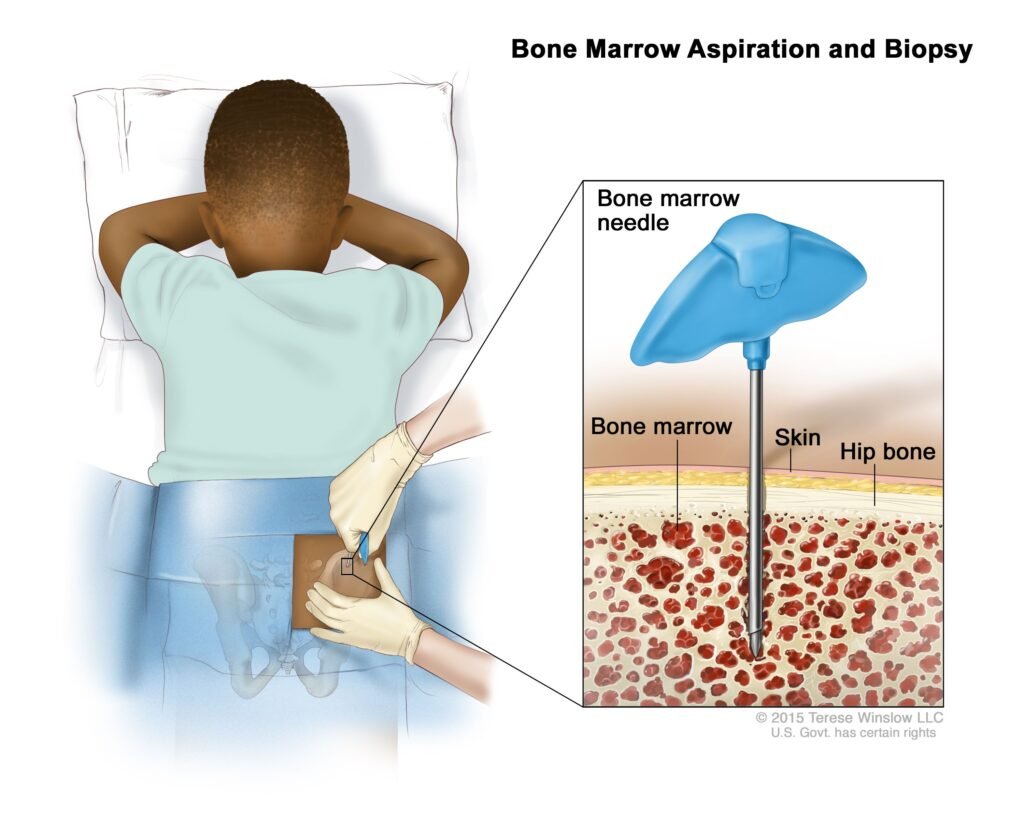
Once a suspicious mass or tumor is detected, a biopsy is performed to confirm the diagnosis of Ewing Sarcoma. During a biopsy, a small sample of the tumor is removed for examination under a microscope. This allows pathologists to determine the specific type of cancer and assess its aggressiveness. Biopsies can be done through various methods, including needle biopsies, surgical biopsies, or bone marrow aspirations.
Laboratory Tests
In addition to imaging and biopsy, laboratory tests are conducted to further evaluate the presence and characteristics of Ewing Sarcoma. Blood tests can help assess the overall health of the child and detect any abnormalities that may be associated with the cancer. Certain genetic and molecular tests may also be performed to identify specific gene mutations or altered proteins that are associated with Ewing Sarcoma.
Staging of Ewing Sarcoma
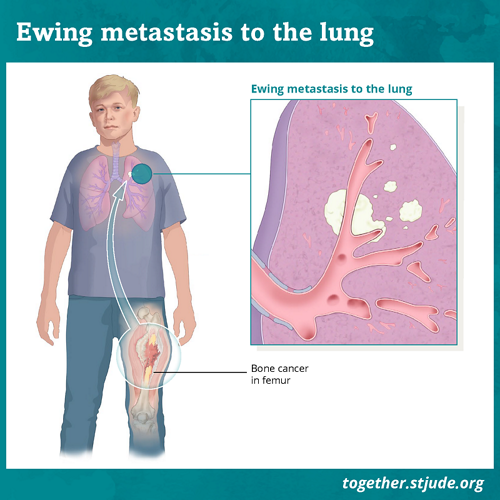
Staging is an essential component of diagnosing and treating Ewing Sarcoma. It determines the extent to which the cancer has spread and helps guide treatment decisions. The most common staging system used for Ewing Sarcoma is the TNM system, which stands for Tumor, Node, and Metastasis. This system evaluates the size and invasiveness of the tumor, the involvement of nearby lymph nodes, and the presence or absence of distant metastasis. Staging is crucial as it helps determine the appropriate treatment plan and provides prognostic information.
Treatment Options for Ewing Sarcoma
The treatment of Ewing Sarcoma in children usually involves a multimodal approach, which may include surgery, radiation therapy, chemotherapy, targeted therapy, clinical trials, and supportive care.

Surgery
Surgery plays a crucial role in treating Ewing Sarcoma. The goal of surgery is to remove the tumor and any surrounding affected tissues, while preserving as much of the healthy tissue as possible. The specific surgical approach depends on the location and size of the tumor. In some cases, limb-sparing surgery is possible, where the tumor is removed while preserving the affected limb’s functionality and appearance. However, in other cases, amputation may be required to ensure complete tumor removal and minimize the risk of recurrence.
Radiation Therapy
Radiation therapy is often used in conjunction with surgery as part of the treatment plan for Ewing Sarcoma. It involves the use of high-energy radiation beams to target and destroy cancer cells. Radiation therapy can be administered externally or internally, depending on the specific requirements of the case. This treatment modality effectively kills cancer cells and helps prevent local recurrence. However, it may have side effects, especially in growing children, which will be managed by the medical team.
Chemotherapy
Chemotherapy is an integral part of the treatment for Ewing Sarcoma and is usually administered both before and after surgery or radiation therapy. It involves the use of powerful drugs to kill cancer cells throughout the body. Chemotherapy is typically given in cycles, allowing the body time to recover between treatments. The specific drugs and the duration of chemotherapy depend on factors such as the stage of the cancer, the patient’s overall health, and the treatment plan formulated by the healthcare team.
Targeted Therapy
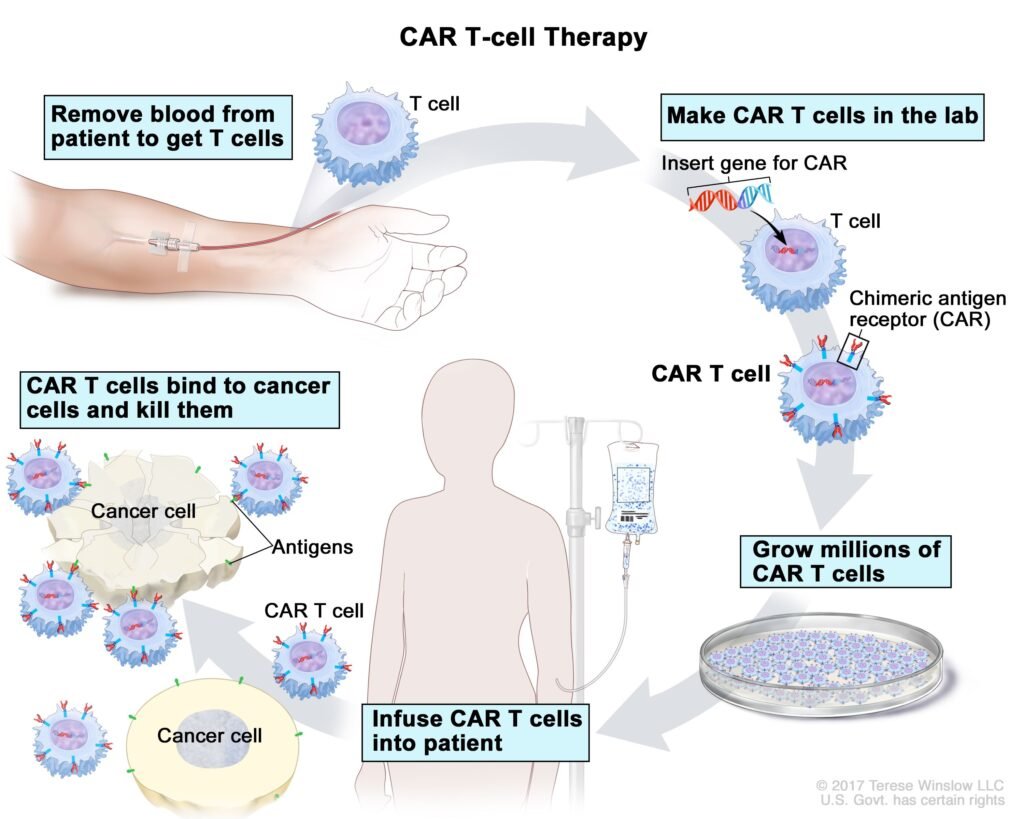
Targeted therapy is a rapidly evolving field in cancer treatment and may be used for certain cases of Ewing Sarcoma. This treatment approach involves the use of drugs that specifically target the genetic changes or proteins present in cancer cells. By selectively targeting cancer cells, targeted therapy can be more effective and have fewer side effects compared to traditional chemotherapy. Clinical trials are ongoing to explore the effectiveness of targeted therapy in treating Ewing Sarcoma.
Clinical Trials
Clinical trials are an essential aspect of cancer research and treatment. These trials evaluate new treatment approaches, drugs, or combinations of therapies to determine their effectiveness and safety. Participating in a clinical trial may provide children with access to innovative treatments that are not yet widely available. Healthcare professionals can guide families through the process of understanding and deciding whether to participate in a clinical trial.
Multimodal Treatment Approach
Ewing Sarcoma is typically treated using a multimodal approach, which combines different treatment modalities to maximize effectiveness. This approach may involve a combination of surgery, radiation therapy, and chemotherapy, tailored based on the specific stage and characteristics of the cancer. The multimodal treatment approach aims to achieve the best possible outcome by targeting the cancer cells through various mechanisms.
Supportive Care and Management of Side Effects
During the treatment for Ewing Sarcoma, supportive care plays a vital role in managing the physical and emotional well-being of children. Supportive care includes techniques and interventions designed to alleviate pain, manage side effects, and enhance overall quality of life. It may involve pain management strategies, nutritional support, psychological counseling, and physical therapy, among other interventions. The medical team works closely with patients and their families to provide comprehensive supportive care throughout the treatment journey.
Role of Palliative Care
Palliative care focuses on enhancing the quality of life for children with cancer and their families. It provides relief from physical symptoms, emotional distress, and improves overall comfort. Palliative care can be initiated alongside curative treatments and may continue throughout the treatment process. It aims to address the physical, emotional, and spiritual needs of patients and their families by providing holistic support.
Long-Term Follow-Up
Following the completion of treatment, children with Ewing Sarcoma require long-term follow-up care to monitor for any signs of recurrence or late effects related to treatment. Regular doctor visits, imaging tests, and laboratory tests are conducted to ensure early detection of any possible relapse or complications. The long-term follow-up period includes ongoing surveillance to preserve the child’s health and well-being.
In conclusion, diagnosing and treating Ewing Sarcoma in children involves a comprehensive approach that includes various diagnostic procedures, staging, and multimodal treatment options. With early detection and prompt intervention, the prognosis for children with Ewing Sarcoma can be significantly improved. Healthcare professionals, along with their supportive care teams, work together to provide the necessary medical and emotional support to children and their families throughout the diagnosis, treatment, and long-term follow-up journey.