
You’re about to embark on a journey of understanding Ewing Sarcoma, a rare form of bone cancer that primarily affects children and young adults. In this article, we’ll explore the basics of Ewing Sarcoma, including its causes, symptoms, and available treatment options. By gaining a deeper understanding of this condition, you’ll be equipped with the knowledge to support those affected by Ewing Sarcoma and contribute to ongoing research efforts. Let’s dive in and learn more about this unique and complex disease.

What is Ewing Sarcoma?
Definition
Ewing Sarcoma is a rare type of cancer that primarily affects the bones and soft tissues. It is a malignant tumor that commonly affects children and young adults, with the majority of cases occurring between the ages of 10 and 20. This cancer is named after James Ewing, an American pathologist who first described the disease in 1921. Despite its rarity, Ewing Sarcoma is considered a high-risk cancer due to its aggressive nature and potential for metastasis.
Prevalence
Although Ewing Sarcoma is relatively rare, accounting for less than 1% of all childhood cancers, it remains the second most common primary bone cancer in children and adolescents. It most commonly occurs in Caucasians and is slightly more prevalent in males than females. There is no known association between environmental factors or lifestyle choices and the development of Ewing Sarcoma.
Causes
The exact cause of Ewing Sarcoma is not yet fully understood. However, research suggests that it may be linked to genetic mutations involving a fusion of the EWSR1 gene on chromosome 22 with various transcription factor genes on chromosome 11 or 21. These genetic rearrangements result in the production of abnormal proteins that play a role in the development of Ewing Sarcoma. Other contributing factors may include exposure to radiation or certain chemicals, but more research is needed to determine the exact causes.
Signs and Symptoms of Ewing Sarcoma
Local Symptoms
The most common local symptoms of Ewing Sarcoma are bone pain and swelling at the site of the tumor. The pain is often described as persistent, worsening at night, and may be accompanied by a noticeable lump or mass. In some cases, the affected bones may become weakened and prone to fractures. If the tumor develops in soft tissues, such as the muscles or nerves, it can cause symptoms such as numbness, weakness, or paralysis.
Systemic Symptoms
Apart from local symptoms, Ewing Sarcoma can also present with systemic symptoms. These include fever, fatigue, weight loss, anemia, and a general feeling of unwellness. These symptoms indicate that the tumor may have spread beyond its original site and is affecting other organs or body systems. It is important to note that these symptoms are not specific to Ewing Sarcoma and can also occur in many other conditions, so a thorough medical evaluation is necessary for an accurate diagnosis.

Diagnosing Ewing Sarcoma
Physical Examination
The first step in diagnosing Ewing Sarcoma involves a comprehensive physical examination. During this examination, the healthcare provider will assess the affected area for any abnormalities, such as the presence of a mass, swelling, or tenderness. They may also evaluate your overall health, including any systemic symptoms that you may be experiencing. The physical examination is often followed by further diagnostic tests to confirm the presence of Ewing Sarcoma.
Imaging Tests
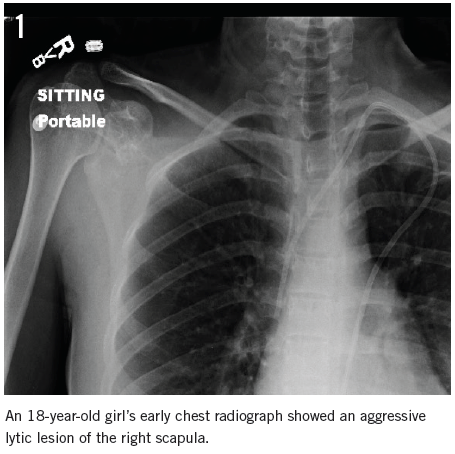
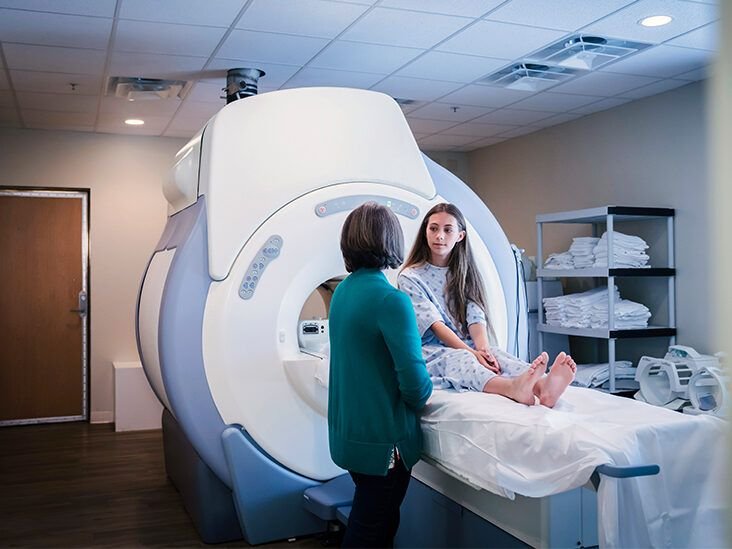
Imaging tests play a crucial role in the diagnosis of Ewing Sarcoma. X-rays, CT scans, and MRI scans can provide detailed images of the affected area, allowing healthcare professionals to identify any abnormalities or tumors. These tests can also help determine the size, location, and extent of the tumor, as well as whether it has spread to other parts of the body. Additionally, a bone scan may be recommended to evaluate the entire skeleton for potential metastases.
Biopsy
To definitively diagnose Ewing Sarcoma, a biopsy is necessary. During a biopsy, a small sample of tissue is taken from the suspected tumor and analyzed under a microscope to look for cancer cells. There are different types of biopsies that can be performed, including a needle biopsy or an open biopsy. The biopsy results will provide important information about the specific type and stage of Ewing Sarcoma, guiding further treatment decisions.
Staging Ewing Sarcoma
Determining the Extent of the Disease
Staging is a vital component in determining the extent of Ewing Sarcoma and planning the appropriate treatment strategy. The staging system commonly used for Ewing Sarcoma is the TNM system, which stands for Tumor, Node, and Metastasis. This system classifies the cancer based on the size of the tumor, involvement of nearby lymph nodes, and the presence or absence of metastasis. Staging tests may include additional imaging studies, such as PET scans or bone marrow biopsies, to assess the spread of cancer to other parts of the body.
Treatment Options for Ewing Sarcoma
Chemotherapy
Chemotherapy plays a central role in the treatment of Ewing Sarcoma. It involves the use of powerful drugs to kill cancer cells or stop them from growing and dividing. Typically, a combination of chemotherapy drugs is administered in cycles, with each cycle followed by a period of rest to allow the body to recover. Chemotherapy can be given before or after surgery, and in some cases, it may be the primary treatment modality for tumors that cannot be surgically removed. The specific chemotherapy regimen will depend on the stage and location of the tumor, as well as other individual factors.
Radiation Therapy
Radiation therapy uses high-energy rays to destroy cancer cells. It is often used alongside surgery and chemotherapy to treat Ewing Sarcoma, particularly when the tumor is inoperable or to eliminate any remaining cancer cells after surgery. Radiation therapy for Ewing Sarcoma is typically delivered externally, targeting the tumor site and surrounding areas. The treatment may be administered daily for several weeks. Radiation therapy can cause side effects, such as skin irritation, fatigue, and damage to surrounding tissues, which will be closely monitored and managed by the healthcare team.
Surgery
Surgery plays a critical role in the management of Ewing Sarcoma. The goal of surgery is to remove the tumor and any surrounding tissue that may be affected. Depending on the location and size of the tumor, different surgical techniques may be used. In some cases, limb-sparing surgery may be possible, where the tumor is removed without amputation, followed by reconstructive surgery. However, in other cases, amputation may be necessary to ensure complete removal of the cancer. The decision regarding the type of surgery will be made by a multidisciplinary team of healthcare professionals based on individual circumstances.
Targeted Therapy
Targeted therapies are a newer approach to treating Ewing Sarcoma. They work by targeting specific molecules or pathways involved in the growth and spread of cancer cells. Unlike chemotherapy, targeted therapies specifically attack cancer cells without affecting healthy cells as much, resulting in potential for less severe side effects. However, targeted therapies are currently only available for a subset of patients with specific genetic abnormalities in their tumor cells. Research into improving targeted therapies for Ewing Sarcoma is still ongoing.
Managing Side Effects and Complications
Nausea and Vomiting
Chemotherapy and radiation therapy can cause nausea and vomiting as side effects. Medications called antiemetics can help manage these symptoms. It is essential to communicate with your healthcare team if you experience nausea and vomiting, as they can adjust the medications and provide additional supportive care to alleviate these side effects.
Hair Loss
Chemotherapy, particularly certain types of drugs, can cause hair loss. Losing hair can be distressing, but it is generally temporary. Many individuals choose to wear wigs or head coverings during this time, and it is important to remember that hair will typically grow back once treatment is complete. Your healthcare team can provide guidance and support on coping with hair loss.
Infection
Individuals with Ewing Sarcoma may be at an increased risk of infection due to the impact of cancer and its treatment on the immune system. It is crucial to practice good hygiene, such as regular handwashing, and to avoid contact with sick individuals. While undergoing treatment, it is important to be vigilant for any signs of infection, such as fever or increased pain, and to report these symptoms promptly to your healthcare team.
Bone Health
Ewing Sarcoma can weaken the affected bones, making them more susceptible to fractures and other complications. Maintaining bone health is crucial, and your healthcare team may recommend specific precautions or interventions to minimize the risk of fractures. This may involve physical therapy, assistance devices, or medications to support bone strength and prevent further damage.

Prognosis for Ewing Sarcoma
Survival Rates
Survival rates for Ewing Sarcoma vary depending on many factors, such as the stage of the disease, the age of the individual, and the response to treatment. Overall, the five-year survival rate for localized Ewing Sarcoma is estimated to be around 70-75%. However, if the cancer has spread to distant sites, the five-year survival rate decreases to approximately 20%.
Factors Affecting Prognosis
Different factors can influence the prognosis of Ewing Sarcoma. These include the stage of the disease at diagnosis, the size of the tumor, the age and overall health of the individual, and the response to treatment. Additionally, specific genetic abnormalities and molecular markers in the tumor cells can provide additional prognostic information. It is important to discuss these factors with your healthcare team to gain a better understanding of your individual prognosis.
Supportive Care and Survivorship
Psychosocial Support
Being diagnosed with and treated for Ewing Sarcoma can be emotionally challenging, not only for the individual but also for their loved ones. Psychosocial support, such as counseling, support groups, and therapy, can help individuals navigate the emotional and psychological impact of the disease. Family members and caregivers may also benefit from support services tailored to their unique needs.
Long-term Follow-up
After the completion of primary treatment, regular follow-up appointments will be necessary to monitor for any signs of recurrence or late effects. These appointments may include physical examinations, imaging scans, and blood tests. The frequency of follow-up visits will depend on individual circumstances and the recommendations of your healthcare team.
Potential Late Effects
Some individuals who have been treated for Ewing Sarcoma may experience late effects, which are long-term complications that can arise as a result of the cancer or its treatment. These effects can include problems with growth and development, infertility, heart or lung complications, and secondary cancers. Regular follow-up appointments and discussions with healthcare providers are essential to identify and manage any potential late effects.
Current Research and Advances
Genomic Studies
Advancements in genomic studies have allowed researchers to gain deeper insights into the genetic abnormalities and molecular mechanisms underlying Ewing Sarcoma. This understanding has led to the identification of potential new targets for treatment, including specific gene fusions and signaling pathways. Genomic studies continue to drive research efforts aimed at developing more effective and targeted therapies for Ewing Sarcoma.
Immunotherapy
Immunotherapy is an innovative and promising treatment approach that harnesses the power of the immune system to fight cancer. It involves stimulating the body’s natural defenses or using laboratory-made immune proteins to target and destroy cancer cells. While immunotherapy has shown great success in other types of cancer, its use in Ewing Sarcoma is still in the early stages of research. Clinical trials are underway to evaluate its efficacy and safety in treating this disease.
Clinical Trials
Clinical trials play a crucial role in advancing the understanding and treatment of Ewing Sarcoma. These trials investigate new drugs, treatment strategies, and supportive care approaches to improve outcomes for individuals with Ewing Sarcoma. Participation in clinical trials may provide access to novel therapies and contribute to the overall knowledge about this rare cancer. It is important to discuss the potential benefits and risks of participating in clinical trials with your healthcare team.
Conclusion
Ewing Sarcoma is a rare and aggressive cancer that primarily affects bones and soft tissues, particularly in children and young adults. While the exact causes remain unclear, advancements in research have provided valuable insights into the genetics and molecular mechanisms driving this disease. Treatment for Ewing Sarcoma typically involves a combination of chemotherapy, radiation therapy, surgery, and targeted therapies when applicable. Managing side effects and complications, as well as long-term survivorship, are important aspects of care, ensuring the best possible outcomes for individuals with Ewing Sarcoma. Ongoing research, including genomic studies, immunotherapy, and clinical trials, holds promise for further improving treatment options and outcomes in the future.