
Are you tired of constantly dealing with excessive sweating? Look no further, because in this article, we will be sharing some effective solutions for managing diaphoresis. Excessive sweating, also known as diaphoresis, can be a frustrating and embarrassing problem to deal with. It can impact your daily activities, relationships, and overall confidence. But fret not, as we will explore various strategies, from lifestyle changes to medical treatments, that can help you effectively manage and control excessive sweating. Say goodbye to those sweat-soaked moments and regain your comfort and confidence.

Understanding Diaphoresis
Definition of Diaphoresis
Diaphoresis, commonly known as excessive sweating, is a condition characterized by the production of an abnormal amount of sweat. While sweating is a normal bodily response to regulate body temperature, diaphoresis goes beyond what is considered normal. When you experience diaphoresis, you may find yourself sweating profusely even in cool or comfortable temperatures.
Causes of Diaphoresis
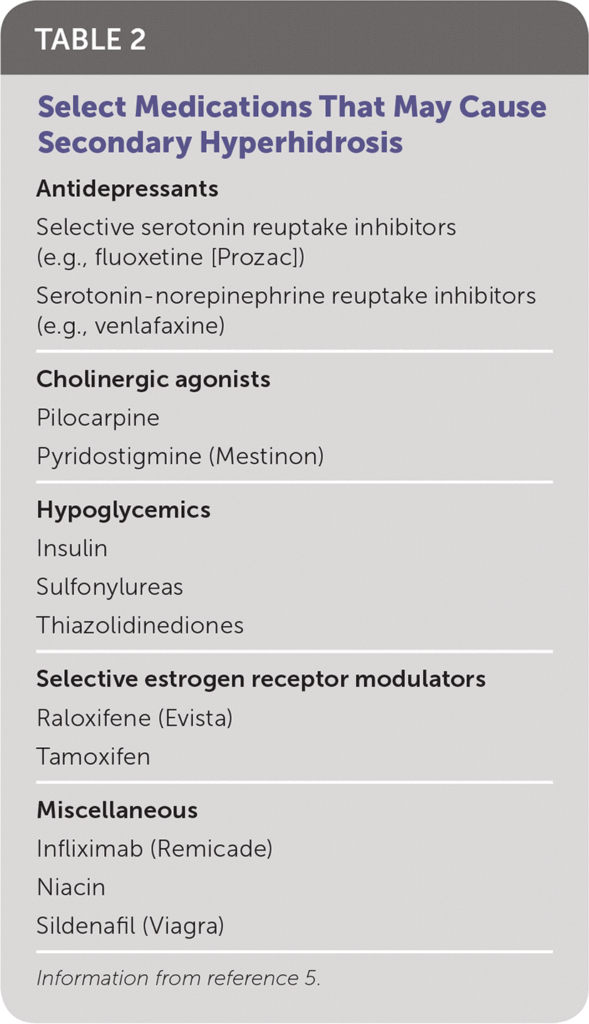
There are a variety of factors that can contribute to diaphoresis. Some individuals may experience excessive sweating due to genetic predisposition, while others may develop it as a side effect of certain medications. Additionally, diaphoresis can be triggered by emotional or stressful situations, hormonal changes, or underlying medical conditions.
Medical Conditions Associated with Diaphoresis
Diaphoresis can be symptomatic of several medical conditions. Some of the most common conditions associated with excessive sweating include hyperhidrosis, menopause, thyroid disorders, diabetes, and certain infections. It is important to consult a healthcare professional to determine the underlying cause of your diaphoresis in order to receive appropriate treatment.
Effects and Consequences of Excessive Sweating
Impact on Daily Life
Excessive sweating can have a significant impact on one’s daily life. It can lead to discomfort, embarrassment, and interfere with various activities. Simple tasks such as writing or gripping objects may become difficult due to slippery hands. Additionally, excessive sweating can make it challenging to maintain personal hygiene and may result in unpleasant body odor.
Social and Emotional Effects
Diaphoresis can also take a toll on an individual’s social and emotional well-being. Constantly worrying about visible sweat stains or unpleasant odor may lead to self-consciousness and social anxiety. It can affect one’s confidence and cause them to withdraw from social situations, impacting their relationships and overall quality of life.
Physical Discomfort and Hygiene Challenges
Excessive sweating can cause physical discomfort such as skin irritation, chafing, and fungal infections. These challenges can be particularly troublesome in areas of the body where sweat accumulates, such as the armpits, groin, and feet. Moreover, constant sweating can make it difficult to keep clothing dry and clean, resulting in the need for frequent clothing changes.

Seeking Medical Advice
When to Consult a Doctor
If you find that excessive sweating is affecting your daily life, it is important to consult a healthcare professional. They can help determine if your diaphoresis is caused by an underlying medical condition and recommend appropriate treatment options. Additionally, if your excessive sweating is accompanied by other concerning symptoms, such as unexplained weight loss or fatigue, it is crucial to seek medical advice promptly.
Medical Examination and Diagnosis
During a medical examination, your doctor will review your medical history and conduct a physical examination. They may also request additional tests such as blood tests, imaging studies, or a sweat test to rule out any underlying medical conditions. These evaluations will help in reaching a diagnosis and developing an effective treatment plan.
Understanding the Underlying Cause
Identifying the underlying cause of diaphoresis is essential for effective management. Whether it is hyperhidrosis, hormonal imbalance, or another medical condition, understanding the root cause will guide treatment decisions and help alleviate excessive sweating.
Lifestyle Changes to Manage Diaphoresis
Wearing Breathable Clothing
Choosing breathable fabrics such as cotton or moisture-wicking materials can help manage diaphoresis. These fabrics allow better air circulation and can help absorb excess sweat, reducing both discomfort and odor. Avoiding tight-fitting clothing can also aid in regulating body temperature and minimizing sweating.
Avoiding Triggers
Identifying and avoiding triggers that exacerbate excessive sweating can significantly improve the condition. Common triggers include spicy foods, caffeine, alcohol, and emotional stress. By reducing or eliminating exposure to these triggers, you may be able to control the intensity and frequency of your diaphoresis.
Maintaining a Healthy Weight
Maintaining a healthy weight is beneficial for overall health and can also have a positive impact on diaphoresis. Obesity and excess body fat can contribute to excessive sweating. By adopting a healthy lifestyle that includes regular exercise and a balanced diet, you can manage your weight and potentially reduce sweating.

Over-the-Counter Solutions
Antiperspirant Products
Over-the-counter antiperspirants can be an effective option for managing excessive sweating. These products typically contain aluminum salts that help temporarily block sweat ducts and reduce sweat production. Applying antiperspirant to clean, dry skin before bedtime can provide significant relief from diaphoresis.
Powders and Absorbent Pads
Powders and absorbent pads can help absorb excess sweat and keep the skin dry. Applying powders or using absorbent pads in areas prone to sweating, such as the underarms or feet, can prevent discomfort, chafing, and odor. These products are available in various formulations and can be easily incorporated into your daily hygiene routine.
Body Wipes and Towelettes
Body wipes and towelettes can be a convenient solution for managing excessive sweating on-the-go. These pre-moistened wipes are infused with ingredients that help control odor and moisture. They provide a quick and discreet way to freshen up and maintain personal hygiene throughout the day.
Prescribed Medications
Anticholinergic Drugs
In some cases, healthcare professionals may prescribe anticholinergic drugs to help manage diaphoresis. These medications work by blocking certain nerve signals that stimulate sweat production. However, they may have potential side effects and should be used under medical supervision.
Botox Injections
Botox injections can provide temporary relief from excessive sweating. The injections block the release of a chemical messenger that stimulates sweat glands. Botox treatment is typically administered by a healthcare professional and can effectively reduce sweating in targeted areas such as the underarms, palms, or feet.
Glycopyrrolate Wipes or Creams
Glycopyrrolate wipes or creams can be applied topically to reduce excessive sweating. They work by inhibiting the production of sweat in specific areas. These products are available by prescription and can provide relief for individuals struggling with diaphoresis.
Iontophoresis Therapy
Understanding the Procedure
Iontophoresis therapy is a non-invasive treatment option for managing excessive sweating. During this procedure, a medical device delivers a low-level electrical current to the affected area, typically the hands or feet, while they are submerged in water. The current temporarily blocks the sweat glands, reducing sweat production.
How it Works
Iontophoresis therapy works on the principle of ion movement through sweat gland pores. The electrical current modifies the properties of the skin, making it less receptive to sweat production. The therapy requires regular sessions initially, followed by maintenance sessions to sustain the effects.
Effectiveness and Potential Side Effects
Iontophoresis therapy has shown positive results in reducing excessive sweating for many individuals. However, the effectiveness may vary from person to person. Common side effects may include temporary skin irritation or tingling sensations during the treatment. It is important to follow the guidance of a healthcare professional when undergoing iontophoresis therapy.
Surgical Interventions
Local Surgical Options
For severe cases of hyperhidrosis, local surgical interventions may be considered. Procedures such as sweat gland removal or nerve interruption can help reduce excessive sweating in targeted areas. These interventions are typically reserved for individuals who have not responded to other treatment options.
Sympathectomy Surgery
Sympathectomy surgery is a more invasive option for managing severe cases of hyperhidrosis. This surgical procedure involves interrupting the signals between the sympathetic nerves and the sweat glands. While it can provide long-lasting relief from excessive sweating, sympathectomy carries risks and potential complications and should only be considered after thorough evaluation and discussion with a healthcare professional.
Risks and Considerations
Before undergoing any surgical intervention for excessive sweating, it is crucial to discuss the risks, benefits, and potential complications with a qualified surgeon. Surgical interventions may carry the risk of compensatory sweating, where sweating shifts from one area to another. Understanding the potential outcomes and considering all factors is essential in making an informed decision.

Alternative and Complementary Treatments
Acupuncture and Traditional Chinese Medicine
Acupuncture and Traditional Chinese Medicine (TCM) can be considered as alternative treatments for diaphoresis. Acupuncture involves the insertion of thin needles at specific points on the body to balance the flow of energy. TCM may incorporate herbal remedies and dietary modifications to address the underlying imbalances contributing to excessive sweating.
Herbal Remedies and Supplements
Herbal remedies and supplements have been used in various traditional practices to manage excessive sweating. Sage, chamomile, and witch hazel are among the herbs that may have a beneficial impact on reducing sweat production. However, it is important to consult with a healthcare professional before incorporating any herbal remedies or supplements.
Relaxation Techniques: Yoga and Meditation
Relaxation techniques such as yoga and meditation can help manage stress and potentially reduce episodes of excessive sweating triggered by emotional factors. These practices promote overall well-being and can aid in managing the impact of diaphoresis on both the mind and body.
Coping Strategies and Support
Healthy Coping Mechanisms
Developing healthy coping mechanisms is essential in managing the impact of excessive sweating on daily life. This may include practicing good hygiene, using absorbent products, and carrying spare clothing or wipes. Additionally, maintaining a positive mindset, practicing stress management techniques, and seeking support can help individuals cope with the challenges of diaphoresis.
Psychological Support
Dealing with excessive sweating can take a toll on one’s mental well-being. Seeking psychological support from a therapist or counselor can provide a safe space to discuss concerns, explore coping strategies, and address any emotional effects of diaphoresis. Therapy can be invaluable in managing the psychological impact of excessive sweating.
Support Groups and Online Communities
Joining support groups or online communities dedicated to individuals with excessive sweating can provide a sense of belonging and understanding. Connecting with others who share similar experiences can be empowering and allow for the exchange of valuable advice, tips, and emotional support.
In conclusion, diaphoresis, or excessive sweating, can have significant effects on an individual’s daily life, emotional well-being, and overall comfort. Seeking medical advice, understanding the underlying cause, and exploring various treatment options such as lifestyle changes, over-the-counter solutions, prescribed medications, and alternative therapies can help manage excessive sweating effectively. Coping strategies, psychological support, and support groups can also be instrumental in navigating the challenges associated with diaphoresis. Remember, you are not alone in your journey, and with the right strategies, diaphoresis can be managed, allowing you to live a full and comfortable life.