
Are you tired of dealing with excessive sweating? It can be embarrassing and uncomfortable, but you’re not alone in this battle. In this article, we’ll explore the causes behind excessive sweating and provide you with some practical solutions to help you stay dry and confident throughout the day. Say goodbye to those sweat stains and hello to a fresh, sweat-free life!
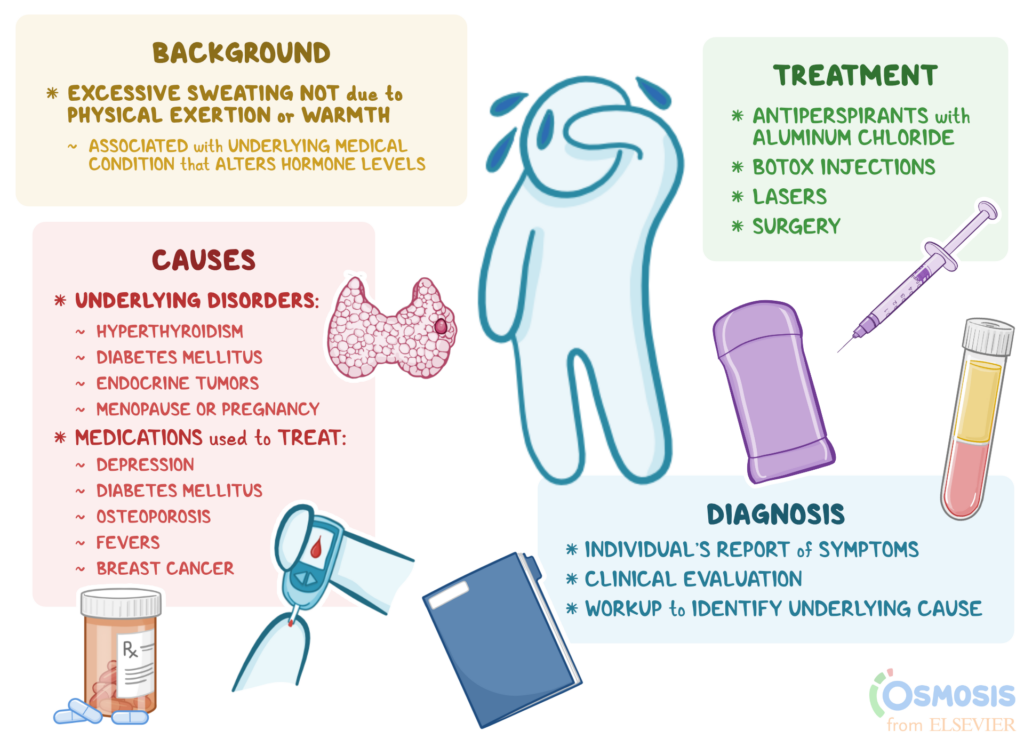
Causes of Excessive Sweating
Genetics
Excessive sweating, also known as hyperhidrosis, can often be traced back to genetics. If one or both of your parents have a history of excessive sweating, there is a higher chance that you may experience it as well. This is because certain genes can predispose individuals to produce more sweat than others. While genetics is not the sole cause of excessive sweating, it certainly plays a significant role.
Medical Conditions
Several medical conditions can contribute to excessive sweating. One common condition is called primary focal hyperhidrosis, which is characterized by excessive sweating in specific areas of the body such as the armpits, hands, or feet. Other medical conditions, such as diabetes, heart disease, and hyperthyroidism, can also cause excessive sweating as a symptom. If you suspect that an underlying medical condition is causing your excessive sweating, it is important to seek medical advice for proper diagnosis and treatment.
Menopause
Menopause is a natural process that every woman goes through as they age. During this time, hormonal changes can lead to hot flashes and night sweats, resulting in excessive sweating. These hormonal fluctuations can trigger the body’s sweat glands, causing them to become overactive. If you are experiencing excessive sweating during menopause, there are various remedies and treatments available to manage this symptom and improve your quality of life.
Medications
Certain medications can cause excessive sweating as a side effect. These include antidepressants, antipyretics, hormonal medications, and some over-the-counter drugs. If you suspect that your medication is causing excessive sweating, it is important to consult with your healthcare provider. They may be able to recommend alternative medications or adjust your dosage to alleviate this side effect.
Stress and Anxiety
Stress and anxiety can trigger excessive sweating in many individuals. When you feel stressed or anxious, your body’s sympathetic nervous system responds by increasing sweat production. This is often referred to as “stress sweating.” Understanding and managing your stress levels through techniques such as relaxation exercises, meditation, and therapy can help reduce excessive sweating triggered by stress and anxiety.
Hyperthyroidism
Hyperthyroidism, a condition characterized by an overactive thyroid gland, can lead to excessive sweating. When the thyroid gland produces an excess of thyroid hormones, it can cause an increase in metabolic rate, which in turn can result in excessive sweating. Treating the underlying thyroid condition through medication or other interventions can help alleviate the excessive sweating symptoms.
Obesity
Obesity can contribute to excessive sweating due to the increased insulation and heat retention associated with excess body fat. Furthermore, obese individuals often have a higher metabolic rate, leading to an increase in sweating. Losing weight through a combination of a healthy diet and regular exercise can help alleviate excessive sweating associated with obesity.
Alcohol and Caffeine Consumption
Consuming alcohol and caffeine can contribute to excessive sweating. Both substances can stimulate the body’s sweat glands, causing them to produce more sweat. It is advisable to limit or avoid alcohol and caffeine intake if you are prone to excessive sweating. Opting for non-alcoholic and decaffeinated beverages can help reduce the frequency and severity of excessive sweating.
Spicy Foods
Eating spicy foods can trigger excessive sweating in some individuals. Spices, such as chili peppers, contain capsaicin, a compound that can stimulate the sweat glands and increase perspiration. If you notice a correlation between consuming spicy foods and excessive sweating, consider moderating your intake of spicy foods to manage the condition.
Heat and Humidity
Hot weather and high humidity levels can naturally cause increased sweating. When the body temperature rises, the sweat glands activate to help cool down the body. For people with excessive sweating, hot weather and humid environments can exacerbate the condition. It is important to take necessary precautions, such as staying hydrated, wearing breathable clothing, and seeking cool environments, to manage excessive sweating in such conditions.
Effects of Excessive Sweating
Social and Emotional Impact
Excessive sweating can have a significant impact on a person’s social and emotional well-being. Individuals experiencing excessive sweating may feel self-conscious, embarrassed, or anxious about their condition. The fear of visible sweat stains on clothing or the odor associated with sweating can lead to social withdrawal and a negative impact on self-esteem. It is essential to address these emotional concerns and seek support from loved ones, support groups, or therapists to improve mental well-being.
Skin Conditions
Excessive sweating can contribute to various skin conditions, including fungal and bacterial infections. The constant moisture on the skin creates an environment favorable for the growth of fungi and bacteria, leading to conditions such as athlete’s foot or intertrigo. Proper hygiene practices, regular cleansing, and the use of antifungal or antibacterial products can help prevent or manage these skin conditions.
Interference with Daily Life
Excessive sweating can interfere with daily activities and routines. Simple tasks such as shaking hands, holding objects, or using electronic devices can become difficult due to persistent sweaty palms. Excessive sweating in the armpits can stain clothing and impact one’s ability to dress comfortably, while excessive sweating of the feet can lead to discomfort and difficulty wearing certain types of footwear. Managing excessive sweating is crucial to avoid disruptions in daily life.
Sleep Disturbances
Excessive sweating during sleep can lead to sleep disturbances and an overall decrease in the quality of rest. Night sweats can result in waking up feeling damp, uncomfortable, and unable to achieve a restful sleep. This can impact energy levels, mood, and overall well-being. By managing excessive sweating, individuals can improve their sleep patterns and wake up feeling refreshed.
Decreased Quality of Life
The cumulative effects of excessive sweating can significantly decrease one’s overall quality of life. The constant discomfort, embarrassment, and limitations on daily activities can lead to a diminished sense of well-being. Seeking proper treatment options and making necessary lifestyle adjustments can help alleviate excessive sweating and improve the overall quality of life.
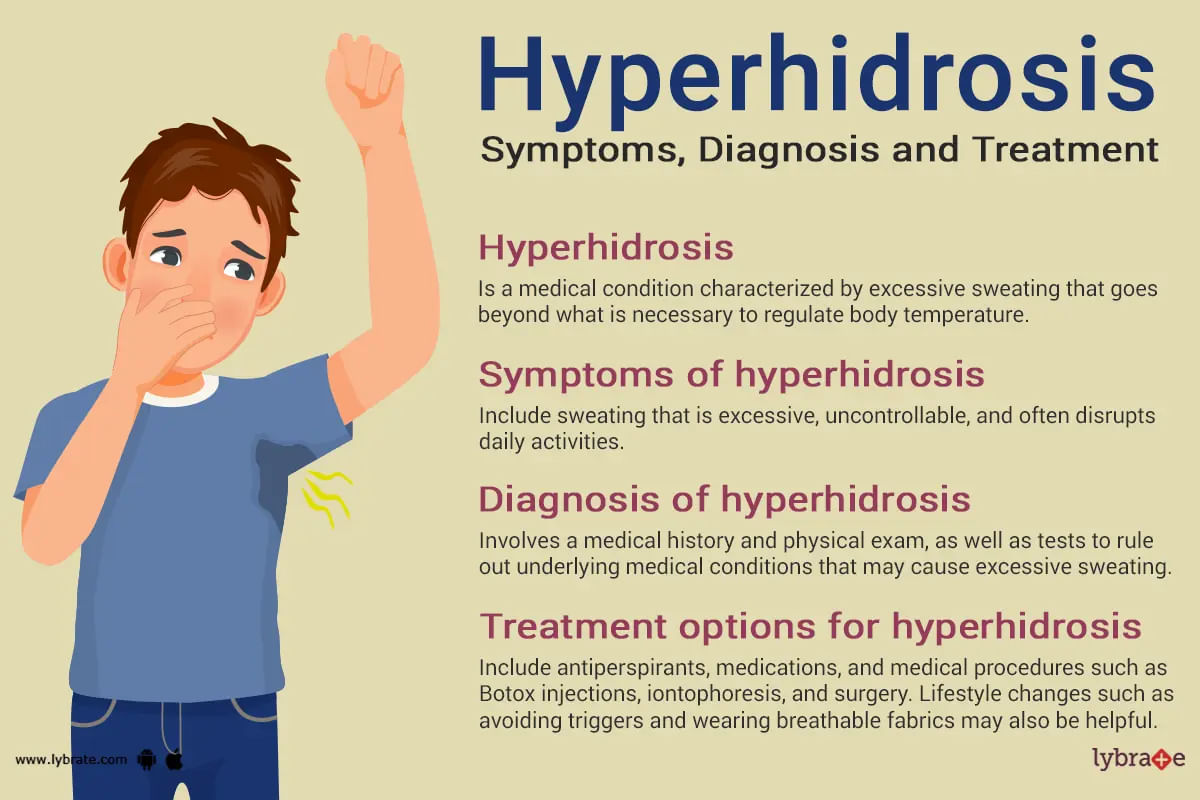
Medical Solutions for Excessive Sweating
Prescription Antiperspirants
Prescription antiperspirants contain a higher concentration of active ingredients such as aluminum chloride, which can effectively reduce sweat production. Unlike over-the-counter antiperspirants, prescription-strength options are typically applied at bedtime and offer longer-lasting protection. Consulting with a healthcare professional can help determine if prescription antiperspirants are suitable for your excessive sweating and provide guidance on proper usage.
Iontophoresis
Iontophoresis involves using a medical device to pass a low-level electrical current through water, effectively altering the behavior of sweat glands to reduce sweat production. This non-invasive treatment option is commonly used for excessive sweating on the hands and feet. Regular sessions of iontophoresis can help manage excessive sweating symptoms over time.
Botulinum Toxin Injections
Botulinum toxin injections, commonly known as Botox injections, can temporarily block the chemical signals that stimulate sweat glands. This treatment is especially effective for excessive sweating in specific areas, such as the armpits. The effects of botulinum toxin injections typically last for several months, after which repeat treatments may be necessary. It is important to consult with a healthcare professional to determine if this option is suitable for your excessive sweating.
Oral Medications
Certain oral medications, such as anticholinergics or beta-blockers, can help reduce excessive sweating by blocking or interfering with the nerve signals that trigger sweat gland activity. These medications are typically prescribed for individuals with severe cases of hyperhidrosis. However, they may have potential side effects, and it is important to discuss the risks and benefits with a healthcare professional before starting any oral medication regimen.
Endoscopic Thoracic Sympathectomy
Endoscopic thoracic sympathectomy is a surgical procedure that involves cutting or clamping the nerves responsible for triggering excessive sweating. This procedure is typically reserved for severe cases of hyperhidrosis that have not responded to other treatments. It is a specialized surgery performed by trained surgeons and requires careful consideration of potential risks and complications.
ETS Side Effects
Endoscopic thoracic sympathectomy (ETS) can have potential side effects, which should be considered before opting for this surgical treatment. Side effects may include compensatory sweating, a condition where excessive sweating occurs in other areas of the body to compensate for the reduced sweating in the treated areas. Other potential side effects include Horner’s syndrome, drooping eyelids, and excessive dryness of the hands or feet. It is essential to thoroughly discuss the possible side effects and risks with a healthcare professional before undergoing ETS.
Natural Remedies for Excessive Sweating
Antiperspirants
Over-the-counter antiperspirants can be effective for mild cases of excessive sweating. Look for antiperspirants that contain aluminum chloride, which helps reduce sweat production. Apply the antiperspirant before bed and in the morning for optimal results. If you find that over-the-counter antiperspirants are not effective, consult with a healthcare professional for alternative options.
Wearing Breathable Fabrics
Choosing breathable fabrics such as cotton or natural fibers can help alleviate excessive sweating. These fabrics allow better air circulation and prevent trapping moisture against the skin. Avoid synthetic materials that can create a barrier and contribute to increased sweating. Opting for loose-fitting clothing can also promote better airflow and minimize sweating.
Stress Management Techniques
Learning stress management techniques can help reduce excessive sweating triggered by stress and anxiety. Techniques such as deep breathing exercises, meditation, yoga, and mindfulness can help calm the mind and decrease sweat production. Practicing these techniques regularly, especially during stressful situations, can have a significant impact on managing excessive sweating.
Dietary Modifications
Making dietary modifications can help manage excessive sweating. Avoiding spicy foods, alcohol, and caffeine can reduce sweat production triggered by these substances. Additionally, spicy foods can raise body temperature, leading to increased sweating. Opting for a well-balanced diet rich in fruits, vegetables, whole grains, and lean proteins can promote overall health and reduce excessive sweating.
Herbal Supplements
Certain herbal supplements, such as sage, can help reduce excessive sweating. Sage contains compounds that have been found to inhibit sweat gland activity, thereby decreasing sweat production. However, it is important to consult with a healthcare professional before incorporating herbal supplements into your routine to ensure they are safe and do not interact with any medications you may be taking.
Acupuncture
Acupuncture, a traditional Chinese medicine treatment, involves the insertion of thin needles into specific points on the body. Some individuals have reported positive effects of acupuncture in reducing excessive sweating. Acupuncture is believed to improve the flow of energy in the body and regulate the sweat glands. It is essential to seek a licensed acupuncturist and discuss your excessive sweating concerns to determine if acupuncture may be a suitable option.
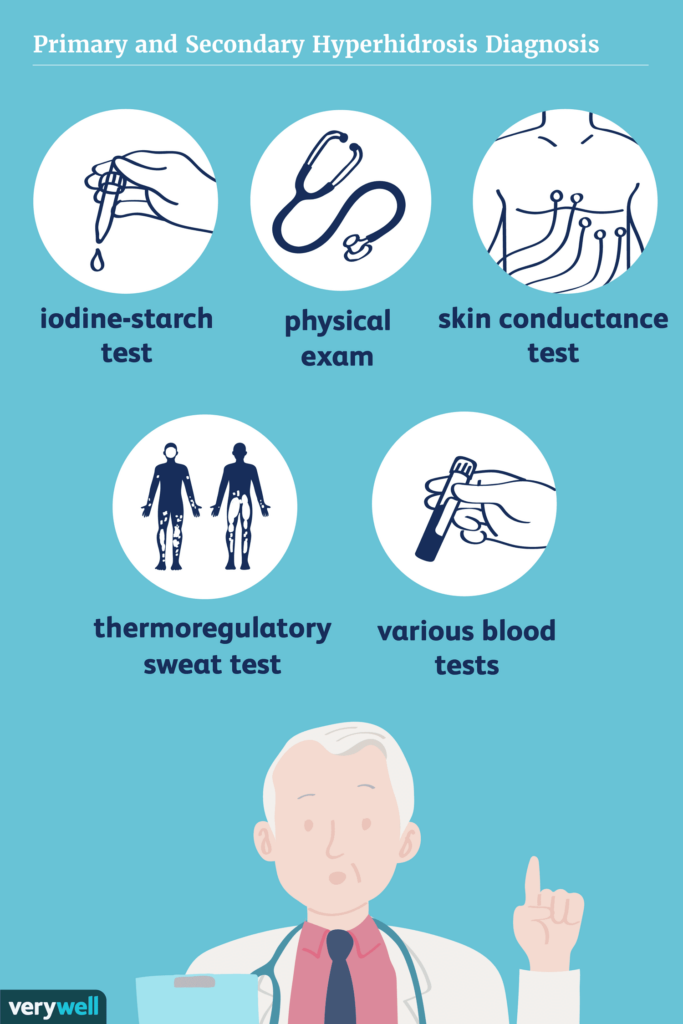
Lifestyle Changes to Manage Excessive Sweating
Avoidance of Triggers
Identifying and avoiding triggers that contribute to excessive sweating can help manage the condition. If certain foods, beverages, or activities consistently cause excessive sweating, try to minimize or eliminate them from your routine. Maintaining a diary to track your triggers can provide valuable insights and guide you in making necessary lifestyle changes.
Maintaining a Healthy Weight
Maintaining a healthy weight can help manage excessive sweating associated with obesity. Losing excess weight through a combination of a balanced diet and regular exercise can improve overall health and reduce the severity of excessive sweating. Consult with a healthcare professional or registered dietitian for personalized guidance on weight management.
Stay Hydrated
Staying hydrated is essential for overall well-being and can help regulate body temperature. When the body is properly hydrated, it is less likely to overheat and trigger excessive sweating. Aim to drink an adequate amount of water throughout the day, especially in hot weather or during physical activity.
Proper Personal Hygiene
Maintaining proper personal hygiene can help manage excessive sweating and prevent associated skin conditions. Showering regularly, using antibacterial soap or products, and ensuring thorough drying of areas prone to excessive sweating can minimize the risk of bacterial or fungal infections. It is also important to change into clean, dry clothes frequently to avoid prolonged contact with sweat-soaked clothing.
Cooling Techniques
Utilizing cooling techniques can help manage excessive sweating, especially in hot weather. Using fans, air conditioning, or cooling towels can help lower body temperature and reduce the need for excessive sweating. Applying cold packs to pulse points, such as the wrists or neck, can also provide temporary relief from excessive sweating.
Regular Exercise
Regular exercise can help manage excessive sweating by improving overall fitness and regulating body temperature. Engaging in physical activity regularly helps condition the body to tolerate higher temperatures and may reduce the frequency and severity of excessive sweating. It is important to choose activities and environments that are comfortable and allow for adequate hydration.
Clothing and Accessories to Help with Excessive Sweating
Wicking Fabrics
Choosing clothing made from wicking fabrics can help manage excessive sweating. Wicking fabrics draw moisture away from the skin, allowing it to evaporate more easily. These fabrics are designed to keep the body dry and comfortable during physical activity or hot weather conditions. Look for clothing labeled as “moisture-wicking” or “quick-drying” for optimal results.
Sweat-Proof Undershirts
Sweat-proof undershirts are specially designed garments that have an absorbent layer to prevent sweat from reaching the outer layers of clothing. These undershirts can help minimize visible sweat stains and provide a layer of protection. They are available in various styles and sizes to suit individual preferences.
Armpit Pads
Armpit pads, also known as sweat guards or garment shields, are discreet pads that can be attached to the underarms of clothing to absorb sweat. They can help protect clothing from stains and prevent excessive sweating from becoming visible. Armpit pads are available in disposable or reusable options, allowing for flexibility and convenience.
Specialized Socks and Shoes
For individuals who experience excessive sweating of the feet, specialized socks and shoes can provide relief and prevent discomfort. Moisture-wicking socks and shoes made from breathable materials can help keep the feet dry and minimize unpleasant odors. Look for footwear with proper ventilation and opt for socks with antimicrobial properties to reduce the risk of fungal or bacterial infections.
Talcum Powder
Talcum powder can be used to absorb excess moisture on the skin and minimize friction, particularly in areas prone to excessive sweating. Applying talcum powder to areas such as the underarms, groin, or feet can help keep these areas dry and prevent chafing. It is important to choose talcum powder that is specifically formulated for the body and avoid inhaling excessive amounts.

Psychological Approaches to Manage Excessive Sweating
Cognitive Behavioral Therapy
Cognitive Behavioral Therapy (CBT) is a therapeutic approach that focuses on identifying and modifying thought patterns and behaviors. CBT can help individuals with excessive sweating address any negative thoughts, emotions, or avoidance behaviors associated with their condition. By learning coping mechanisms and challenging irrational beliefs, individuals can improve their self-esteem and manage excessive sweating more effectively.
Relaxation Techniques
Relaxation techniques, such as deep breathing exercises, progressive muscle relaxation, and guided imagery, can help reduce stress and anxiety, which can contribute to excessive sweating. Regular practice of these techniques can promote relaxation and decrease the body’s stress response, therefore reducing excessive sweating.
Hypnosis
Hypnosis has been explored as a potential treatment for excessive sweating. This technique involves inducing a relaxed state of focused attention, during which suggestions for reduced sweating can be given. While hypnosis may not work for everyone, some individuals have reported positive results in managing excessive sweating through hypnotherapy sessions. It is important to seek a qualified and experienced hypnotherapist if considering this approach.
Support Groups
Joining support groups or online communities can provide valuable emotional support and practical tips for managing excessive sweating. Sharing experiences with others who can relate to the challenges of excessive sweating can help individuals feel understood and empowered. Support groups may also provide information on the latest treatments, lifestyle changes, and coping strategies that have worked for others.
Surgical Options for Excessive Sweating
Sweat Gland Removal
Sweat gland removal surgery involves the removal of sweat glands from the treated area to reduce excessive sweating. This surgical procedure is typically performed under local anesthesia and can provide long-term relief from excessive sweating. However, it is important to note that sweat gland removal surgery is irreversible, and potential risks and complications should be thoroughly discussed with a qualified surgeon.
Laser Sweat Ablation
Laser sweat ablation is a minimally invasive alternative to sweat gland removal surgery. This procedure uses laser technology to disable or destroy sweat glands, reducing sweat production. The side effects and recovery time associated with laser sweat ablation are typically less than those of traditional sweat gland removal surgery. However, as with any surgical procedure, it is important to consult with a qualified surgeon and thoroughly discuss the potential risks and benefits.
Sympathectomy Surgery
Sympathectomy surgery involves permanently disrupting the sympathetic nerves responsible for triggering excessive sweating. This surgical option is typically reserved for severe cases of hyperhidrosis that have not responded to other treatments. Sympathectomy surgery can provide long-lasting relief from excessive sweating, but it carries potential risks and complications, including compensatory sweating and Horner’s syndrome. It is crucial to thoroughly discuss the procedure and its potential effects with a qualified surgeon.
Risk and Complications
Surgical options for excessive sweating, such as sweat gland removal, laser sweat ablation, and sympathectomy surgery, carry potential risks and complications. These include compensatory sweating, which is excessive sweating that occurs in other areas of the body due to the interruption of sweat glands in the treated area. Other risks may include nerve damage, infection, scarring, or anesthesia-related complications. It is important to consult with a qualified surgeon, thoroughly discuss the potential risks, benefits, and long-term effects before considering any surgical option for excessive sweating.

Prevention of Excessive Sweating
Proper Hygiene Practices
Maintaining proper hygiene practices can help prevent excessive sweating and associated skin conditions. Regular bathing or showering, using antibacterial soap or products, and ensuring thorough drying of areas prone to sweating can help minimize the risk of bacterial or fungal infections. It is also important to change into clean, dry clothes frequently to avoid prolonged contact with sweat-soaked clothing.
Avoidance of Triggers
Identifying and avoiding triggers that contribute to excessive sweating can help prevent its occurrence. If specific foods, beverages, or activities consistently lead to excessive sweating, try to minimize or eliminate them from your routine. By proactively avoiding triggers, you can reduce the frequency and severity of excessive sweating.
Managing Stress
Stress is a common trigger for excessive sweating. Implementing stress management techniques, such as deep breathing exercises, meditation, and engaging in enjoyable activities, can help reduce stress levels and minimize excessive sweating. Practicing regular self-care, setting boundaries, and seeking support from loved ones can also contribute to overall stress reduction.
Wearing Breathable Clothing
Choosing breathable fabrics made from natural materials, such as cotton, linen, or bamboo, can help manage excessive sweating by allowing air circulation and preventing the buildup of moisture. Avoid synthetic materials that can trap heat and moisture against the skin. Opting for loose-fitting clothing also promotes better airflow, reducing the chances of excessive sweating.
Avoiding Excessive Heat and Humidity
Excessive heat and high humidity levels naturally lead to increased sweating. Avoiding prolonged exposure to hot weather or humid environments can help prevent excessive sweating. Seek shade, take breaks in air-conditioned environments, and use fans or cooling towels to lower body temperature and reduce sweat production.
Conclusion
Excessive sweating can significantly impact a person’s physical and emotional well-being. Understanding the causes and effects of excessive sweating is essential for finding appropriate solutions. Whether through medical interventions, natural remedies, lifestyle changes, or psychological approaches, there are numerous options available to manage excessive sweating effectively. It is important to work with healthcare professionals to identify the most suitable treatment plan to alleviate symptoms and improve overall quality of life.