
If you’ve ever wondered about eye cancer and want to get a clear understanding of its causes, symptoms, and possible treatments, look no further. In this informative article, we will explore the intricacies of eye cancer so that you can equip yourself with essential knowledge that could potentially save lives. From exploring the various causes that may contribute to the development of this condition, to recognizing its symptoms and the treatment options available, we’ll break down the complexities to provide you with a comprehensive understanding of eye cancer. So, let’s dive in and shed light on this important topic.
Understanding Eye Cancer: Causes, Symptoms, and Treatments
Eye cancer, also known as ocular cancer, is a rare but serious condition that affects the structures of the eye. It occurs when normal cells in the eye undergo genetic mutations, leading to uncontrolled cell growth and the formation of tumors. Although the exact cause of eye cancer is often unknown, several factors have been identified as potential contributors to its development. Understanding these causes, along with the symptoms and available treatment options, can help you take proactive steps to protect your eye health.
Causes of Eye Cancer
Genetic factors
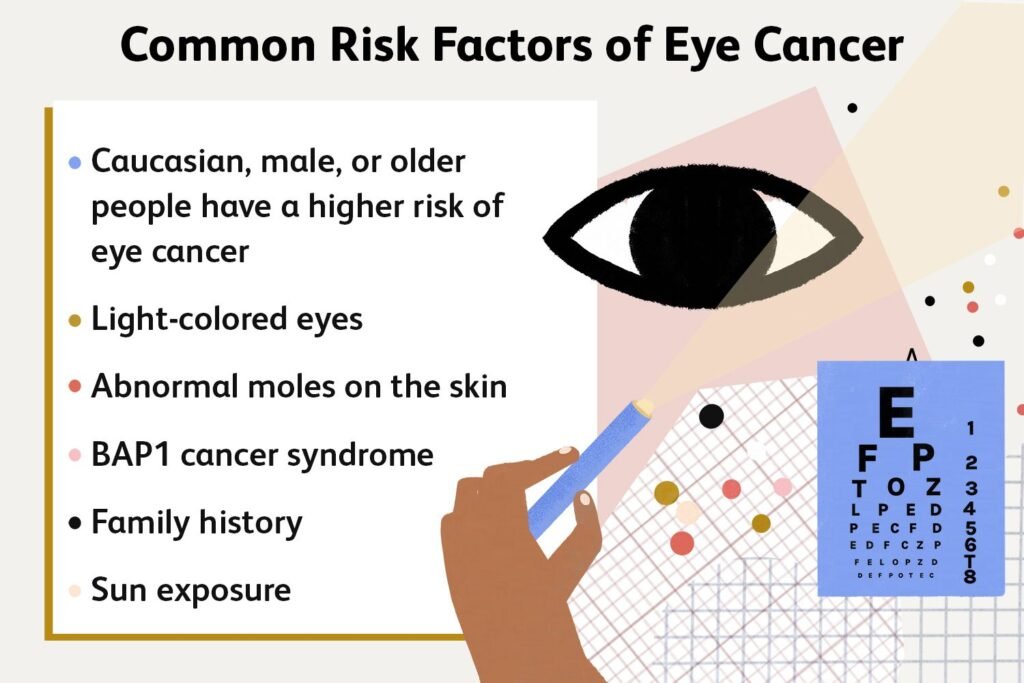
Genetic factors play a significant role in the development of eye cancer. Certain inherited gene mutations, such as those associated with retinoblastoma, can increase the risk of developing tumors in the eye. If you have a family history of eye cancer or other malignancies, it is essential to discuss this with your healthcare provider, as genetic counseling and testing may be recommended.
Exposure to ultraviolet (UV) radiation
Exposure to ultraviolet (UV) radiation, either from the sun or artificial sources, is another significant risk factor for developing eye cancer. Prolonged and unprotected exposure to UV rays can damage the DNA in the cells of the eye, leading to abnormal cell growth. To reduce your risk, it is crucial to wear UV-protective sunglasses and hats, especially during peak sunlight hours.
Exposure to certain chemicals
Exposure to certain chemicals, such as those found in pesticides, paints, and industrial solvents, has been linked to an increased risk of eye cancer. These chemicals can be absorbed through the skin or inhaled, reaching the eye and causing cellular damage. Taking precautions to minimize exposure to these chemicals, such as wearing protective eyewear and following safety guidelines, can help reduce the risk.
Radiation therapy for other conditions
In some cases, radiation therapy used to treat other medical conditions, such as head and neck cancers, can lead to the development of eye cancer. The high-energy radiation used in these treatments can damage the cells in the eye, increasing the risk of cancer. If you have received radiation therapy in the past, it is vital to inform your healthcare provider so that appropriate monitoring and screening can be conducted.
Types of Eye Cancer
Eye cancer can affect different parts of the eye, leading to various types of tumors. Understanding the different types of eye cancer can help in early detection and appropriate treatment. Here are some common types:
Intraocular melanoma
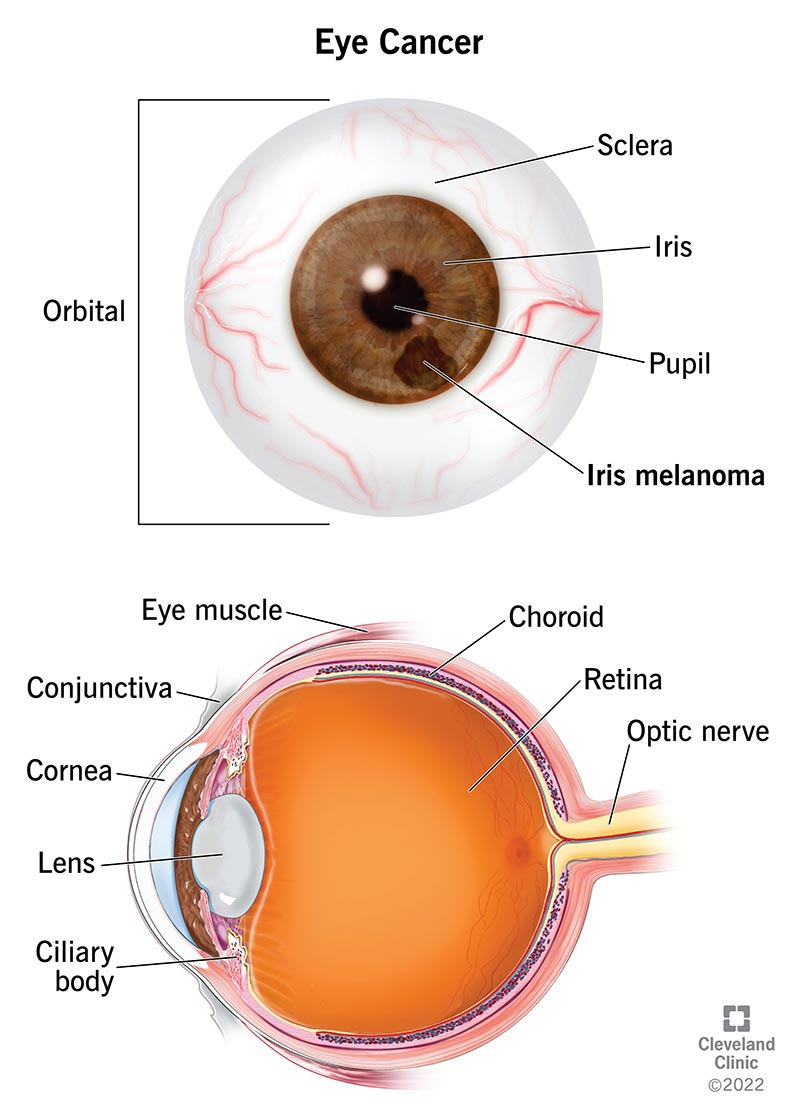
Intraocular melanoma is the most common form of eye cancer in adults. It originates in the pigment-producing cells of the eye, known as melanocytes. This type of cancer can be challenging to detect in its early stages, as symptoms may not be apparent. Regular eye exams are crucial for early detection and prompt treatment.
Retinoblastoma
Retinoblastoma is a rare form of eye cancer that primarily affects young children. It arises from the retina, the light-sensitive tissue lining the back of the eye. Signs of retinoblastoma include a white or yellowish reflection in the pupil, strabismus (crossed eyes), and poor vision. Early diagnosis and treatment are crucial for preserving vision and preventing the spread of the cancer.
Conjunctival melanoma
Conjunctival melanoma is a type of eye cancer that develops in the thin, transparent tissue covering the white part of the eye and inner eyelids. It typically affects adults and is often associated with prolonged exposure to UV radiation. Symptoms may include a visible, pigmented lesion on the surface of the eye, redness, and irritation.
Eyelid cancer
Eyelid cancer can occur at the edges or on the surface of the eyelids. It is most often linked to excessive sun exposure, chronic inflammation, and genetic factors. Symptoms may include a lump, sore, or thickening on the eyelid, as well as changes in the appearance of the eyelashes or eyelid skin.
Lacrimal gland tumors
Lacrimal gland tumors originate in the tear-producing glands located above the outer corner of the eye. These tumors are relatively rare and can cause symptoms such as swelling, pain, or a lump in the upper eyelid or eyebrow area.

Symptoms of Eye Cancer
Detecting eye cancer in its early stages can be challenging, as symptoms may vary depending on the type and location of the tumor. However, being aware of the potential signs can help prompt further evaluation and diagnosis. Some common symptoms of eye cancer include:
Blurry or distorted vision
Changes in vision, such as blurriness or distortion, can occur when a tumor affects the central part of the eye or the retina. If you notice any changes in your vision, it is important to consult an eye care specialist for evaluation.
Changes in iris color
In some cases, eye cancer can cause changes in the color of the iris, the colored part of the eye. This may manifest as the appearance of dark spots or areas of discoloration. Any unexplained changes in iris color should be examined by a healthcare professional.
Visible tumor on the surface of the eye
In advanced stages of eye cancer, a visible tumor may be present on the surface of the eye. This can appear as a localized growth or a white, yellowish, or pigmented lesion. If you suspect the presence of a tumor, it is important to seek medical advice promptly.
Eye redness or irritation
Eye redness or persistent irritation can be a symptom of eye cancer, especially if it does not resolve with standard treatments for eye conditions, such as eye drops or lubricants.
Swelling of the eyelid
Unexplained swelling or a lump on the eyelid should not be ignored, as it can be a sign of eyelid cancer or lacrimal gland tumors. Prompt medical attention is necessary for an accurate diagnosis.
Bulging of the eye
Bulging or protrusion of the eye, known as proptosis, can occur when a tumor grows behind the eye or affects the eye socket. This can cause pain, double vision, or a noticeable change in the appearance of the eye.
Diagnosis of Eye Cancer
If you experience any concerning symptoms or have an increased risk of eye cancer, your healthcare provider may recommend a comprehensive eye examination. This may include several diagnostic tests and procedures to evaluate the presence and extent of the tumor. Some common diagnostic techniques for eye cancer include:
Comprehensive eye examination
A comprehensive eye examination involves a detailed evaluation of your eye health and visual function. It may include tests such as visual acuity, tonometry (measuring eye pressure), and slit-lamp biomicroscopy.
Visual acuity test
A visual acuity test is performed to assess how well you can see at various distances. It involves reading letters or symbols from an eye chart to determine the clarity of your vision.
Ophthalmoscopy
Ophthalmoscopy is a procedure that allows an eye care specialist to examine the inside of your eye, including the retina and optic nerve. This can help in detecting any abnormalities or signs of cancer.
Ultrasound imaging
Ultrasound imaging uses sound waves to create images of the structures inside the eye. It can provide valuable information about the size, location, and characteristics of the tumor.
Biopsy
In some cases, a biopsy may be necessary to confirm the presence of cancer cells. During a biopsy, a small sample of tissue is taken from the affected area and examined under a microscope.
Treatment Options for Eye Cancer
The treatment options for eye cancer depend on several factors, including the type and stage of the cancer, as well as your overall health. A multidisciplinary approach involving specialists in ophthalmology, oncology, and radiation therapy is often necessary to develop an individualized treatment plan. Some common treatment options for eye cancer include:
Surgical removal of tumor
Surgical removal of the tumor is often the first-line treatment for eye cancer. This can involve the removal of a localized tumor on the surface of the eye or more extensive procedures to remove the affected eye or surrounding tissues. The goal of surgery is to remove the cancerous cells while preserving as much vision and function as possible.
Radiation therapy
Radiation therapy uses high-energy beams to target and destroy cancer cells. It can be delivered externally (external beam radiation therapy) or internally (brachytherapy) using radioactive seeds or plaques. Radiation therapy may be used as the primary treatment or in combination with surgery or chemotherapy.
Cryotherapy
Cryotherapy involves freezing the tumor cells to destroy them. It is commonly used for small tumors on the surface of the eye or eyelids and can be performed as an outpatient procedure.
Thermotherapy
Thermotherapy uses heat to destroy cancer cells. The heat can be applied using laser or microwave technology. Thermotherapy is often used in combination with other treatments, such as surgery or radiation therapy.
Chemotherapy
Chemotherapy uses drugs to kill cancer cells throughout the body. It may be administered orally or intravenously and can be employed in cases where the cancer has spread beyond the eye.
Targeted therapy
Targeted therapy involves the use of drugs that specifically target cancer cells, blocking their growth or stimulating the immune system’s response. These drugs can be highly effective in treating certain types of eye cancer.
Surgical Options for Eye Cancer
Surgical options for eye cancer depend on the location and extent of the tumor. Some common surgical procedures include:
Laser surgery
Laser surgery uses a focused beam of light to remove or destroy cancerous tissue. It is often used for small tumors on the surface of the eye or to treat early-stage retinoblastoma.
Scleral buckle surgery
Scleral buckle surgery is a procedure performed to support the shape of the eye and reduce tension on the retina. It is commonly employed for the treatment of retinoblastoma or intraocular melanoma.
Enucleation
Enucleation involves the surgical removal of the entire eye. This procedure is typically performed when other treatment options are not feasible or when the cancer has extensively affected the eye.
Orbital exenteration
Orbital exenteration is a complex surgery that involves the removal of the eye, surrounding tissues, and potentially, parts of the skull. It is reserved for advanced cases where the cancer has spread beyond the eye.
Radiation Therapy for Eye Cancer
Radiation therapy can be an effective treatment for eye cancer, particularly when surgery is not feasible or to prevent the recurrence of cancer cells. Some common types of radiation therapy for eye cancer include:
External beam radiation therapy
External beam radiation therapy involves the delivery of radiation from a machine outside the body. It targets the tumor and surrounding tissues, minimizing damage to healthy cells.
Brachytherapy
Brachytherapy, also known as internal radiation therapy, involves the placement of tiny radioactive seeds or plaques near the tumor. This allows for a more precise and concentrated delivery of radiation.
Proton beam therapy
Proton beam therapy uses protons, instead of X-rays, to deliver radiation to the eye. This therapy is highly precise, minimizing damage to surrounding healthy tissue.
Alternative Treatments for Eye Cancer
In addition to conventional treatment options, some alternative therapies may be considered as adjunctive or supportive measures. However, it is essential to consult with your healthcare provider before pursuing any alternative treatments. Some alternative treatments for eye cancer include:
Hyperthermia therapy
Hyperthermia therapy involves the use of heat, either externally or internally, to destroy cancer cells. It can be used in combination with other treatments, such as radiation therapy or chemotherapy.
Immunotherapy
Immunotherapy stimulates the body’s immune system to fight cancer cells. It involves the administration of drugs or substances that enhance the immune response, helping to destroy the cancer cells more effectively.
Adoptive cell therapy
Adoptive cell therapy involves the collection and modification of a patient’s own immune cells to specifically target and destroy cancer cells. This emerging therapy shows promise in the treatment of certain types of eye cancer.
Photodynamic therapy
Photodynamic therapy uses a combination of light-sensitive drugs and laser light to kill cancer cells. It is commonly used for the treatment of superficial eye cancers, such as conjunctival melanoma.

Complications and Side Effects of Eye Cancer Treatment
While treatment for eye cancer can be effective, it may also be associated with certain complications and side effects. These can vary depending on the type and stage of the cancer, as well as the treatment modalities employed. Some common complications and side effects of eye cancer treatment include:
Vision loss
Treatment for eye cancer can sometimes cause vision loss, especially if the tumor affects the optic nerve or sensitive structures within the eye. Your healthcare provider will discuss the potential risks and benefits of treatment options in relation to preserving vision.
Dry eye syndrome
Dry eye syndrome, characterized by dryness, itching, redness, and irritation of the eyes, can occur as a result of eye cancer treatment. This can be managed with artificial tears and other lubricating eye drops.
Double vision
Double vision, or diplopia, can occur if the eye muscles or nerves are affected by the tumor or the surgical procedures. It can be temporary or permanent, depending on the extent of the damage.
Eyelid deformities
Surgical removal of the tumor or surrounding tissues can lead to changes in the appearance or function of the eyelids. Reconstruction procedures may be necessary to restore the normal shape and function of the eyelids.
Orbital cellulitis
Orbital cellulitis is a rare but serious infection that can occur following surgery or as a complication of eye cancer treatment. Prompt medical attention is necessary if you experience symptoms such as eye pain, fever, or swelling around the eye.
Prevention and Early Detection of Eye Cancer
While it may not be possible to prevent eye cancer entirely, certain measures can help reduce the risk and facilitate early detection. Here are some preventive and early detection strategies:
Protecting the eyes from UV radiation
Reducing the exposure of your eyes to UV radiation is crucial in preventing eye cancer. Wear UV-protective sunglasses, a broad-brimmed hat, and seek shade when the sun’s rays are strongest.
Avoiding exposure to chemicals
Take precautions to minimize exposure to chemicals that have been linked to eye cancer, such as those found in pesticides, paints, and industrial solvents. Follow safety guidelines and wear appropriate protective gear when handling these substances.
Regular eye exams
Undergo regular eye exams, even if you have no symptoms of eye cancer. Routine eye exams can help detect any abnormalities or changes in the eye, allowing for early intervention if necessary.
Self-examination of the eyes
Perform regular self-examinations of your eyes using a mirror. Look for any changes in color, size, or appearance of the eyes, eyelids, or surrounding tissues. Report any concerning findings to your healthcare provider.
In conclusion, eye cancer is a rare but serious condition that requires prompt attention and appropriate treatment. By understanding the causes, symptoms, and treatment options available, you can take proactive steps to protect your eye health. Regular eye exams, adopting protective measures, and seeking prompt medical attention for any concerning symptoms are vital in ensuring early detection and effective management of eye cancer. Remember, your eyesight is precious, and taking proactive care can make all the difference.