
Did you know that eye cancer is a rare but serious condition that can affect people of all ages? In this article, we will guide you through the different stages of eye cancer, from its diagnosis to the available treatment options. Understanding these stages is crucial in determining the best course of action and ensuring the best possible outcome for those affected. So, grab a cup of tea, sit back, and let’s embark on a journey through the world of eye cancer together.
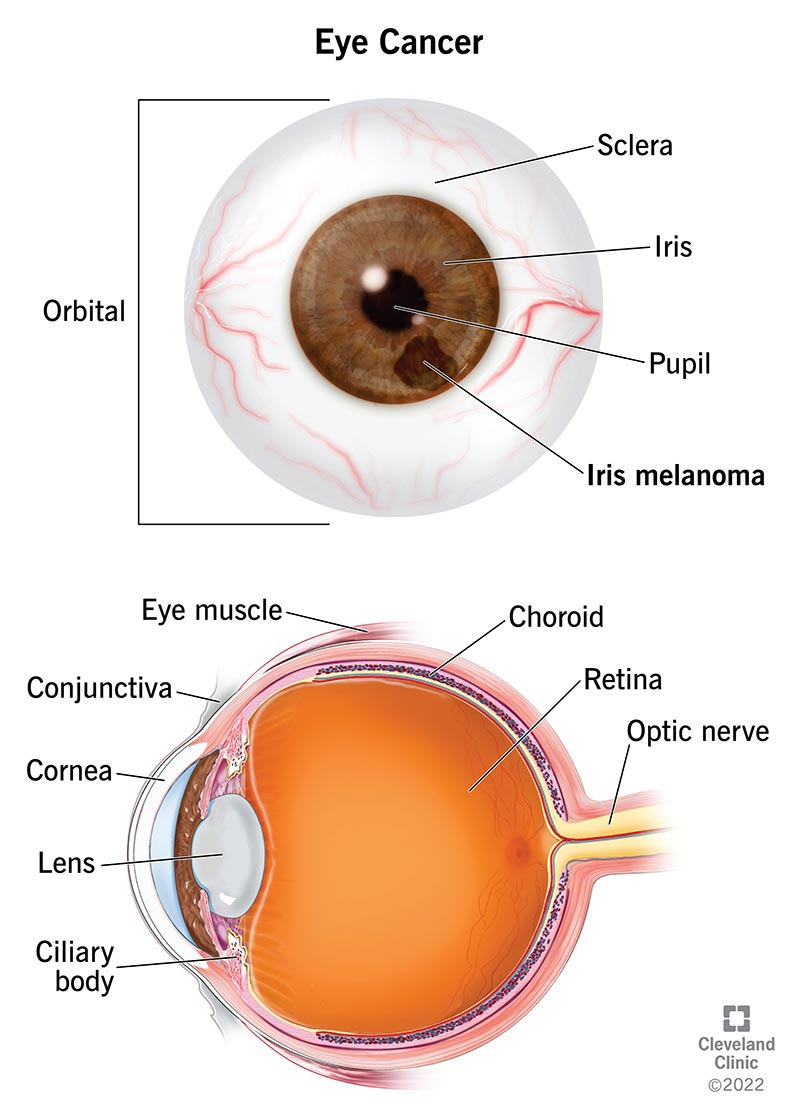
Overview of Eye Cancer
Eye cancer, also known as ocular cancer or intraocular cancer, refers to the growth of abnormal cells in the eye. These cells can develop in various parts of the eye, including the eyelid, iris, retina, or other structures. Eye cancer can be either primary, meaning it originates in the eye, or secondary, meaning it has spread from another part of the body.
Definition of Eye Cancer
Eye cancer is a form of cancer that specifically affects the eye. It can occur in different parts of the eye, including the eyelid, iris, retina, or other structures. The abnormal growth of cells in these areas can lead to various types of eye cancer.

Types of Eye Cancer
There are several types of eye cancer, each with its own characteristics and affected areas. The most common types include:
- Retinoblastoma – A childhood cancer that starts in the retina, the light-sensitive tissue at the back of the eye.
- Melanoma – A cancer that develops in the cells that produce pigments responsible for eye color.
- Lymphoma – A cancer that affects the lymphatic system, which can also involve the eye.
- Squamous cell carcinoma – A cancer that primarily affects the eyelids.
- Basal cell carcinoma – A cancer that typically occurs in the skin around the eye, including the eyelids.
Causes of Eye Cancer
The exact causes of eye cancer are not always clear. However, certain risk factors have been identified:
- Exposure to ultraviolet (UV) radiation – Prolonged exposure to sunlight or artificial sources of UV radiation may increase the risk of eye cancer, particularly ocular melanoma.
- Genetic factors – Inherited genetic mutations can increase the likelihood of developing eye cancer, such as retinoblastoma.
- Age – Eye cancer can occur at any age, but the risk increases with age, particularly for certain types like melanoma.
- Pre-existing eye conditions – Certain eye conditions, such as ocular inflammation or abnormal growths, may increase the risk of developing eye cancer.
- Weakened immune system – Individuals with weakened immune systems, such as those with HIV/AIDS or undergoing organ transplantation, may have a higher risk of developing eye cancer.

Signs and Symptoms of Eye Cancer
Early detection of eye cancer is crucial for successful treatment. Recognizing the signs and symptoms can help in the early identification of potential issues.
Early Symptoms
Early symptoms of eye cancer may vary depending on the type and location of the tumor. Some common early signs include:
- Blurred or distorted vision
- Unexplained vision loss
- Persistent redness or irritation of the eye
- Floaters or spots in the field of vision
- Unusual color changes in the iris or pupil
- Bulging or swelling of the eye
- Sensation of pressure or pain in the eye
Advanced Symptoms
As eye cancer progresses, additional symptoms may develop, indicating the need for prompt medical attention:
- Eye pain, especially with movement
- Changes in the appearance of the eye, such as a bulging or protruding eye
- Changes in the shape or size of the pupil
- Excessive tearing or abnormal discharge from the eye
- Difficulty closing the eyelids fully
- Changes in eyelid position or drooping
Diagnosis of Eye Cancer
To diagnose eye cancer, various diagnostic procedures and tests may be performed. These can help determine the presence, type, and extent of the tumor.
Physical Examination
A physical examination allows the doctor to assess the overall health and appearance of the eye. They may examine the eyelids, surrounding skin, and other facial structures for any abnormalities or signs of cancer.
Eye Exam
A comprehensive eye exam is essential in evaluating the eye for signs of cancer. It may involve visual acuity tests, examination of the external structures of the eye, and evaluation of the inner structures using specialized equipment.
Imaging Tests
Imaging tests, such as ultrasound, computed tomography (CT), or magnetic resonance imaging (MRI), may be ordered to obtain detailed images of the eye and surrounding structures. These images can help visualize the tumor and determine its size, location, and potential spread.

Stages of Eye Cancer
Eye cancer is commonly staged to determine the extent of the disease and guide treatment decisions. The stages may range from 0 to 4, indicating the progression and spread of the cancer.
Stage 0: Carcinoma in situ
In stage 0, also known as carcinoma in situ, the cancer cells are confined to the place of origin and have not invaded deeper tissues or spread to other parts of the body. These early-stage tumors are highly treatable with a high chance of successful treatment.
Stage 1: Localized Tumor
Stage 1 eye cancer refers to the presence of a localized tumor that has not spread beyond the eye. It may be small in size and limited to one area or structure of the eye.
Stage 2: Localized Tumor with Spread
Stage 2 eye cancer indicates that the tumor has extended beyond the primary site and may have invaded nearby tissues or structures. However, it has not yet spread to distant parts of the body.
Stage 3: Advanced Localized Tumor
Stage 3 eye cancer signifies a larger tumor that has invaded nearby tissues or structures within the eye. The cancer may have grown into the optic nerve, eye socket, or nearby bones.
Stage 4: Metastatic Cancer
In stage 4, eye cancer has metastasized or spread to distant parts of the body, such as the liver, brain, or lungs. This advanced stage poses significant challenges and requires comprehensive treatment strategies.
Treatment Options for Eye Cancer
The treatment options for eye cancer depend on various factors, including the type, stage, and location of the tumor. It is essential to consult with a healthcare team to determine the most appropriate treatment plan. Some common treatment options for eye cancer include:
Surgery
Surgery aims to remove the tumor and may involve various techniques, such as local excision, removal of the affected eye (enucleation), or orbital exenteration for advanced cases.
Radiation Therapy
Radiation therapy uses high-energy X-rays or other radiation sources to destroy cancer cells or shrink tumors. It may be administered externally or internally through eye plaque brachytherapy.
Chemotherapy
Chemotherapy involves the use of drugs to kill cancer cells or stop their growth. It can be administered orally, intravenously, or through injections, targeting cancer cells throughout the body.
Immunotherapy
Immunotherapy harnesses the body’s immune system to fight cancer. It stimulates the immune system to recognize and attack cancer cells more effectively.
Targeted Therapy
Targeted therapy uses drugs or other substances to specifically target cancer cells and block their growth. This approach aims to minimize damage to healthy cells.
Photocoagulation
Photocoagulation uses a laser to destroy cancer cells by heating them. It is often used for small tumors or in cases where surgery is not feasible.
Cryotherapy
Cryotherapy involves freezing cancer cells to destroy them. This technique is commonly used for small tumors or as an alternative to surgery.
Thermotherapy
Thermotherapy uses heat to kill cancer cells, either through direct contact or through focused microwave or ultrasound energy.
Enucleation
Enucleation is the surgical removal of the entire eye. It may be necessary in advanced cases to remove a large tumor or prevent the spread of cancer to other parts of the body.

Prognosis and Survival Rates
The prognosis and survival rates for eye cancer vary depending on several factors, including the type, stage, and treatment received. It is vital to discuss individual prognosis with healthcare professionals.
Factors Affecting Prognosis
Several factors can influence the prognosis of eye cancer, including the type and stage of the cancer, the age and overall health of the patient, the response to treatment, and any recurrence or spread of the cancer.
Survival Rates at Different Stages
The survival rates for eye cancer can vary significantly between different stages. Generally, the earlier the stage at diagnosis, the higher the chances of successful treatment and long-term survival. However, it is important to note that survival rates are just estimates, and individual outcomes may differ.
Supportive Care and Rehabilitation
Coping with eye cancer and its treatment can be emotionally and physically challenging. Supportive care and rehabilitation services can play a crucial role in improving quality of life during and after treatment.
Coping with Eye Cancer
Coping with eye cancer involves a combination of emotional support, education, and self-care strategies. Joining support groups, engaging in hobbies, and seeking professional help can provide valuable resources and assistance.
Managing Treatment Side Effects
Eye cancer treatment may cause various side effects, including fatigue, changes in vision, dry eyes, or skin irritation. Managing these side effects can involve medications, lifestyle adjustments, and regular check-ins with the healthcare team.
Rehabilitation Services
Rehabilitation services, such as low vision aids, occupational therapy, or counseling, can help individuals adapt to changes in vision or overcome physical limitations resulting from eye cancer treatment.
Research and Future Directions
Continuous research plays a vital role in improving the diagnosis, treatment, and overall management of eye cancer. Ongoing studies and advancements offer hope for new treatment approaches and better outcomes for patients.
Current Research Studies
Numerous research studies are underway to explore innovative treatments, targeted therapies, and early detection methods for eye cancer. These studies aim to improve survival rates, reduce side effects, and develop more effective treatment options.
Emerging Treatment Approaches
Emerging treatment approaches involve novel techniques, such as gene therapy, immunotherapy combinations, or personalized medicine, to enhance treatment outcomes and minimize side effects. These approaches hold promise for the future of eye cancer treatment.
Prevention and Early Detection
While it may not always be possible to prevent eye cancer entirely, certain steps can help reduce the risk and increase the chances of early detection.
Reducing Risk Factors
Reducing exposure to UV radiation, wearing proper eye protection, and adopting a healthy lifestyle can help lower the risk of developing eye cancer. Understanding and addressing relevant genetic factors can also be essential in prevention.
Regular Eye Exams
Regular eye exams, including dilation of the pupils, enable early detection of any abnormalities or signs of eye cancer. Routine eye check-ups are crucial, especially for individuals at higher risk due to age, genetics, or other factors.
Self-Examination
Performing self-examinations at home can be an additional tool in detecting any changes or abnormalities early on. Checking for changes in vision, pupil size, or the appearance of the eye can help identify any potential issues and prompt a visit to a healthcare professional.
In conclusion, eye cancer is a complex condition that requires early detection and prompt treatment. Understanding the different types, stages, and treatment options can empower individuals to take proactive steps towards prevention, early detection, and effective management. With advancements in research and supportive care services, the outlook for individuals living with eye cancer continues to improve, providing hope for the future. Remember to prioritize regular eye exams, protect your eyes from excessive UV radiation, and seek medical attention if you notice any unusual symptoms or changes in your vision or eye appearance.