
In this comprehensive guide, you will discover a wealth of information about eye cancer, including the various types and associated risks. With a friendly tone and approachable language, this article aims to provide you with a clear understanding of this condition, ensuring that you are well-equipped to recognize potential symptoms and seek appropriate medical attention. Whether you are curious about the different forms of eye cancer or concerned about the potential risks, this guide will shed light on these important topics to help you navigate this often misunderstood aspect of healthcare.

Types of Eye Cancer
When it comes to eye cancer, there are several types that you should be aware of. Each type of eye cancer requires different approaches in terms of diagnosis and treatment. In this comprehensive guide, we will explore the various types of eye cancer, including retinoblastoma, melanoma, squamous cell carcinoma, lymphoma, conjunctival cancer, and eyelid cancer. By understanding the characteristics and symptoms of each type, you can empower yourself with knowledge and be better equipped to detect any potential signs of eye cancer.
Retinoblastoma
Overview
Retinoblastoma is a rare type of eye cancer that primarily affects young children. It originates in the retina, which is the thin layer of tissue at the back of the eye responsible for vision. Retinoblastoma can occur in one or both eyes and is often hereditary, with specific genetic mutations being a major factor in its development.
Causes
As previously mentioned, retinoblastoma is often caused by genetic mutations. In some cases, these mutations are inherited from a parent, while in others, they occur spontaneously during fetal development. The specific genes involved in retinoblastoma are known as the RB1 genes.
Symptoms
The symptoms of retinoblastoma can vary depending on the size and location of the tumor. Some common signs include a white pupil, known as leukocoria, the presence of a squint (crossed or misaligned eyes), and poor vision or vision loss. It’s important to note that these symptoms may also be indicative of other eye conditions, so consulting with a healthcare professional for an accurate diagnosis is crucial.
Diagnosis
To diagnose retinoblastoma, an ophthalmologist will conduct a comprehensive eye examination. This may involve dilating the pupils to examine the back of the eye, performing imaging tests such as ultrasound or magnetic resonance imaging (MRI), and taking a biopsy of the tumor if necessary. Genetic testing may also be recommended to determine if the condition is hereditary.
Treatment
The treatment for retinoblastoma depends on the stage and location of the tumor, as well as the child’s overall health. Options may include chemotherapy, radiation therapy, cryotherapy (freezing the tumor), laser therapy, or surgical removal of the affected eye. In cases where only one eye is affected, efforts will be made to preserve vision in the unaffected eye. Additionally, long-term follow-up care is essential to monitor for any potential recurrence or complications.
Melanoma
Overview
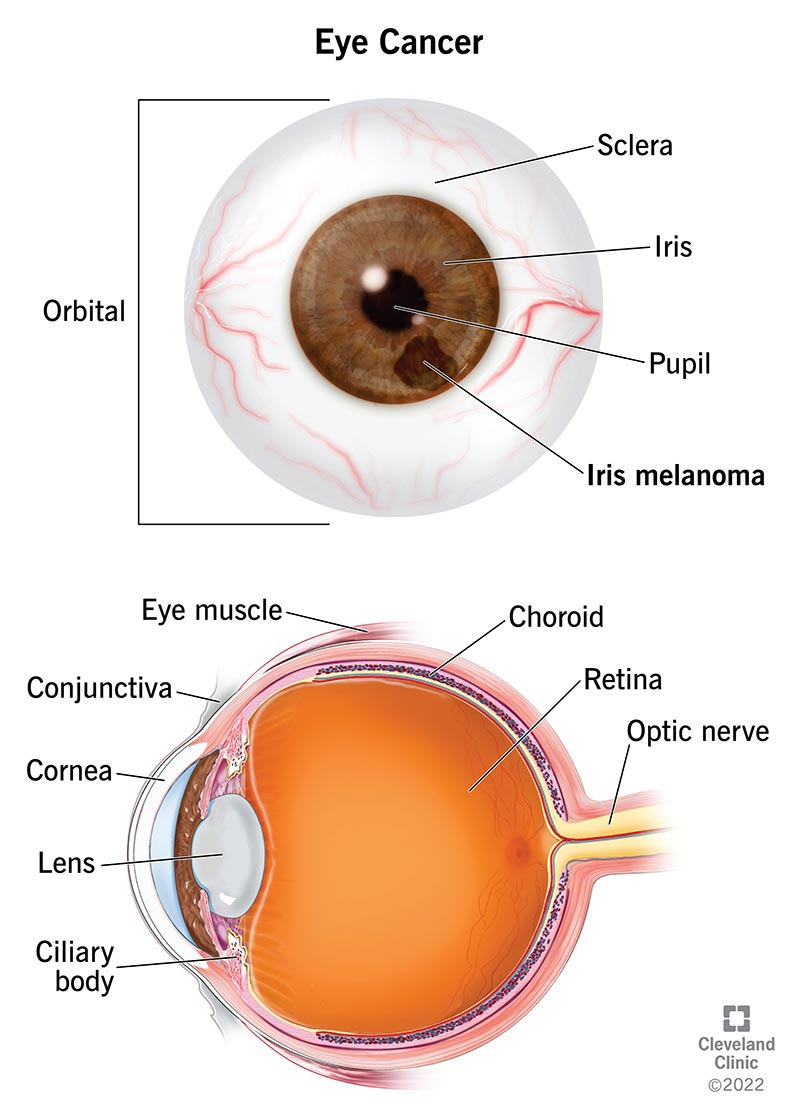
Melanoma, commonly known as skin cancer, can also affect the eyes. Ocular melanoma originates in the melanocytes, which are the pigmented cells in the eye. Unlike skin melanoma, ocular melanoma is less common but can be more serious due to its potential for spreading to other parts of the body.
Causes
The exact cause of ocular melanoma is still unknown, but certain risk factors have been identified. These include fair skin, light eye color (such as blue or green), exposure to excessive sunlight, and having atypical moles or a family history of melanoma. It’s important to note that just like with skin melanoma, ocular melanoma can also develop in individuals without these risk factors.
Symptoms
Ocular melanoma may not cause any noticeable symptoms in its early stages. However, as the tumor grows, individuals may experience a variety of symptoms, such as blurred or distorted vision, dark spots on the iris (the colored part of the eye), flashes of light, or a feeling of pressure in the eye. It’s crucial to pay attention to these changes and seek medical attention promptly.
Diagnosis
To diagnose ocular melanoma, an ophthalmologist will perform a detailed eye examination, including a thorough evaluation of the retina and surrounding structures. This may involve using specialized imaging techniques such as ultrasound, optical coherence tomography (OCT), and fluorescein angiography. If a suspicious mass is detected, a biopsy may be recommended to confirm the presence of melanoma cells.
Treatment
The treatment for ocular melanoma depends on several factors, including the size and location of the tumor, as well as the individual’s overall health. Treatment options may include surgery to remove the tumor, radiation therapy, laser therapy, or in some cases, enucleation (surgical removal of the eye). Additionally, close monitoring and periodic follow-up examinations will be necessary to ensure early detection of any potential recurrence or metastasis.
Squamous Cell Carcinoma
Overview
Squamous cell carcinoma is a type of cancer that typically originates in the squamous cells, which are the thin, flat cells that line the surface of the conjunctiva and cornea. While it is relatively rare, squamous cell carcinoma can be aggressive and may spread to other parts of the body if left untreated.
Causes
The exact causes of squamous cell carcinoma are not fully understood. However, certain risk factors have been identified, such as chronic exposure to sunlight, human papillomavirus (HPV) infection, and a history of smoking. It’s important to note that not all cases of squamous cell carcinoma are linked to these risk factors, and the disease can still occur in individuals without any known risk factors.
Symptoms
Symptoms of squamous cell carcinoma can vary but may include a persistent red, irritated, or inflamed eye, a sensation of grittiness or discomfort, thickening or other visible changes in the conjunctiva or cornea, and abnormalities in vision. These symptoms may resemble those of other eye conditions, so it’s vital to consult with an eye care professional for an accurate diagnosis.
Diagnosis
To diagnose squamous cell carcinoma, an ophthalmologist will conduct a comprehensive eye examination, including a close examination of the conjunctiva and cornea. This may involve using specialized instruments to assess the size and extent of any suspicious lesions. Biopsy and histopathological examination may be necessary to confirm the presence of squamous cell carcinoma cells.
Treatment
The treatment for squamous cell carcinoma depends on the size and location of the tumor, as well as the individual’s overall health. Treatment options may include surgical excision, cryotherapy, excisional biopsy, or radiation therapy. In some cases, a combination of treatments may be recommended. Regular follow-up visits will be necessary to monitor for any potential recurrence or complications.

Lymphoma
Overview
Lymphoma is a type of cancer that originates in the lymphatic system, which is part of the body’s immune system. While lymphoma typically affects lymph nodes, it can also involve the eyes in some cases. Ocular lymphoma, also known as intraocular lymphoma, is a rare condition that requires early detection and prompt treatment for optimal outcomes.
Causes
The exact causes of ocular lymphoma are not fully understood. However, individuals with weakened immune systems, such as those with human immunodeficiency virus (HIV) or autoimmune diseases, may have an increased risk. Other risk factors may include age, with ocular lymphoma being more common in older adults.
Symptoms
The symptoms of ocular lymphoma can vary depending on the location and extent of the tumor. Some common signs include blurred vision, floaters (spots or specks that appear to float in the field of vision), eye redness, and eye pain. These symptoms may resemble those of other eye conditions, so consulting with an eye care professional is essential for an accurate diagnosis.
Diagnosis
To diagnose ocular lymphoma, an ophthalmologist will conduct a detailed eye examination, including a thorough evaluation of the retina and surrounding tissues. This may involve imaging tests, such as optical coherence tomography (OCT) and fluorescein angiography, to assess the extent of the tumor. A biopsy may also be necessary to confirm the presence of lymphoma cells.
Treatment
The treatment for ocular lymphoma may involve a combination of approaches, including radiation therapy, chemotherapy, and immunotherapy. The choice of treatment depends on several factors, such as the individual’s overall health, the location and extent of the tumor, and the presence of any systemic involvement. Regular follow-up visits and monitoring are essential to assess treatment response and detect any potential recurrence.
Conjunctival Cancer
Overview
Conjunctival cancer, also known as conjunctival melanoma or squamous cell carcinoma of the conjunctiva, is a rare type of cancer that affects the conjunctiva, which is the clear tissue that covers the white part of the eye and the inside of the eyelids. It is crucial to detect and treat conjunctival cancer early to prevent it from spreading to other parts of the body.
Causes
The precise causes of conjunctival cancer are not yet fully understood. However, chronic irritation of the conjunctiva, such as long-term exposure to UV radiation or certain chemicals, may increase the risk. Conditions that weaken the immune system, such as human immunodeficiency virus (HIV) or transplantation, may also be associated with an increased risk of conjunctival cancer.
Symptoms
Some common symptoms of conjunctival cancer include a persistent red or pink eye, a growth or mass on the conjunctiva, thickening or other visible changes in the conjunctiva, and a sensation of grittiness or discomfort. If you notice any of these symptoms, it is important to consult with an eye care professional for a thorough examination.
Diagnosis
To diagnose conjunctival cancer, an ophthalmologist will perform a comprehensive eye examination, including a close evaluation of the conjunctival tissue. Specialized imaging techniques, such as optical coherence tomography (OCT) and biopsy, may be necessary to confirm the presence of cancer cells. Additionally, further testing may be recommended to assess the stage and extent of the cancer.
Treatment
The treatment for conjunctival cancer depends on several factors, including the size and location of the tumor, as well as the individual’s overall health. Treatment options may include surgical excision, cryotherapy, chemotherapy, or a combination of approaches. Regular follow-up visits are crucial to monitor for any potential recurrence or complications.

Eyelid Cancer
Overview
Eyelid cancer refers to the development of cancerous cells on the eyelids. It can occur on either the upper or lower eyelid and is often associated with excessive exposure to sunlight. While eyelid cancer is relatively uncommon, early detection and treatment are essential to prevent the cancer from spreading and causing further complications.
Causes
Excessive exposure to sunlight and ultraviolet (UV) radiation is a significant risk factor for eyelid cancer. Other factors that may increase the risk include a history of chronic inflammation or infection of the eyelids, certain genetic conditions, and a weakened immune system. It’s important to protect the eyes and eyelids from excessive sunlight by wearing sunglasses and using sunscreen.
Symptoms
The symptoms of eyelid cancer can vary depending on the location and extent of the tumor. Some common signs include a lump or growth on the eyelid, persistent redness or scaling of the eyelid, persistent itching or burning sensation, and changes in the shape or appearance of the eyelid. Prompt evaluation by an eye care professional is crucial if you notice any of these symptoms.
Diagnosis
To diagnose eyelid cancer, an ophthalmologist or dermatologist will conduct a detailed examination of the eyelids, including a close evaluation of any suspicious areas. This may involve using specialized instruments to assess the size and extent of the tumor. A biopsy may also be necessary to confirm the presence of cancer cells.
Treatment
The treatment for eyelid cancer depends on several factors, including the size and location of the tumor, as well as the individual’s overall health. Treatment options may include surgical excision, Mohs micrographic surgery (a precise technique to remove the cancer while preserving the surrounding healthy tissue), radiotherapy, or other targeted therapies. Regular follow-up visits will be necessary to monitor for any potential recurrence or complications.
Risk Factors of Eye Cancer
While eye cancer can affect anyone, certain risk factors may increase an individual’s likelihood of developing the condition. By being aware of these risk factors, you can take proactive measures to protect your eye health and seek early medical attention if necessary.
Age
Age is a significant risk factor for many types of eye cancer. Certain types, such as retinoblastoma and ocular lymphoma, are more common in children, while others, such as eyelid cancer and ocular melanoma, are more prevalent in adults. As individuals age, it becomes even more crucial to regularly monitor their eye health and seek prompt medical attention for any concerning symptoms.
Family History
A family history of certain types of eye cancer, particularly retinoblastoma, can increase the risk of developing the condition. If you have a family history of eye cancer, it’s important to inform your healthcare provider, who can then monitor your eye health more closely and provide appropriate recommendations for screenings and preventive measures.
Exposure to Sunlight
Excessive exposure to sunlight and ultraviolet (UV) radiation is a common risk factor for various types of eye cancer, including ocular melanoma and eyelid cancer. To minimize your risk, it is recommended to protect your eyes and eyelids by wearing sunglasses with UV protection and using broad-spectrum sunscreen on your face and eyelids.
Radiation Exposure
Exposure to ionizing radiation, such as radiation therapy for previous cancer treatment or occupational exposure to radiation, can increase the risk of developing eye cancer. If you have a history of radiation exposure, it’s important to inform your healthcare provider, who can then monitor your eye health more closely and provide appropriate recommendations.
Genetic Factors
Certain genetic factors and mutations can increase the risk of developing eye cancer. This is especially true for retinoblastoma, which is often associated with specific mutations in the RB1 genes. If you have a known genetic predisposition to eye cancer, it’s essential to work closely with your healthcare provider to implement appropriate screenings and preventive measures.

Signs and Symptoms of Eye Cancer
Detecting eye cancer in its early stages is crucial for optimal treatment outcomes. By knowing the signs and symptoms associated with eye cancer, you can seek medical attention if you experience any concerning changes in your eye health.
Blurred Vision
Blurred vision can be a symptom of various eye conditions, including eye cancer. If you notice a persistent change in your vision, such as blurry or distorted vision, it’s important to consult with an eye care professional for further evaluation.
Floaters
Floaters are small specks or spots that appear to float across your field of vision. While they are often harmless, persistent or sudden onset of floaters could be a sign of a more serious underlying condition, such as eye cancer. It’s important to pay attention to any changes in the frequency or characteristics of floaters and seek medical attention if necessary.
Sudden Loss of Vision
Sudden loss of vision can be a significant warning sign of eye cancer, especially if it occurs in one eye. If you experience sudden and unexplained vision loss, it is essential to seek immediate medical attention.
Eye Pain or Redness
Persistent eye pain or redness, especially if accompanied by other symptoms such as blurred vision or changes in the appearance of the eye, may indicate the presence of eye cancer. It’s crucial to consult with an eye care professional for a thorough evaluation if you experience these symptoms.
Bulging or Swelling of the Eye
Bulging or swelling of the eye can be a sign of various eye conditions, including eye cancer. If you notice any changes in the appearance or shape of your eye, it’s important to have it evaluated by an eye care professional.
Support and Coping Strategies
Receiving a diagnosis of eye cancer can be overwhelming, and it’s important to have a support network in place to help you navigate through the physical and emotional challenges that may arise. Here are some strategies to consider to find support and cope effectively with the diagnosis.
Finding a Support Network
Seeking support from family, friends, and other individuals who have experienced eye cancer can provide a valuable source of strength and understanding. Support groups and online communities dedicated to eye cancer can be helpful in connecting with others who are going through a similar journey. Additionally, reaching out to organizations specializing in eye cancer can provide access to resources and information.
Seeking Professional Help
Dealing with a cancer diagnosis can be emotionally challenging, and it’s important to seek professional help if needed. Mental health professionals, such as psychologists or counselors, can provide guidance and support during this difficult time. They can help you develop coping strategies, manage stress, and navigate the emotional impact of the diagnosis.
Coping Strategies
Engaging in coping strategies can help alleviate the stress associated with an eye cancer diagnosis. These can include maintaining a healthy lifestyle, such as getting regular exercise, eating a balanced diet, and getting enough restful sleep. Finding activities that bring joy and relaxation, such as hobbies or meditation, can also help manage stress and promote overall well-being.
In conclusion, eye cancer encompasses various types, each requiring specific approaches for diagnosis and treatment. By familiarizing yourself with the different types of eye cancer, recognizing the risk factors and symptoms, and seeking appropriate support, you can play an active role in maintaining your eye health and well-being. Regular eye exams and prompt medical attention for any concerning changes in your eye health are crucial for early detection and optimal treatment outcomes. Remember, knowledge is power, and by arming yourself with information, you can take control of your eye health journey.