
You’re about to embark on a journey to unravel the mysteries of eye floaters and explore the various causes and treatment options available. Have you ever experienced those tiny specks or thread-like strands that seem to float across your field of vision? These are known as eye floaters, and sometimes they come with the added sensation of flashing lights, commonly referred to as eye flashes. In this article, we will shed light on what causes these pesky floaters and explore the different methods to manage and treat them effectively. So, let’s embark on this friendly exploration together and gain a better understanding of these intriguing eye phenomena.
Causes of Eye Floaters
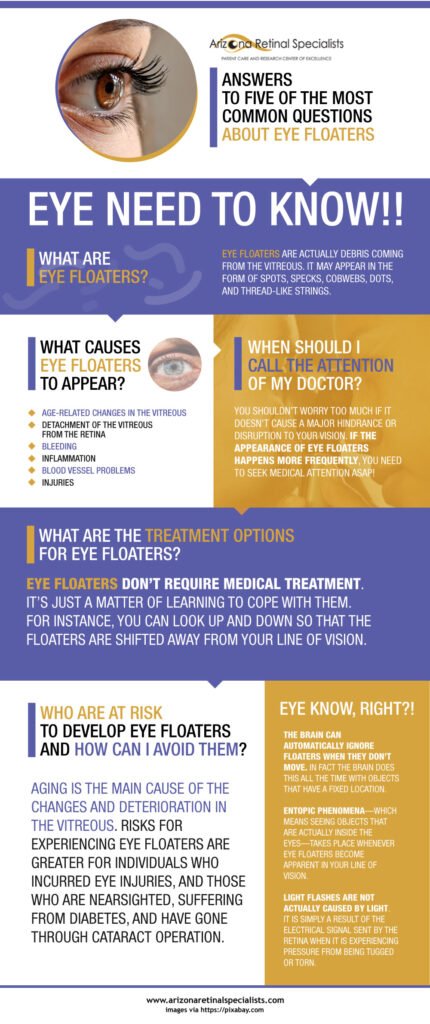
Eye floaters are a common occurrence and can be caused by various factors. These factors include age-related changes in the vitreous, eye injuries and trauma, retinal tears or detachments, eye infections or inflammation, as well as certain medical conditions and diseases.
Age-related changes in vitreous
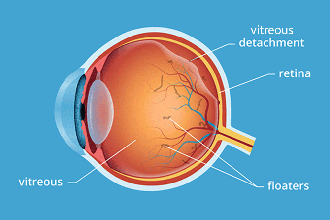
As you age, the vitreous, which is the gel-like substance that fills the inside of your eye, can undergo changes. These changes can cause the vitreous to shrink and become more liquid, leading to the formation of floaters. Age-related changes in the vitreous are one of the most common causes of eye floaters.
Eye injuries and trauma
Any injury or trauma to the eye can cause floaters to appear. This can include direct injury to the eye or even indirect trauma, such as whiplash. Injuries can disrupt the vitreous and cause it to separate from the retina, leading to the formation of floaters.
Retinal tears or detachments
Retinal tears or detachments can also cause eye floaters. When the retina is torn or detached, it can create traction on the vitreous, resulting in the appearance of floaters. If you notice a sudden onset of floaters accompanied by flashes of light, it is important to seek immediate medical attention, as this could be a sign of a retinal tear or detachment, which requires prompt treatment.
Eye infections or inflammation
Eye infections or inflammation, such as uveitis, can cause floaters to develop. Infections or inflammation in the eye can lead to changes in the consistency of the vitreous, resulting in the appearance of floaters. These floaters may be accompanied by other symptoms, such as redness, pain, or blurred vision.
Medical conditions and diseases
Certain medical conditions and diseases can also contribute to the development of eye floaters. Conditions such as diabetes, hypertension, and autoimmune diseases can increase the risk of floaters. Additionally, conditions that affect the overall health of the eye, such as macular degeneration, can lead to the formation of floaters.
Risk Factors for Eye Floaters
While anyone can experience eye floaters, certain risk factors may increase your likelihood of developing them. These risk factors include:
Age
As mentioned earlier, age-related changes in the vitreous are one of the primary causes of eye floaters. Therefore, as you get older, your risk of developing floaters increases.
Nearsightedness
Individuals who are nearsighted, or have myopia, may be at a higher risk of developing eye floaters. This is because nearsightedness is associated with changes in the vitreous, which can lead to the formation of floaters.
Eye surgery
Undergoing eye surgery, such as cataract surgery or vitrectomy, can increase the risk of developing floaters. These procedures can disrupt the vitreous and lead to the formation of floaters.
Diabetes
Diabetes is a systemic condition that can affect various parts of the body, including the eyes. Individuals with diabetes may be at a higher risk of developing floaters due to changes in the vitreous caused by the disease.
Eye inflammation or infection
People who have a history of eye inflammation or infection, such as uveitis or conjunctivitis, may be more prone to developing eye floaters. These conditions can lead to changes in the vitreous, which can result in the appearance of floaters.
Family history
If you have a family history of eye floaters, you may have an increased risk of developing them yourself. Although the exact reasons for this are not fully understood, genetics may play a role in the development of floaters.

Symptoms of Eye Floaters
Eye floaters are characterized by the presence of floating specks, spots, cobwebs, or flashes of light in your field of vision. Some common symptoms of eye floaters include:
Floaters
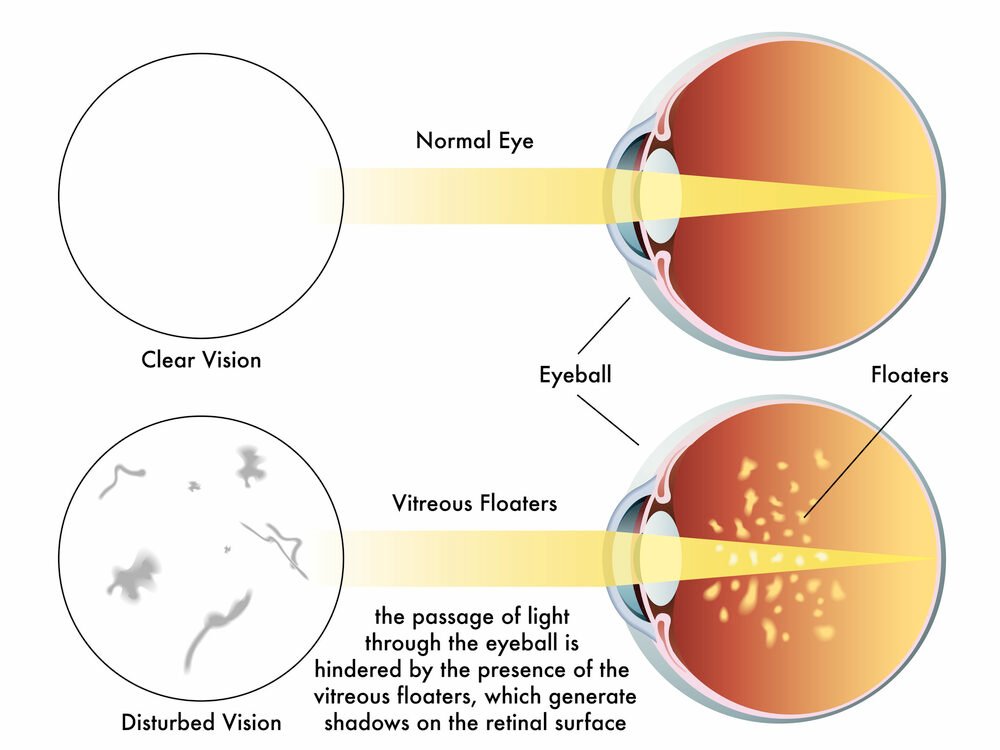
Floaters are small, dark specks or dots that seem to float across your visual field. They can appear as blurry spots, threads, or cobwebs and are most noticeable when looking at a plain background, such as a white wall or a clear blue sky.
Spots
Eye floaters can also appear as small, round spots, similar to tiny bubbles or specks. These spots can move around and change position as you shift your gaze.
Cobwebs
Floaters may also resemble cobwebs or tangled threads, causing these wispy shapes to appear in your field of vision. They can be distracting and affect your ability to focus on objects.
Flashes of light
In some cases, eye floaters may be accompanied by flashes of light. These flashes can appear as brief, bright streaks or as flickering lights in your peripheral vision. Flashes of light may occur when the vitreous pulls or tugs on the retina, stimulating the nerve cells and creating the sensation of light.
Shadows
Eye floaters can cast shadows on your retina, leading to the perception of dark spots or blurred patches in your vision. These shadows may appear when floaters block the passage of light entering your eye.
Diagnosing Eye Floaters
If you are experiencing persistent or bothersome floaters, it is important to seek an evaluation from an eye care professional. The diagnosis of eye floaters typically involves a comprehensive eye examination and additional tests to assess the health of your eyes.
Comprehensive eye examination
During a comprehensive eye examination, your eye doctor will evaluate your overall eye health. This may include examining the structures of your eye, checking your visual acuity, and assessing your intraocular pressure.
Visual acuity test
A visual acuity test measures the clarity of your vision at different distances. You will be asked to read letters or numbers from a standardized eye chart to determine the quality of your visual acuity.
Slit-lamp examination
A slit-lamp examination allows your eye doctor to view the structures of your eyes in detail. This examination involves using a specialized microscope with a bright light to examine your cornea, iris, lens, and vitreous for any abnormalities.
Retinal examination
A retinal examination is performed to assess the health of your retina, which lines the back of your eye. Your eye doctor may use a combination of techniques, such as direct and indirect ophthalmoscopy, to examine the retina for any signs of damage, tears, or detachments.
Ultrasound imaging
In some cases, your eye doctor may recommend ultrasound imaging to obtain a more detailed view of the structures within your eye. This imaging technique uses high-frequency sound waves to create images of your eye’s internal structures, providing valuable information about the vitreous and retina.
Treatment Options for Eye Floaters
In most cases, eye floaters do not require treatment and can be tolerated without significant impact on daily life. However, if floaters are causing significant visual disturbances or are associated with other eye conditions, treatment options may be considered. Some treatment options for eye floaters include:
Observation and monitoring
If your eye floaters are not causing any significant symptoms or impairing your vision, observation and monitoring may be recommended. Regular eye examinations can be scheduled to monitor any changes in the appearance or severity of floaters.
Surgery
Surgical intervention may be considered for severe cases of eye floaters that significantly impact visual function. Two surgical options, vitrectomy and vitreolysis, may be performed to remove or reduce the presence of floaters.
Laser treatment
Laser treatment, known as laser vitreolysis, can be used to break down or vaporize larger floaters. This procedure involves directing a laser beam at the floaters to either dissolve them or reduce their size.
Vitreolysis
Vitreolysis is a minimally invasive procedure that uses laser energy to target and break down floaters. This procedure can be performed in an outpatient setting using a special laser device. Vitreolysis is most effective for floaters that are located away from the central vision.
Vitrectomy
Vitrectomy is a surgical procedure that involves the removal of the vitreous gel from the eye. During the procedure, the vitreous gel is replaced with a saline solution or a gas bubble. Vitrectomy is typically considered for more severe cases of eye floaters that significantly affect vision.
Observation and Monitoring
For many individuals, eye floaters do not require immediate treatment and can be managed through observation and monitoring. Under the guidance of an eye care professional, you can learn to live with eye floaters while keeping an eye out for any notable changes or worsening of symptoms.
Explanation and reassurance
One of the key aspects of observation and monitoring is obtaining an explanation and reassurance from your eye care professional. Understanding the nature of eye floaters and knowing that they are usually harmless can provide peace of mind and help alleviate any anxieties related to the condition.
Notable changes or worsening
While eye floaters are often benign, it is important to be vigilant for any notable changes or worsening of symptoms. If you experience a sudden increase in floaters, new floaters, or any other changes in your vision, it is advisable to seek immediate medical attention as these could be signs of more serious eye conditions.
Regular eye examinations
Regular eye examinations are an essential part of monitoring eye floaters. By scheduling routine visits with your eye care professional, any changes in the appearance, size, or severity of floaters can be detected and addressed in a timely manner.
Surgery for Eye Floaters
In cases where eye floaters significantly impact vision or quality of life, surgical intervention may be considered. Two surgical options for the treatment of eye floaters are vitrectomy and vitreolysis.
Vitrectomy
Vitrectomy is a surgical procedure that involves the removal of the vitreous gel from the eye. This procedure is typically performed under local or general anesthesia and involves making small incisions in the eye to access the vitreous. Once the vitreous is removed, it is replaced with a saline solution, gas bubble, or silicone oil.
Vitreolysis
Vitreolysis is a laser-based procedure that aims to break down and dissolve floaters within the eye. During the procedure, a special laser device is used to deliver targeted laser energy to the floaters. The laser energy breaks down the floaters into smaller particles that are eventually absorbed by the eye.
Vitrectomy for Eye Floaters
Vitrectomy is a surgical procedure that may be recommended for severe cases of eye floaters that significantly impair vision or quality of life. This procedure involves the removal of the vitreous gel from the eye, which often contains the floaters causing visual disturbances.
Procedure
During a vitrectomy, small incisions are made in the eye to allow the surgeon to access the vitreous. The vitreous gel is then carefully removed using specialized instruments, such as a vitrectomy probe. Once the vitreous is removed, it may be replaced with a saline solution, gas bubble, or silicone oil to maintain the shape of the eye.
Benefits
Vitrectomy can offer several benefits for individuals with severe eye floaters. By removing the vitreous gel, the presence of floaters is reduced or eliminated, resulting in improved vision and a reduction in visual disturbances. This can enhance daily activities and overall quality of life.
Risks and complications
Like any surgical procedure, vitrectomy carries certain risks and potential complications. These can include infection, bleeding, retinal tears, cataract formation, increased eye pressure, and retinal detachment. It is essential to discuss these risks with your surgeon and follow any pre- and post-operative instructions to minimize the risk of complications.
Recovery
Recovery from vitrectomy can vary from person to person. Following the procedure, your surgeon will provide specific instructions regarding eye care, medication use, and activity restrictions. It is important to adhere to these instructions to optimize healing and reduce the risk of complications. It may take several weeks to fully recover, and regular follow-up visits with your surgeon will be necessary to monitor your progress.

Vitreolysis for Eye Floaters
Vitreolysis is a minimally invasive laser procedure that aims to reduce the presence of eye floaters. This procedure can be performed in an outpatient setting and offers a non-surgical alternative to vitrectomy.
Procedure
During vitreolysis, a special laser device is used to deliver targeted laser energy to the floaters within the eye. The laser energy breaks down the floaters into smaller particles that can be more easily absorbed by the eye. The procedure is typically well-tolerated and does not require any incisions.
Benefits
Vitreolysis offers several benefits for individuals with eye floaters. The procedure is quick, typically taking around 10 to 20 minutes, and allows for a rapid recovery compared to surgery. Vitreolysis can significantly reduce or eliminate the presence of floaters, improving visual clarity and reducing visual disturbances.
Risks and complications
While vitreolysis is considered safe and effective, there are some risks and potential complications associated with the procedure. These can include temporary or permanent damage to the retina, cataract formation, eye inflammation, and increased intraocular pressure. It is important to discuss these risks with your eye care professional before deciding on vitreolysis as a treatment option.
Recovery
Recovery from vitreolysis is generally quick and well-tolerated. You may experience some mild discomfort or sensitivity to light in the immediate post-operative period, but these symptoms typically subside within a few days. It is important to follow your eye care professional’s post-operative instructions, including any prescribed eye drops or medications, to ensure optimal healing and minimize the risk of complications.
Prevention of Eye Floaters
While it may not be possible to completely prevent the development of eye floaters, certain measures can be taken to maintain eye health and reduce the risk of floaters.
Maintaining a healthy lifestyle
Maintaining a healthy lifestyle can help promote eye health and reduce the risk of eye floaters. This includes eating a balanced diet rich in fruits and vegetables, maintaining a healthy weight, exercising regularly, and avoiding smoking.
Protecting your eyes
Taking steps to protect your eyes from injury can also reduce the risk of eye floaters. This can be achieved by wearing appropriate eye protection, such as safety glasses or goggles, during activities that pose a risk of eye injury. Additionally, practicing good eye hygiene, such as avoiding rubbing your eyes excessively or aggressively, can help prevent eye trauma and potential floaters.
Regular eye examinations
Regular eye examinations are crucial for maintaining eye health and detecting any potential issues, including eye floaters. Routine visits to an eye care professional can help identify floaters early on and allow for prompt intervention if necessary. It is recommended to follow the recommended schedule for comprehensive eye examinations based on your age and individual risk factors.
In conclusion, eye floaters can be caused by various factors, including age-related changes in the vitreous, eye injuries and trauma, retinal tears or detachments, eye infections or inflammation, as well as certain medical conditions and diseases. While anyone can develop eye floaters, certain risk factors, such as age, nearsightedness, eye surgery, diabetes, eye inflammation or infection, and family history, may increase the likelihood of experiencing them. Even though floaters are generally harmless, they can cause visual disturbances. Diagnosis of eye floaters involves a comprehensive eye examination, visual acuity test, slit-lamp examination, retinal examination, and potentially ultrasound imaging. Treatment for eye floaters can include observation and monitoring, surgery (vitrectomy or vitreolysis), laser treatment (laser vitreolysis), or maintaining a healthy lifestyle and regular eye examinations for prevention. Ultimately, the appropriate treatment option will depend on the severity of the floaters and the impact on visual function. If you are experiencing persistent or bothersome eye floaters, it is important to consult with an eye care professional for an accurate diagnosis and personalized treatment plan.