
Imagine sitting outside on a warm summer day, enjoying the view, when suddenly you notice tiny specks floating in your field of vision. These specks, known as eye floaters, are a common occurrence for many people and are usually harmless. However, alongside these floaters, you may also experience occasional flashes of light in your eyes. While eye flashes may seem like a cause for concern, they are often harmless as well. In this article, we will explore the science behind eye flashes, including their causes and prevention methods. By understanding the underlying mechanisms, we can alleviate any worries and ensure our eyes stay healthy and vibrant.
What are Eye Flashes?
Definition of Eye Flashes
Eye flashes, also known as floaters, are visual phenomena that appear as flickering lights, glimmers, or bright streaks within your field of vision. These seemingly random flashes of light are typically experienced in one or both eyes, and they can be unsettling or alarming if you’re not familiar with the causes. Understanding the factors that contribute to eye flashes is essential for proper diagnosis and treatment.
Difference between Eye Flashes and Eye Floaters
While both eye flashes and eye floaters are common visual disturbances, there are some notable differences between the two. Eye floaters are small, dark, and shadowy spots that float across your line of sight, often resembling tiny specks or cobwebs. On the other hand, eye flashes manifest as brief bursts of light or sparks and are characterized by their quick and sudden appearance. While eye floaters are typically harmless and only a minor inconvenience, eye flashes may indicate an underlying eye condition that requires medical attention.
Causes of Eye Flashes
Vitreous Detachment
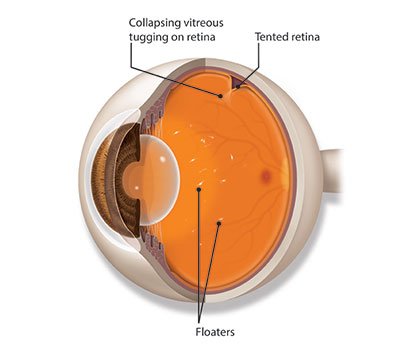
Vitreous detachment occurs when the gel-like substance in the back of your eye called the vitreous begins to shrink and separate from the retina. As this separation occurs, it can tug on the retina, resulting in the perception of flashes of light. Vitreous detachment is a natural age-related process and typically benign, but it can also lead to more serious complications such as retinal detachment.
Retinal Detachment
Retinal detachment is a condition characterized by the separation of the retina from the underlying tissue. This serious condition can cause a sudden onset of eye flashes, along with other symptoms such as floaters, blurred vision, and a curtain-like shadow over your field of view. If you experience eye flashes alongside these symptoms, seek immediate medical attention, as retinal detachment requires prompt surgical intervention to prevent permanent vision loss.
Migraine
Migraines are severe headaches that are often accompanied by various visual disturbances, including eye flashes. Migraine-related eye flashes, known as visual auras, typically occur before or during a migraine attack. They can manifest as shimmering lights, zigzag lines, or temporary blind spots in your vision. Although not life-threatening, migraines can significantly impact your quality of life, and understanding the triggers and treatment options is crucial for managing this condition.
Posterior Vitreous Detachment
Posterior vitreous detachment (PVD) is a common condition that occurs when the vitreous gel separates from the retina at the back of the eye. PVD can lead to the perception of eye flashes, along with other symptoms such as floaters and mild blurred vision. While PVD is generally harmless and resolves on its own, it’s important to have regular eye exams to monitor any potential complications, such as retinal tears or detachment.
Trauma or Injury
Physical trauma or injury to the eye can also cause eye flashes. The forceful impact or injury may disrupt the vitreous or retina, leading to flashes of light. If you experience eye flashes after an accident or injury, it is crucial to seek immediate medical attention to assess the extent of the damage and prevent further complications.
Retinal Tear
A retinal tear occurs when the delicate retina tears, and fluid from the vitreous seeps through, causing visual disturbances such as eye flashes. These flashes of light may appear as bright sparks or flashes in your field of vision. Retinal tears require prompt medical intervention to prevent retinal detachment, which could result in permanent vision loss.
Nutritional Deficiencies
Certain nutritional deficiencies can also contribute to eye flashes. Inadequate intake or absorption of essential nutrients, such as vitamin C, vitamin E, zinc, or omega-3 fatty acids, can affect the health of your eyes and potentially lead to visual disturbances. Maintaining a balanced diet and considering supplementation under the guidance of a healthcare professional can help prevent these deficiencies and reduce the risk of eye flashes.
Medications and Drugs
Some medications and drugs have been linked to visual disturbances, including eye flashes. Certain antidepressants, antipsychotics, and drugs that affect blood pressure or blood sugar levels may have side effects that impact your vision. If you notice any concerning changes in your vision after starting a new medication, consult with your healthcare provider.
Diabetic Retinopathy
Diabetic retinopathy is a complication of diabetes that affects the blood vessels in the retina. As the condition progresses, it can lead to the perception of eye flashes, along with other symptoms such as blurred vision, dark spots, and eventual vision loss. Maintaining optimal blood sugar control and regular eye examinations are vital for managing diabetic retinopathy and minimizing the risk of complications.
Other Causes
In some cases, eye flashes may occur without any identifiable cause or as a result of less common conditions such as ocular migraines, optic neuritis, or certain tumors affecting the visual pathways. It is important to consult with an eye care professional if you experience persistent or concerning eye flashes to determine the underlying cause and appropriate treatment.
Understanding Vitreous Detachment
Explanation of Vitreous Detachment
Vitreous detachment occurs when the vitreous gel inside the eye starts to pull away from the retina. This process is a natural part of aging and occurs in most people over the age of 50. As the vitreous separates from the retina, it can tug on the delicate nerve cells, resulting in a sensation of eye flashes. The phenomenon is caused by the stimulation of the retina as the vitreous moves.
Symptoms
The primary symptom of vitreous detachment is the perception of eye flashes. These flashes can vary in appearance, ranging from white or silver streaks to colored lights. Other common symptoms include the sudden onset of floaters, which are small specks or threads that appear to float across your field of vision, along with mild blurring or haziness. It is important to note that vitreous detachment itself is generally harmless, but it can increase the risk of more serious conditions such as retinal tears or detachment.
Risk Factors
The risk of vitreous detachment increases with age, as the natural aging process leads to changes in the consistency of the vitreous gel. Additionally, individuals who are nearsighted (myopia) or have undergone certain eye surgeries, such as cataract removal, are also at a higher risk. If you have a family history of vitreous detachment or have experienced trauma to the eye, your risk may also be elevated.
Treatment Options
In most cases, vitreous detachment requires no specific treatment. The flashes and floaters associated with the condition often dissipate on their own as the vitreous fully separates from the retina. However, it is important to have regular eye exams to monitor for any complications such as retinal tears or detachment. If you experience a sudden increase in eye flashes, the sudden onset of a large number of floaters, or any significant changes in vision, consult with an eye care professional for further evaluation.
Retinal Detachment and Eye Flashes
Overview of Retinal Detachment
Retinal detachment is a serious eye condition characterized by the separation of the retina from the underlying tissue. When the retina detaches, it is no longer able to receive the necessary oxygen and nutrients from the blood vessels, leading to potential vision loss if not promptly treated. Eye flashes are one of the hallmark symptoms of retinal detachment, accompanied by other warning signs such as the sudden appearance of floaters, blurred vision, and the perception of a curtain-like shadow over part of your visual field.
Relationship with Eye Flashes
Eye flashes often occur before or during the onset of retinal detachment. The flashes result from the traction caused by the separated or torn retina as it moves or flutters within the eye. These flashes may be perceived as brief bursts of light or sparks and are typically described as occurring in the peripheral vision. If you experience eye flashes alongside other retinal detachment symptoms, it is crucial to seek immediate medical attention, as retinal detachment requires surgical intervention to reattach the retina and prevent permanent vision loss.
Symptoms
In addition to eye flashes, retinal detachment presents with several other noticeable symptoms. These include the sudden or gradual onset of floaters, which may appear as tiny dots, specks, or cobweb-like threads that drift across your visual field. You may also experience blurred or distorted vision, reduced peripheral vision, or the sensation of a shadow or curtain that impairs part of your sight. Some individuals may also notice a decline in visual acuity, making it difficult to see fine details or read.
Cautionary Signs
While eye flashes are commonly associated with retinal detachment, it is essential to be aware of other signs that warrant immediate medical attention. If you notice a sudden increase in the number of floaters, particularly in conjunction with flashes of light, it could indicate retinal tears or detachment. Additionally, a steady decline in vision or the presence of a significant shadow or curtain-like obstruction requires immediate evaluation by an eye care professional.
Treatment for Retinal Detachment
Retinal detachment is an emergency condition that requires prompt surgical intervention to reattach the retina and restore its proper function. The specific treatment method will depend on the severity and location of the detachment. Surgery may involve laser therapy, cryotherapy (freezing), pneumatic retinopexy (using a gas bubble), or scleral buckling (placing a band around the eye). Early detection and swift treatment provide the best chance of restoring or preserving your vision.

Migraines and Their Connection to Eye Flashes
Definition of Migraines
Migraines are severe headaches that can cause intense pain, throbbing sensations, and a range of other symptoms. They are often accompanied by visual disturbances known as auras. Migraines can be classified into two main subtypes: migraines without aura and migraines with aura. Migraine auras refer to a specific type of visual disturbance that precedes or accompanies a migraine attack.
Migraine with Aura
Migraine with aura is a type of migraine that involves visual disturbances occurring before or during the headache phase. These visual auras can manifest as various symptoms, including eye flashes. Migraine-related eye flashes are typically described as flickering lights, zigzag patterns, or shimmering stars that move across the visual field. These visual phenomena can last anywhere from a few minutes to an hour, and they are often followed by the onset of a headache.
Symptoms of Migraine-Related Eye Flashes
In addition to eye flashes, individuals experiencing migraines with aura may also encounter other visual symptoms. These can include blind spots, temporary loss of peripheral vision, wavy or jagged lines, or the perception of flashing or twinkling lights. These symptoms are usually transient and gradually resolve as the migraine attack progresses.
Treatment and Prevention of Migraine-Related Eye Flashes
Managing migraines and the associated eye flashes often involves a combination of lifestyle modifications and medical interventions. Lifestyle changes may include identifying and avoiding triggers such as certain foods, stress, or environmental factors that can provoke migraines. Additionally, practicing stress-management techniques, maintaining regular sleep patterns, and engaging in regular exercise can help reduce the frequency and severity of migraines. Medications, both acute and preventive, may also be prescribed by a healthcare professional to manage migraines and minimize the occurrence of associated eye flashes.
Posterior Vitreous Detachment and Eye Flashes
Explanation of Posterior Vitreous Detachment
Posterior vitreous detachment (PVD) is a common age-related condition that occurs when the vitreous gel shrinks and separates from the retina, beginning at the back of the eye. This natural process takes place as a result of aging, causing the vitreous to become more liquid-like and less gel-like. PVD is typically harmless but can lead to the perception of eye flashes. As the vitreous detaches, it can create traction on the retina, stimulating the perception of flashes of light.
Symptoms and Risk Factors
The primary symptom of PVD is the perception of eye flashes. These flashes can appear as brief bursts of light, sparks, or streaks and are often seen more prominently against a well-lit background. Other symptoms associated with PVD include an increase in the number of floaters and mild blurring of vision. Although PVD is a normal aging process and generally resolves itself without treatment, certain risk factors, such as high myopia (nearsightedness) or a history of eye surgery, may increase the likelihood of complications.
Treatment Options
In most cases, no specific treatment is required for PVD, as the condition typically resolves on its own over the course of several weeks or months. However, it is important to have regular eye exams to monitor for any potential complications such as retinal tears or detachment. Should any concerning symptoms or changes in vision occur, it is crucial to consult with an eye care professional for a comprehensive evaluation.
Prognosis
The prognosis for PVD is generally favorable, as most cases do not result in serious complications. The eye flashes associated with PVD usually diminish over time as the separation of the vitreous from the retina stabilizes. However, it is essential to remain vigilant and promptly seek medical attention if any new or concerning symptoms develop, as they may indicate a more severe underlying condition that requires intervention.
Effects of Trauma and Injury
Impact on Vision
Trauma or injury to the eye can have significant consequences for vision and may lead to the perception of eye flashes. When the eye experiences physical trauma, such as being hit with force or sustaining an injury, it can disrupt the delicate structures within the eye, including the retina and vitreous. This disruption can result in stimulation of the retina, leading to the perception of flashes of light.
Symptoms of Eye Flashes after Trauma
If you experience eye flashes following trauma or injury, it is important to be aware of additional symptoms that may indicate the need for medical attention. These symptoms can include a sudden increase in the number of floaters, a significant decrease in vision, the appearance of black curtains or shadows in your visual field, or persistent eye pain. Prompt evaluation by an eye care professional is essential to ensure timely treatment and prevent potential complications.
Immediate Steps
If you sustain trauma or injury to your eye and experience eye flashes, it is crucial to seek immediate medical attention. While waiting for medical help, avoid rubbing or applying pressure to the affected eye and try to keep it as still as possible. Applying a cold compress to the eye can help reduce swelling and minimize discomfort. Avoiding any activities that could cause further damage or exacerbate symptoms is also advised.
Medical Assessment and Treatment
Upon seeking medical attention, an eye care professional will conduct a thorough examination to assess the extent of the trauma and any potential damage to the eye. This assessment may involve visual acuity tests, imaging scans, or other specialized tests to evaluate the structures within the eye. The specific treatment will depend on the severity and nature of the injury, ranging from conservative management to surgical intervention to repair any damage.
Retinal Tear and Its Association with Eye Flashes
Understanding Retinal Tears
A retinal tear occurs when the delicate tissue of the retina develops a small break or split. This tear allows fluid from the vitreous to seep through, leading to visual disturbances such as eye flashes. Retinal tears can occur spontaneously, but they are often associated with certain risk factors, such as aging, previous eye surgeries, or trauma to the eye. Prompt diagnosis and treatment of retinal tears are essential to prevent further complications, such as retinal detachment.
Symptoms and Warning Signs
Eye flashes are one of the primary symptoms associated with retinal tears. These flashes of light may appear as brief sparks or bright streaks, often occurring suddenly and seemingly out of nowhere. Other warning signs of retinal tears include an increase in the number of floaters, a sudden decrease in vision, or the perception of a dark shadow or curtain obscuring part of your visual field. If you experience any of these symptoms, it is crucial to seek immediate medical attention for further evaluation.
Diagnosis and Treatment
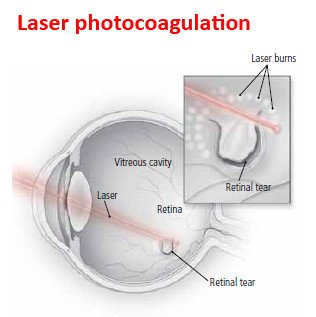
To diagnose a retinal tear, an eye care professional will perform a thorough examination, which may include dilating the pupils for a better view of the retina. They may also employ other diagnostic tools such as ultrasound imaging or optical coherence tomography (OCT). Treatment for retinal tears typically involves sealing the tear with laser or cryotherapy to prevent fluid leakage. If the tear has progressed to retinal detachment, surgical intervention will be necessary to reattach the retina.
Complications and Follow-up Care
Following treatment for a retinal tear, it is important to adhere to any post-operative instructions provided by your healthcare provider. This may include using prescribed eye drops, avoiding activities that increase intraocular pressure (such as heavy lifting or straining), and attending scheduled follow-up appointments. Regular follow-up care is crucial to monitor for any complications, ensure proper healing, and address any concerns or changes in your vision.

Nutritional Deficiencies and Eye Flashes
Role of Nutrition in Eye Health
Proper nutrition plays a vital role in maintaining healthy vision. Certain nutrients, such as vitamins, minerals, and antioxidants, are essential for supporting the overall health of the eyes. These nutrients protect against oxidative damage, strengthen the blood vessels, and maintain the integrity of the retinal tissues. Inadequate intake of these essential nutrients can contribute to various eye conditions, including the perception of eye flashes.
Deficiencies Leading to Eye Flashes
Several nutritional deficiencies have been linked to visual disturbances, including eye flashes. Inadequate levels of vitamin C, vitamin E, zinc, or omega-3 fatty acids can impact the health and function of the eyes. Vitamin C and vitamin E provide antioxidant protection, while zinc plays a crucial role in maintaining the structural integrity of the retina. Omega-3 fatty acids are essential for proper retinal function and can reduce inflammation within the eyes. Deficiencies in these nutrients may increase the risk of eye flashes and other visual disturbances.
Prevention and Treatment
Preventing and treating nutritional deficiencies involves adopting a well-balanced diet rich in fruits, vegetables, whole grains, lean proteins, and healthy fats. Including foods such as citrus fruits, leafy greens, nuts, seeds, fish, and fortified dairy products can help ensure an adequate intake of essential nutrients for eye health. In cases where dietary changes are insufficient, supplementing under the guidance of a healthcare professional may be beneficial to address specific deficiencies and support overall eye health.
Recommended Nutrients for Eye Health
While a comprehensive diet is essential for overall eye health, certain nutrients have demonstrated specific benefits for preventing eye flashes and maintaining optimal vision. These include:
- Vitamin C: Found in citrus fruits, strawberries, bell peppers, and broccoli, vitamin C is a potent antioxidant that can protect the eyes against oxidative damage.
- Vitamin E: Nuts, seeds, spinach, and fortified cereals are excellent sources of vitamin E, which supports retinal health and reduces the risk of eye flashes.
- Zinc: Oysters, lean meats, poultry, beans, and fortified cereals are rich in zinc, an essential mineral that helps maintain the structural integrity of the retina.
- Omega-3 Fatty Acids: Fatty fish such as salmon, mackerel, and tuna, as well as flaxseeds and walnuts, are abundant in omega-3 fatty acids. These nutrients promote retinal health and reduce inflammation within the eyes.
Ensuring an adequate intake of these nutrients through a balanced diet can contribute to the prevention of nutritional deficiencies and reduce the risk of eye flashes.
Preventing Eye Flashes
Maintaining Eye Health
Maintaining optimal eye health is key to preventing eye flashes and other visual disturbances. Practicing good eye hygiene and adopting healthy habits can help protect your eyes and reduce the risk of developing conditions that lead to eye flashes. Some tips for maintaining eye health include:
- Practicing good hygiene, such as regularly washing hands and avoiding touching or rubbing the eyes unnecessarily.
- Protecting your eyes from harmful UV rays by wearing sunglasses with 100% UV protection whenever you are outdoors.
- Taking regular breaks from screens and practicing the 20-20-20 rule (looking at something 20 feet away for 20 seconds every 20 minutes) to reduce eye strain.
- Keeping your eyes well lubricated by using artificial tears or lubricating eye drops if you experience dryness or discomfort.
- Avoiding smoking and limiting alcohol consumption, as these habits can negatively impact overall eye health.
Regular Eye Exams
Regular eye exams are essential for monitoring the health of your eyes and detecting any changes or conditions that may lead to eye flashes. Eye care professionals can identify underlying issues, provide early intervention, and offer appropriate treatment to address the underlying causes of eye flashes. It is recommended to have a comprehensive eye exam at least once every two years, or as recommended by your eye care provider.
Promoting Overall Health
Maintaining good overall health plays a significant role in preserving eye health and preventing visual disturbances such as eye flashes. The following lifestyle choices can support both your general well-being and the health of your eyes:
- Eating a balanced diet rich in fruits, vegetables, whole grains, lean proteins, and healthy fats.
- Engaging in regular exercise to promote circulation and general wellness.
- Managing stress through relaxation techniques, such as deep breathing, meditation, or yoga.
- Getting adequate sleep, as restful sleep is important for overall health, including eye health.
- Avoiding prolonged exposure to environmental hazards, such as excessive sunlight, pollutants, and harmful chemicals.
Protecting the Eyes
Protecting your eyes from potential injury or damage is crucial for preventing eye flashes and maintaining good visual health. Certain precautions can help minimize the risk of eye-related trauma and avoid situations that may lead to eye flashes:
- Wearing appropriate eye protection when participating in sports or engaging in activities that pose a risk of eye injury.
- Using protective eyewear, such as safety glasses or goggles, when working in environments with airborne particles, chemicals, or potential eye hazards.
- Taking caution when handling sharp objects or engaging in activities that involve projectiles or projectiles.
- Avoiding activities that increase the risk of eye trauma, such as rough contact sports without proper eye protection.
Managing Risk Factors
Understanding and managing the risk factors associated with eye flashes can significantly reduce the likelihood of experiencing visual disturbances. Some risk factors, such as age and certain pre-existing eye conditions, may be beyond your control. However, there are steps you can take to mitigate other risk factors:
- Maintaining blood sugar control if you have diabetes to reduce the risk of diabetic retinopathy.
- Managing high blood pressure and other systemic conditions to minimize the impact on eye health.
- Regularly monitoring and managing nearsightedness (myopia) with appropriate eyewear or corrective measures.
- Adhering to prescribed medications and regularly reviewing any potential side effects that may impact visual health.
- Avoiding or minimizing the use of drugs or substances known to affect vision or contribute to visual disturbances.
Treatment and Management of Underlying Conditions
Seeking appropriate medical care and following treatment plans for underlying conditions associated with eye flashes is crucial for prevention and management. Whether it is diabetes, high blood pressure, or a specific eye condition, such as vitreous detachment or retinal tear, adhering to recommended treatments and regularly attending follow-up appointments can help minimize the risk and impact of eye flashes.
By prioritizing eye health, addressing potential risk factors, and seeking timely medical attention for any concerns or changes in vision, you can actively prevent or manage eye flashes and maintain optimal visual well-being.
In conclusion, eye flashes are visual phenomena that can have various causes, ranging from natural age-related changes in the eye to potential eye injuries or systemic conditions. Understanding the underlying causes, recognizing associated symptoms, and seeking appropriate medical attention are essential for accurate diagnosis and timely treatment. By taking steps to maintain overall eye health, adopting healthy habits, and managing risk factors, you can reduce the likelihood of experiencing eye flashes and promote long-lasting visual wellness. Remember to prioritize regular eye exams, practice good eye hygiene, and seek professional guidance for any concerns related to your vision.