
Imagine a world where you never felt tired, where fatigue was nothing but a distant memory. Sounds like a dream, doesn’t it? Well, get ready to embark on an enlightening journey as we explore “The Science of Fatigue.” In this article, we will uncover the fascinating mechanisms behind this ever-present force in our lives and discover how our bodies and minds respond to the daily battle against weariness. Get ready to learn and be amazed by the incredible science behind fatigue!
1. Overview of Fatigue
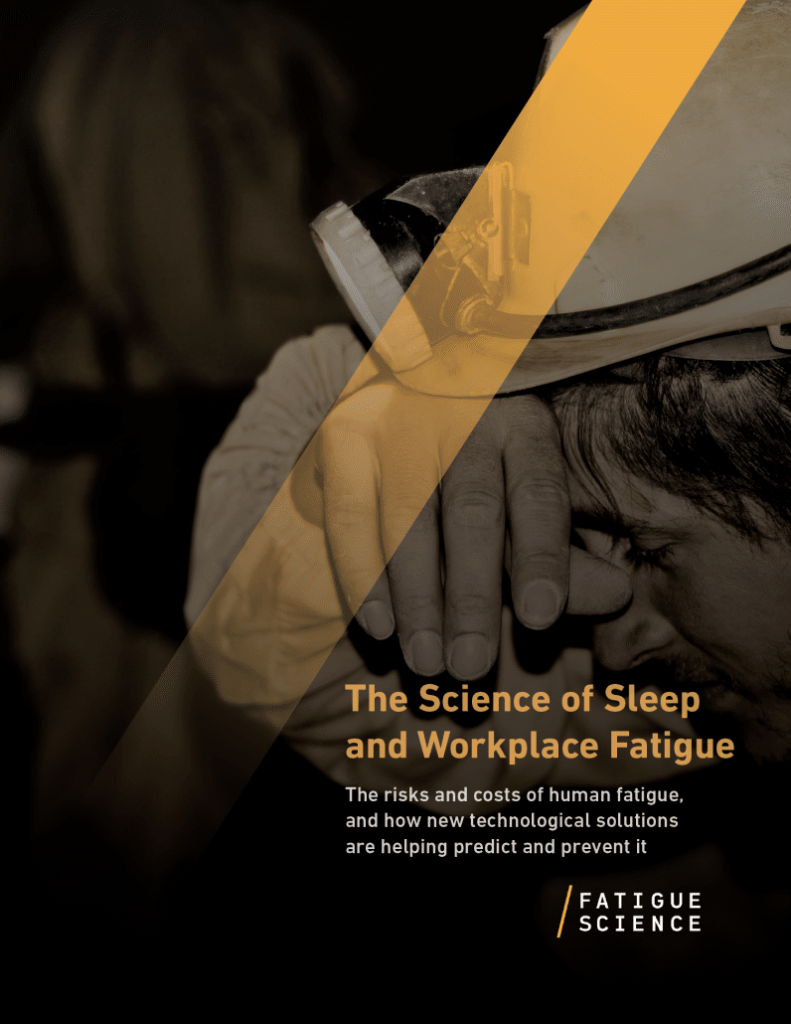
Fatigue is a common condition that affects people of all ages and backgrounds. It is characterized by a persistent feeling of tiredness, lack of energy, and decreased motivation to perform daily tasks. While everyone experiences fatigue from time to time, chronic fatigue can have a significant impact on both physical and mental health. Understanding the causes and effects of fatigue is essential in order to effectively manage and combat this condition.
Causes of Fatigue
Fatigue can have a variety of causes, ranging from lifestyle factors to medical conditions. Poor sleep habits, such as insufficient sleep or disturbed sleep, are common culprits of fatigue. Inadequate nutrition, including a diet lacking in essential nutrients, can also contribute to fatigue. Other factors that may cause fatigue include physical inactivity, chronic pain, certain medications, and underlying medical conditions such as anemia, thyroid disorders, or autoimmune diseases.
Impact of Fatigue on Physical and Mental Health
The impact of fatigue on both physical and mental health should not be underestimated. Physical fatigue can manifest as muscle weakness, decreased stamina, and difficulty performing everyday tasks. It can also weaken the immune system, making individuals more vulnerable to infections and illnesses. Mental fatigue, on the other hand, can impair cognitive function, resulting in decreased concentration, memory problems, and reduced productivity.
Definition of Fatigue
Fatigue can be defined as a state of extreme tiredness and lack of energy. It is different from normal tiredness, as it does not usually improve with rest and sleep. Fatigue can be acute, lasting for a short period of time, or chronic, persisting for weeks, months, or even longer. It is important to differentiate fatigue from other conditions such as sleepiness, laziness, or depression, as each requires specific approaches for management and treatment.
2. The Science behind Fatigue
Understanding the science behind fatigue is crucial in order to develop effective strategies for prevention and management. While fatigue is a complex phenomenon, involving a combination of biological, neuromuscular, and psychological factors, certain mechanisms play a significant role in the development and experience of fatigue.
Biological Basis of Fatigue
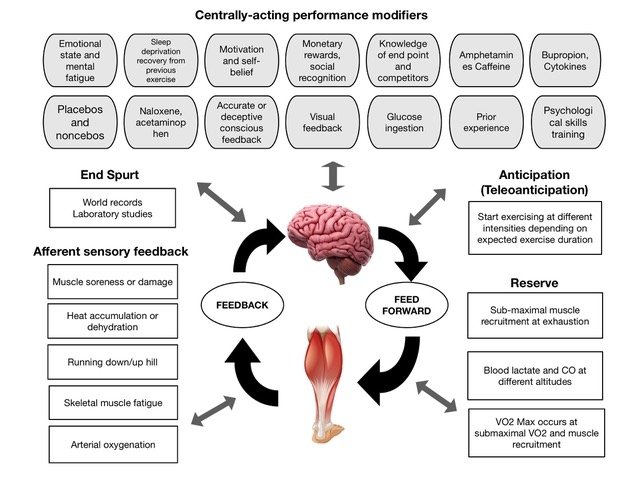
At its core, fatigue can be seen as a protective mechanism that prevents the body from overexertion and potential harm. It involves complex interactions between the brain, muscles, and nervous system. When the body is subjected to prolonged physical or mental exertion, it activates a cascade of physiological responses that lead to fatigue. This includes the release of stress hormones, increased oxidative stress, and alterations in neurotransmitter levels.
Neuromuscular Causes of Fatigue
Neuromuscular fatigue refers to a decrease in muscle force production and endurance due to the impairment of nerve-muscle interactions. During prolonged or intense exercise, the transmission of signals from the brain to the muscles can become compromised, resulting in decreased muscle performance. This can be caused by the depletion of energy substrates, build-up of metabolic byproducts, or changes in ion concentrations within the muscles.
Psychological Factors Influencing Fatigue
The relationship between psychological factors and fatigue is a complex one. While fatigue can lead to decreased motivation, increased irritability, and mood disturbances, psychological factors can also contribute to the development and persistence of fatigue. Stress, anxiety, and depression are known to increase susceptibility to fatigue, as they can disrupt sleep patterns, affect hormonal balance, and impair cognitive function.

3. Types of Fatigue
Fatigue can manifest in various forms, each with its own unique characteristics and underlying mechanisms. Understanding the different types of fatigue can help individuals identify and address their specific concerns.
Acute Fatigue
Acute fatigue is a temporary state of tiredness that occurs after a brief period of intense physical or mental activity. It is a normal response to exertion and typically resolves with rest and recovery. Examples of acute fatigue include feeling tired after a strenuous workout or after a long day of mentally demanding tasks.
Chronic Fatigue
Chronic fatigue, on the other hand, is a persistent and debilitating condition that lasts for longer periods of time, often months or even years. It is not relieved by rest and can significantly impact one’s quality of life. Chronic fatigue can be caused by a variety of factors, including underlying medical conditions, lifestyle factors, or a combination of both.
Physical Fatigue
Physical fatigue is characterized by a feeling of exhaustion and a decrease in physical performance. It is usually caused by prolonged physical exertion, repetitive motion, or inadequate rest and recovery. Physical fatigue can affect individuals engaging in both intense physical activities, such as athletes or manual laborers, as well as those with sedentary lifestyles who lack regular physical activity.
Mental Fatigue
Mental fatigue is a state of exhaustion and decreased cognitive function that occurs as a result of long periods of mental activity. It can be caused by tasks that require intense concentration, problem-solving, or creativity. Mental fatigue can lead to difficulties with memory, attention, and decision-making.
Emotional Fatigue
Emotional fatigue, also known as emotional exhaustion, is a state of extreme tiredness and depletion of emotional resources. It often occurs as a result of prolonged or chronic stress, interpersonal conflicts, or dealing with emotionally demanding situations. Emotional fatigue can lead to feelings of emptiness, irritability, and a reduced capacity to empathize with others.
4. Understanding Energy Systems
Understanding the body’s energy systems is essential in comprehending the mechanisms involved in the development and experience of fatigue. Energy production is a complex process that involves several interconnected systems and molecules.
Mitochondrial Function and Fatigue
Mitochondria are often referred to as the powerhouse of the cell, as they are responsible for producing the energy required for cellular function. Impairments in mitochondrial function can lead to decreased energy production, increased oxidative stress, and disruption of various bodily processes. This can contribute to fatigue and other health issues.
Adenosine Triphosphate (ATP) and Energy Production
Adenosine triphosphate (ATP) is the primary molecule responsible for storing and transferring energy within cells. When ATP is broken down, energy is released for the body to use. However, ATP stores within the body are limited, requiring the constant synthesis and recycling of ATP molecules. Dysregulation of ATP production, utilization, or recycling can result in fatigue.
Glycolysis and Fatigue
Glycolysis is a metabolic pathway that breaks down glucose to produce ATP. During intense or prolonged exercise, the body relies heavily on glycolysis to generate energy. However, this process also produces byproducts such as lactic acid and hydrogen ions, which can contribute to muscle fatigue and impairment.

5. Factors Affecting Fatigue
Various factors can influence the experience and severity of fatigue. Identifying and addressing these factors is important in order to effectively manage fatigue and improve overall well-being.
Sleep and Fatigue
Sleep plays a critical role in recovery and rejuvenation. Inadequate or disrupted sleep can lead to increased fatigue and decreased alertness during waking hours. It is essential to establish good sleep hygiene habits, which include practicing a consistent sleep schedule, creating a sleep-conducive environment, and adopting relaxation techniques before bedtime.
Nutrition and Fatigue
Nutrition plays a significant role in energy production and overall health. A diet lacking in essential nutrients can contribute to fatigue and impair bodily functions. It is important to consume a balanced diet that includes a variety of nutrient-dense foods. Adequate hydration is also crucial, as dehydration can contribute to feelings of fatigue.
Physical Activity and Fatigue
Regular physical activity is an important component of maintaining good health. However, excessive or inadequate physical activity can contribute to fatigue. Finding the right balance between rest and exercise is key. Engaging in activities that promote cardiovascular endurance, muscular strength, and flexibility can help improve energy levels and reduce fatigue.
6. Measuring Fatigue
Measuring fatigue is essential in order to assess its severity, track progress, and evaluate the effectiveness of interventions. Various subjective and objective measures, as well as fatigue assessment tools, exist for this purpose.
Subjective Measures of Fatigue
Subjective measures rely on self-reporting of fatigue levels. This can include assessments such as questionnaires, visual analog scales, or simple rating scales. Subjective measures provide valuable insights into an individual’s perception of their fatigue but can be subject to bias and variability.
Objective Measures of Fatigue
Objective measures involve the use of physiological or performance-based indicators to assess fatigue. Examples include heart rate variability, electromyography (EMG), or biochemical markers. Objective measures provide more quantitative data but may require specialized equipment or expertise.
Fatigue Assessment Tools
Various fatigue assessment tools have been developed to help individuals and healthcare professionals evaluate and assess fatigue. These tools often combine subjective and objective measures to provide a comprehensive overview of fatigue levels. Examples of fatigue assessment tools include the Fatigue Severity Scale (FSS), the Brief Fatigue Inventory (BFI), and the Profile of Mood States (POMS).

7. Strategies to Combat Fatigue
Managing fatigue involves implementing a multifaceted approach that addresses various lifestyle factors and adopts targeted interventions. Here are some strategies that can help combat fatigue.
Sleep Hygiene and Fatigue Management
Developing good sleep hygiene practices is essential for managing fatigue. This includes maintaining a consistent sleep schedule, creating a sleep-friendly environment, practicing relaxation techniques, and avoiding stimulants close to bedtime. Additionally, establishing a nighttime routine that promotes relaxation and reduces stress can greatly improve sleep quality and reduce fatigue.
Nutritional Interventions for Fatigue
Proper nutrition is crucial for maintaining energy levels and combating fatigue. This includes consuming a balanced diet that includes a variety of macronutrients, vitamins, and minerals. Paying attention to specific nutrient deficiencies, such as iron or vitamin D, can help address underlying causes of fatigue. Additionally, avoiding excessive consumption of sugar and caffeine can prevent energy crashes and support sustained energy levels throughout the day.
Exercise and Fatigue Reduction
Contrary to popular belief, regular exercise can actually help reduce fatigue when done in moderation. Engaging in physical activity promotes the release of endorphins, improves cardiovascular health, enhances sleep quality, and increases stamina. It is important to find a type and intensity of exercise that suits individual preferences and capabilities. Consulting with a healthcare professional or exercise specialist can help develop an appropriate exercise routine.
8. Occupational Fatigue
Fatigue is a common concern in the workplace, affecting both employees and employers. Understanding the effects of fatigue on work performance and implementing strategies to manage occupational fatigue is crucial for promoting a healthy and productive work environment.
Fatigue in the Workplace
Fatigue can significantly impact work performance by increasing the risk of errors, accidents, and decreased productivity. It can impair concentration, decision-making abilities, and interpersonal communication. Employers can help combat workplace fatigue by implementing strategies such as flexible work schedules, providing adequate breaks, promoting work-life balance, and offering educational programs on fatigue management.
Shift Work and Fatigue
Shift work, especially overnight or rotating shifts, can disrupt the body’s natural sleep-wake cycle, leading to increased fatigue. Shift workers are more prone to sleep disorders, decreased alertness, and fatigue-related accidents. Employers can mitigate the effects of shift work by implementing strategies such as limiting the number of consecutive night shifts, providing adequate rest periods between shifts, and educating employees on sleep hygiene and fatigue management.
Effects of Fatigue on Work Performance
Fatigue can have a significant impact on work performance, both in terms of quality and quantity. It can lead to increased absenteeism, decreased productivity, and an increased likelihood of errors and accidents. Fatigued employees may also be more prone to burnout and job dissatisfaction. Employers can support their employees by creating a healthy and supportive work environment, providing resources for fatigue management, and fostering open communication regarding fatigue-related concerns.
9. Fatigue in Sports
Fatigue is a common challenge faced by athletes, impacting their performance and recovery. Understanding the factors contributing to fatigue in sports and implementing appropriate strategies for managing and preventing fatigue is crucial for optimizing athletic performance.
Fatigue in Endurance Sports
Endurance sports, such as long-distance running or cycling, place significant demands on the body, leading to increased fatigue. Endurance athletes often experience physical and mental fatigue, as well as a depletion of glycogen stores and electrolyte imbalances. Implementing appropriate training regimens, maintaining proper hydration and nutrition, and allowing for adequate rest and recovery are essential in managing and preventing fatigue in endurance sports.
Optimizing Recovery for Athletes
Recovery plays a vital role in minimizing fatigue and optimizing athletic performance. Athletes should prioritize adequate rest, sleep, and relaxation. Effective recovery strategies include implementing periodized training programs that balance intense workouts with rest days, engaging in active recovery activities such as stretching or foam rolling, and optimizing nutrition to support muscle repair and glycogen replenishment.
Training Strategies to Prevent Fatigue
Training strategies play a key role in preparing the body for intense physical demands and preventing excessive fatigue. This includes incorporating proper warm-up and cool-down routines, gradually increasing training intensity and duration, and implementing strength and conditioning exercises to improve muscular endurance. Periodizing training plans to include periods of lower intensity or active recovery can also help prevent burnout and overtraining.
10. Fatigue and Mental Health
Fatigue is closely intertwined with mental health, as both can influence and exacerbate each other. Understanding the relationship between fatigue and mental health conditions, as well as implementing effective strategies to address fatigue in mental health settings, is essential for holistic treatment and management.
Fatigue in Psychological Disorders
Fatigue is a common symptom in various psychological disorders, including depression, anxiety disorders, and chronic stress. Mental health conditions can disrupt sleep patterns, increase stress levels, and impair cognitive function, leading to increased fatigue. Treating and managing the underlying psychological disorder through therapy, medication, and lifestyle modifications can help alleviate fatigue symptoms.
Effects of Fatigue on Cognitive Functioning
Fatigue can significantly impair cognitive function, affecting memory, attention, and decision-making abilities. This can impact daily functioning, work performance, and overall quality of life. Implementing strategies such as cognitive behavioral therapy, stress management techniques, and lifestyle modifications can help improve cognitive functioning and reduce fatigue-related cognitive impairments.
Treating Fatigue in Mental Health Settings
Addressing fatigue in mental health settings requires a comprehensive approach that focuses on both the underlying mental health condition and the fatigue itself. This may involve a combination of therapy, medication management, sleep hygiene interventions, and lifestyle modifications. Collaborative treatment approaches involving mental health professionals, physicians, and other healthcare providers can help develop tailored treatment plans to address fatigue and improve overall well-being.
In conclusion, fatigue is a pervasive condition that can have wide-ranging effects on physical and mental health. Understanding the causes, types, and implications of fatigue is crucial in developing effective strategies for prevention and management. By addressing lifestyle factors, optimizing energy systems, implementing appropriate assessments, and adopting targeted interventions, individuals can combat fatigue and improve their quality of life. Whether it’s implementing good sleep hygiene, adopting a balanced diet, engaging in regular physical activity, or seeking professional help for underlying conditions, taking proactive steps to address fatigue is key to achieving optimal well-being.