
In this article, you will learn about the importance of recognizing the signs of Fetal Alcohol Syndrome (FAS). FAS is a condition that can occur in children whose mothers consumed alcohol during pregnancy. By understanding the signs and symptoms, you can help in early identification and intervention, contributing to the overall well-being and development of these children. So let’s dive into the world of Fetal Alcohol Syndrome and explore the telltale signs that can help us make a difference.
Recognizing the Signs of Fetal Alcohol Syndrome

Overview of Fetal Alcohol Syndrome (FAS)
Fetal Alcohol Syndrome (FAS) is a group of lifelong physical, mental, and behavioral conditions that can occur in individuals whose mothers consumed alcohol during pregnancy. This condition is known as an alcohol-related birth defect and is entirely preventable if expectant mothers refrain from drinking alcohol during pregnancy. FAS affects a child’s growth, development, and overall well-being, and it can have long-lasting effects into adulthood.
Cause of Fetal Alcohol Syndrome
The main cause of Fetal Alcohol Syndrome is prenatal alcohol exposure. When a pregnant woman drinks alcohol, it passes through the placenta and enters the bloodstream of the developing fetus. Unlike adults, a fetus does not have a fully developed liver to process alcohol, which leads to higher alcohol levels and toxicity in the fetal bloodstream. This exposure interferes with the normal development of organs, particularly the brain, resulting in the characteristic features of FAS.
Prevalence and Risk Factors
Fetal Alcohol Syndrome is a relatively common birth defect, with an estimated prevalence of 2 to 7 cases per 1,000 live births worldwide. However, the actual number may be higher due to underreporting and misdiagnosis. Certain risk factors increase the likelihood of FAS, such as heavy or frequent alcohol consumption during pregnancy, binge drinking, drinking during the first trimester, and drinking throughout pregnancy. It’s important to note that even moderate alcohol consumption can pose a risk.
Physical Signs of Fetal Alcohol Syndrome
Children with Fetal Alcohol Syndrome often exhibit physical signs that are unique to this condition. These signs include abnormal facial features, growth deficiencies, and central nervous system abnormalities. Identifying these physical markers is crucial for early intervention and appropriate support.
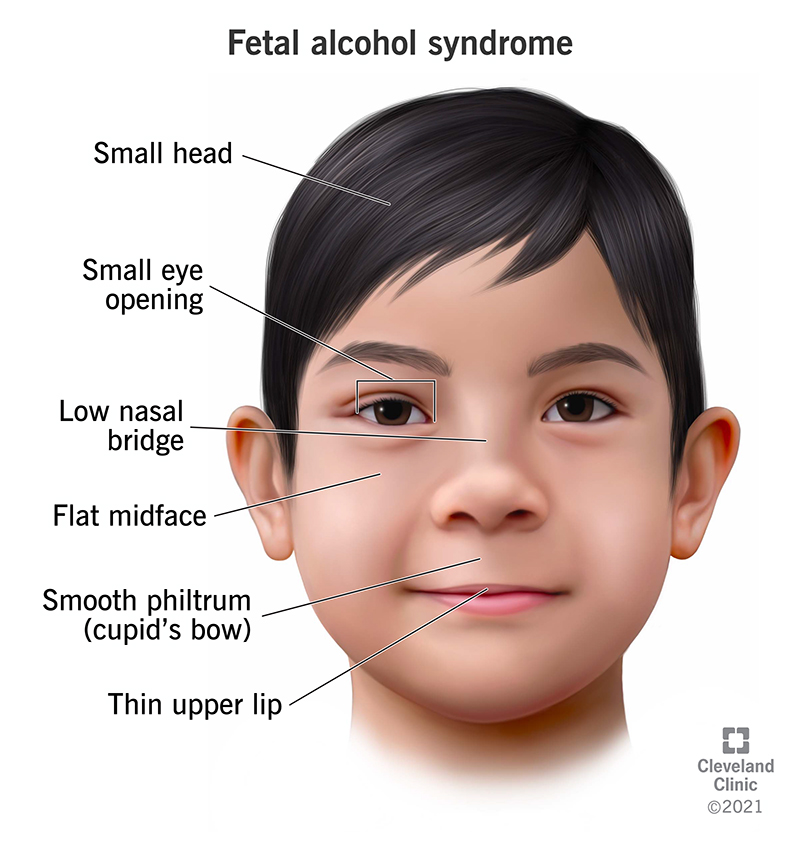
Facial Characteristics
One of the most recognizable physical signs of FAS is the presence of facial characteristics that may include a smooth ridge between the nose and upper lip, a thin upper lip, a smaller-than-average eye opening, and a flattened philtrum (the vertical groove between the nose and upper lip). These features can vary in severity among individuals but are seen as significant indicators of FAS.
Growth and Development Delays
In addition to facial characteristics, children with FAS may experience growth deficiencies and delays in both physical and cognitive development. They may have below-average height and weight, as well as delayed motor skills, speech development, and intellectual abilities. These delays can manifest in various ways and may require specialized interventions to support the child’s progress.

Central Nervous System Abnormalities
FAS can cause significant damage to the central nervous system, leading to a range of neurological and behavioral abnormalities. Children with FAS may present with hyperactivity, impulsivity, attention deficits, and learning disabilities. They may also experience difficulties with coordination, fine motor skills, and sensory processing. Understanding these central nervous system abnormalities is vital for devising appropriate treatment strategies.
Cognitive and Behavioral Issues
Individuals with FAS often exhibit cognitive and behavioral issues, which can pose challenges in everyday life. These individuals may struggle with memory, reasoning, problem-solving, and impulse control. They may have difficulty adapting to changes, following instructions, and understanding social cues. Early identification and intervention are crucial to help individuals with FAS navigate these difficulties and achieve their full potential.

Presence of Additional Medical Problems
Beyond the primary signs of FAS, individuals may also present with additional medical problems. These can include heart defects, hearing or vision impairments, and abnormalities of the joints, limbs, or fingers. The presence of these medical issues further emphasizes the comprehensive care that individuals with FAS require, encompassing both physical and cognitive aspects of their well-being.
Diagnostic Process for Fetal Alcohol Syndrome
Accurate diagnosis of FAS involves a multidisciplinary approach, relying on a range of assessments and evaluations. Medical professionals, such as pediatricians, geneticists, and developmental specialists, work together to gather information and make an informed diagnosis. This process aims to rule out other potential causes of the individual’s symptoms and identify specific features indicative of FAS.

Screening and Evaluation
Screening for FAS can occur during routine prenatal care, where healthcare providers ask expectant mothers about alcohol consumption. Additionally, observations of physical and behavioral signs in newborns and infants can raise suspicion of FAS. Early identification prompts further evaluation and comprehensive assessments to determine the presence and extent of FAS.
Medical and Developmental Assessments
To diagnose FAS, medical and developmental assessments play a crucial role. These assessments involve physical examinations, growth measurements, hearing and vision screenings, and imaging studies. Additionally, developmental assessments aim to evaluate milestones, motor skills, speech and language development, and cognitive abilities.
Psychological and Behavioral Assessments
Understanding the psychological and behavioral aspects of FAS is essential for providing appropriate support. Psychological assessments may include intelligence testing, assessments of adaptive functioning, and examinations of mental health. Behavioral assessments, on the other hand, assess attention, hyperactivity, impulsivity, and other behavioral symptoms often associated with FAS.
Supportive Services for Individuals with FAS
Individuals with FAS require a comprehensive array of supportive services to address their unique needs and maximize their quality of life. These services can include early intervention programs, individualized education plans, counseling and therapy services, and parental support and education.
Early Intervention Programs
Early intervention programs are instrumental in promoting the development and independence of individuals with FAS. These programs may include occupational therapy, speech therapy, physical therapy, and behavioral interventions tailored to address the specific challenges faced by individuals with FAS.
Individualized Education Plans
Education plays a critical role in the lives of individuals with FAS. Through the creation of individualized education plans (IEPs), educators can provide targeted support and accommodations to meet the individual’s specific educational needs. IEPs may include specialized instruction, modified curriculum, and additional support services to help individuals with FAS succeed academically and socially.
Counseling and Therapy Services
Counseling and therapy services can significantly benefit individuals with FAS by addressing their cognitive, emotional, and behavioral challenges. These services can include individual therapy, family therapy, and behavioral interventions. They aim to teach coping strategies, develop social skills, and foster emotional well-being.
Parental Support and Education
Recognizing the importance of parental support and education is vital for holistically addressing the needs of individuals with FAS. Parents and caregivers can benefit from support groups, educational resources, and guidance on managing behavioral challenges, advocating for services, and creating a nurturing environment that promotes optimal development for their child with FAS.
Prevention and Education about Fetal Alcohol Syndrome
Preventing Fetal Alcohol Syndrome is a collective responsibility that involves public health campaigns, alcohol education for pregnant women, and continued research and awareness. By increasing understanding and awareness of the risks associated with prenatal alcohol exposure, we can empower individuals and communities to make informed choices and support the prevention of FAS.
Public Health Campaigns
Public health campaigns play a crucial role in educating the public about the dangers of alcohol consumption during pregnancy. These campaigns aim to raise awareness among both expectant mothers and the general population, emphasizing the importance of abstaining from alcohol to safeguard the health and well-being of unborn babies.
Alcohol Education for Pregnant Women
Educating pregnant women about the risks of alcohol consumption is essential for prevention. Healthcare providers play a vital role in providing accurate and evidence-based information to expectant mothers, empowering them to make informed decisions regarding their health and the health of their baby.
Continued Research and Awareness
Continued research and awareness are necessary to deepen our understanding of Fetal Alcohol Syndrome and develop effective prevention strategies, interventions, and treatments. By supporting ongoing research and promoting awareness, we can enhance the support and resources available to individuals with FAS and their families, fostering a more inclusive and informed society.
In conclusion, recognizing the signs of Fetal Alcohol Syndrome is crucial for early intervention and appropriate support. By understanding the physical, cognitive, and behavioral characteristics associated with FAS, we can work towards comprehensive care and improved outcomes for individuals with this condition. Through prevention, education, and supportive services, we have the opportunity to make a significant impact on the lives of those affected by Fetal Alcohol Syndrome.