Fungal nail infections can be quite a nuisance, causing discomfort and embarrassment. But fret not, because in this article, you will discover effective methods to manage and treat these pesky infections. From simple at-home remedies to medical treatments, we’ve got you covered with all the information you need to combat those stubborn fungal nail infections. Say goodbye to unsightly nails and hello to healthy, happy feet!
Overview of Fungal Nail Infections
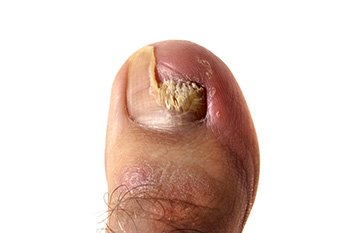
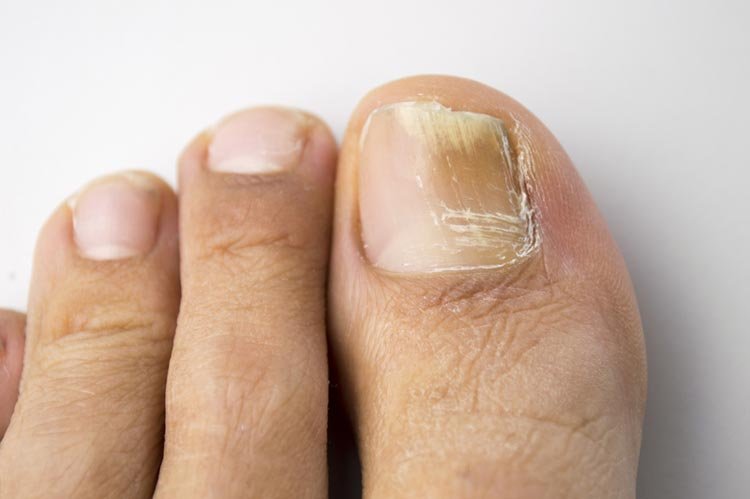
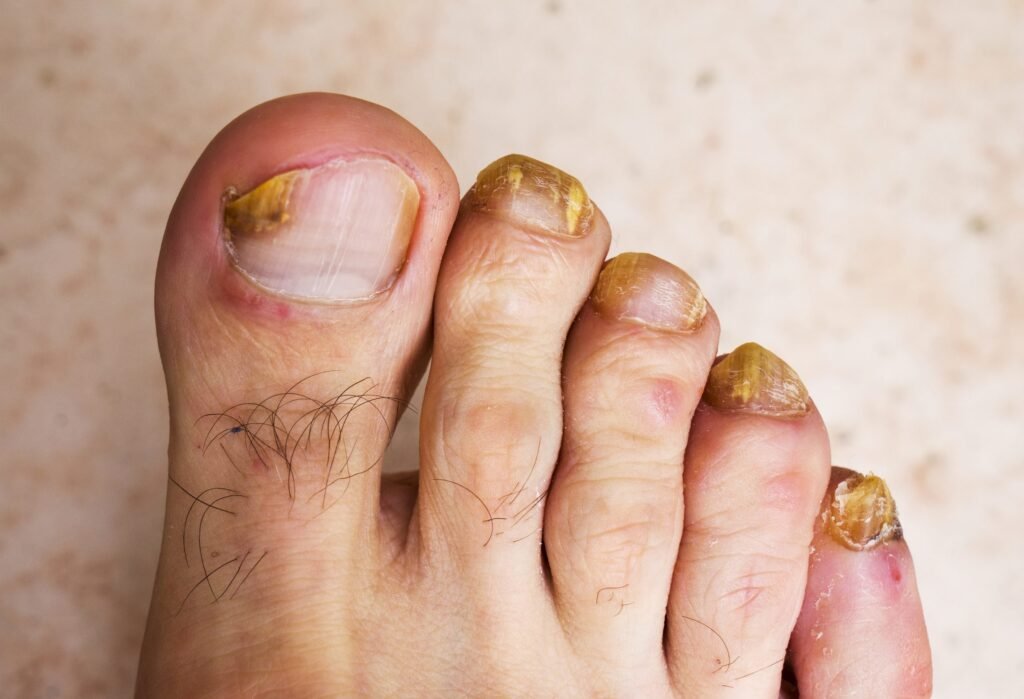
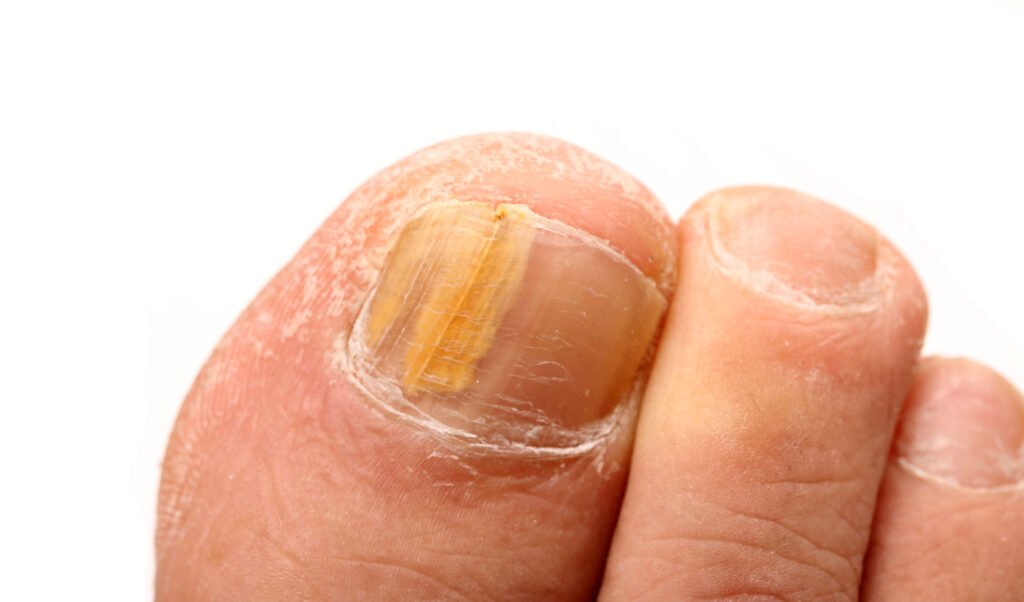
Fungal nail infections, also known as onychomycosis, are a common condition that affects many people. It occurs when a fungus infects the nails, usually the toenails, causing them to become thickened, discolored, and brittle. This can be an unsightly and uncomfortable condition, and if left untreated, it can lead to further complications.
Definition and Causes
Fungal nail infections are caused by various types of fungi, most commonly dermatophytes, which thrive in warm, moist environments. These fungi can be found in public places such as swimming pools, locker rooms, and nail salons. When the nails are exposed to these fungi, they can become infected.
Certain factors can increase the risk of developing a fungal nail infection. These include age, diabetes, a weakened immune system, poor circulation, and frequent exposure to warm and moist environments. Additionally, if you have a family history of fungal nail infections, you may be more prone to developing one yourself.
Symptoms and Diagnosis
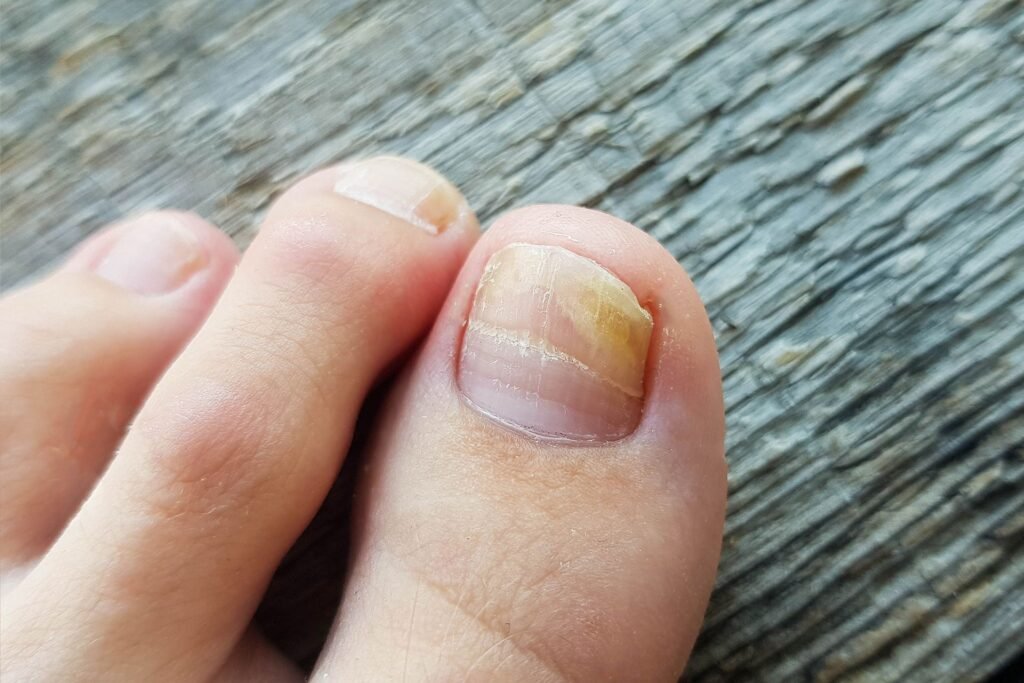
The symptoms of a fungal nail infection can vary depending on the severity of the infection. Common symptoms include thickening of the nails, yellow or white discoloration, brittleness, crumbling, and a distorted shape. In some cases, the infection may cause pain or discomfort.
To diagnose a fungal nail infection, your healthcare provider will examine your nails and may take a small sample for laboratory testing. This helps determine the specific type of fungus causing the infection and guides treatment decisions.
Prevention
Preventing fungal nail infections is essential, especially if you have a higher risk of developing one. There are several measures you can take to reduce your risk:
-
Keep your nails clean and dry: Regularly wash and dry your feet, paying particular attention to the spaces between your toes. Use a clean towel and avoid sharing towels with others.
-
Avoid walking barefoot in public places: Wear sandals or appropriate footwear in public areas such as swimming pools, gyms, and locker rooms. This helps minimize exposure to fungi.
-
Choose well-fitting shoes: Avoid wearing tight shoes that can cause excessive sweating. Opt for breathable materials and make sure there is enough space for your toes.
-
Change socks frequently: Moisture-wicking socks can help keep your feet dry. Change socks regularly, especially if your feet tend to sweat excessively.
Conventional Treatment Options
When it comes to treating fungal nail infections, there are various conventional treatment options available. The choice of treatment depends on the severity of the infection and other factors determined by your healthcare provider.
Topical Antifungal Medications
Topical antifungal medications, such as creams, gels, or nail lacquers, are commonly used for mild to moderate fungal nail infections. These medications are applied directly to the affected nail and surrounding skin. They work by killing or inhibiting the growth of the fungus.
It is important to follow the instructions provided with the medication to ensure optimal treatment outcomes. Treatment may need to be continued for several months, and it is crucial to be consistent and persistent in applying the medication as directed.
Oral Antifungal Medications
For more severe or stubborn fungal nail infections, oral antifungal medications may be prescribed. These medications work by targeting the fungus from within the body, helping to eliminate the infection.
Oral antifungal medications are typically taken for a prolonged period, often several weeks or months. Regular blood tests may be necessary to monitor liver function, as some oral antifungal medications can have side effects on the liver.
Surgical Intervention
In some cases, surgical intervention may be necessary to treat fungal nail infections that do not respond to other treatments. Surgical options include nail removal, which can be done either partially or completely. This allows for the affected nail to grow back healthy, free from the infection.
Surgical intervention is usually considered a last resort when other treatment options have failed. Your healthcare provider will assess your condition and discuss the potential benefits and risks of surgery.
Natural Remedies and Home Treatments
Many people prefer to explore natural remedies and home treatments as a complementary approach to conventional treatment options. While these remedies may not have definitive scientific evidence supporting their effectiveness, some individuals have reported positive results.
Tea Tree Oil
Tea tree oil is a natural antifungal agent that has been used for various skin conditions, including fungal infections. It has antifungal properties and may help inhibit the growth of fungi that cause nail infections.
To use tea tree oil, dilute it with a carrier oil, such as coconut oil or olive oil, and apply it directly to the affected nail and surrounding skin. Repeat this process daily for several months to see potential improvements.
Vinegar Soaks
Vinegar is known for its antimicrobial properties and has been used as a home remedy for fungal nail infections. Soaking the affected nails in a solution of equal parts vinegar and warm water can help create an inhospitable environment for the fungus.
Soak your nails in the vinegar solution for 15-20 minutes a day. Rinse and dry your feet thoroughly afterward. Consistency is key, and it may take several months to see noticeable results.
Garlic
Garlic contains a compound called allicin, which has antifungal properties. Some people believe that applying crushed garlic directly to the affected nail can help eliminate the fungus.
To use garlic as a home treatment, crush a few cloves and mix them with olive oil to form a paste. Apply this paste to the affected nail and cover it with a bandage. Leave it on for several hours or overnight before rinsing it off. Repeat this process daily until you see improvements.
Oregano Oil
Oregano oil has been used for its antifungal properties and is believed to be effective against fungal nail infections. This essential oil can be applied directly to the affected nail to help combat the fungus.
Mix a few drops of oregano oil with a carrier oil, such as coconut oil or olive oil. Apply the mixture to the affected nail and leave it on for a few hours. Rinse it off thoroughly and repeat the process daily.
Probiotics
Probiotics are beneficial bacteria that can support the body’s immune system and help fight off infections. While more research is needed, some studies suggest that taking oral probiotic supplements may help boost the body’s natural ability to fight fungal infections.
You can find probiotic supplements in most health food stores. Follow the instructions provided with the supplement and consult with your healthcare provider before starting any new dietary supplements.
Lifestyle and Hygiene Practices
In addition to medical treatments and natural remedies, adopting certain lifestyle and hygiene practices can help manage and prevent fungal nail infections. These practices aim to create an environment that is less favorable for fungal growth and minimize the risk of reinfection.
Keeping Nails Clean and Trimmed
Regularly cleaning and trimming your nails is essential to maintaining good nail health and preventing the buildup of fungus. Use clean nail clippers or scissors to trim your nails straight across. Avoid cutting them too short, as this can increase the risk of ingrown nails.
Avoiding Moist and Warm Environments
Fungi thrive in warm and moist environments, so it is important to keep your feet dry and cool. After swimming or showering, thoroughly dry your feet, paying special attention to the spaces between your toes. Avoid wearing tight or non-breathable shoes, as they can trap moisture and create a suitable environment for fungal growth.
Wearing Proper Footwear
Choosing the right footwear can play a significant role in preventing fungal nail infections. Opt for shoes that provide enough space for your toes to move comfortably. Avoid sharing shoes with others, as this can increase the risk of spreading fungal infection.
Using Breathable Socks
Wearing breathable socks made of natural fibers, such as cotton or bamboo, can help keep your feet dry and reduce the risk of fungal growth. Avoid wearing tight, synthetic socks that can trap moisture and promote fungal growth. Change socks regularly, especially if your feet tend to sweat excessively.
Nail Care and Prevention Tips
In addition to lifestyle and hygiene practices, there are other nail care and prevention tips that can help manage and prevent fungal nail infections. These tips aim to minimize the risk of nail trauma and the spread of infection.
Avoiding Nail Trauma
Nail trauma, such as injuries or nail biting, can create openings in the nail that provide an entry point for fungi. To minimize the risk of trauma, avoid activities that can damage your nails, such as using your nails as tools or picking at them. Keep your nails protected and consider wearing gloves when engaging in activities that may cause injury.
Not Sharing Nail Care Tools
Sharing nail care tools, such as clippers, files, or emery boards, can increase the risk of spreading fungal infections. It is important to use your own tools and avoid sharing them with others. If you visit a nail salon, make sure the tools used are properly sterilized.
Disinfecting Nail Care Tools
If you are using nail care tools at home, it is crucial to keep them clean and disinfected to prevent the spread of fungus. Wash the tools with soap and warm water after each use and disinfect them with alcohol or a disinfectant solution. This helps kill any potential fungi that may be present on the tools.
Ensuring Proper Nail Care in Public Places
If you visit a nail salon or spa, make sure they follow proper hygiene practices to prevent the spread of fungal infections. The establishment should use clean and sterilized tools for each customer. If you have any concerns about the cleanliness of a salon, it is best to find an alternative establishment.
Precautions and Complications
Untreated fungal nail infections can lead to various complications, and it is important to be aware of the potential risks. Prompt treatment and proper precautions can help prevent these complications from occurring.
Risks of Untreated Fungal Nail Infections
If left untreated, fungal nail infections can worsen and spread to other nails or even the skin. This can lead to additional discomfort, pain, and a higher risk of secondary bacterial infections. Severe infections can also cause permanent nail damage, making it crucial to seek treatment.
Preventing Spreading to Other Nails or Individuals
Fungal nail infections are highly contagious, and it is essential to take preventative measures to avoid spreading the infection to other nails or individuals. Avoid sharing towels, socks, or footwear with others, and keep your feet clean and dry. Practice good hand hygiene and avoid touching or scratching infected nails to prevent the spread of the fungus.
When to Seek Professional Help
While there are home remedies and over-the-counter treatments available, there are instances where professional medical help should be sought.
Persistent or Severe Symptoms
If your fungal nail infection does not improve or worsens despite home treatments, it is recommended to consult a healthcare provider. They can assess your condition and determine the best course of action, which may include prescribing stronger medications or recommending other treatment options.
Diabetes or Compromised Immune System
Individuals with diabetes or a compromised immune system are at a higher risk of developing complications from fungal nail infections. It is crucial to seek professional help if you have these underlying conditions, as the infection may require specialized care to prevent further complications.
Concerns about Medication Side Effects
Some individuals may have concerns about the potential side effects of medications used to treat fungal nail infections. If you are worried about possible side effects or interactions with other medications you are taking, it is advisable to consult your healthcare provider. They can provide guidance and address any concerns you may have.
Managing Fungal Nail Infections in Children
Fungal nail infections can also affect children, and managing them requires special consideration and care.
Child-Friendly Treatment Options
When it comes to treating fungal nail infections in children, it is important to choose child-friendly treatment options. Medications and topical treatments suitable for children should be used under the guidance of a pediatrician or dermatologist.
Preventive Measures for Children
Teaching children proper hygiene practices can help prevent fungal nail infections. Emphasize the importance of keeping their feet clean and dry, avoiding sharing towels or footwear, and using personal nail care tools. Regularly inspect their nails for any signs of infection and seek medical attention if necessary.
Fungal Nail Infections and Nail Salons
Nail salons are a common place for fungal nail infections to spread, and taking precautions can help reduce the risk.
Reducing the Risk of Infection at Nail Salons
Before visiting a nail salon, research the establishment to ensure they adhere to proper hygiene practices. Choose a salon that follows sterilization protocols and uses clean tools for each client. Avoid salons that appear unsanitary or have a history of infection outbreaks.
Ensuring Proper Sterilization Practices
When visiting a nail salon, it is essential to ensure that proper sterilization practices are followed. Tools should be cleaned after each use and thoroughly sanitized to prevent the spread of fungal infections between clients. If you have any doubts about the cleanliness of the tools, it is best to bring your own or find a different salon.
Exploring Alternative Therapies
Alternative therapies, in addition to conventional treatments, may provide additional options for managing fungal nail infections.
Laser Therapy
Laser therapy is a non-invasive treatment option that aims to eradicate the fungus causing the infection. The laser emits energy that targets the fungus, heating and killing it. Several sessions may be required for optimal results, and individual response to treatment may vary.
Photodynamic Therapy
Photodynamic therapy combines the use of light and a photosensitizing agent to treat fungal nail infections. The photosensitizing agent is applied to the nails, and then the nails are exposed to a specific wavelength of light, activating the agent and destroying the fungus.
Photodynamic therapy is still being studied for its effectiveness in treating fungal nail infections, and more research is needed to determine its long-term benefits.
Traditional Chinese Medicine
Traditional Chinese Medicine (TCM) offers a holistic approach to treating fungal nail infections. TCM practitioners may use herbs, acupuncture, and dietary modifications to address the underlying imbalances in the body and promote healing.
Consult with a trained TCM practitioner for an individualized treatment plan that takes into consideration your specific condition and overall health.
In conclusion, managing fungal nail infections requires a comprehensive approach that combines conventional treatment options, natural remedies, lifestyle and hygiene practices, and preventive measures. It is important to seek professional help when needed and to take precautions to prevent the spread of infection. With proper care and persistence, fungal nail infections can be effectively managed, improving both the appearance and health of your nails.