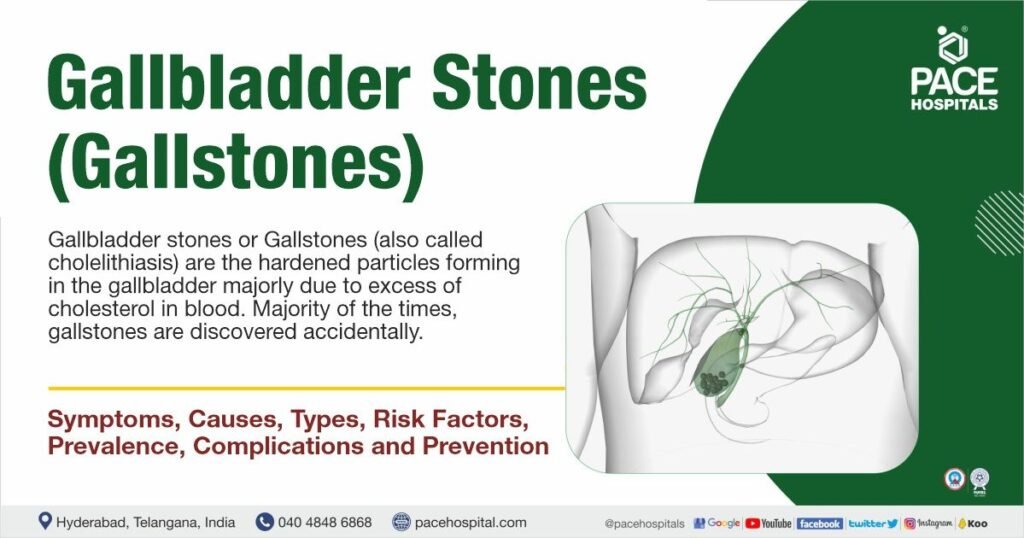
In this article, you will gain a comprehensive understanding of the causes behind the formation of gallstones. Delve into the intricate workings of your gallbladder as we explore the factors that contribute to the development of these small, yet troublesome, formations. Gain valuable insights into the importance of diet, genetics, and overall health in the prevention and management of gallstones. Whether you’ve experienced these painful stones firsthand or are simply curious about their origins, this article aims to equip you with the knowledge needed to understand the causes behind gallstones.
Definition of Gallstones
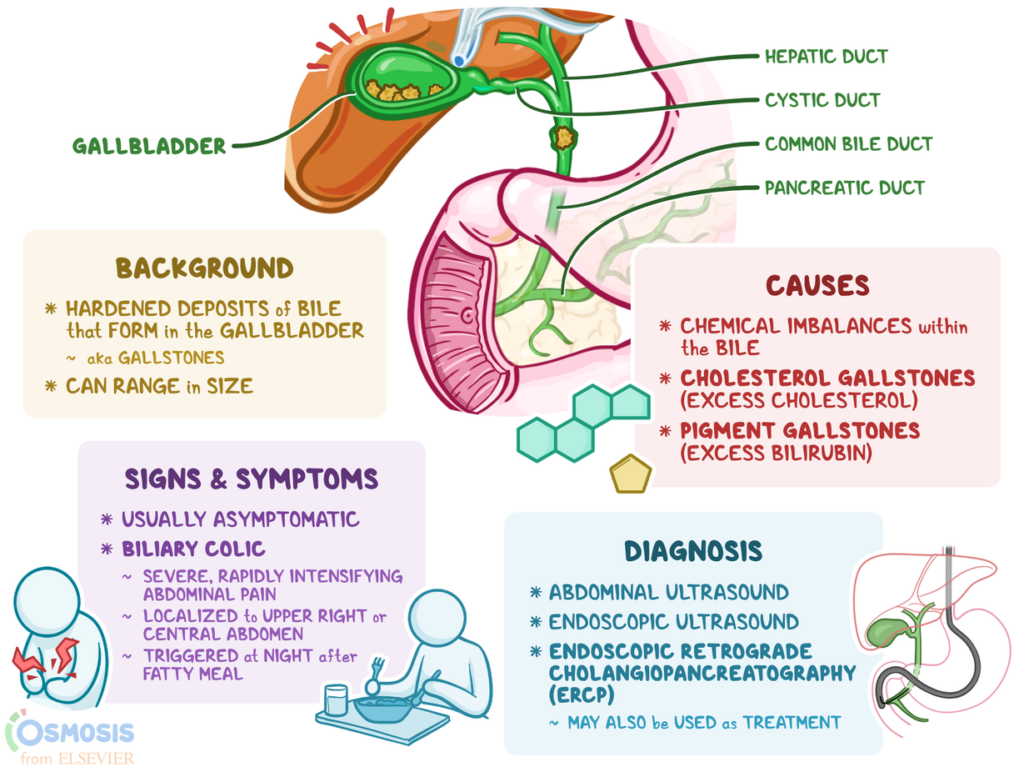
Gallstones are small, solid deposits that form in the gallbladder, a small organ located just below the liver. These deposits can vary in size and composition, ranging from as small as a grain of sand to as large as a golf ball. Gallstones can be made up of either cholesterol or pigments and can cause a range of symptoms and complications if left untreated.
Risk Factors for Gallstones
Gender
Gallstones are more common in women than in men. Hormonal factors, such as increased levels of estrogen during pregnancy or the use of hormone replacement therapy, can contribute to the formation of gallstones.
Age
The risk of developing gallstones increases with age. This is especially true for individuals over the age of 60, as the gallbladder tends to become less efficient as we grow older.
Obesity
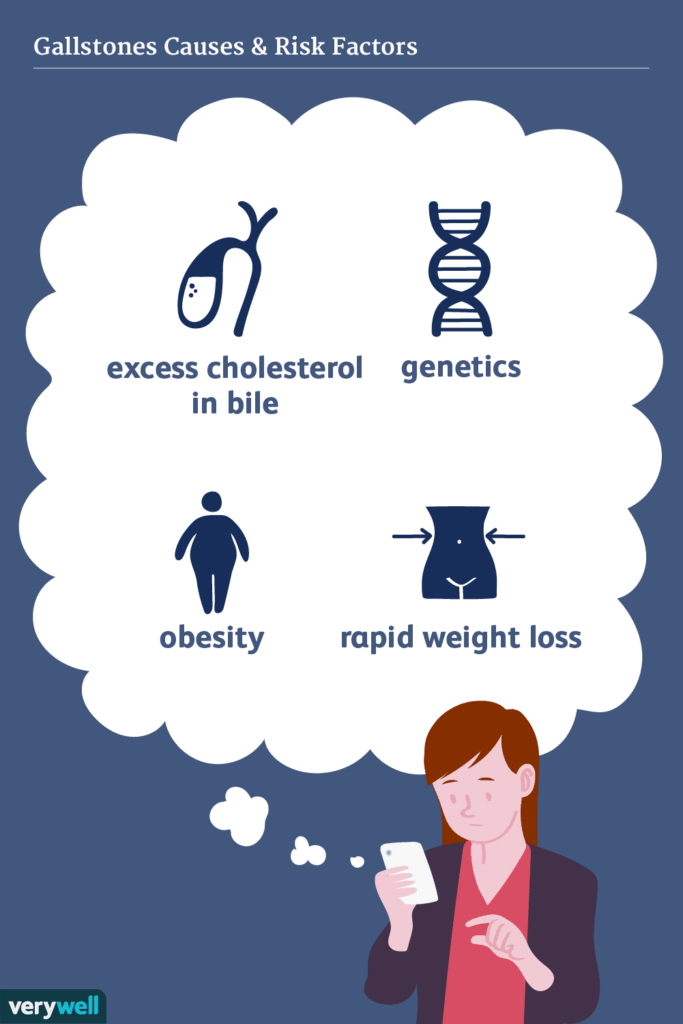
Being overweight or obese is a significant risk factor for developing gallstones. Excess weight can lead to an increase in cholesterol levels and bile secretion, which can contribute to the formation of gallstones.
High-Fat Diet
Consuming a diet high in saturated fats and cholesterol can increase the risk of developing gallstones. These dietary choices can lead to an increase in cholesterol production and reduce the amount of bile salts available to keep cholesterol in solution.
Rapid Weight Loss
Losing weight too quickly, particularly through crash diets or rapid weight loss programs, can increase the risk of gallstone formation. This is because rapid weight loss can cause the liver to secrete excess cholesterol into the bile, leading to the formation of cholesterol gallstones.
Family History
Having a family history of gallstones can increase an individual’s risk of developing them. Genetic factors can play a role in the formation of gallstones, although the exact mechanisms involved are not fully understood.
Ethnicity
Certain ethnic groups, such as Native Americans, Hispanics, and those of Scandinavian descent, have a higher prevalence of gallstones. This suggests that genetic and environmental factors specific to these populations may contribute to the development of gallstones.
Certain Medical Conditions
Certain medical conditions, such as diabetes, liver cirrhosis, and inflammatory bowel disease, can increase the risk of gallstone formation. These conditions can alter the composition of bile or disrupt its flow, leading to gallstone formation.
Medications
The use of certain medications, such as birth control pills or hormone replacement therapy, can increase the risk of gallstone formation. These medications can affect the balance of hormones in the body, leading to an increased risk.
Liver or Pancreatic Disease
Liver or pancreatic diseases, such as hepatitis or pancreatitis, can disrupt the normal functioning of these organs. This disruption can lead to an increased risk of gallstone formation.
Formation of Gallstones
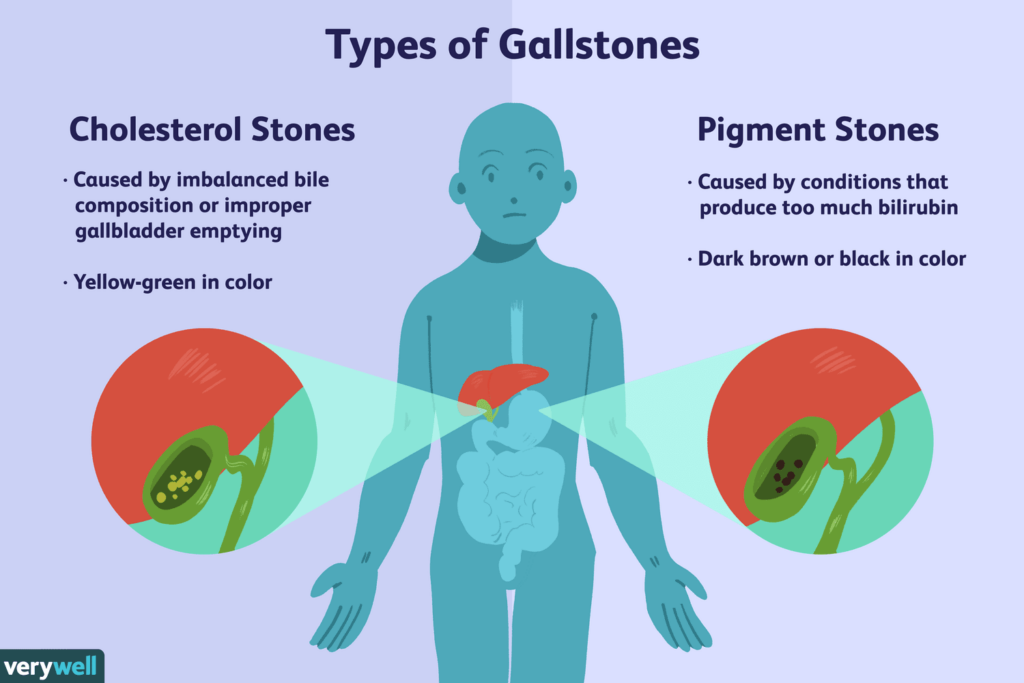
Gallstones can be classified into two types: cholesterol stones and pigment stones.
Cholesterol Stones
The majority of gallstones are cholesterol stones, which are composed primarily of cholesterol. These stones form when there is an excess of cholesterol in the bile, and these cholesterol molecules fail to remain soluble.
Pigment Stones
Pigment stones are less common and are composed of bilirubin, a pigment found in bile. These stones form when there is an excess of bilirubin in the bile, and the bilirubin molecules clump together to form solid deposits.
Cholesterol Stones
Excess Cholesterol
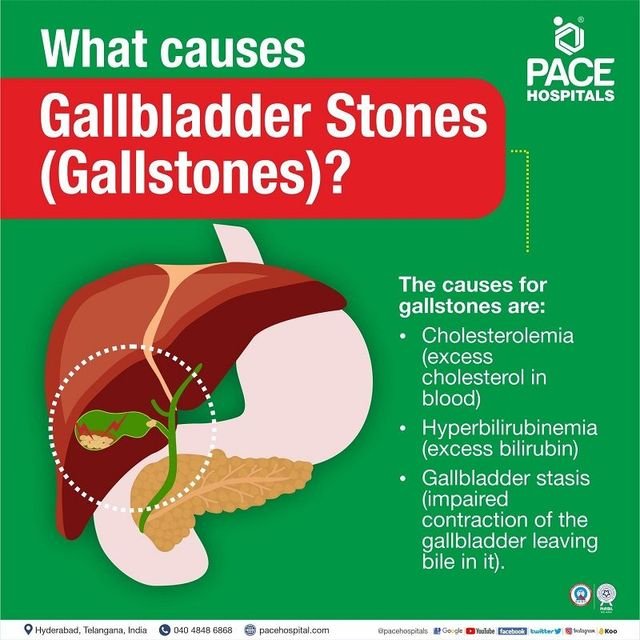
Cholesterol stones form when there is an excess of cholesterol in the bile. The liver produces cholesterol, which is then excreted into the bile to aid in digestion. However, when there is an imbalance in the production and excretion of cholesterol, an excess can accumulate, leading to the formation of cholesterol gallstones.
Insufficient Bile Salts
Bile salts are produced by the liver and help to keep cholesterol molecules in solution in the bile. When there is a deficiency of bile salts, cholesterol can crystallize and form stones.
Gallbladder Hypomotility
The gallbladder plays a role in concentrating bile by reabsorbing water and electrolytes. When the gallbladder fails to contract effectively, bile can become concentrated and increase the risk of cholesterol stone formation.
Pigment Stones
Excessive Bilirubin
Pigment stones form when there is an excess of bilirubin in the bile. Bilirubin is a byproduct of red blood cell breakdown and is normally excreted by the liver into the bile. However, when there is an imbalance in bilirubin production or excretion, it can lead to the formation of pigment stones.
Liver Disease
Liver diseases, such as cirrhosis or hepatitis, can disrupt the normal functioning of the liver, leading to an increased risk of pigment stone formation. These conditions can alter bilirubin metabolism and increase its concentration in the bile.
Bacterial Infections
Bacterial infections in the bile ducts can lead to the formation of pigment stones. The presence of bacteria can alter bile composition and promote the clumping together of bilirubin molecules.
Certain Blood Disorders
Certain blood disorders, such as sickle cell anemia or thalassemia, can increase the risk of pigment stone formation. These conditions can cause an excess of bilirubin to be produced, increasing the likelihood of stone formation.
Complications of Gallstones
Symptoms of Gallstones
Gallstones can cause a range of symptoms, including abdominal pain, bloating, nausea, and vomiting. The pain is typically felt in the upper right side of the abdomen and can be severe, often requiring medical attention.
Gallbladder Inflammation (Cholecystitis)
When a gallstone obstructs the cystic duct or causes irritation and inflammation, it can lead to cholecystitis. This condition is characterized by pain, fever, and tenderness in the upper right side of the abdomen. If left untreated, cholecystitis can lead to serious complications, such as infection or rupture of the gallbladder.
Bile Duct Obstruction (Choledocholithiasis)
Gallstones can also migrate from the gallbladder into the bile ducts, causing an obstruction. This can result in symptoms such as jaundice (yellowing of the skin and eyes), dark urine, pale stools, and itching. Choledocholithiasis can be a medical emergency and requires immediate medical attention.
Pancreatitis
In some cases, gallstones can pass through the bile duct and become lodged in the pancreatic duct, leading to pancreatitis. This condition is characterized by severe abdominal pain, nausea, vomiting, and fever. Pancreatitis can be life-threatening and requires prompt medical intervention.
Gallbladder Cancer
Although rare, long-standing gallstones can increase the risk of developing gallbladder cancer. It is important to promptly diagnose and treat gallstones to minimize the risk of this complication.
Diagnosing Gallstones
Medical History and Physical Examination
A doctor will begin by taking a detailed medical history and performing a physical examination. They will ask about your symptoms, risk factors, and any previous medical conditions.
Ultrasound Imaging
Ultrasound imaging is the most common method used to diagnose gallstones. It uses sound waves to create images of the gallbladder and can detect the presence of gallstones.
Endoscopic Procedures
In some cases, additional procedures may be required to visualize and diagnose gallstones. Endoscopic retrograde cholangiopancreatography (ERCP) and magnetic resonance cholangiopancreatography (MRCP) are two commonly used procedures that allow for better visualization of the bile ducts and gallbladder.
Blood Tests
Blood tests may be performed to assess liver function and look for signs of infection or inflammation. Elevated levels of certain liver enzymes and bilirubin can suggest the presence of gallstones or complications related to them.
Prevention of Gallstones
Maintain a Healthy Weight
Maintaining a healthy weight through balanced diet and regular exercise can reduce the risk of gallstone formation. Losing weight gradually and avoiding crash diets is important to prevent rapid changes in cholesterol metabolism.
Eat a Balanced Diet
Eating a diet that is low in saturated fats and cholesterol can help prevent gallstones. Including foods high in fiber, such as fruits, vegetables, and whole grains, can also reduce the risk of gallstone formation.
Gradual Weight Loss
If weight loss is necessary, it is important to do it gradually and under the guidance of a healthcare professional. Rapid weight loss can increase the risk of gallstone formation, so a slow and steady approach is recommended.
Regular Physical Activity
Engaging in regular physical activity can help maintain a healthy weight and reduce the risk of gallstone formation. Aim for at least 30 minutes of moderate-intensity exercise most days of the week.
Avoid Crash Diets
Crash diets or rapid weight loss programs can increase the risk of gallstone formation. It is important to avoid extreme and unsustainable dietary practices and instead focus on long-term lifestyle changes.
Increase Fiber Intake
Consuming an adequate amount of dietary fiber can help regulate cholesterol levels and promote healthy digestion. Include plenty of fruits, vegetables, whole grains, and legumes in your diet to increase your fiber intake.
Stay Hydrated
Drinking enough water and staying hydrated can help prevent the build-up of substances in the bile that can contribute to gallstone formation. Aim to drink at least 8 cups of water per day.
Limit Alcohol Consumption
Excessive alcohol consumption can increase the risk of gallstone formation. Limit alcohol intake to moderate levels, which is defined as up to one drink per day for women and up to two drinks per day for men.
Manage Cholesterol Levels
Keeping cholesterol levels within a healthy range is important for preventing gallstone formation. This can be achieved through a combination of a healthy diet, regular exercise, and, if necessary, medication prescribed by a healthcare professional.
Treatment Options for Gallstones
Watchful Waiting
In cases where gallstones are not causing any symptoms or complications, a “watchful waiting” approach may be recommended. This involves monitoring the gallstones over time to see if any symptoms or complications develop.
Medications to Dissolve Gallstones
Certain medications can be prescribed to dissolve gallstones. These medications work by breaking down the cholesterol or pigment content of the stones, allowing them to be excreted naturally. However, this treatment is not suitable for all types of gallstones and may take several months to be effective.
Surgical Procedures
Surgical removal of the gallbladder, known as cholecystectomy, is the most common treatment for gallstones. This procedure can be done through traditional open surgery or minimally invasive laparoscopic surgery. Cholecystectomy is highly effective in relieving symptoms and preventing future gallstone-related complications.
Lithotripsy
Lithotripsy is a non-surgical procedure that uses shock waves to break up gallstones. This treatment is typically used for certain types of gallstones and is often combined with medication to help dissolve the remaining stone fragments.
Alternative Therapies
In certain cases, alternative or complementary therapies may be used to help manage symptoms associated with gallstones. These therapies may include herbal remedies, acupuncture, or changes in diet and lifestyle. It is important to consult with a healthcare professional before trying any alternative therapies.
Conclusion
Gallstones are a common condition that can cause significant discomfort and potentially serious complications if left untreated. Understanding the risk factors, formation, and complications associated with gallstones is crucial in both prevention and timely treatment. By making healthy lifestyle choices, managing weight, and seeking medical advice when necessary, individuals can effectively reduce their risk of developing gallstones and maintain optimal gallbladder health.