
Have you ever experienced a mysterious lump on your wrist or hand that seems to appear out of nowhere? If so, you may have encountered a ganglion cyst. In this article, we will explore the surgical procedures and recovery process involved in removing ganglion cysts. From understanding the basics of ganglion cysts to learning about the various treatment options available, we will provide you with the essential information you need to know. So, if you’re ready to learn more about how to bid farewell to these bothersome bumps, keep on reading!
Ganglion Cyst Removal
If you’ve been experiencing a ganglion cyst and are considering getting it removed, you’ve come to the right place. Ganglion cysts are fluid-filled lumps that typically form around joints or tendons, and while they are usually harmless, they can cause discomfort and limit your range of motion. This article will provide you with a comprehensive overview of ganglion cyst removal, including the definition and characteristics of ganglion cysts, their causes, common locations, symptoms, diagnosis, and both non-surgical and surgical treatment options. We’ll also discuss the post-surgical recovery process, immediate post-operative care, potential complications, and risk factors associated with ganglion cyst removal.
Overview of Ganglion Cysts
Definition and Characteristics
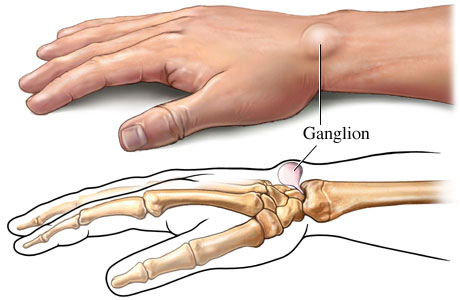
Ganglion cysts are noncancerous growths filled with thick, sticky fluid that commonly develop along tendons or joints, most often in the hand or wrist. These cysts usually appear as small, round bumps under the skin, ranging in size from a pea to a golf ball. While the exact cause of ganglion cysts is unknown, they are thought to be associated with joint or tendon irritation, which leads to the formation of a sac-like structure filled with synovial fluid.
Causes and Risk Factors
The precise causes of ganglion cysts remain unclear, but certain factors are believed to contribute to their development. These include joint or tendon trauma, repetitive stress injuries, and underlying joint or tendon disorders such as osteoarthritis or rheumatoid arthritis. Women are more likely than men to develop ganglion cysts, and they are most commonly found in people between the ages of 20 and 40.
Common Locations
Ganglion cysts can occur in various locations throughout the body, although they are most frequently found in the hands and wrists. Other common areas include the feet, ankles, knees, and shoulders. These cysts often develop near joints or tendons, causing noticeable swelling or a visible lump under the skin.
Symptoms and Diagnosis
Symptoms of Ganglion Cysts
In many cases, ganglion cysts do not cause any symptoms and may even disappear on their own. However, when symptoms do occur, they typically include a visible or palpable lump, pain or discomfort around the affected area, and restricted movement. If the ganglion cyst is pressing on a nerve, you may experience tingling or muscle weakness.
Diagnosis of Ganglion Cysts
To diagnose a ganglion cyst, your healthcare provider will perform a physical examination, evaluate your medical history, and discuss your symptoms with you. Imaging tests, such as X-rays or ultrasounds, may also be ordered to confirm the presence and location of the ganglion cyst.
Non-Surgical Treatments
Observation and Monitoring
If your ganglion cyst is not causing any significant pain or interfering with your daily activities, your healthcare provider may recommend a period of observation and monitoring. During this time, you will be advised to keep an eye on the cyst and report any changes in size, pain, or other symptoms. Since many ganglion cysts resolve on their own, this approach allows for possible spontaneous regression.
Immobilization
Another non-surgical treatment option for ganglion cysts is immobilization, especially if the cyst is causing discomfort or restricting movement. Immobilization involves wearing a splint or brace to restrict joint movement and reduce irritation around the cyst. This can help alleviate symptoms and promote the cyst’s regression.
Aspiration
In some cases, a ganglion cyst may be aspirated to relieve pain or reduce its size. During the aspiration procedure, a healthcare professional will use a needle and syringe to withdraw fluid from the cyst. This can provide temporary relief, but cysts often recur after aspiration, making it a less durable treatment option.
Cortisone Injections
Cortisone injections may be recommended for ganglion cysts that are causing persistent pain or limiting your range of motion. Cortisone is a powerful anti-inflammatory medication that can be injected directly into the cyst. This treatment aims to reduce inflammation and alleviate symptoms associated with the ganglion cyst.
Surgical Procedures for Ganglion Cyst Removal
If non-surgical treatments fail to provide relief or if the ganglion cyst becomes increasingly bothersome, surgical removal may be necessary. There are two main surgical procedures commonly used for ganglion cyst removal: arthroscopic ganglion cystectomy and open surgical excision.
Arthroscopic Ganglion Cystectomy
Procedure
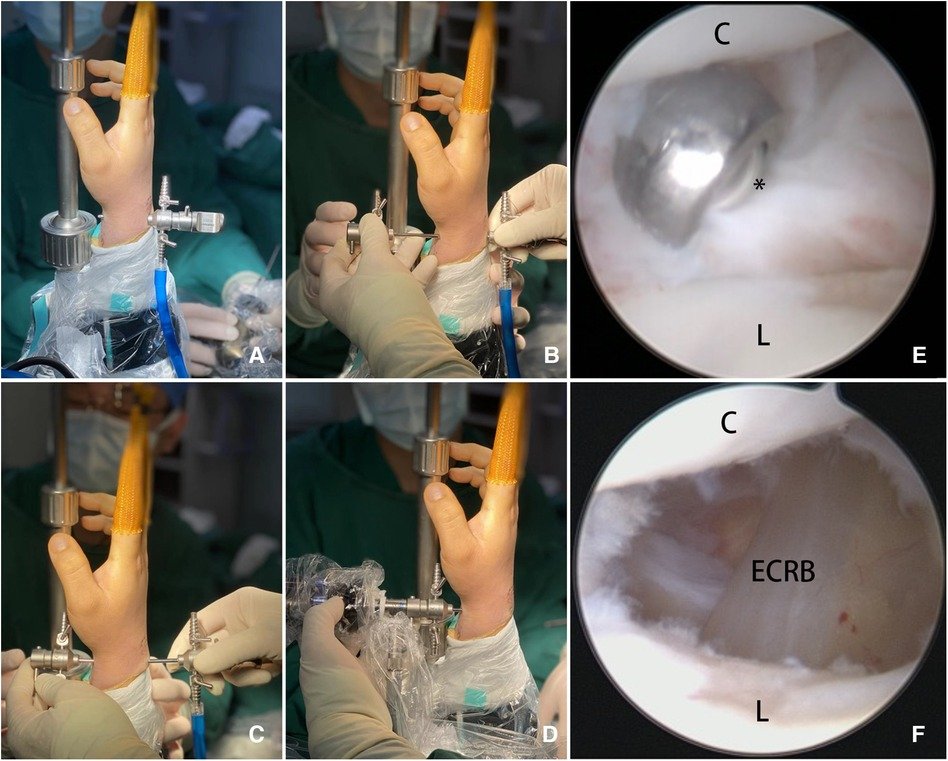
Arthroscopic ganglion cystectomy is a minimally invasive surgical procedure that involves making a small incision near the cyst and using a thin, flexible tube with a camera (arthroscope) to visualize and remove the cyst. This procedure is performed under general or local anesthesia, and it allows for a closer examination of the affected joint or tendon.
Advantages
Arthroscopic ganglion cystectomy offers several advantages over open surgical excision, including smaller incisions, a quicker recovery time, and minimal scarring. It also enables the surgeon to address any underlying joint or tendon issues that may be contributing to the formation of the ganglion cyst.
Recovery
After arthroscopic ganglion cystectomy, you may be required to wear a splint or brace for a short period to support the affected joint and promote healing. Physical therapy and exercises may be recommended to restore strength and range of motion. Most people can resume their normal activities within a few weeks, although it may take several months for the joint to fully recover.
Open Surgical Excision
Procedure
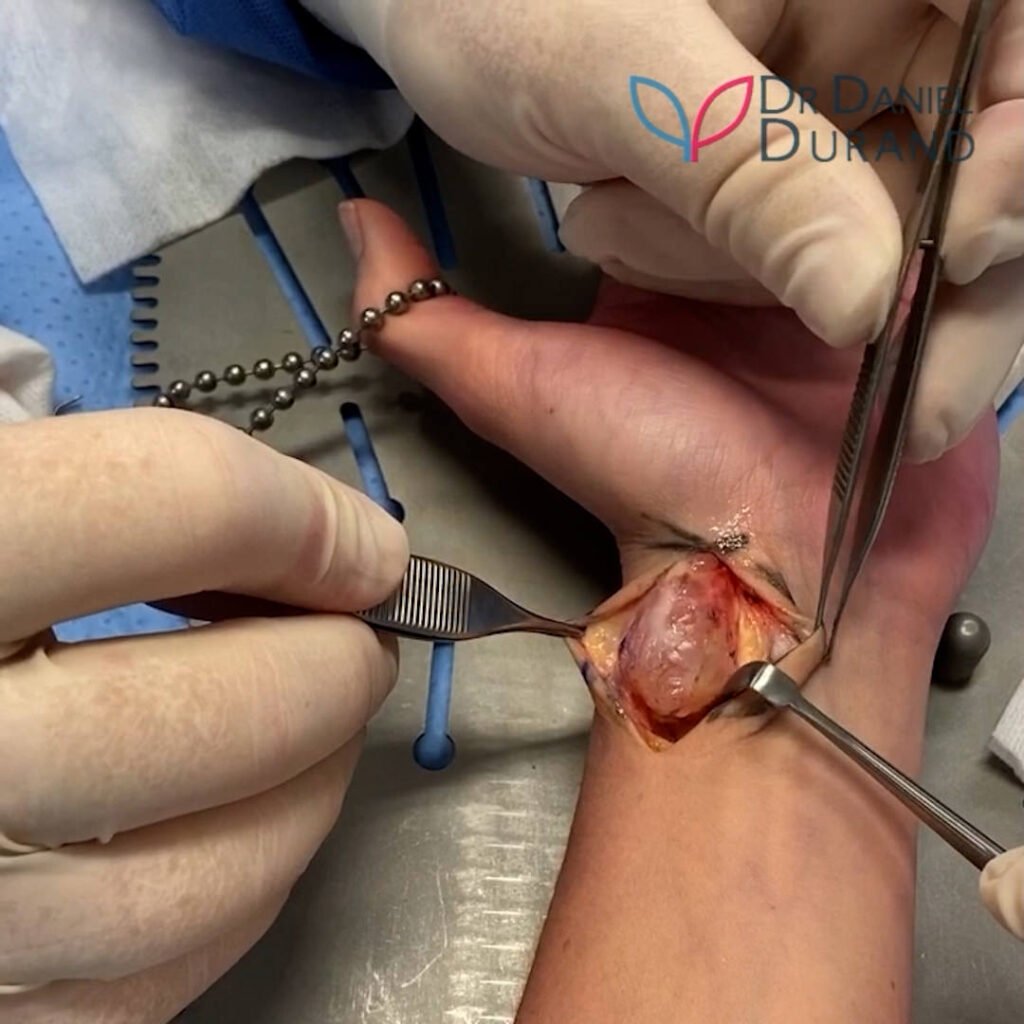
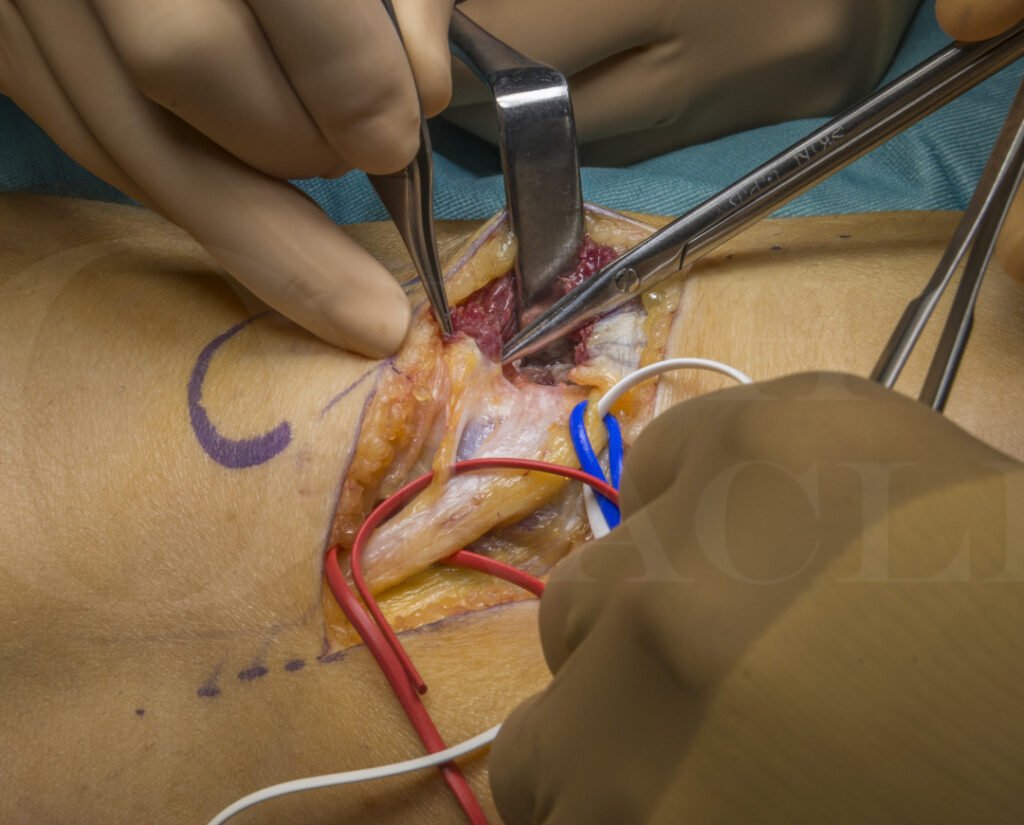
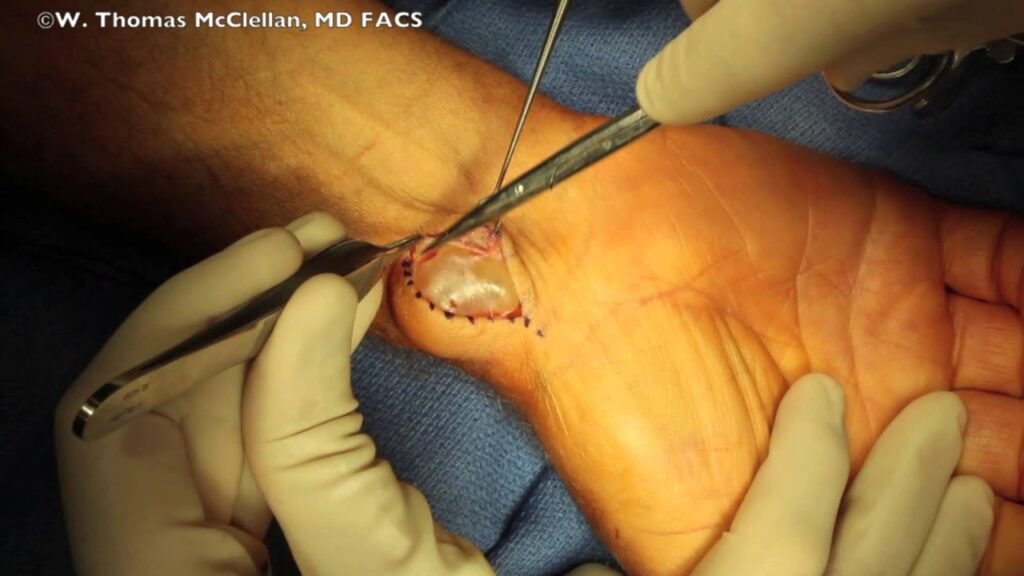
Open surgical excision involves making a larger incision directly over the ganglion cyst and removing it along with any associated tissue. This procedure is typically performed under local or regional anesthesia and may be recommended for larger cysts or those located in areas where arthroscopic access is limited.
Advantages
While open surgical excision requires a larger incision and may result in more noticeable scarring, it is effective in completely removing the ganglion cyst. This procedure is often preferred for cysts that have grown extensively or for those that have recurred after previous treatments.
Recovery
Following open surgical excision, you will likely be advised to keep the incision site clean and dry to prevent infection. Sutures or steri-strips are commonly used to close the wound and promote proper healing. Full recovery may take several weeks or months, during which time you may be advised to limit activities that put stress on the affected area.
Post-Surgical Recovery Process
After undergoing ganglion cyst removal surgery, it is essential to follow the recommended post-operative care instructions. This will help ensure a smooth recovery and minimize the risk of complications. Common aspects of the post-surgical recovery process include pain management, dressing and wound care, and activity and rest.
Immediate Post-Operative Care
Pain Management
Your healthcare provider will prescribe pain medication to manage any post-operative pain you may experience. It is important to take the medications as directed and report any severe or worsening pain promptly.
Dressing and Wound Care
You will be instructed on how to care for the surgical incision, including how to clean it, change dressings, and keep it dry to prevent infection. It is crucial to follow these instructions diligently to promote proper healing.
Activity and Rest
During the initial recovery period, you may be advised to limit activities that could strain the affected area. It is essential to rest and allow your body time to heal. As you progress in your recovery, your healthcare provider will provide guidance on when you can gradually resume normal activities.
Complications and Risks
While ganglion cyst removal surgery is generally safe, like any surgical procedure, it carries potential risks and complications. It is important to familiarize yourself with these possibilities to make an informed decision about your treatment.
Possible Complications
Possible complications of ganglion cyst removal surgery include infection, bleeding, nerve damage, stiffness, recurrence of the cyst, and allergic reactions to anesthesia or other medications. However, the overall risk of experiencing these complications is relatively low.
Risk Factors
Certain factors may increase your risk of developing complications after ganglion cyst removal surgery. These factors include pre-existing medical conditions, such as diabetes or autoimmune disorders, smoking, obesity, and poor overall health. It is crucial to discuss your medical history and any potential risk factors with your healthcare provider before undergoing surgery.
In conclusion, ganglion cyst removal may be necessary to alleviate pain, improve mobility, and enhance the quality of life for individuals dealing with these fluid-filled growths. While non-surgical treatments are often attempted first, surgical procedures such as arthroscopic ganglion cystectomy and open surgical excision can provide effective and lasting relief for those who do not respond to conservative measures. By understanding the symptoms, diagnosis, treatment options, and post-surgical recovery process, you can feel confident in making an informed decision regarding ganglion cyst removal. Remember to consult with your healthcare provider to determine the best course of action based on your unique circumstances and medical history.