
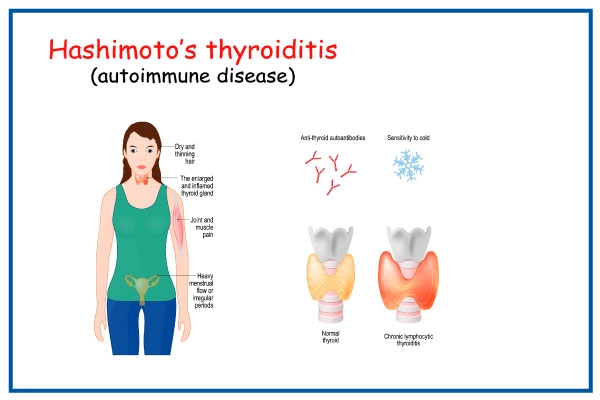
Living with Hashimoto’s Thyroiditis can often be a challenging journey, but with the right approach, you can effectively manage its symptoms and lead a fulfilling life. This autoimmune disorder affects the thyroid gland and can result in a wide range of symptoms, including fatigue, weight gain, mood swings, and hair loss. In this article, we will explore some practical tips and strategies that can help you navigate the ups and downs of Hashimoto’s Thyroiditis, empowering you to take control of your health and well-being. So, let’s embark on this journey together, armed with knowledge and a friendly disposition, ready to conquer Hashimoto’s and live a life of vitality and joy.
1. Medication
1.1. Levothyroxine
When it comes to managing Hashimoto’s Thyroiditis, one of the most commonly prescribed medications is levothyroxine. Levothyroxine is a synthetic form of the hormone thyroxine, which is normally produced by the thyroid gland. By taking levothyroxine, you can help replace the hormone that your thyroid is not producing enough of. This medication helps regulate your metabolism and can alleviate many of the symptoms associated with Hashimoto’s Thyroiditis.
1.2. Selenium supplementation
In addition to levothyroxine, selenium supplementation can be a beneficial addition to your treatment plan. Selenium is a mineral that plays a vital role in the production and metabolism of thyroid hormones. Research suggests that selenium supplementation may help reduce the autoimmune response in Hashimoto’s Thyroiditis and promote thyroid health. It is important to discuss the appropriate dosage and duration of selenium supplementation with your healthcare provider to ensure its effectiveness and safety.
2. Diet
2.1. Gluten-free diet
Adopting a gluten-free diet has been found to be beneficial for many individuals with Hashimoto’s Thyroiditis. Gluten is a protein found in wheat, barley, and rye, and it can trigger an immune response in some people. This immune response can lead to inflammation and contribute to the progression of Hashimoto’s Thyroiditis. By eliminating gluten from your diet, you may experience a reduction in symptoms such as fatigue, brain fog, and digestive issues. It is important to work with a registered dietitian or healthcare provider to ensure a well-balanced gluten-free diet that meets your nutritional needs.
2.2. Anti-inflammatory foods
Including anti-inflammatory foods in your diet can also help manage the symptoms of Hashimoto’s Thyroiditis. Chronic inflammation is often associated with autoimmune conditions, including Hashimoto’s Thyroiditis. By incorporating foods such as fatty fish (e.g., salmon, mackerel), leafy greens, berries, turmeric, and ginger into your meals, you can help reduce inflammation in your body. These foods are rich in antioxidants and have been shown to have anti-inflammatory properties, promoting overall health and well-being.
3. Stress management
3.1. Relaxation techniques
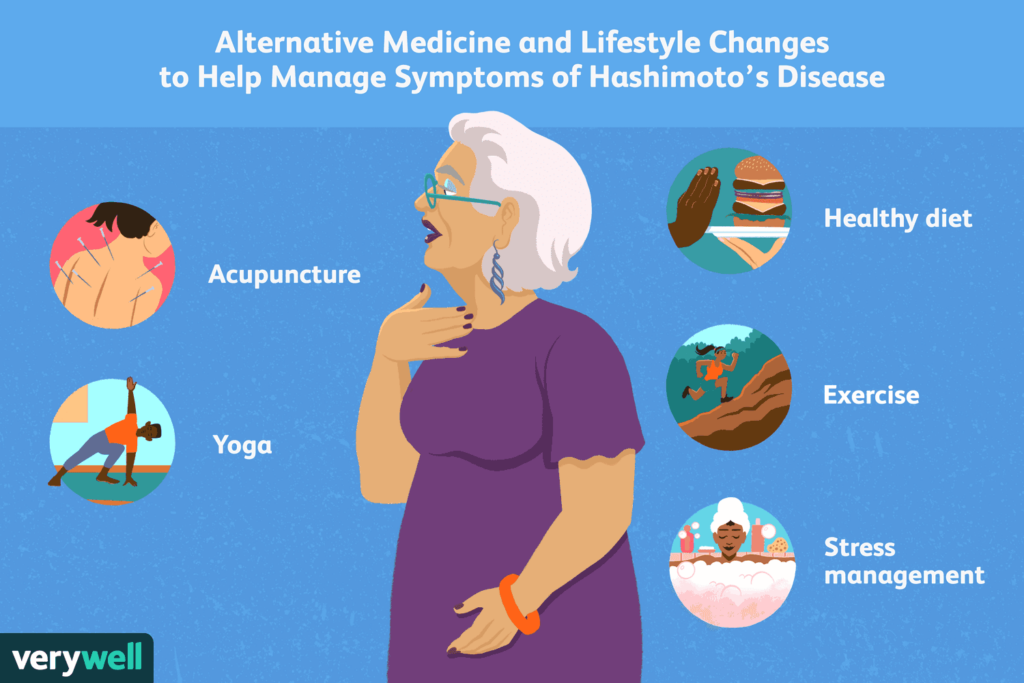
Stress can have a negative impact on your thyroid function and exacerbate the symptoms of Hashimoto’s Thyroiditis. Incorporating relaxation techniques into your daily routine can help alleviate stress and promote overall well-being. Techniques such as deep breathing exercises, meditation, yoga, and tai chi can help activate your body’s relaxation response and reduce stress levels. Find what works best for you and make it a priority to incorporate relaxation techniques into your daily life.
3.2. Regular exercise
Regular exercise is important for everyone, but it can be especially beneficial for individuals with Hashimoto’s Thyroiditis. Exercise helps boost your metabolism, improve blood circulation, and promote overall physical and mental health. Engaging in moderate-intensity exercises such as brisk walking, cycling, swimming, or dancing can help reduce fatigue, improve mood, and support thyroid function. It is important to listen to your body and choose exercises that you enjoy and are appropriate for your fitness level.
3.3. Adequate sleep
Getting an adequate amount of sleep is crucial for maintaining a healthy body and mind. Lack of sleep can increase stress levels, affect hormone regulation, and worsen symptoms of Hashimoto’s Thyroiditis. Aim for 7-9 hours of quality sleep each night to support your overall health and well-being. Establishing a consistent bedtime routine, creating a sleep-friendly environment, and practicing relaxation techniques before bed can all contribute to getting a restful night’s sleep.
4. Herbal remedies
4.1. Ashwagandha
Ashwagandha is an herb commonly used in traditional Ayurvedic medicine and is known for its adaptogenic properties. Adaptogens help the body adapt to stress and promote overall balance and resilience. Research suggests that ashwagandha may support thyroid function, reduce symptoms of fatigue and stress, and improve overall well-being in individuals with Hashimoto’s Thyroiditis. It is important to consult with a healthcare provider before incorporating ashwagandha into your regimen to ensure it is safe and appropriate for you.
4.2. Bugleweed
Bugleweed is another herbal remedy that has been traditionally used to support thyroid health. It may help reduce the production of thyroid hormones and alleviate symptoms associated with Hashimoto’s Thyroiditis. However, it is important to note that bugleweed should be used under the guidance of a healthcare provider, as excessive use or prolonged consumption may lead to a decrease in thyroid hormone production. It is essential to find the right balance and dosage that meets your individual needs.

5. Avoiding environmental toxins
5.1. Reduce exposure to chemicals
Toxins found in the environment can disrupt hormone balance and have a negative impact on thyroid health. It is important to be mindful of the chemicals you are exposed to in everyday life. Reduce your exposure to harmful chemicals by using natural and non-toxic cleaning products, avoiding pesticides and herbicides, choosing organic produce, and filtering your drinking water. By minimizing your exposure to environmental toxins, you can support your body’s natural detoxification processes and reduce the burden on your thyroid.
5.2. Cleanse household products
Take a closer look at the household products you use on a daily basis, such as personal care products, cosmetics, and even cookware. Many of these products can contain potentially harmful chemicals and toxins that can disrupt the delicate balance of your hormones. Consider switching to natural and organic alternatives that are free from harmful additives and chemicals. This small change can make a big difference in reducing your overall toxic load and supporting thyroid health.
6. Balancing hormones
6.1. Hormone replacement therapy
In some cases, hormone replacement therapy may be recommended to restore optimal hormonal balance in individuals with Hashimoto’s Thyroiditis. This therapy involves the use of synthetic or bioidentical hormones to supplement or replace the hormones that your thyroid is not producing enough of. The dosage and duration of hormone replacement therapy will be determined by your healthcare provider based on your individual needs and response to treatment.
6.2. Optimizing thyroid function
Optimizing your thyroid function is essential in managing Hashimoto’s Thyroiditis. Aside from medication and lifestyle changes, certain nutrients are crucial for thyroid health. These include iodine, zinc, selenium, and vitamin D. It is important to work with a healthcare provider or registered dietitian to ensure that you are getting the right balance of these nutrients through your diet or supplementation, as excessive amounts can have adverse effects.
7. Healing the gut
7.1. Probiotics
The health of your gut plays a significant role in your overall well-being, including your thyroid health. Including probiotics in your diet or taking a high-quality probiotic supplement can help promote a healthy gut microbiome. Probiotics are beneficial bacteria that support digestion, nutrient absorption, and immune function. They may also help reduce gut inflammation and modulate the immune response in autoimmune conditions like Hashimoto’s Thyroiditis. Consult with a healthcare provider to determine the appropriate probiotic strain and dosage for your individual needs.
7.2. Eliminating food sensitivities
Food sensitivities or intolerances can contribute to inflammation and exacerbate the symptoms of Hashimoto’s Thyroiditis. Identifying and eliminating potential food triggers can be an essential step in managing the condition. Common food sensitivities include gluten, dairy, soy, and eggs. Elimination diets or working with a registered dietitian can help you identify food sensitivities and create a personalized meal plan that supports your individual needs and promotes gut healing.
8. Managing inflammation
8.1. Omega-3 fatty acids
Omega-3 fatty acids, found in fatty fish, flaxseeds, chia seeds, and walnuts, have been shown to have significant anti-inflammatory effects. Including these foods in your diet or taking a high-quality omega-3 supplement can help reduce inflammation in your body, including inflammation associated with Hashimoto’s Thyroiditis. Incorporating omega-3 fatty acids into your daily routine may help alleviate symptoms such as joint pain and inflammation, improve mood, and support overall health.
8.2. Curcumin supplementation
Curcumin, the active compound in turmeric, is a potent anti-inflammatory agent that has been shown to have positive effects on thyroid health. Curcumin supplementation may help reduce inflammation in the thyroid gland, support immune function, and alleviate symptoms associated with Hashimoto’s Thyroiditis. As with any supplement, it is important to consult with a healthcare provider to determine the appropriate dosage and ensure its safety and effectiveness.

9. Supportive therapies
9.1. Acupuncture
Acupuncture is an ancient practice that involves the insertion of thin needles into specific points on the body. It has been used for centuries to promote overall well-being and support the body’s natural healing processes. Some research suggests that acupuncture may help regulate hormone levels, reduce inflammation, and improve symptoms in individuals with Hashimoto’s Thyroiditis. This holistic approach can be a valuable addition to your treatment plan. Consult with a licensed acupuncturist who has experience in treating thyroid conditions.
9.2. Chiropractic care
Chiropractic care focuses on maintaining proper alignment and function of the spine and nervous system. It can help optimize nerve function, support immune function, and promote overall health. While chiropractic care itself cannot treat Hashimoto’s Thyroiditis, it may help improve symptom management, reduce stress levels, and support the body’s natural healing processes. Consult with a qualified chiropractor who understands the complexities of thyroid conditions.
10. Patient education and support
10.1. Understanding the condition
Educating yourself about Hashimoto’s Thyroiditis is crucial in managing the condition effectively. Understanding the underlying causes, symptoms, and treatment options can empower you to make informed decisions about your health. Stay updated on the latest research and regularly communicate with your healthcare provider to ensure that you are receiving the most appropriate care.
10.2. Joining support groups
Connecting with others who are going through similar experiences can provide immense emotional support and invaluable insights. Joining support groups, either in person or online, can help you navigate the challenges of living with Hashimoto’s Thyroiditis. Sharing experiences, learning from others, and receiving encouragement can make a significant difference in your journey towards optimal health.
In conclusion, managing Hashimoto’s Thyroiditis requires a comprehensive approach that combines medication, dietary modifications, stress management techniques, herbal remedies, toxin avoidance, hormone balancing, gut healing, inflammation management, supportive therapies, and patient education. By incorporating these strategies into your daily life and working closely with your healthcare provider, you can take control of your health and alleviate the symptoms associated with Hashimoto’s Thyroiditis. Remember, you are not alone in this journey, and there is a strong support network available to provide guidance and encouragement along the way.
