
Having an underactive thyroid can be a frustrating and debilitating condition, but there is hope. In this article, you will discover a natural remedy that can help alleviate the symptoms of Hashimoto’s thyroiditis. By incorporating a few simple changes into your lifestyle and diet, you can take control of your health and find relief from this autoimmune disorder. Say goodbye to constant fatigue, weight gain, and brain fog as you embark on a journey towards better thyroid health.

Understanding Hashimoto’s Thyroiditis
What is Hashimoto’s Thyroiditis?
Hashimoto’s Thyroiditis is an autoimmune disorder that affects the thyroid gland. This condition occurs when the immune system mistakenly attacks the thyroid tissue, leading to inflammation and potential damage. It is the most common cause of hypothyroidism, a condition in which the thyroid gland does not produce enough hormones to maintain optimal bodily functions.
Causes of Hashimoto’s Thyroiditis
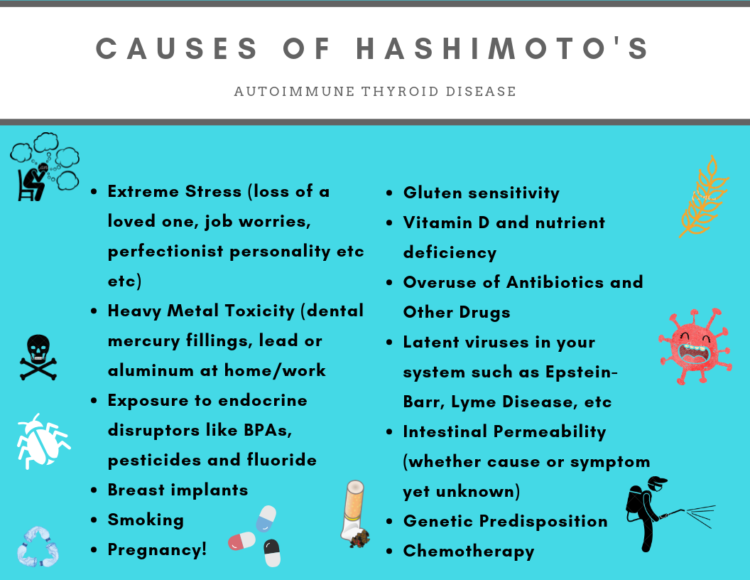
The exact cause of Hashimoto’s Thyroiditis is still unknown. However, it is believed to be a combination of genetic and environmental factors. Some studies suggest that individuals with a family history of autoimmune disorders may be at a higher risk of developing Hashimoto’s Thyroiditis. Additionally, exposure to certain environmental triggers such as radiation, toxins, and chronic infections may play a role in triggering the immune response that leads to this condition.
Symptoms of Hashimoto’s Thyroiditis
Hashimoto’s Thyroiditis can manifest with a variety of symptoms, which can vary from person to person. Common symptoms include fatigue, weight gain or difficulty losing weight, hair loss, dry skin, constipation, depression, and muscle weakness. Other symptoms may include sensitivity to colds, joint pain, menstrual irregularities, and infertility. It is important to note that the severity of symptoms can range from mild to severe, and they may change over time.
Diagnosis and Treatment Options
Diagnosing Hashimoto’s Thyroiditis
To diagnose Hashimoto’s Thyroiditis, healthcare professionals may conduct a series of tests, including blood tests to measure the levels of thyroid-stimulating hormone (TSH), thyroxine (T4), and triiodothyronine (T3). Elevated TSH levels and lower-than-normal T4 levels are common indicators of an underactive thyroid. Additionally, the presence of specific antibodies in the blood, such as anti-thyroid peroxidase (TPO) and anti-thyroglobulin (TG) antibodies, can help confirm the diagnosis of Hashimoto’s Thyroiditis.
Conventional Treatment for Hashimoto’s Thyroiditis
Conventional treatment for Hashimoto’s Thyroiditis typically involves the use of synthetic thyroid hormone medication, such as levothyroxine. This medication helps to replace the deficient thyroid hormones and helps regulate the body’s metabolism and energy levels. Regular monitoring of thyroid hormone levels through blood tests is often necessary to ensure the proper dosage of medication.
Limitations of Conventional Treatment
While synthetic thyroid hormone medication is effective in managing the symptoms of Hashimoto’s Thyroiditis, it does not address the underlying autoimmune dysfunction. Additionally, some individuals may experience side effects from the medication, such as heart palpitations or anxiety. For these reasons, many individuals seek alternative, natural remedies to support their overall health and well-being.
Natural Remedies for Hashimoto’s Thyroiditis
1. Eating a Well-Balanced Diet
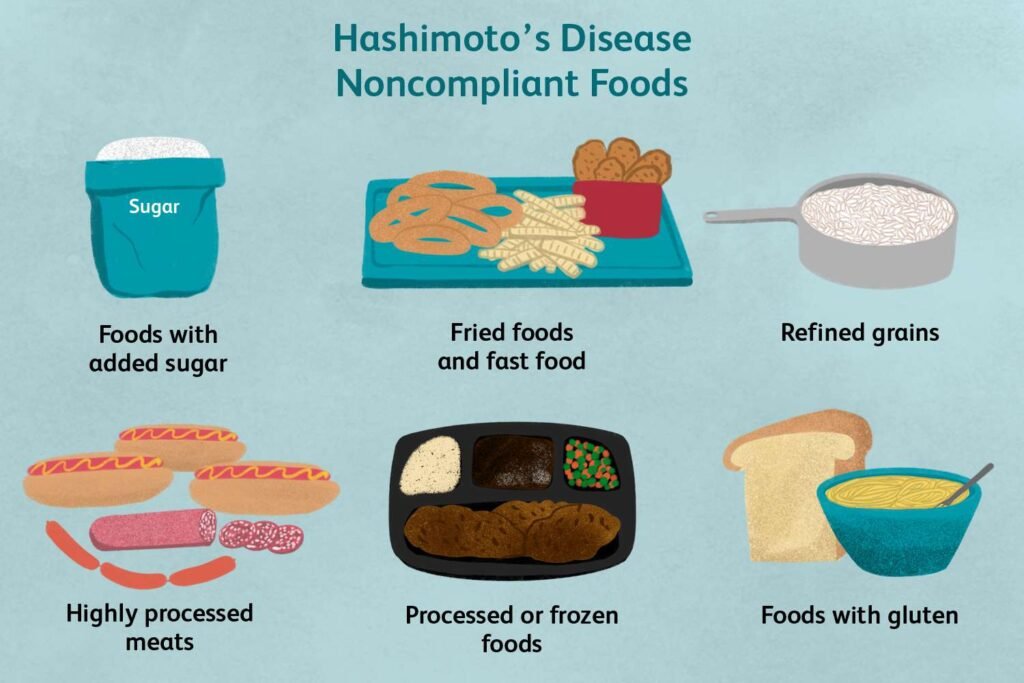
A well-balanced diet is crucial for individuals with Hashimoto’s Thyroiditis. Including nutrient-dense foods such as fruits, vegetables, lean proteins, and whole grains can provide essential vitamins, minerals, and antioxidants needed for optimal thyroid function. Avoiding processed foods, refined sugars, and excessive caffeine can also help reduce inflammation and support overall thyroid health.
2. Reducing Stress Levels
Chronic stress can have a negative impact on the immune system and may worsen the symptoms of Hashimoto’s Thyroiditis. Engaging in stress-reducing activities such as mindfulness meditation, deep breathing exercises, yoga, or engaging in hobbies can help manage stress levels and promote overall well-being.
3. Ensuring Sufficient Nutrient Intake
Certain nutrients are essential for thyroid health. Consuming foods rich in selenium, iodine, vitamin D, and omega-3 fatty acids can support the function of the thyroid gland. Seafood, dairy products, eggs, nuts, and seeds are excellent natural sources of these nutrients. However, it is important to consult with a healthcare professional or registered dietitian before making any significant changes to your diet.
4. Incorporating Herbs and Supplements
Some herbs and supplements may support thyroid function and help manage the symptoms of Hashimoto’s Thyroiditis. Examples include ashwagandha, guggul, and essential fatty acid supplements like fish oil. However, it is crucial to consult with a healthcare professional before starting any new herbs or supplements, as they may interact with other medications or have potential side effects.
5. Addressing Gut Health
There is emerging evidence suggesting a link between gut health and autoimmune conditions, including Hashimoto’s Thyroiditis. Improving gut health through probiotic-rich foods, and fermented foods, and minimizing the consumption of processed foods and artificial sweeteners may help reduce inflammation and optimize overall immune function.
6. Managing Environmental Toxins
Reducing exposure to environmental toxins is important for individuals with Hashimoto’s Thyroiditis. Environmental toxins, such as pesticides, heavy metals, and pollutants, can disrupt thyroid function and contribute to inflammation. Using natural cleaning products, avoiding plastics, and choosing organic and sustainably sourced foods can help reduce toxin exposure.
7. Promoting Detoxification
Supporting detoxification processes in the body can aid in reducing the toxic burden on the thyroid. Staying hydrated, consuming foods rich in antioxidants such as fruits and vegetables, and incorporating detoxifying practices like sauna sessions or dry brushing can help support the body’s natural detoxification mechanisms.
8. Balancing Hormones Naturally
Maintaining hormone balance is crucial for individuals with Hashimoto’s Thyroiditis. Implementing stress-management techniques, getting enough quality sleep, and avoiding hormone-disrupting substances like artificial hormones found in some personal care products or plastics can all contribute to achieving hormonal balance.
9. Incorporating Exercise and Physical Activity
Regular physical activity can help improve thyroid function and promote overall well-being. Engaging in activities such as walking, jogging, cycling, or yoga can help support metabolism, reduce inflammation, and manage stress levels. It is important to choose activities that are enjoyable and sustainable to ensure long-term adherence.
10. Seeking Professional Guidance
While natural remedies can be beneficial for individuals with Hashimoto’s Thyroiditis, it is essential to consult with a healthcare professional or a qualified integrative practitioner before making any significant changes to your treatment plan. They can provide personalized guidance, monitor your progress, and ensure a comprehensive approach that takes into account your individual needs and medical history.
Potential Benefits and Risks
Benefits of Natural Remedies for Hashimoto’s Thyroiditis
Natural remedies for Hashimoto’s Thyroiditis can offer several potential benefits. They may help reduce inflammation, support immune system balance, improve overall thyroid function, and alleviate the symptoms associated with this condition. Many individuals also report improved energy levels, better mood, weight management, and enhanced overall well-being when incorporating natural remedies into their treatment plan.
Risks and Limitations of Natural Remedies
While natural remedies can be effective, it is important to acknowledge their limitations and potential risks. Some individuals may not experience the same benefits as others, and the effectiveness of natural remedies can vary. It is important to remember that natural remedies should never replace conventional medical treatment. Additionally, certain herbs and supplements may have side effects or can interact with medications, emphasizing the need for professional guidance.

Combining Conventional and Natural Approaches
Finding a Balanced Approach
The combination of conventional treatment and natural remedies can offer a balanced approach to managing Hashimoto’s Thyroiditis. Working with a healthcare professional who understands both conventional and complementary approaches can help create an individualized treatment plan that incorporates the best of both worlds. This approach allows for symptom management through medication while addressing the underlying autoimmune dysfunction and supporting overall health.
Collaborating with Healthcare Professionals
Collaboration with healthcare professionals is crucial when combining conventional and natural approaches. Transparency and communication are key to ensuring that all treatments and remedies are safely integrated. Regular check-ups and follow-ups can help monitor progress and optimize treatment plans to suit individual needs.
Lifestyle Changes for Hashimoto’s Thyroiditis
1. Prioritizing Sleep and Rest
Adequate sleep and rest are essential for individuals with Hashimoto’s Thyroiditis. Good sleep hygiene practices, such as maintaining a consistent sleep schedule, creating a relaxing bedtime routine, and optimizing the sleep environment, can promote restful sleep and support overall well-being.
2. Managing Stress Levels
Chronic stress can exacerbate the symptoms of Hashimoto’s Thyroiditis. Engaging in stress-management techniques, such as regular exercise, meditation, journaling, or seeking support from therapists or support groups, can help manage stress levels and improve overall quality of life.
3. Engaging in Regular Physical Activity
Regular physical activity is beneficial for individuals with Hashimoto’s Thyroiditis. It helps improve mood, supports metabolism, promotes cardiovascular health, and reduces inflammation. Finding enjoyable activities and incorporating them into a regular exercise routine is key to long-term adherence.
4. Avoiding Environmental Triggers
Reducing exposure to environmental triggers, such as toxins and allergens, can support thyroid health. This can be achieved by avoiding cigarette smoke, using natural and chemical-free household products, and ensuring good indoor air quality. It is also important to be mindful of any personal sensitivities or allergies that may worsen Hashimoto’s Thyroiditis symptoms.
5. Practicing Mindfulness and Relaxation Techniques
Incorporating mindfulness and relaxation techniques into daily life can help reduce stress and support overall well-being. Techniques such as deep breathing exercises, meditation, yoga, and guided imagery can help calm the mind and improve resilience to stressors.
Importance of Individualization and Monitoring
Recognizing Individual Differences
Hashimoto’s Thyroiditis affects individuals differently, making it important to recognize individual differences when choosing treatment options. What works for one person may not be as effective for another. It is important to work closely with healthcare professionals to tailor treatment plans to meet individual needs, taking into account factors such as overall health, lifestyle, and preferences.
Monitoring Symptoms and Progress
Regular monitoring of symptoms and progress is crucial when managing Hashimoto’s Thyroiditis. Tracking symptoms, keeping a journal, and maintaining open communication with healthcare professionals can help identify patterns, make necessary adjustments to treatment plans, and ensure the most effective approaches are implemented.
Conclusion
Summary of Natural Remedies for Hashimoto’s Thyroiditis
Natural remedies can be effective in managing the symptoms of Hashimoto’s Thyroiditis and promoting overall well-being. Incorporating a well-balanced diet, reducing stress levels, ensuring sufficient nutrient intake, addressing gut health, managing environmental toxins, promoting detoxification, balancing hormones naturally, incorporating exercise and physical activity, and seeking professional guidance are all key factors in supporting thyroid health.
Encouragement for Holistic Wellness
Managing Hashimoto’s Thyroiditis requires a comprehensive and holistic approach. While conventional treatment plays a significant role in regulating thyroid hormone levels, natural remedies, and lifestyle changes can support overall health and well-being. By adopting a balanced approach and collaborating with healthcare professionals, individuals with Hashimoto’s Thyroiditis can take control of their condition and work towards achieving holistic wellness. Remember, it’s important to consult with a healthcare professional before making any significant changes to your treatment plan.

Related Terms About Natural Remedy For Hashimotos Thyroiditis
Can Hashimoto’s Thyroiditis Be Reversed, How To Reverse Hashimoto Thyroiditis, Natural Remedy For Hypothyroidism In Cats, Natural Remedy For Overactive Thyroid In Cats, Natural Remedy For Underactive Thyroid In Dogs