
Have you or someone you know ever had to deal with the pesky problem of head lice? If so, you’re not alone. Head lice infestations are a common occurrence among both children and adults, causing itching, discomfort, and frustration. However, fear not! In this article, we will explore ten effective ways to eradicate those tiny critters and their eggs, known as nits, so you can get rid of head lice once and for all. So, grab a cup of tea, sit back, and get ready to say goodbye to those annoying pests!

10 Effective Ways to Get Rid of Head Lice
Having head lice can be an uncomfortable and bothersome experience, but there are several effective methods you can use to get rid of these pesky critters. In this article, we will explore ten different ways to eliminate head lice, ranging from over-the-counter treatments to prevention measures. Read on to discover the best approach for you or your loved ones and bid farewell to those unwelcome guests.
1. Over-the-Counter Treatments
1.1 Overview of Over-the-Counter Treatments
Over-the-counter treatments are widely available in most pharmacies and drugstores. These products contain insecticides that work by killing the lice and their eggs, commonly known as nits. They usually come in the form of shampoos, sprays, or lotions, allowing for easy application and convenience.
1.2 Popular Over-the-Counter Products
Some popular over-the-counter products for treating head lice include Nix, Rid, and Licefreee. These products contain active ingredients such as pyrethrins or permethrin, which are effective in killing lice. It is essential to carefully follow the instructions provided by the manufacturer to ensure optimal results and safety.
1.3 Safety Considerations
While over-the-counter treatments are generally safe, it is crucial to exercise caution when using them, especially for young children or individuals with sensitive skin. Always perform a patch test before applying the product fully and avoid contact with the eyes or mouth. If any adverse reactions occur, such as skin irritation or difficulty breathing, seek medical attention immediately.
2. Prescription Medications
2.1 Overview of Prescription Medications
In cases where over-the-counter treatments do not yield satisfactory results, prescription medications may be necessary. These medications often contain stronger ingredients, such as malathion or spinosad, which can effectively eradicate lice and nits. Prescription medications are usually recommended for severe infestations or when other methods have failed.
2.2 Commonly Prescribed Lice Medications
Commonly prescribed lice medications include Ulesfia, Natroba, and Sklice. These medications require a doctor’s prescription and should be used as directed. It is essential to consult with a healthcare professional to determine the most appropriate medication for your specific situation.
2.3 Application and Safety Tips
When using prescription medications, follow the instructions provided by your healthcare provider carefully. Make sure to cover the entire scalp and hair, as well as any affected areas, and leave the medication on for the recommended duration. Take precautionary measures to prevent accidental ingestion and contact with the eyes. In the event of any adverse reactions, such as itching or swelling, discontinue use and consult your doctor.
3. Natural Remedies
3.1 Benefits and Limitations of Natural Remedies
Natural remedies for head lice have been widely used for generations. One of the significant advantages is that they often involve ingredients that are readily available at home or in health food stores, making them a cost-effective alternative to over-the-counter or prescription treatments. However, it is important to note that the efficacy of natural remedies can vary, and they may not be suitable for everyone.
3.2 Popular Natural Remedies for Head Lice
Several natural remedies have been suggested to help eliminate head lice. Some of the most popular options include tea tree oil, neem oil, and coconut oil. These oils are believed to suffocate the lice and have insecticidal properties. Additionally, vinegar and mayonnaise are often used to facilitate the removal of lice and nits by loosening their grip on the hair shaft.
3.3 Precautions and Considerations
While natural remedies can be beneficial, it is important to exercise caution when using them. Essential oils should always be diluted before application to avoid skin irritation or allergic reactions. It may also be necessary to repeat the treatment multiple times to ensure complete eradication. If any adverse reactions occur or there is no improvement, it is advisable to consult with a healthcare professional for further guidance.

4. Wet Combing
4.1 What is Wet Combing?
Wet combing, also known as combing with a lice comb, is a manual technique used to remove lice and nits from the hair shaft. It involves dividing the hair into sections and combing through each section meticulously. The hair should be dampened with water or a conditioner to make it easier to comb through.
4.2 Step-by-Step Guide for Effective Wet Combing
To effectively use wet combing as a treatment method, follow these steps:
- Start with clean, damp hair.
- Divide the hair into manageable sections and secure any uncombed hair.
- Gently comb through each section of hair from the scalp to the ends using a fine-toothed lice comb.
- After each stroke, wipe the comb on a tissue or paper towel to check for lice or nits.
- Repeat the process until all sections of hair have been combed thoroughly.
- Clean the comb with hot, soapy water after each use to prevent reinfestation.
4.3 Comb Selection and Maintenance
When choosing a lice comb, opt for a fine-toothed comb specifically designed for lice removal. This type of comb helps to trap and remove adult lice and nits effectively. Regularly inspect and clean the comb to ensure its efficiency, as a dirty comb can hinder the removal process. Hot, soapy water or alcohol can be used to clean the comb between uses.
5. Essential Oils
5.1 Introduction to Essential Oils for Head Lice
Essential oils have gained popularity as a treatment option for head lice due to their perceived effectiveness and natural properties. Some essential oils, such as tea tree oil, lavender oil, and eucalyptus oil, are believed to have insecticidal properties and can help repel or eliminate lice.
5.2 Effective Essential Oils and Their Application
To use essential oils for head lice:
- Dilute the essential oil with a carrier oil, such as coconut or olive oil, following the recommended ratio.
- Apply the diluted oil mixture to the scalp and hair, ensuring thorough coverage.
- Massage the oil into the scalp and leave it on for the recommended duration.
- Comb through the hair with a lice comb to remove dead lice and nits.
- Repeat the treatment as necessary until all lice and nits are eliminated.
Tea tree oil is one of the most commonly used essential oils for head lice and can be found in many over-the-counter lice products.
5.3 Safety Precautions and Potential Side Effects
While essential oils can be a natural alternative for treating head lice, it is important to be cautious. Essential oils should always be diluted before applying to the scalp, as they can cause irritation or allergic reactions when used undiluted. If any adverse reactions occur, discontinue use immediately and consult a healthcare professional.
6. Suffocation Methods
6.1 Understanding Suffocation Methods
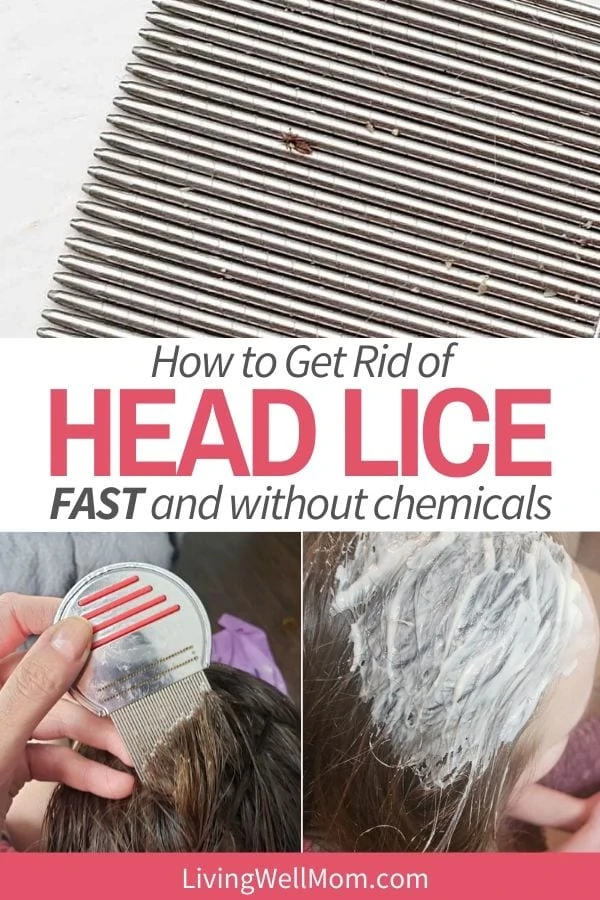
Suffocation methods involve smothering the lice by using certain substances or covering the scalp with a physical barrier. These methods aim to prevent the lice from getting oxygen and eventually lead to their demise.
6.2 Guide to Using Suffocating Agents
To employ suffocation methods effectively:
- Choose a suffocating agent such as olive oil, mayonnaise, or petroleum jelly.
- Apply a liberal amount of the suffocating agent to the scalp and hair, ensuring thorough coverage.
- Cover the hair with a shower cap or plastic wrap to create a physical barrier.
- Leave it on for the recommended duration, usually several hours or overnight.
- Wash and rinse the hair thoroughly to remove the suffocating agent.
- Comb through the hair with a lice comb to remove dead lice and nits.
- Repeat the treatment as necessary to ensure complete elimination.
6.3 Risks and Limitations
Suffocation methods can be effective in killing lice; however, they may not kill nits, necessitating additional treatments after the eggs hatch. It is vital to follow the instructions carefully and exercise caution when using suffocating agents. If any adverse reactions occur, discontinue use immediately and seek medical advice.
7. Heat Treatment
7.1 Heat Treatment Techniques for Lice Removal
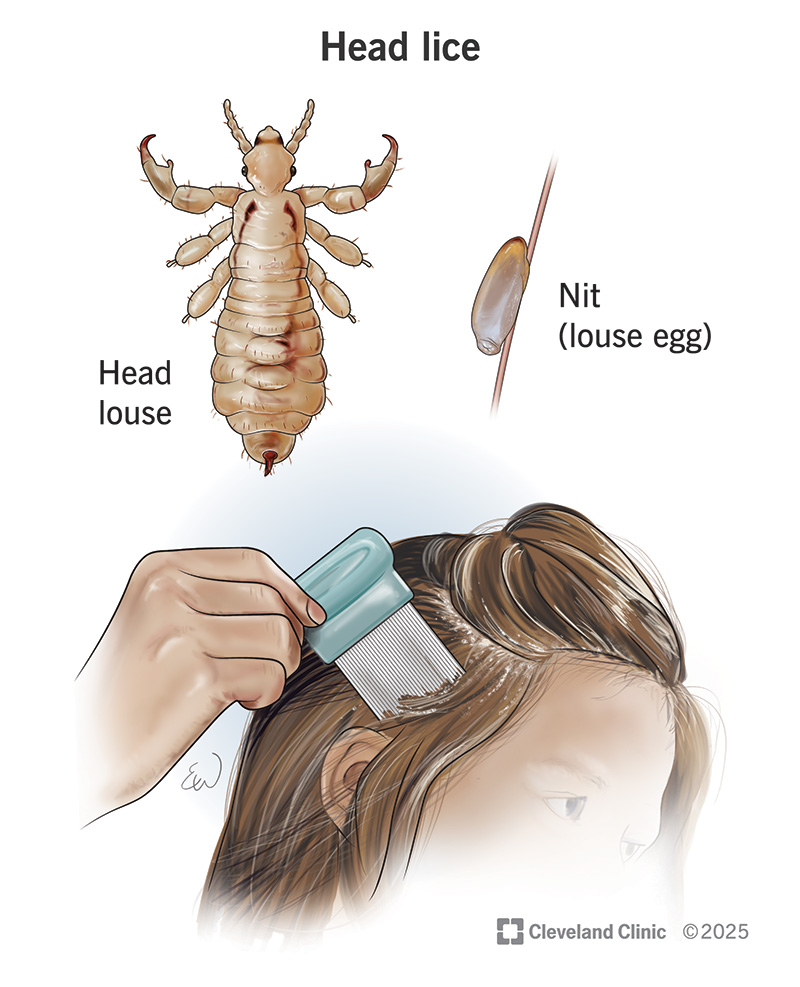
Heat treatment involves using hot air devices, such as hair dryers or special heated appliances, to kill lice and nits. The heat causes dehydration and eventual death of the lice and eggs.
7.2 Hot Air Devices and Their Effectiveness
Hot air devices designed specifically for lice removal have been developed, such as the AirAllé device. These devices blow a controlled stream of hot air to the scalp, effectively dehydrating and killing the lice and eggs. Studies have shown that heat treatment can be highly effective in eliminating head lice, particularly when combined with other treatment methods.
7.3 Important Safety Guidelines
When using hot air devices for heat treatment:
- Follow the manufacturer’s instructions carefully for the specific device being used.
- Ensure proper ventilation and avoid any flammable substances near the device.
- Keep the device away from the eyes, ears, and face to prevent injury.
- Use heat-resistant gloves to protect your hands during the treatment.
- Consult a professional lice removal specialist if you are unsure about the correct usage.
8. Vacuuming and Cleaning
8.1 The Role of Vacuuming and Cleaning
Keeping the environment clean is an important step in preventing the spread and reinfestation of head lice. Vacuuming and cleaning ensure that any potentially infested items or surfaces are thoroughly treated.
8.2 Targeted Areas for Thorough Cleaning
Pay special attention to the following areas during vacuuming and cleaning:
- Upholstered furniture and cushions
- Carpets and rugs
- Bedding and pillows
- Stuffed animals and toys
- Hair accessories, such as brushes and hair ties
Use a vacuum cleaner with excellent suction power and consider using a handheld steamer on items that can withstand heat.
8.3 Preventative Measures for Reinfestation
To prevent reinfestation, take these preventative measures:
- Wash and dry clothing, bedding, and other items that may have come into contact with lice on high heat.
- Encourage individuals to avoid sharing personal items, such as hats, combs, or headphones.
- Regularly inspect hair and scalp for any signs of lice or nits.
- Educate family members or close contacts on the importance of early detection and treatment.
10. Prevention Measures
10.1 Importance of Prevention in Lice Infestation
Taking preventive measures is crucial to minimize the risk of lice infestation. These measures not only protect individuals from contracting lice but also reduce the risk of spreading the infestation to others.
10.2 Strategies for Minimizing Lice Transmission
Follow these strategies to minimize the transmission of lice:
- Encourage individuals to avoid head-to-head contact with others.
- Teach children not to share personal items, such as hats, combs, or headphones.
- Keep long hair tied up or braided to minimize the opportunity for lice to transfer.
- Regularly check for lice and nits, especially in high-risk environments such as schools or camps.
- Educate individuals about proper hair hygiene and the importance of early detection.
10.3 Proper Hair Hygiene and Inspection
Maintain good hair hygiene practices, including regular washing and brushing. Inspect the scalp and hair regularly, particularly behind the ears, at the nape of the neck, and around the hairline, for any signs of lice infestation. Early detection enables prompt treatment and reduces the likelihood of a severe infestation.
In conclusion, dealing with head lice can be challenging, but with the right approach, you can effectively eliminate these annoying pests. Whether you opt for over-the-counter treatments, prescription medications, natural remedies, wet combing, essential oils, suffocation methods, heat treatment, vacuuming and cleaning, or prevention measures, it is essential to follow the recommended guidelines and seek professional advice when necessary. By taking proactive steps and maintaining good hair hygiene, you can successfully combat head lice and prevent future infestations.
