
Have you ever wondered about the best ways to prevent the spread of herpes? In this article, we will share essential tips and advice to protect yourself and others from this common yet often misunderstood virus. From understanding the different types of herpes to practicing safe sexual habits, we’ve got you covered with all the information you need to make informed decisions and reduce the risk of transmission. So, if you want to learn how to stay healthy and protect those around you, keep reading!
Understanding Herpes
What is herpes?
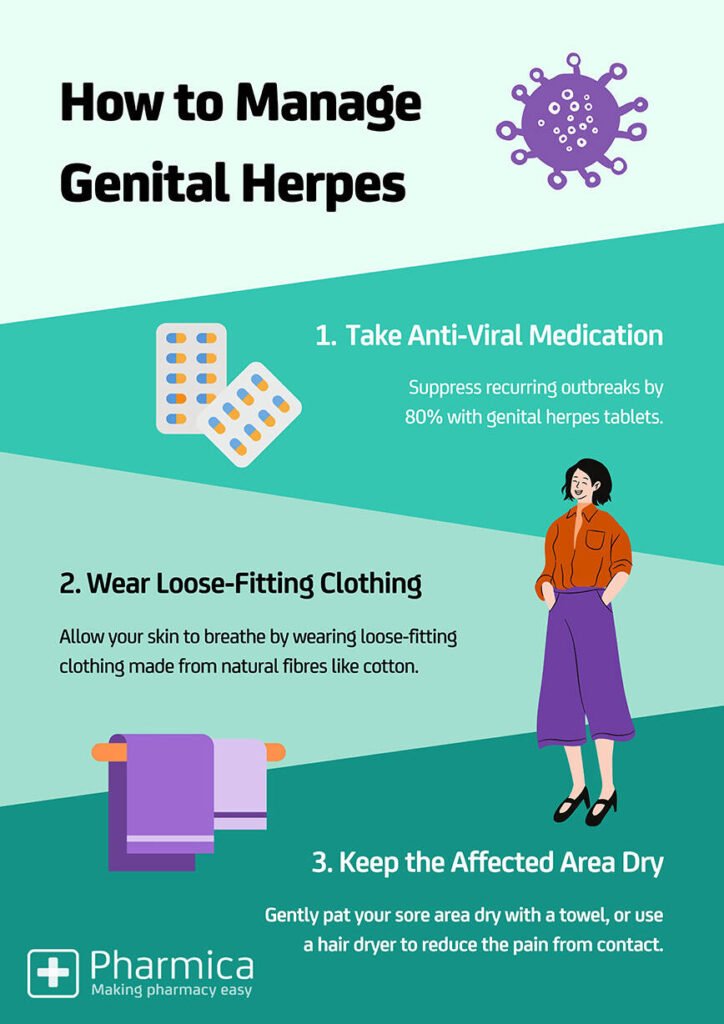
Herpes is a common viral infection that is caused by the herpes simplex virus (HSV). It is a sexually transmitted infection (STI) that can affect both men and women. There are two types of herpes viruses, HSV-1 and HSV-2. HSV-1 is typically associated with oral herpes, which causes cold sores or fever blisters around the mouth and lips. On the other hand, HSV-2 is usually responsible for genital herpes, which results in the development of sores or blister-like lesions on or around the genitals.
Types of herpes
As mentioned earlier, there are two main types of herpes viruses, HSV-1 and HSV-2. HSV-1 is primarily transmitted through oral-to-oral contact, such as kissing or sharing utensils, and it typically affects the mouth and lips. On the other hand, HSV-2 is usually transmitted through sexual contact and primarily affects the genital area. However, it is important to note that both HSV-1 and HSV-2 can infect either the mouth or the genitals, as they can be transmitted through oral-genital contact as well.
Causes of herpes
Herpes is primarily spread through direct contact with an infected individual during an active outbreak. The virus can be transmitted through intimate activities such as kissing, oral sex, vaginal sex, or anal sex. It can also be transmitted through a skin-to-skin contact even when there are no visible symptoms or sores present. It is important to keep in mind that herpes can be contagious even if the infected person does not have any symptoms or is unaware of their infection. Furthermore, sharing personal items such as towels or razors with an infected person can also increase the risk of transmission.
Preventing Transmission
Use of barrier methods
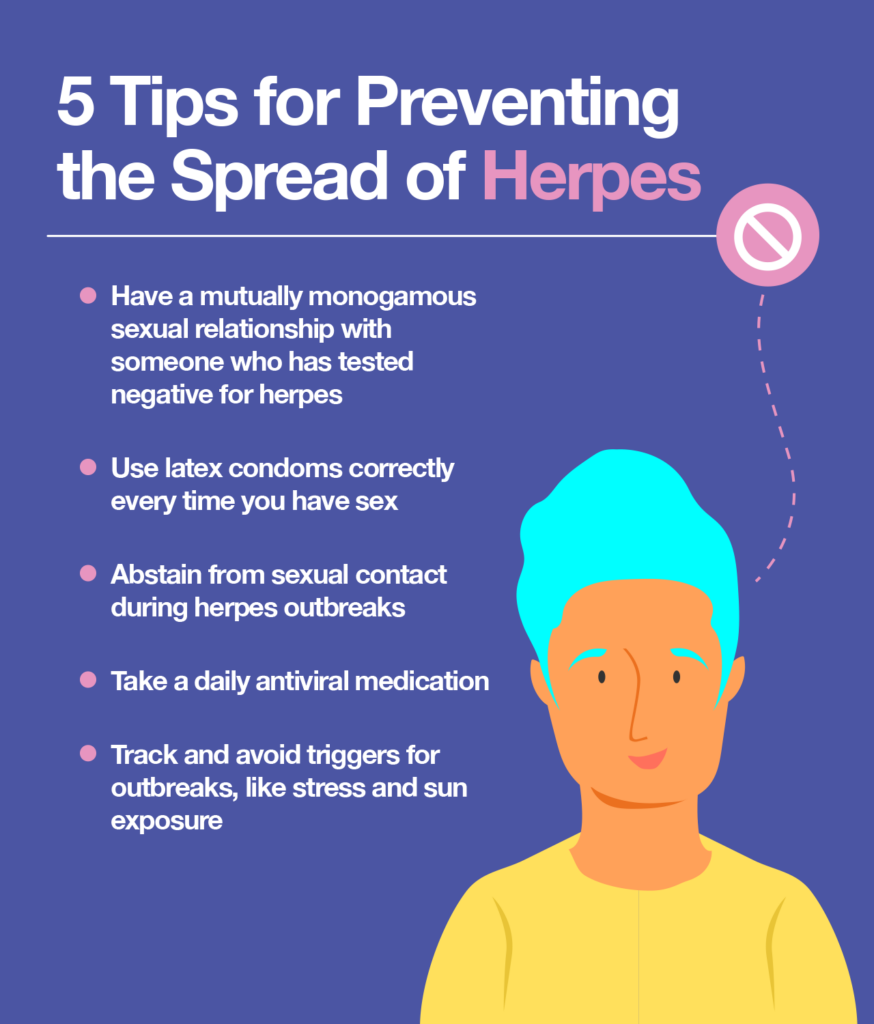
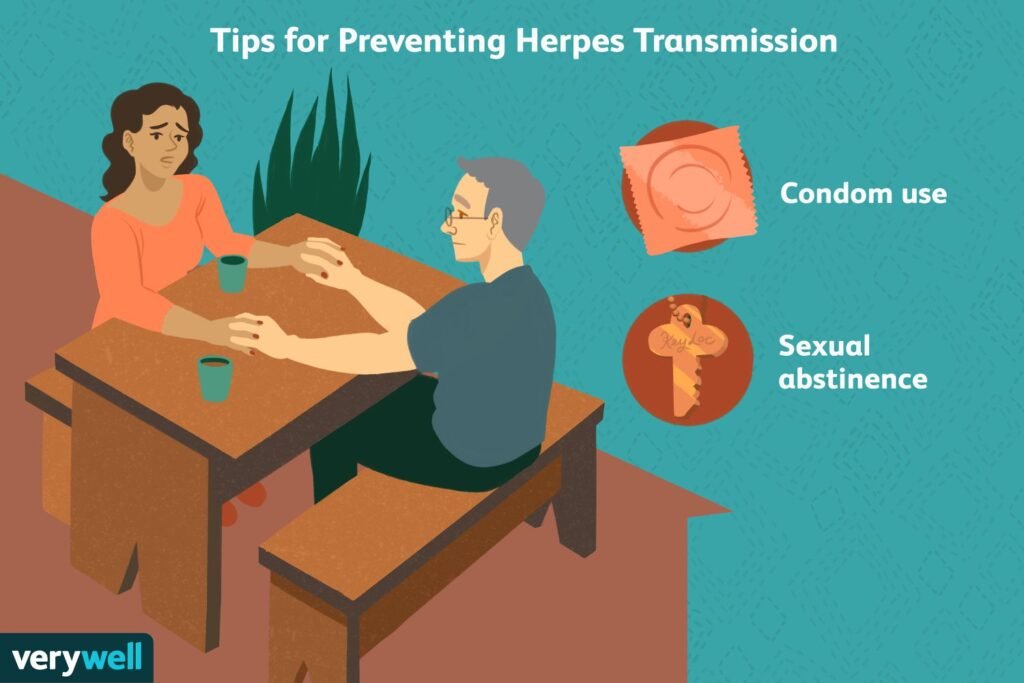
Barrier methods, such as condoms and dental dams, can help reduce the risk of transmitting herpes during sexual activity. While these methods may not provide complete protection, they are still highly effective in reducing the risk of transmission when used consistently and correctly. It is important to choose barrier methods made from latex or polyurethane as they are more effective in preventing the transmission of herpes compared to natural membrane condoms.
Avoiding sexual contact during outbreaks
It is crucial to avoid any sexual contact, including oral, vaginal, or anal sex, during an active outbreak of herpes. This is because the virus is most contagious when there are visible sores or lesions present. Even if there are no visible symptoms, it is still possible to transmit the virus, so it is best to be cautious and wait until the outbreak has completely healed before resuming sexual activity.
Informing sexual partners
Open and honest communication is key when it comes to preventing the spread of herpes. It is essential to inform all current and potential sexual partners about your herpes status before engaging in any sexual activity. By doing so, you give them the opportunity to make an informed decision about their own sexual health and take necessary precautions. Remember, disclosing your herpes status is a responsible and considerate action that helps protect others from potential infection.
Practicing monogamy
Maintaining a monogamous relationship with a partner who is also herpes-free can greatly reduce the risk of contracting herpes. By being in a mutually exclusive relationship, the likelihood of exposure to the virus from other sexual partners is minimized. However, it is important for both partners to be tested before engaging in a monogamous relationship to ensure they are both herpes-free.
Education and awareness
Education and awareness play a critical role in preventing the spread of herpes. Understanding the facts about herpes, its transmission, and the importance of safe sexual practices can empower individuals to make informed decisions and take necessary precautions. By staying informed and spreading accurate information, we can contribute to reducing the stigma surrounding herpes and create a more supportive environment for those affected by the infection.
Maintaining Personal Hygiene
Regular handwashing
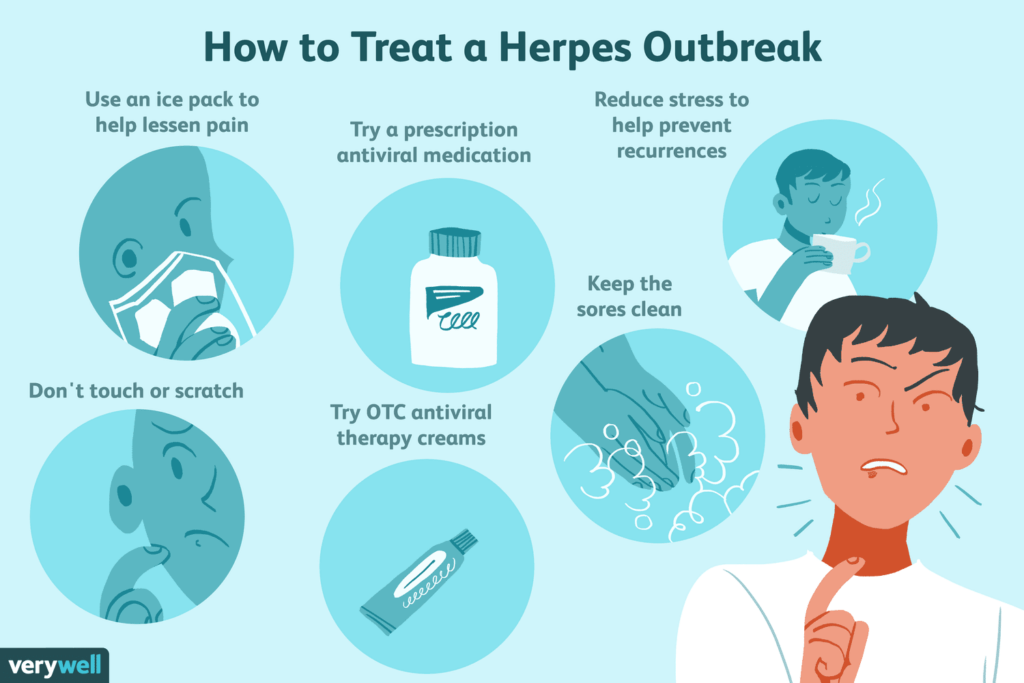
Regular handwashing is a simple yet effective method to reduce the risk of spreading herpes. Washing your hands thoroughly with soap and warm water for at least 20 seconds before and after touching any infected areas can help prevent the spread of the virus. It is especially important to wash your hands after coming into contact with the sores or lesions, as well as before and after applying medications.
Proper handling of infected areas
When you have an active outbreak of herpes, it is important to avoid touching, picking, or scratching the sores or lesions. These actions can further irritate the affected area and potentially spread the virus to other parts of your body or to others. If you need to apply medication to the sores, make sure to use a clean cotton swab or disposable gloves to minimize the risk of contamination.
Cleaning and disinfecting objects
Herpes can survive on objects and surfaces for a short period of time, so it is important to regularly clean and disinfect any items that may come into contact with the virus. This includes items such as towels, bedding, clothing, and sex toys. Washing these items in hot water with detergent or using disinfectant wipes can help kill the virus and reduce the risk of transmission.
Avoiding sharing personal items
To prevent the spread of herpes, it is crucial to avoid sharing personal items that come into contact with the infected areas. This includes items such as towels, razors, toothbrushes, and lip balms. These items can potentially transfer the virus from one person to another, even if there are no visible symptoms present. It is best to keep these personal items separate and not share them with others to minimize the risk of transmission.
Boosting the Immune System
Eating a healthy diet
Maintaining a balanced and nutritious diet can help strengthen your immune system, which plays a crucial role in fighting off infections, including herpes. Include a variety of fruits, vegetables, whole grains, lean proteins, and healthy fats in your daily meals. These foods provide essential vitamins, minerals, and antioxidants that support overall health and immune function.
Getting enough sleep
Adequate sleep is vital for a healthy immune system. Aim for 7-9 hours of quality sleep per night to ensure your body has enough time to rest and repair itself. Lack of sleep can weaken your immune system and make you more susceptible to infections, including herpes outbreaks. Establish a regular sleep schedule and create a relaxing bedtime routine to improve the quality and duration of your sleep.
Reducing stress
Stress has been shown to trigger herpes outbreaks and weaken the immune system. It is important to find healthy ways to manage and reduce stress in your life. Engage in activities that help you relax and unwind, such as yoga, meditation, deep breathing exercises, or spending time in nature. Reach out to supportive friends or family members, or consider seeking professional help if needed.
Regular physical exercise
Regular physical exercise offers numerous benefits for overall health, including bolstering the immune system. Engaging in moderate-intensity exercise for at least 150 minutes per week can help reduce stress, improve cardiovascular health, and enhance immune function. Choose activities that you enjoy, whether it’s walking, cycling, swimming, or dancing, and make it a habit to incorporate them into your routine.
Managing Outbreaks
Recognizing early symptoms
Being able to recognize the early symptoms of a herpes outbreak can help you take prompt action and minimize its impact. Symptoms can vary from person to person, but common signs include tingling, itching, or burning sensations in the area where the outbreak will occur. Redness, swelling, and the development of small, painful blisters or sores are also typical symptoms of a herpes outbreak.
Seeking medical assistance
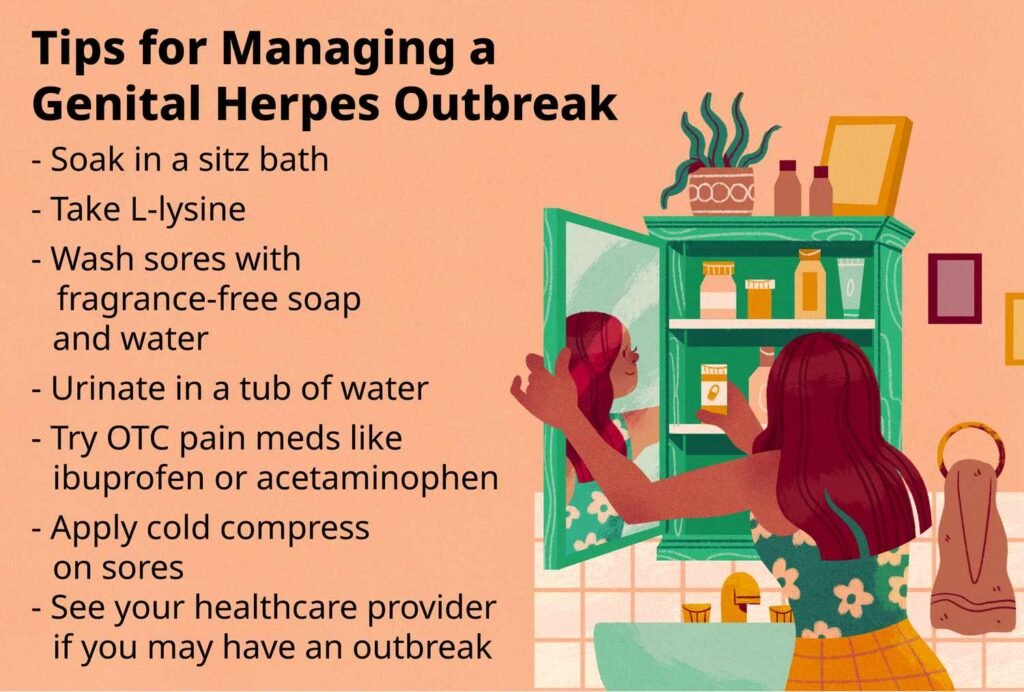
If you suspect that you are experiencing a herpes outbreak, it is important to seek medical assistance. A healthcare professional can properly diagnose the infection and provide appropriate treatment options. They may recommend antiviral medications to help reduce the duration and severity of the outbreak. Additionally, they can offer guidance specific to your situation and address any concerns or questions you may have.
Using prescribed antiviral medications
Antiviral medications are commonly prescribed to manage herpes outbreaks. These medications, such as acyclovir, famciclovir, and valacyclovir, can help reduce the duration and severity of the outbreak, as well as alleviate symptoms. It is important to follow your healthcare professional’s instructions carefully and complete the full course of medication as prescribed.
Avoiding triggers
Certain factors can trigger herpes outbreaks in some individuals. These triggers may vary from person to person but can include stress, illness, fatigue, sun exposure, hormonal changes, and a weakened immune system. Being mindful of these triggers and taking steps to minimize their impact on your life can help reduce the frequency and severity of outbreaks.
Managing stress
As mentioned earlier, stress can exacerbate herpes outbreaks. Finding healthy ways to manage stress is crucial for maintaining overall well-being and minimizing the impact of herpes. Consider incorporating stress-reduction techniques into your daily routine, such as practicing mindfulness, engaging in regular exercise, pursuing hobbies, or seeking support from friends, family, or a mental health professional.
Preventing Neonatal Herpes
Awareness during pregnancy
During pregnancy, it is important for expectant mothers to be aware of the potential risks of neonatal herpes and take necessary precautions to protect their unborn child. Understanding the modes of transmission, symptoms, prevention strategies, and seeking appropriate medical care and advice are paramount. Regular prenatal check-ups, open communication with healthcare professionals, and attending childbirth education classes can provide valuable information and support.
Testing and screening
Routine testing and screening for herpes during pregnancy are crucial to identify women who may be at risk of transmitting the virus to their newborns. Testing is usually done through blood tests to detect the presence of HSV antibodies. Additionally, swab tests may be conducted if there is a suspected outbreak. Regular screening and timely interventions can significantly reduce the risk of neonatal herpes transmission.
Avoiding infection during childbirth
To prevent the transmission of herpes to the newborn during childbirth, healthcare providers may recommend a cesarean section (C-section) if the mother has an active outbreak at the time of delivery. A C-section can significantly reduce the risk of transmission compared to a vaginal birth. However, it is important to consult with healthcare professionals to determine the best course of action based on individual circumstances.
Providing antiviral medications to high-risk mothers
In cases where a pregnant woman has a history of recurrent genital herpes or has active genital lesions close to the time of delivery, antiviral medications may be prescribed to minimize the risk of neonatal herpes transmission. These medications can reduce the severity and duration of outbreaks, thus decreasing the viral shedding and lowering the risk of transmission to the newborn. It is essential for healthcare providers to closely monitor high-risk pregnancies and provide appropriate guidance and treatment options.
Disclosure and Communication
Talking to sexual partners
Open and honest communication with sexual partners is essential when it comes to herpes. If you have herpes, it is important to inform your sexual partner(s) about your infection. Provide them with accurate information about herpes, its transmission, and the precautions that can be taken to reduce the risk of transmission. Encourage them to ask questions and express any concerns they may have. By discussing the topic openly, you can build trust and work together to make informed decisions about your sexual health.
Discussing with potential partners
When entering into a new sexual relationship, it is crucial to have a discussion about sexual health, including herpes. Take the time to talk to potential partners about your herpes status, ask them about their own sexual health, and discuss any concerns or precautions that need to be taken. An open and honest conversation before becoming sexually active can help ensure that both parties are well-informed and can make decisions that prioritize their health and well-being.
Addressing stigma and misconceptions
Herpes is surrounded by a lot of stigma and misconceptions. It is important to address these misconceptions and challenge the stigma associated with the infection. Educate yourself and others about herpes, emphasizing that it is a common and manageable viral infection. Promote understanding, empathy, and support for those affected by herpes, and encourage open dialogue to reduce the stigma and create a more inclusive and informed society.
Support and Counseling
Joining support groups
Joining support groups can provide a valuable source of emotional support and information for individuals living with herpes. These groups offer a safe and understanding environment where you can connect with others who share similar experiences. Sharing personal stories, receiving advice, and learning coping strategies can help you navigate the challenges of living with herpes and promote a sense of belonging and empowerment.
Seeking professional counseling
Living with herpes can sometimes be emotionally challenging, especially when dealing with the stigma and potential impact on relationships. Seeking professional counseling can provide a supportive space where you can discuss your feelings, address any emotional struggles, and develop coping mechanisms. A trained therapist can help you navigate the emotional rollercoaster and provide guidance to improve your overall well-being.
Finding online resources and forums
The internet offers a wealth of resources and online forums where you can find information, engage in discussions, and connect with others who are living with herpes. Websites, blogs, and forums dedicated to herpes provide a platform for anonymous communication, allowing you to seek advice, share experiences, and find support from people around the world who understand what you are going through.
Preventing Herpes in Healthcare Settings
Adhering to infection control protocols
In healthcare settings, strict adherence to infection control protocols is crucial to prevent the spread of herpes. Healthcare personnel should strictly follow hand hygiene practices, wear personal protective equipment (PPE) when necessary, and ensure proper cleaning and disinfection of medical equipment and surfaces. By implementing and maintaining these protocols, the risk of nosocomial transmission of herpes can be significantly reduced.
Using personal protective equipment
Healthcare workers should use appropriate personal protective equipment (PPE) such as gloves, masks, and eye protection when providing care to patients with herpes or suspected herpes infections. PPE serves as a physical barrier to prevent direct contact with infected fluids and reduces the risk of transmission. It is important for healthcare workers to be trained in the correct usage and disposal of PPE to ensure adequate protection.
Implementing safe practices
Healthcare facilities should implement safe practices to prevent the spread of herpes. This includes proper handling and disposal of contaminated materials, correct cleaning and disinfection protocols for environmental surfaces, and ensuring the availability of appropriate supplies for infection control. Regular training and education of healthcare workers on safe practices are essential to maintain a safe and hygienic healthcare environment.
Screening and testing healthcare workers
Regular screening and testing of healthcare workers for herpes infection can help identify asymptomatic individuals who may unknowingly transmit the virus to patients. This is particularly important for healthcare workers who have direct contact with patients, such as obstetricians, gynecologists, and dermatologists. Screening and testing should be conducted following established guidelines and protocols to minimize the risk of transmission in healthcare settings.
Promoting Safe Sex Education
Including herpes prevention in comprehensive sex education programs
Comprehensive sex education programs should include information about herpes and other sexually transmitted infections. By providing accurate and age-appropriate information about herpes transmission, symptoms, prevention methods, and the importance of open communication, young people can make informed decisions about their sexual health. Teaching safe sex practices and demonstrating the proper use of barrier methods can also empower individuals to protect themselves and their partners.
Open discussions about herpes and STIs
Encouraging open discussions about herpes and other STIs can help reduce stigma, myths, and misconceptions surrounding these infections. Providing a safe space for young people and adults to ask questions, share experiences, and seek information can foster a supportive environment. Open discussions can also help promote understanding, empathy, and awareness, ultimately leading to healthier sexual behaviors and reduced transmission rates.
Promoting responsible sexual behavior
Promoting responsible sexual behavior is key in preventing the spread of herpes and other STIs. Emphasizing the importance of informed consent, respectful communication, and mutual responsibility can empower individuals to make healthier choices. Teaching about the benefits of regular STI testing, the correct use of barrier methods, and the significance of honest disclosure can contribute to building a culture of responsible sexual behavior and reduce the risk of herpes transmission.
In conclusion, understanding herpes is crucial in preventing its transmission and managing its outbreaks. By taking necessary precautions, practicing good personal hygiene, boosting the immune system, managing outbreaks effectively, promoting safe sex education, seeking support, and implementing appropriate preventive measures in healthcare settings, we can work towards preventing the spread of herpes and creating a society that supports and understands those affected by this common viral infection. Let’s prioritize education, awareness, and open communication to foster a world where herpes is destigmatized, and everyone has the necessary tools to protect themselves and others.