
Are you tired of those pesky hiccups that just won’t seem to go away? Well, look no further! In this article, we will explore some surprising remedies for persistent hiccups that you may have never heard of before. Whether it’s holding your breath, drinking water upside down, or even indulging in a spoonful of sugar, we’ve got you covered with these unexpected solutions. Say goodbye to those constant interruptions and hello to a hiccup-free life!
Causes of Persistent Hiccups
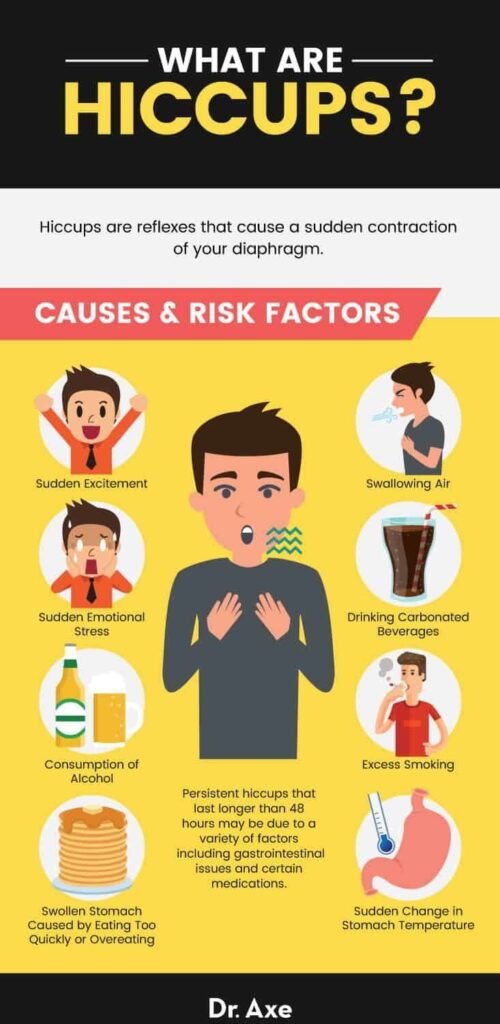
Persistent hiccups can be a frustrating and uncomfortable experience. They occur when the diaphragm, the muscle responsible for breathing, contracts involuntarily and causes a sudden intake of breath. While hiccups are usually harmless and temporary, persistent hiccups, lasting for more than 48 hours, can indicate an underlying health condition or nerve damage.
Underlying Health Conditions
Persistent hiccups can be linked to various underlying health conditions. Gastroesophageal reflux disease (GERD) is one such condition that may cause hiccups. GERD occurs when stomach acid flows back into the esophagus, irritating the lining. This irritation can trigger hiccups.
Other conditions that may lead to persistent hiccups include central nervous system disorders, such as multiple sclerosis or strokes, respiratory conditions like pneumonia or bronchitis, and metabolic disorders like diabetes or kidney failure. These conditions affect the normal functioning of the diaphragm and may result in frequent hiccups.
Nerve Damage
Nerve damage is another potential cause of persistent hiccups. The phrenic nerve, which controls the movement of the diaphragm, can be damaged due to surgery, trauma, or other medical conditions. The damage disrupts the nerve signals, causing the diaphragm to contract or spasm unexpectedly, resulting in hiccups.
Medications and Treatments
Certain medications and treatments can also contribute to persistent hiccups. For example, medications used to treat gastroesophageal reflux, such as proton pump inhibitors, can sometimes cause hiccups as a side effect. Baclofen, a medication used to treat muscle spasms, may also trigger hiccups in some individuals.
Medical procedures or treatments such as endoscopy or anesthesia can temporarily disturb the diaphragm’s normal function and induce hiccups. While these hiccups are usually temporary, they may last longer in some cases.
Medications and Treatments
If you’re experiencing persistent hiccups, your healthcare provider may recommend certain medications or treatments to help alleviate the symptoms and address the underlying cause.
Proton Pump Inhibitors
Proton pump inhibitors are medications commonly prescribed to reduce stomach acid production and treat conditions such as GERD. In some cases, persistent hiccups caused by GERD may be relieved by the use of proton pump inhibitors. These medications work to reduce the irritation and inflammation in the esophagus, minimizing hiccups as a result.
Baclofen
Baclofen is a muscle relaxant that can be used to alleviate persistent hiccups, especially those caused by nerve damage. It helps to calm the spasms in the diaphragm by affecting the nerve signals. Baclofen can be prescribed by your healthcare provider and should be used under their guidance and supervision.
Chlorpromazine
Chlorpromazine, an antipsychotic medication, has been found to be effective in treating persistent hiccups. It helps to relax the diaphragm and minimize involuntary contractions. However, due to its potential side effects and interactions with other medications, its use should be closely monitored by a healthcare professional.
Home Remedies for Persistent Hiccups
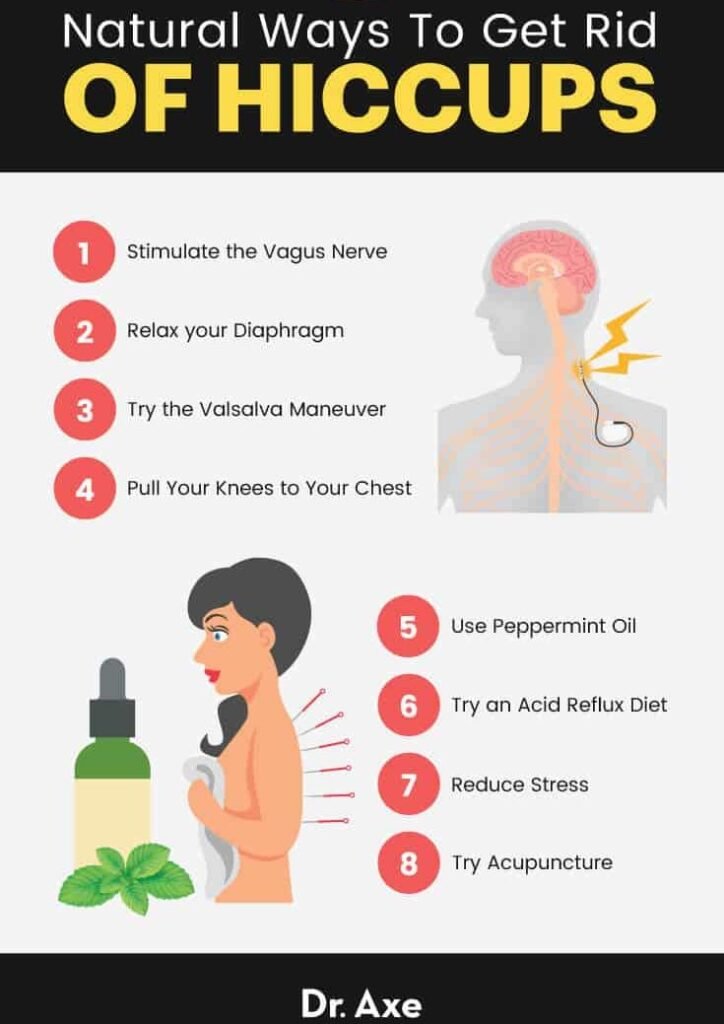
If you’re looking for natural or home remedies to relieve persistent hiccups, there are a few techniques that you can try on your own.
Hold Your Breath
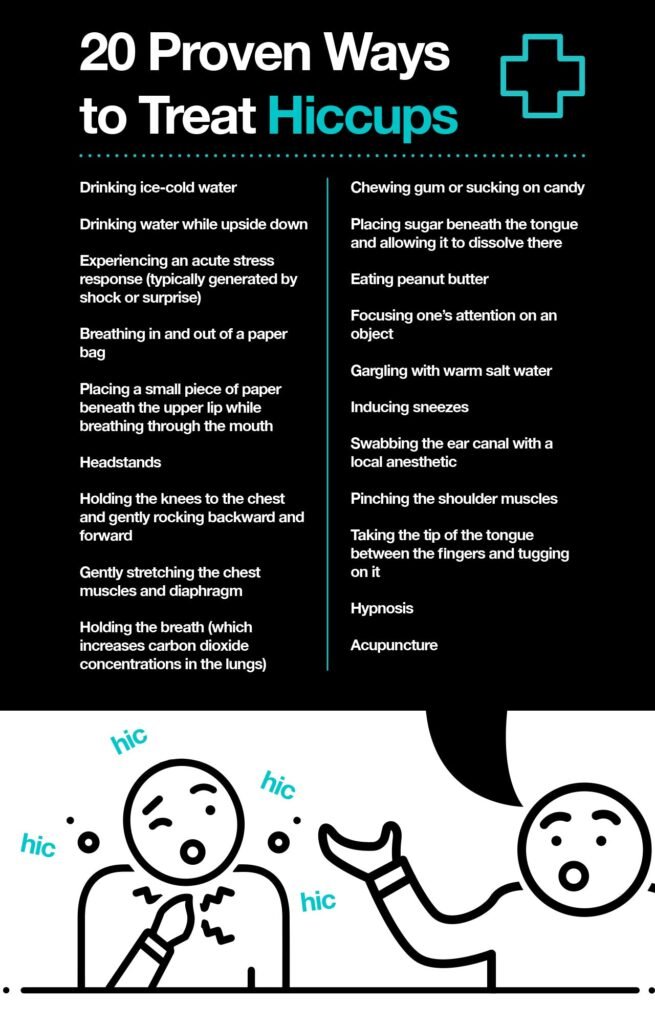
Holding your breath for a short period can help regulate the contractions of the diaphragm and interrupt the hiccup cycle. Take a deep breath, hold it for a few seconds, and then slowly exhale. Repeat this process a few times until the hiccups subside.
Drink Water Upside Down
Drinking water upside down is a technique that may work for some individuals experiencing persistent hiccups. To do this, bend forward at the waist, place a glass of water on a table or counter, and lean down to drink from it. This method aims to disrupt the normal swallowing reflex and reset the diaphragm’s rhythm.
Breathe into a Paper Bag
Breathing into a paper bag is a technique that helps regulate carbon dioxide levels in the body. By increasing the carbon dioxide concentration, it can reduce the frequency of hiccups. Place a small paper bag over your mouth and nose, slowly breathe in and out, and the hiccups may gradually subside.
Alternative Remedies for Persistent Hiccups
In addition to traditional medications and home remedies, some alternative remedies may also be considered for persistent hiccups.
Acupuncture
Acupuncture, an ancient Chinese practice, involves the insertion of thin needles into specific points on the body to stimulate energy flow. This technique may help alleviate persistent hiccups by restoring the balance of energy and promoting relaxation. However, it’s essential to consult with a licensed acupuncturist for proper guidance and treatment.
Gargling with Ice Water
Gargling with ice water can provide temporary relief from persistent hiccups by stimulating the vagus nerve, which plays a role in controlling the diaphragm’s movements. Take a small sip of ice-cold water, tilt your head back, and gargle for a few moments, allowing the cold water to come in contact with the back of your throat.
Digital Rectal Massage
Digital rectal massage, while unconventional, is a technique that has been suggested for persistent hiccups. The stimulation of the rectum aims to activate the diaphragm’s nerve endings and interrupt the hiccup reflex. However, this method should only be attempted in consultation with a healthcare professional or a trained specialist.
When to Seek Medical Intervention
While most cases of hiccups resolve on their own, persistent hiccups lasting longer than 48 hours may require medical intervention. Additionally, if your hiccups are accompanied by severe pain or difficulty breathing, it’s crucial to seek medical attention promptly.
Hiccups Lasting Longer Than 48 Hours
If your hiccups persist for more than two days, it’s essential to consult with your healthcare provider. Prolonged hiccups may indicate an underlying medical condition that requires diagnosis and treatment.
Accompanied by Severe Pain or Difficulty Breathing
If your hiccups are accompanied by severe pain, chest discomfort, or difficulty breathing, it may be a sign of a more serious underlying issue. These symptoms should not be ignored, and immediate medical attention should be sought to determine the cause and provide appropriate treatment.
Outlook and Prevention
While persistent hiccups can be bothersome, the outlook is generally positive, especially when the underlying cause is identified and treated. In most cases, once the underlying condition or trigger is resolved, the hiccups subside.
Managing underlying health conditions, such as GERD or neurological disorders, following the recommended treatment plans, can help prevent persistent hiccups from recurring. Additionally, avoiding triggering factors, such as certain foods, carbonated beverages, or excessive alcohol consumption, may also reduce the occurrence of hiccups.
Remember, if you’re experiencing persistent hiccups or have any concerns, it’s always best to consult with your healthcare provider for an accurate diagnosis and appropriate treatment options. With their guidance, you can find relief from persistent hiccups and improve your overall well-being.
