
Are you concerned about your cholesterol levels? This article aims to help you gain a deeper understanding of Hypercholesterolemia, a condition characterized by high levels of cholesterol in the blood. We will explore its causes, symptoms, and treatment options, offering you valuable insights to make informed decisions about your health. Whether you’re just curious or actively seeking ways to manage your cholesterol, this article is here to provide you with the information you need. So, let’s embark on this journey together and learn more about Hypercholesterolemia.

Understanding Hypercholesterolemia: Causes, Symptoms, and Treatment Options
Hypercholesterolemia is a medical condition characterized by high levels of cholesterol in the blood. It is a common condition that affects millions of people worldwide and can lead to serious health complications if left untreated. In this article, we will explore the causes, symptoms, diagnosis, and treatment options for hypercholesterolemia, as well as some of the complications and impacts it can have on individuals. Additionally, we will discuss alternative therapies, prevention strategies, and available resources for support.
Causes
Genetic Factors
One of the primary causes of hypercholesterolemia is genetic factors. Some individuals inherit genes that cause their bodies to produce too much cholesterol or have difficulty removing it from the bloodstream. This genetic predisposition can significantly contribute to the development of high cholesterol levels.
Dietary Factors
Dietary factors also play a significant role in the development of hypercholesterolemia. Consumption of foods high in saturated and trans fats, such as red meat, full-fat dairy products, and processed foods, can raise cholesterol levels. Additionally, a diet low in fiber and high in refined carbohydrates can contribute to high cholesterol.
Lifestyle Factors
Certain lifestyle choices can contribute to the development of hypercholesterolemia. Lack of physical activity, excessive alcohol consumption, and smoking can all increase cholesterol levels. Engaging in these unhealthy behaviors on a regular basis can significantly elevate the risk of developing high cholesterol.

Symptoms
Physical Symptoms
Hypercholesterolemia is often referred to as a “silent” condition because it does not typically present with noticeable physical symptoms. Many individuals may be unaware that they have high cholesterol levels until they undergo a blood test or experience complications related to the condition. Therefore, regular monitoring of cholesterol levels is essential, especially for individuals at higher risk.
Complications
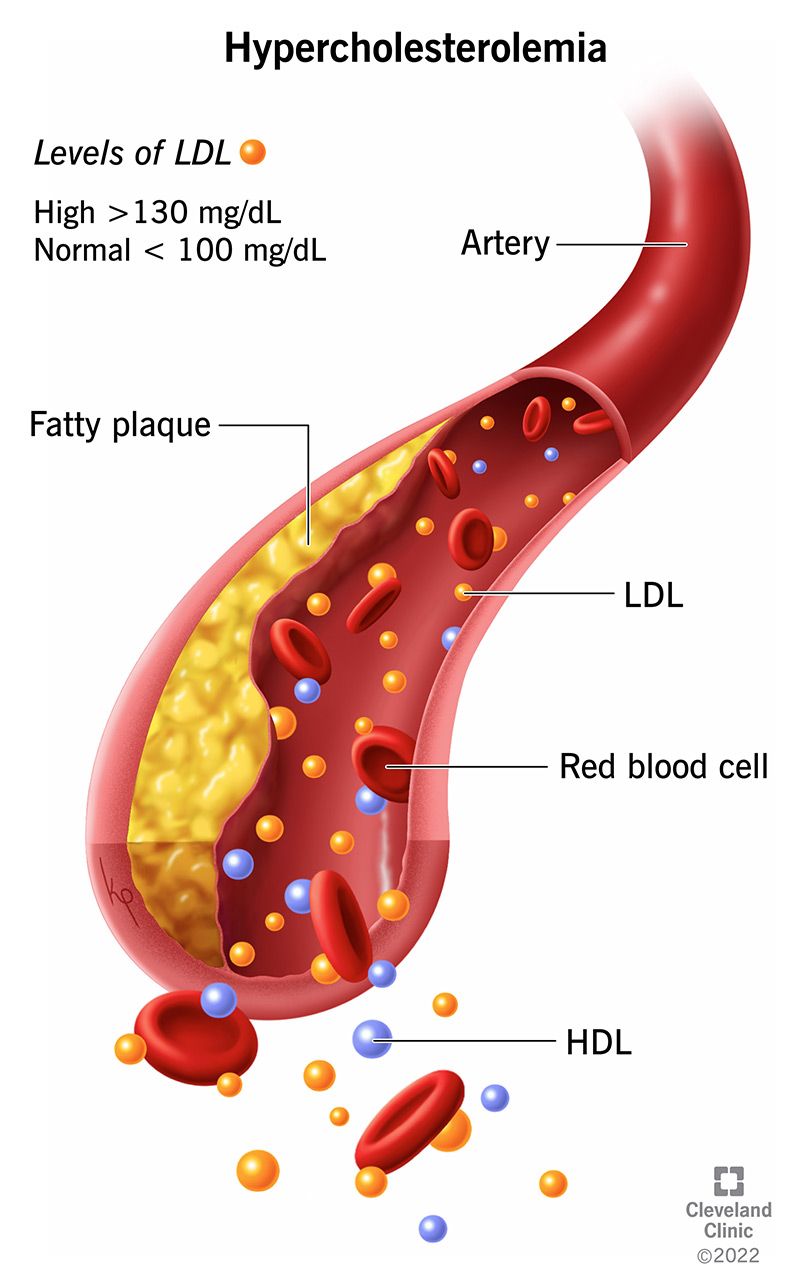
If left untreated, hypercholesterolemia can lead to various complications. One of the most significant complications is the increased risk of developing cardiovascular diseases such as heart attacks and strokes. The buildup of cholesterol in the arteries can eventually lead to blockages, restricting blood flow to vital organs and tissues. This can result in serious health consequences and permanent damage if not addressed promptly.
Diagnosis
Medical History
When diagnosing hypercholesterolemia, healthcare professionals will typically start by taking a detailed medical history. They will inquire about any family history of high cholesterol, heart disease, or other relevant conditions. Additionally, they will ask about lifestyle factors, dietary habits, and any symptoms that the individual may be experiencing.
Physical Examination
Following the medical history, a physical examination will be conducted. The healthcare professional will assess various factors such as blood pressure, body mass index, and overall health. They may also listen to the patient’s heart and check for any signs of arterial blockages or abnormalities.
Blood Tests
Blood tests, including a lipid profile, are essential in diagnosing hypercholesterolemia. These tests measure the levels of different types of cholesterol, including low-density lipoprotein (LDL) cholesterol, high-density lipoprotein (HDL) cholesterol, and triglycerides. Elevated levels of LDL and triglycerides and low levels of HDL indicate an increased risk of hypercholesterolemia.
Genetic Testing
In some cases, genetic testing may be recommended to determine whether the underlying cause of hypercholesterolemia is genetic. This testing can identify specific gene mutations associated with high cholesterol levels, providing crucial information about the treatment approach and potential risks for family members.
Treatment Options
Lifestyle Changes
Making lifestyle changes is often the first line of treatment for hypercholesterolemia. Modifying dietary habits by reducing the consumption of saturated and trans fats and increasing the intake of fruits, vegetables, and whole grains can help lower cholesterol levels. Regular exercise, such as brisk walking or cycling, has also been shown to improve lipid profiles and overall cardiovascular health.
Medication
If lifestyle changes alone are insufficient in managing hypercholesterolemia, medication may be prescribed. Statins are commonly prescribed to lower LDL cholesterol levels. Other medications, such as bile acid sequestrants, cholesterol absorption inhibitors, and fibrates, may also be used to target specific aspects of cholesterol metabolism.
Surgery
In rare cases where lifestyle changes and medication are ineffective or insufficient, surgical interventions may be considered. This typically involves procedures such as coronary artery bypass surgery or angioplasty to restore adequate blood flow to the heart. However, surgery is typically reserved for severe cases or individuals at high risk of heart disease.
Prevention
Healthy Diet
Adopting a healthy diet is essential in preventing hypercholesterolemia. This includes consuming foods low in saturated and trans fats and high in soluble fiber. Incorporating lean proteins, whole grains, fruits, and vegetables into the diet can help maintain healthy cholesterol levels.
Regular Exercise
Engaging in regular physical activity is another crucial aspect of preventing hypercholesterolemia. Exercise helps increase HDL cholesterol levels and promotes overall cardiovascular health. Aim for at least 30 minutes of moderate-intensity exercise on most days of the week.
Limiting Alcohol Consumption
Excessive alcohol consumption can contribute to high cholesterol levels and other health problems. Limiting alcohol intake to moderate levels or abstaining from alcohol altogether can significantly reduce the risk of developing hypercholesterolemia.
Avoiding Tobacco Products
Smoking and the use of tobacco products have been shown to increase cholesterol levels and significantly elevate the risk of heart disease. Quitting smoking and avoiding tobacco in any form can have significant benefits for both cardiovascular health and overall well-being.

Complications
Cardiovascular Disease
One of the most severe complications of hypercholesterolemia is the development of cardiovascular diseases. Elevated cholesterol levels can lead to the formation of plaque in the arteries, restricting blood flow and potentially causing heart attacks, angina, or heart failure.
Coronary Artery Disease
Coronary artery disease is a specific type of cardiovascular disease that results from the buildup of plaque in the arteries supplying the heart. It can lead to chest pain, shortness of breath, and even heart attacks if left untreated.
Stroke
When cholesterol plaque builds up in the arteries supplying the brain, it can lead to a stroke. Strokes occur when blood flow to the brain is interrupted, resulting in potential brain damage and lasting neurological deficits.
Peripheral Artery Disease
Peripheral artery disease refers to the blockage or narrowing of blood vessels outside of the heart and brain. It often affects the arteries in the legs and can cause pain, cramping, and reduced blood flow to the affected area.
Managing Hypercholesterolemia
Cholesterol-Lowering Medications
For individuals diagnosed with hypercholesterolemia, cholesterol-lowering medications are often prescribed. These medications, such as statins, work to reduce LDL cholesterol levels and decrease the risk of cardiovascular complications. Regular and consistent use of these medications is crucial for effective management.
Monitoring Cholesterol Levels
Regular monitoring of cholesterol levels is essential in managing hypercholesterolemia. This allows healthcare professionals to track the effectiveness of lifestyle changes and medication and make adjustments as needed. Routine blood tests are typically recommended to assess lipid profiles and overall cardiovascular health.
Regular Medical Check-ups
Regular medical check-ups are also important for individuals with hypercholesterolemia. These appointments provide an opportunity for healthcare professionals to assess overall health, evaluate the effectiveness of treatment, and address any concerns or questions the individual may have.

Impact of Hypercholesterolemia
Increased Risk of Heart Attack
Hypercholesterolemia significantly increases the risk of heart attacks. By promoting the buildup of plaque in the arteries and restricting blood flow, high cholesterol levels can lead to the formation of blood clots that can block the arteries supplying the heart.
Decreased Quality of Life
Living with hypercholesterolemia can have a profound impact on an individual’s quality of life. The condition often requires long-term management, including dietary restrictions, medication use, and regular medical check-ups. The need for lifestyle modifications and the risk of complications can lead to increased stress and anxiety.
Financial Implications
Hypercholesterolemia can also have financial implications. The cost of medications, regular blood tests, and other healthcare expenses associated with managing the condition can add up over time. It is essential for individuals with hypercholesterolemia to be aware of potential financial burdens and explore available resources and support.
Alternative Therapies
Herbal Supplements
Some individuals may turn to herbal supplements as an alternative therapy for hypercholesterolemia. However, it is important to note that the effectiveness and safety of these supplements are not well-established. Before incorporating herbal supplements into a treatment plan, individuals should consult with their healthcare professionals to avoid potential drug interactions or adverse effects.
Nutritional Therapy
Nutritional therapy can play a crucial role in managing hypercholesterolemia. Registered dietitians can provide personalized guidance on dietary modifications, meal planning, and portion control to help individuals achieve and maintain healthy cholesterol levels.
Acupuncture
Acupuncture is a form of traditional Chinese medicine that involves the insertion of thin needles into specific points on the body to promote healing and balance. While there is limited scientific evidence to support its effectiveness in directly treating hypercholesterolemia, some individuals may find acupuncture helpful for managing stress or promoting relaxation, which can indirectly benefit overall cardiovascular health.
Support and Resources
Support Groups
Support groups can provide valuable emotional support and practical advice for individuals living with hypercholesterolemia. Connecting with others who share similar experiences can help individuals cope with the challenges of managing the condition and provide a sense of community.
Online Resources
Numerous online resources are available to educate and support individuals with hypercholesterolemia. Websites, forums, and educational materials provide information on lifestyle changes, medication management, and the latest research and advancements in the field.
Healthcare Professionals
Seeking support and guidance from healthcare professionals is essential for effectively managing hypercholesterolemia. Primary care physicians, cardiologists, registered dieticians, and other healthcare providers can work together to develop an individualized treatment plan, monitor progress, and address any concerns or questions along the way.
In conclusion, hypercholesterolemia is a complex condition that requires comprehensive management strategies to prevent complications and maintain overall health. By understanding the causes, symptoms, diagnosis, and treatment options, individuals can take proactive steps towards achieving and maintaining healthy cholesterol levels. With proper lifestyle modifications, medication adherence, and support from healthcare professionals and available resources, individuals can navigate the challenges of hypercholesterolemia and lead healthier lives.