
Managing High Blood Pressure: Medications and Strategies for Control is an informative article that provides valuable insights into effectively managing high blood pressure, also known as hypertension. This comprehensive guide explores various medications and strategies that can be adopted to gain control over this prevalent medical condition. With a friendly and approachable tone, the article aims to equip individuals with the necessary knowledge and tools to navigate their journey towards better cardiovascular health.
Lifestyle Changes for Managing High Blood Pressure
Dietary Modifications
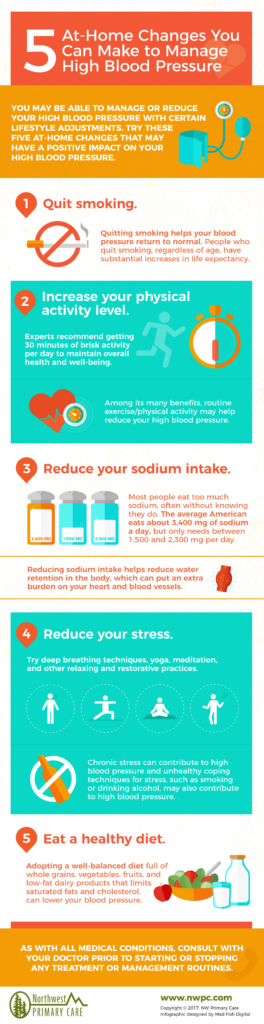
Making dietary modifications is an important aspect of managing high blood pressure. A heart-healthy diet can greatly impact your blood pressure levels. The Dietary Approaches to Stop Hypertension (DASH) diet is often recommended for individuals with high blood pressure. This diet emphasizes fruits, vegetables, whole grains, lean proteins, and low-fat dairy products. It also suggests limiting sodium, saturated fats, and added sugars. Incorporating more potassium-rich foods, such as bananas, sweet potatoes, and spinach, can also help lower blood pressure. By making these dietary modifications, you can take a significant step towards managing your high blood pressure.
Physical Activity
Engaging in regular physical activity is another effective lifestyle change for managing high blood pressure. Exercise helps to strengthen your heart and improve blood flow, which can ultimately lower your blood pressure. Aim for at least 150 minutes of moderate-intensity aerobic exercise or 75 minutes of vigorous-intensity aerobic exercise each week. This can include activities such as brisk walking, cycling, swimming, or dancing. Additionally, incorporating strength training exercises into your routine can help improve overall cardiovascular health. Remember to consult with your healthcare provider before starting any new exercise regimen.
Weight Management
Maintaining a healthy weight is essential for managing high blood pressure. Excess weight puts additional strain on your heart and can lead to increased blood pressure. If you are overweight or obese, losing even a small amount of weight can have significant benefits for your blood pressure levels. Aim to achieve a body mass index (BMI) within the healthy range through a combination of healthy eating and regular physical activity. Work with your healthcare provider or a registered dietitian to develop a personalized weight management plan that suits your needs and goals.
Diagnosing and Monitoring High Blood Pressure
Blood Pressure Measurement
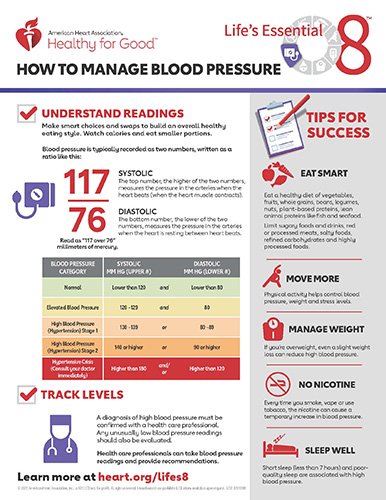
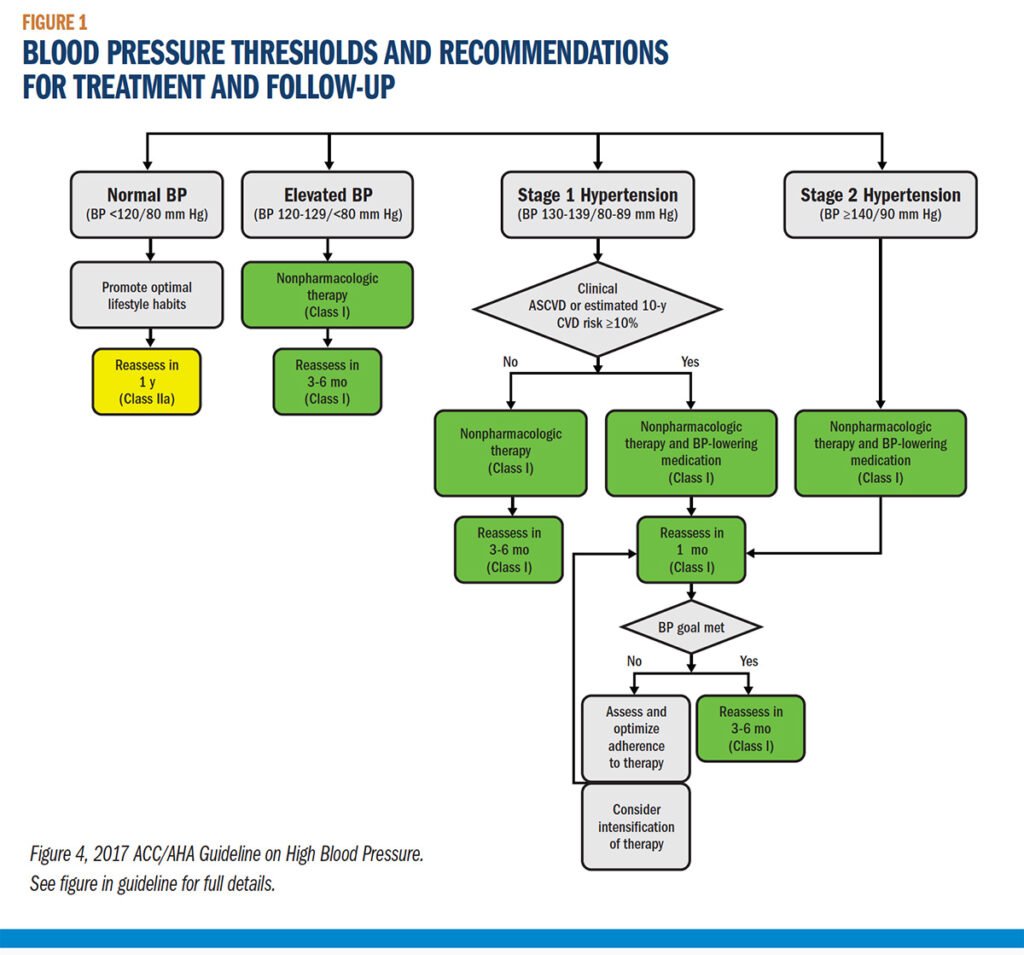
Diagnosing high blood pressure begins with regular blood pressure measurements. This is typically done using a blood pressure cuff and a stethoscope or an automated blood pressure monitor. The measurement consists of two numbers: systolic pressure over diastolic pressure. A normal blood pressure reading is typically around 120/80 mmHg. However, it’s important to note that blood pressure can vary throughout the day and may be affected by factors such as stress or physical activity.
Ambulatory Blood Pressure Monitoring
Ambulatory blood pressure monitoring is a method used to assess blood pressure over a 24-hour period. It involves wearing a portable blood pressure monitor that automatically measures your blood pressure at regular intervals throughout the day and night. This provides a more comprehensive view of your blood pressure patterns, even during sleep. Ambulatory blood pressure monitoring can help determine whether your blood pressure is well-controlled throughout the day and whether additional treatment adjustments are necessary.
Home Blood Pressure Monitoring
Home blood pressure monitoring is a useful tool for managing high blood pressure. It allows you to regularly measure your blood pressure in the comfort of your own home. This can provide valuable information to both you and your healthcare provider regarding the effectiveness of your treatment plan. To ensure accurate measurements, it’s important to follow the instructions provided with your home blood pressure monitor and record your readings consistently. Discuss your home blood pressure measurements with your healthcare provider to make any necessary adjustments to your treatment plan.
Medications for Managing High Blood Pressure
Thiazide Diuretics
Thiazide diuretics are commonly prescribed medications for managing high blood pressure. They work by increasing urine production, which helps to reduce the amount of fluid in the blood vessels. This ultimately lowers blood pressure. Thiazide diuretics are often considered as a first-line treatment and may be used alone or in combination with other medications. Common examples of thiazide diuretics include hydrochlorothiazide and chlorthalidone. It’s important to take thiazide diuretics as prescribed and to discuss any side effects or concerns with your healthcare provider.
Angiotensin-Converting Enzyme (ACE) Inhibitors
Angiotensin-converting enzyme (ACE) inhibitors are another class of medications used to manage high blood pressure. They work by blocking the production of a hormone called angiotensin II, which causes blood vessels to narrow. By blocking the effects of angiotensin II, ACE inhibitors allow blood vessels to relax and widen, lowering blood pressure. Common examples of ACE inhibitors include lisinopril, enalapril, and ramipril. It’s important to take ACE inhibitors as prescribed and to be aware of potential side effects such as a persistent dry cough or dizziness.
Angiotensin II Receptor Blockers (ARBs)
Angiotensin II receptor blockers (ARBs) are medications that block the action of angiotensin II on blood vessels. Like ACE inhibitors, ARBs help to relax and widen blood vessels, ultimately lowering blood pressure. ARBs are commonly prescribed for individuals who cannot tolerate ACE inhibitors or who experience side effects from them. Common examples of ARBs include losartan, valsartan, and irbesartan. As with any medication, it’s important to take ARBs as prescribed and to discuss any concerns or side effects with your healthcare provider.
Calcium Channel Blockers (CCBs)
Calcium channel blockers (CCBs) are medications that block the entry of calcium into the smooth muscle cells of blood vessels. By doing so, CCBs help to relax and widen the blood vessels, resulting in lower blood pressure. CCBs are often prescribed as first-line treatment or in combination with other medications. Common examples of CCBs include amlodipine, diltiazem, and verapamil. It’s important to take CCBs as prescribed and to be aware of potential side effects such as dizziness or headache.
Beta Blockers
Beta blockers are a class of medications that block the effects of adrenaline on the heart. By doing so, beta blockers help to slow down the heart rate and reduce the force of contraction, resulting in lower blood pressure. Beta blockers are commonly prescribed for individuals with high blood pressure, especially if they have certain heart conditions such as angina or a history of heart attack. Common examples of beta blockers include metoprolol, atenolol, and propranolol. It’s important to take beta blockers as prescribed and to be aware of potential side effects such as fatigue or shortness of breath.
Alpha Blockers
Alpha blockers are medications that block the effects of certain nerve impulses on blood vessels, leading to relaxation and widening of the vessels. This helps to lower blood pressure. Alpha blockers are often prescribed as second-line treatment or in combination with other medications. Common examples of alpha blockers include doxazosin and prazosin. It’s important to take alpha blockers as prescribed and to be aware of potential side effects such as dizziness or lightheadedness when standing up.
Central Acting Agents
Central acting agents are a class of medications that work in the brain to decrease nerve signals that tighten blood vessels, resulting in lower blood pressure. These medications are often prescribed when other classes of medications have not been effective. Common examples of central acting agents include clonidine and methyldopa. It’s important to take central acting agents as prescribed and to be aware of potential side effects such as drowsiness or dry mouth.
Direct Renin Inhibitors
Direct renin inhibitors are medications that reduce the production of renin, an enzyme involved in the regulation of blood pressure. By inhibiting renin, these medications help to lower blood pressure. Direct renin inhibitors are often prescribed as an option when other classes of medications have not been effective. Aliskiren is an example of a direct renin inhibitor. It’s important to take direct renin inhibitors as prescribed and to discuss any concerns or side effects with your healthcare provider.
Vasodilators
Vasodilators are medications that relax and widen blood vessels, resulting in lower blood pressure. They are often prescribed in combination with other medications for individuals with moderate to severe high blood pressure. Common examples of vasodilators include hydralazine and minoxidil. It’s important to take vasodilators as prescribed and to be aware of potential side effects such as fluid retention or rapid heartbeat.
Combination Medications for High Blood Pressure
Fixed-dose Combination Pills
Fixed-dose combination pills are medications that contain two or more different blood pressure medications in a single pill. These medications are often prescribed when multiple medications are needed to control blood pressure. Fixed-dose combination pills can simplify the medication regimen and improve medication adherence. Examples of fixed-dose combination pills include medications that combine an ACE inhibitor or an ARB with a diuretic or a calcium channel blocker. It’s important to take fixed-dose combination pills as prescribed and to discuss any concerns or side effects with your healthcare provider.
Benefits of Combination Therapies
Combination therapies can offer additional benefits when it comes to managing high blood pressure. By using different classes of medications in combination, it is possible to achieve better blood pressure control compared to using only one medication. Combination therapies may be prescribed if your blood pressure is not adequately controlled with a single medication or if you have certain medical conditions, such as diabetes or chronic kidney disease. Your healthcare provider will determine the appropriate combination therapy based on your individual needs and goals.
Managing High Blood Pressure during Pregnancy
Pregnancy-Induced Hypertension
Pregnancy-induced hypertension, also known as gestational hypertension, is a condition that occurs during pregnancy and is characterized by high blood pressure. It typically develops after the 20th week of pregnancy and resolves after childbirth. Regular prenatal check-ups are essential for monitoring blood pressure levels during pregnancy. In some cases, medication may be prescribed to manage high blood pressure and reduce the risk of complications.
Gestational Hypertension
Gestational hypertension is a form of high blood pressure that develops during pregnancy but does not involve the presence of protein in the urine, which is often associated with preeclampsia. It typically resolves after delivery. Close monitoring of blood pressure and regular prenatal check-ups are important for managing gestational hypertension. In some cases, medication may be necessary to control blood pressure and prevent complications.
Preeclampsia and Eclampsia
Preeclampsia is a serious condition that can develop during pregnancy and is characterized by high blood pressure and organ damage. It can lead to complications for both the mother and the baby if left untreated. Eclampsia is a severe form of preeclampsia that involves the development of seizures. Medical intervention is necessary to manage preeclampsia and prevent complications. This may include medication to control blood pressure, monitoring of fetal well-being, and, in severe cases, early delivery of the baby.
Treatment Options and Precautions
Managing high blood pressure during pregnancy requires close monitoring and timely intervention. Medications may be prescribed to control blood pressure and reduce the risk of complications. However, it’s important to note that not all blood pressure medications are safe to use during pregnancy. Some medications, such as ACE inhibitors and angiotensin receptor blockers, are contraindicated during pregnancy due to potential harm to the developing baby. It is crucial to consult with a healthcare provider who specializes in prenatal care to determine the most appropriate treatment options and precautions for managing high blood pressure during pregnancy.
Managing High Blood Pressure in Children
Primary Hypertension
Primary hypertension, also known as essential hypertension, is high blood pressure that occurs in children without an underlying medical condition. It is often related to lifestyle factors such as poor diet and lack of physical activity. Managing primary hypertension in children involves making lifestyle modifications, similar to those recommended for adults, such as a healthy diet and regular exercise. In some cases, medication may be necessary to control blood pressure if lifestyle modifications alone are not sufficient.
Secondary Hypertension
Secondary hypertension in children refers to high blood pressure that is caused by an underlying medical condition. These conditions can include kidney disease, heart disease, hormonal disorders, or medication side effects. Treatment for secondary hypertension focuses on identifying and addressing the underlying cause. This may involve medication, lifestyle modifications, or surgical interventions, depending on the specific condition. Close monitoring and management by a healthcare provider specializing in pediatric hypertension are essential for optimizing treatment outcomes.
Treatment Approaches
The approach to treating high blood pressure in children depends on the specific circumstances and underlying causes. Lifestyle modifications form the foundation of treatment and include adopting a healthy diet, engaging in regular physical activity, and maintaining a healthy weight. In some cases, medication may be necessary to control blood pressure. This might include classes of medications such as diuretics, ACE inhibitors, ARBs, or calcium channel blockers. The treatment plan should be individualized and carefully monitored by a healthcare provider experienced in managing high blood pressure in children.
Alternative Strategies for Managing High Blood Pressure
Dietary Approaches (e.g., DASH Diet)
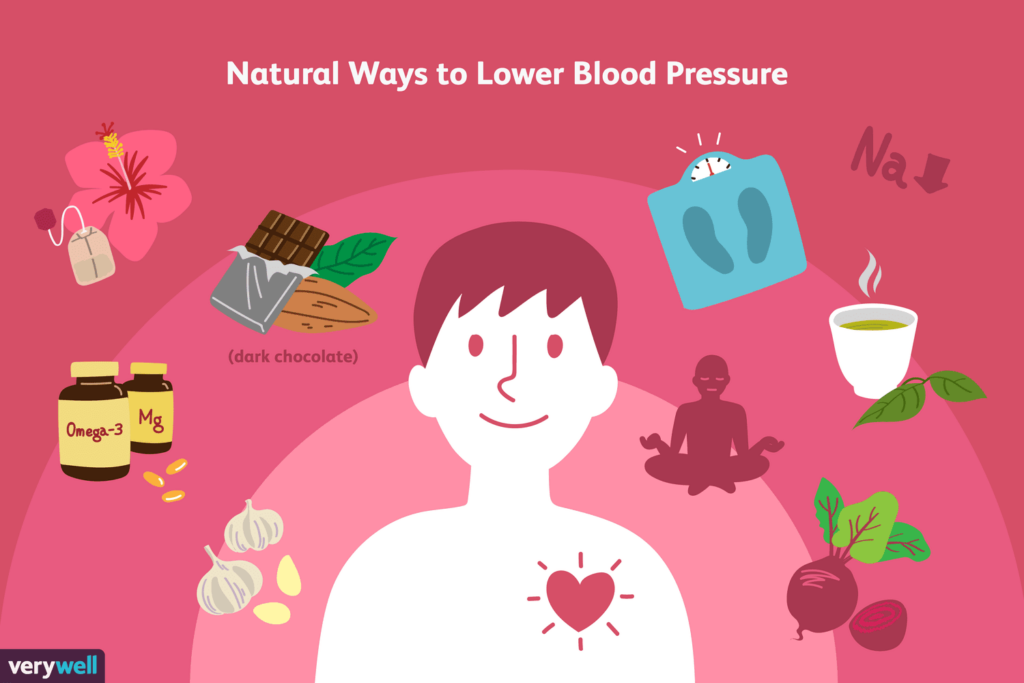
In addition to the dietary modifications mentioned earlier, the Dietary Approaches to Stop Hypertension (DASH) diet is often recommended as an alternative strategy for managing high blood pressure. The DASH diet emphasizes fruits, vegetables, whole grains, lean proteins, and low-fat dairy products. It also encourages reducing sodium intake and limiting the consumption of saturated fats and added sugars. Following the DASH diet has been shown to significantly lower blood pressure and reduce the risk of developing high blood pressure.
Reduce Sodium Intake
Reducing sodium intake is a key component of managing high blood pressure. Sodium plays a significant role in raising blood pressure, as it causes the body to retain fluid, which increases the volume of blood in the blood vessels. By reducing sodium intake, blood volume can be decreased, resulting in lower blood pressure. This can be achieved by avoiding processed or packaged foods, which tend to be high in sodium, and opting for fresh, whole foods instead. Reading food labels and choosing low-sodium options whenever possible can also help reduce sodium intake.
Potassium-Rich Foods
Potassium is an essential mineral that plays a crucial role in maintaining healthy blood pressure levels. Consuming an adequate amount of potassium-rich foods can help counteract the effects of sodium and lower blood pressure. Some examples of potassium-rich foods include bananas, sweet potatoes, spinach, avocados, and tomatoes. Incorporating these foods into your diet can be a simple and effective strategy for managing high blood pressure.
Limit Alcohol Consumption
Excessive alcohol consumption can contribute to high blood pressure and other health problems. It’s important to limit alcohol intake or, ideally, avoid it altogether if you have high blood pressure. If you choose to drink alcohol, do so in moderation. This means up to one drink per day for women and up to two drinks per day for men. However, it’s important to note that not everyone should consume alcohol, especially if you have certain medical conditions or take medications that may interact with alcohol. Consult with your healthcare provider to determine what is appropriate for you.
Quit Smoking
Smoking is a habit that can have detrimental effects on cardiovascular health, including raising blood pressure. Quitting smoking is a crucial step in managing high blood pressure and reducing the risk of heart disease. If you are a smoker, seek support from healthcare professionals, use smoking cessation aids if necessary, and consider joining a support group or program to increase your chances of successfully quitting. Quitting smoking can have immediate and long-term benefits for your overall health and blood pressure control.
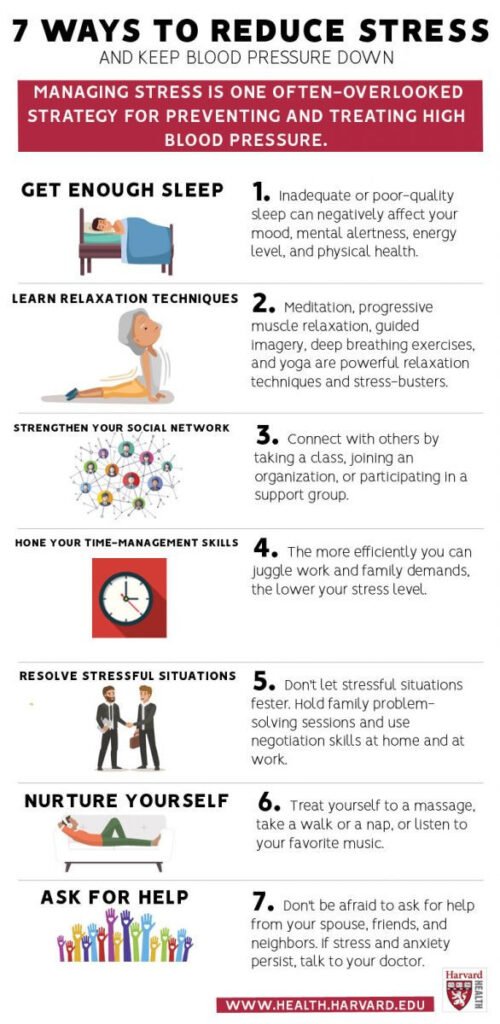
Stress Reduction Techniques
Chronic stress can contribute to high blood pressure and negatively impact overall health. Implementing stress reduction techniques in your daily life can help manage stress and improve blood pressure control. Some effective techniques include deep breathing exercises, meditation, yoga, and engaging in hobbies or activities that you enjoy. Finding healthy ways to cope with stress can have a positive impact on your mental and physical well-being.
Regular Sleep Patterns
Getting enough quality sleep is important for managing high blood pressure. Poor sleep or sleep disorders have been linked to an increased risk of high blood pressure. Aim for 7-9 hours of sleep per night and establish a regular sleep routine. Creating a relaxing environment in your bedroom, avoiding stimulating activities or electronic devices before bed, and practicing good sleep hygiene can contribute to better sleep quality and blood pressure management.
Managing High Blood Pressure in Older Adults
Age-Related Changes in Blood Pressure
Blood pressure can naturally increase with age due to changes in the elasticity of blood vessels and structural changes in the heart. As a result, managing high blood pressure in older adults requires careful consideration of individual circumstances and potential health conditions. Regular monitoring of blood pressure and collaboration with healthcare providers is essential to optimize treatment outcomes.
Individualized Treatment Plans
Older adults may have unique medical conditions, medication regimens, and considerations that need to be taken into account when managing high blood pressure. It’s important to develop an individualized treatment plan that takes into consideration factors such as medical history, lifestyle, and potential interactions with other medications. Regular follow-up appointments with healthcare providers are important for monitoring blood pressure, adjusting medications if needed, and addressing any concerns or side effects.
Polypharmacy Considerations
Polypharmacy, or the use of multiple medications, is common among older adults. Managing high blood pressure in the context of polypharmacy requires careful consideration of potential medication interactions and side effects. It’s important to regularly review medication regimens with healthcare providers and discuss any concerns or potential adjustments. Additionally, medication adherence should be closely monitored and strategies should be put in place to help older adults manage their medication schedules effectively.
Fall Prevention
High blood pressure medications, particularly certain classes such as alpha blockers and vasodilators, can increase the risk of falls in older adults. This is because these medications can cause dizziness or lightheadedness, which can lead to balance issues. It’s important for older adults to be aware of these potential side effects and take precautions to prevent falls. This can include using assistive devices such as handrails or walkers, wearing appropriate footwear, and ensuring that the home environment is free from hazards.
Managing High Blood Pressure with Comorbidities
Diabetes and Hypertension
Diabetes and hypertension often coexist and can have a synergistic effect on cardiovascular health. Managing both conditions requires careful coordination of treatment strategies. Lifestyle modifications, including a healthy diet and regular exercise, are crucial in managing both diabetes and hypertension. Medication regimens may also need to be adjusted to accommodate both conditions. Regular monitoring of blood glucose levels and blood pressure is important for optimizing treatment outcomes.
Chronic Kidney Disease and Hypertension
Chronic kidney disease (CKD) and hypertension often go hand in hand, as high blood pressure can contribute to the development and progression of kidney disease. Managing high blood pressure in the context of CKD involves a multifaceted approach. Lifestyle modifications, such as dietary changes and weight management, are essential. Medication regimens may need to be adjusted to protect kidney function. Close monitoring of kidney function and collaboration with a nephrologist are important for optimizing treatment outcomes.
Hypertension and Heart Disease
Hypertension is a major risk factor for heart disease, and managing high blood pressure is crucial for preventing cardiovascular complications. Lifestyle modifications, such as a heart-healthy diet, regular exercise, and weight management, are key components of managing hypertension and heart disease. Medications may be necessary to control high blood pressure and reduce the risk of cardiovascular events. Regular monitoring of blood pressure and collaboration with a cardiologist are important for optimizing treatment outcomes.
Hypertension and Stroke
High blood pressure is a major risk factor for stroke, and managing hypertension is essential for preventing stroke and minimizing its impact. Lifestyle modifications, such as a healthy diet, regular exercise, and weight management, play a key role in blood pressure management and stroke prevention. Medications may be necessary to achieve target blood pressure levels and reduce the risk of stroke. Regular monitoring of blood pressure and collaboration with a neurologist are important for optimizing treatment outcomes.
Hypertension and Obesity
Obesity is closely linked to high blood pressure, and managing both conditions requires a comprehensive approach. Weight management through a combination of dietary modifications, regular exercise, and behavior changes is key in managing hypertension and obesity. Medications may be necessary to control blood pressure and support weight loss efforts. Regular monitoring of blood pressure and collaboration with a healthcare provider or a registered dietitian are important for optimizing treatment outcomes.
Tips for Medication Adherence
Understanding Medication Schedule
Understanding your medication schedule is essential for medication adherence. Take the time to read and familiarize yourself with the instructions provided by your healthcare provider or pharmacist. Ask any questions if you are unsure about the timing, frequency, or dosage of your medications. Having a clear understanding of your medication schedule will help ensure that you take your medications as prescribed.
Taking Medications as Prescribed
Taking medications as prescribed is crucial for managing high blood pressure effectively. Take your medications at the recommended times and in the prescribed doses. If you have any concerns or side effects, discuss them with your healthcare provider before making any changes to your medication regimen. It’s important to follow your healthcare provider’s instructions and not to skip or alter your medications without consulting them first.
Organizing Medications
Organizing your medications can help streamline the process and make it easier to adhere to your medication schedule. Use pill organizers or other tools to separate and label your medications according to the specific times and doses. This can help prevent confusion and ensure that you take the right medications at the right time. Additionally, consider setting reminders, using smartphone apps, or using medication management tools to help you stay on track.
Avoiding Medication Interactions
Be aware of potential interactions between your high blood pressure medications and other medications or supplements you may be taking. Some medications or supplements can interact with blood pressure medications and affect their effectiveness or increase the risk of side effects. It’s important to inform your healthcare provider about all the medications and supplements you are taking to ensure there are no potential interactions. They can help make necessary adjustments or recommend alternative medications if needed.
Tracking Blood Pressure
Regularly monitoring your blood pressure can provide valuable insights into the effectiveness of your treatment plan and medication adherence. Keep a record of your blood pressure measurements, including the date, time, and readings. Share this information with your healthcare provider during follow-up appointments. Tracking your blood pressure can help identify any trends or patterns and guide treatment adjustments if necessary.
In conclusion, managing high blood pressure requires a multifaceted approach that includes lifestyle modifications, medication management, and close collaboration with healthcare providers. By making dietary modifications, engaging in regular physical activity, maintaining a healthy weight, and adhering to medication regimens, you can effectively manage your high blood pressure and reduce the risk of complications. Regular monitoring and follow-up appointments are essential for optimizing treatment outcomes and maintaining optimal blood pressure control. Remember, your healthcare provider is your ally in managing high blood pressure, so don’t hesitate to ask questions or seek support as needed.